Tracing the Roots and Evolution of Shadow Yoga

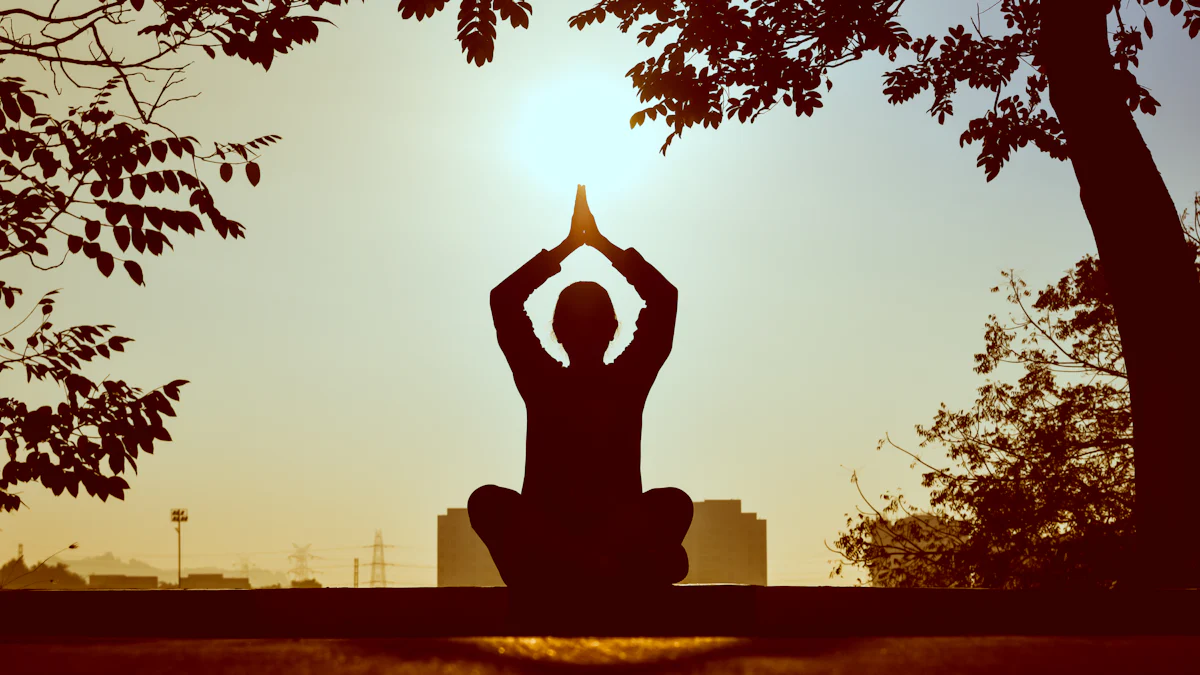
Shadow Yoga traces its origins to the ancient practices of Hatha Yoga, emphasizing a deep understanding of the body's energy. This unique approach integrates marma points, akin to acupuncture points, into its practice. Shadow Yoga stands out in contemporary yoga culture, offering a holistic blend of physical postures and breath control. With over 36 million practitioners in the U.S. alone, yoga's popularity continues to rise, making Shadow Yoga a significant contributor to this global trend. Its distinctive techniques and philosophies enrich the diverse landscape of modern yoga practices.
Historical Context
Ancient Practices and Philosophies
Influence of Hatha Yoga
Shadow Yoga finds its roots in the ancient practice of Hatha Yoga. This traditional form of yoga emphasizes the removal of obstacles, or "shadows," to achieve inner freedom and personal growth. The name "Shadow Yoga" itself originates from an old text titled 'Yoga of the Shadow Man,' where "shadow" symbolizes these barriers. Practitioners of Hatha Yoga, including those who follow Shandor Remete's teachings, strive to clear these shadows to fully embrace the light within. This approach highlights the intelligence and method behind the practice, focusing on understanding the body's energy and the role of marma points, which are akin to acupuncture points.
Role of Ayurveda and Martial Arts
Ayurveda and martial arts also play a significant role in shaping Shadow Yoga. Ayurveda, the ancient Indian system of medicine, provides insights into maintaining balance and harmony within the body. It emphasizes the importance of understanding one's constitution and energy flow, which aligns with the principles of Shadow Yoga. Additionally, martial arts contribute to the discipline and precision required in the practice. The integration of these elements creates a holistic approach that enhances physical and mental well-being.
Cultural and Spiritual Foundations
Connection to Indian Spiritual Traditions
Shadow Yoga deeply connects with Indian spiritual traditions. It draws inspiration from the rich tapestry of Indian spirituality, which includes practices like meditation and breath control. These elements foster a deeper connection with the self and the universe. By incorporating these spiritual aspects, Shadow Yoga offers practitioners a path to self-discovery and enlightenment.
Philosophical Underpinnings
The philosophical underpinnings of Shadow Yoga reflect a blend of ancient wisdom and modern understanding. It encourages practitioners to explore their inner selves and remove the shadows that hinder personal growth. This philosophy aligns with the broader goals of yoga, which aim to unite the mind, body, and spirit. Through this integration, Shadow Yoga provides a unique perspective on achieving balance and harmony in life.
Key Developments
Emergence of Shadow Yoga
Founding by Zhander Remete
Zhander Remete, a visionary in the world of yoga, founded Shadow Yoga. His deep understanding of traditional yogic practices led him to create a system that integrates ancient wisdom with modern needs. Remete's approach emphasizes the importance of marma points, which are similar to acupuncture points, in enhancing the body's energy flow. His teachings draw from the rich traditions of Hatha Yoga, Ayurveda, and martial arts, creating a unique blend that distinguishes Shadow Yoga from other forms.
Richmond Dickson, an expert in yoga and Ayurvedic practices, acknowledges Shandor Remete as the founder of Shadow Yoga. He highlights Remete's dedication to preserving essential knowledge from Indian yogic traditions.
Initial Reception and Growth
Initially, Shadow Yoga faced skepticism from some practitioners who were accustomed to more conventional forms of yoga. However, its holistic approach soon gained recognition for its depth and effectiveness. The practice attracted a dedicated following, with students appreciating its focus on self-discovery and personal growth. As more people experienced the transformative power of Shadow Yoga, its popularity began to spread beyond its origins, reaching a global audience.
Influential Figures and Contributions
Role of Emma Balnaves
Emma Balnaves, a prominent figure in the Shadow Yoga community, has played a crucial role in its development and dissemination. As a close collaborator with Zhander Remete, she has contributed significantly to the teaching and evolution of Shadow Yoga. Her work emphasizes the integration of traditional wisdom with contemporary practices, making Shadow Yoga accessible to a wider audience. Balnaves' dedication to the practice has helped establish it as a respected and influential form of yoga.
Contributions from Other Practitioners
Many practitioners have contributed to the growth and evolution of Shadow Yoga. Their diverse backgrounds and experiences have enriched the practice, bringing new perspectives and insights. These practitioners have helped adapt Shadow Yoga to meet the needs of modern students, ensuring its relevance in today's yoga culture. By sharing their knowledge and expertise, they have played a vital role in expanding the reach and impact of Shadow Yoga worldwide.
Tim Cummins, a yoga practitioner, acknowledges the influence of Shandor Remete's teachings in his practice. He refers to Shadow Yoga as a school that has shaped his understanding of yoga and its principles.
Modern Adaptations
Integration into Contemporary Practices
Global Spread and Popularity
Shadow Yoga has gained significant traction worldwide. Its unique blend of traditional Hatha Yoga, martial arts, and Ayurveda appeals to a diverse audience. Practitioners appreciate its focus on preparatory groundwork, which includes dynamic sequences and preludes. These elements help overcome energetic obstructions, setting Shadow Yoga apart from other contemporary yoga practices. As a result, it has attracted a global following, with many students seeking the transformative benefits it offers.
The practice's emphasis on rhythmic breathing, kriya, and bandha coordination further enhances its appeal. These techniques free the body of energetic blockages and ignite the inner fire, promoting personal growth and inner freedom. Shadow Yoga's roots in ancient practices, such as Pashupata tantrika yogins, contribute to its authenticity and depth. This connection to tradition resonates with practitioners who seek a holistic approach to yoga.
Adaptations in Teaching Methods
In response to its growing popularity, Shadow Yoga has adapted its teaching methods to reach a broader audience. Instructors now offer classes that cater to different skill levels, ensuring accessibility for beginners and advanced practitioners alike. The integration of modern technology has also played a role in expanding its reach. Online platforms provide opportunities for students to learn Shadow Yoga from the comfort of their homes, making it more accessible than ever before.
Teachers emphasize the importance of understanding the body's energy and the role of marma points in yogic training. This focus on energy flow and balance aligns with the foundational aspects of Shadow Yoga, ensuring that students receive a comprehensive education. By adapting their teaching methods, instructors have successfully preserved the essence of Shadow Yoga while making it relevant to contemporary practitioners.
Influence on Modern Yoga Culture
Impact on Yoga Studios and Retreats
Shadow Yoga has made a significant impact on yoga studios and retreats worldwide. Many studios now incorporate its distinctive techniques and philosophies into their offerings. This integration enriches the diverse landscape of modern yoga practices, providing students with a unique experience. Retreats dedicated to Shadow Yoga offer immersive experiences that deepen practitioners' understanding of its principles and benefits.
The practice's focus on self-discovery and personal growth resonates with individuals seeking more than just physical exercise. Shadow Yoga encourages students to explore their inner selves and remove the shadows that hinder their progress. This holistic approach has influenced the way yoga is taught and practiced in studios and retreats, fostering a deeper connection between mind, body, and spirit.
Shadow Yoga in Online Platforms
The rise of online platforms has further expanded the reach of Shadow Yoga. Virtual classes and workshops allow practitioners to connect with instructors and fellow students from around the world. This accessibility has contributed to the practice's global spread, making it possible for individuals to learn and practice Shadow Yoga regardless of their location.
Online platforms also provide opportunities for instructors to share their knowledge and expertise with a wider audience. By offering virtual classes, teachers can reach students who may not have access to local studios or retreats. This digital presence ensures that Shadow Yoga continues to thrive in the modern yoga culture, adapting to the needs of contemporary practitioners while preserving its traditional roots.
Unique Aspects of Shadow Yoga
Distinctive Techniques and Practices
Use of Preludes and Asanas
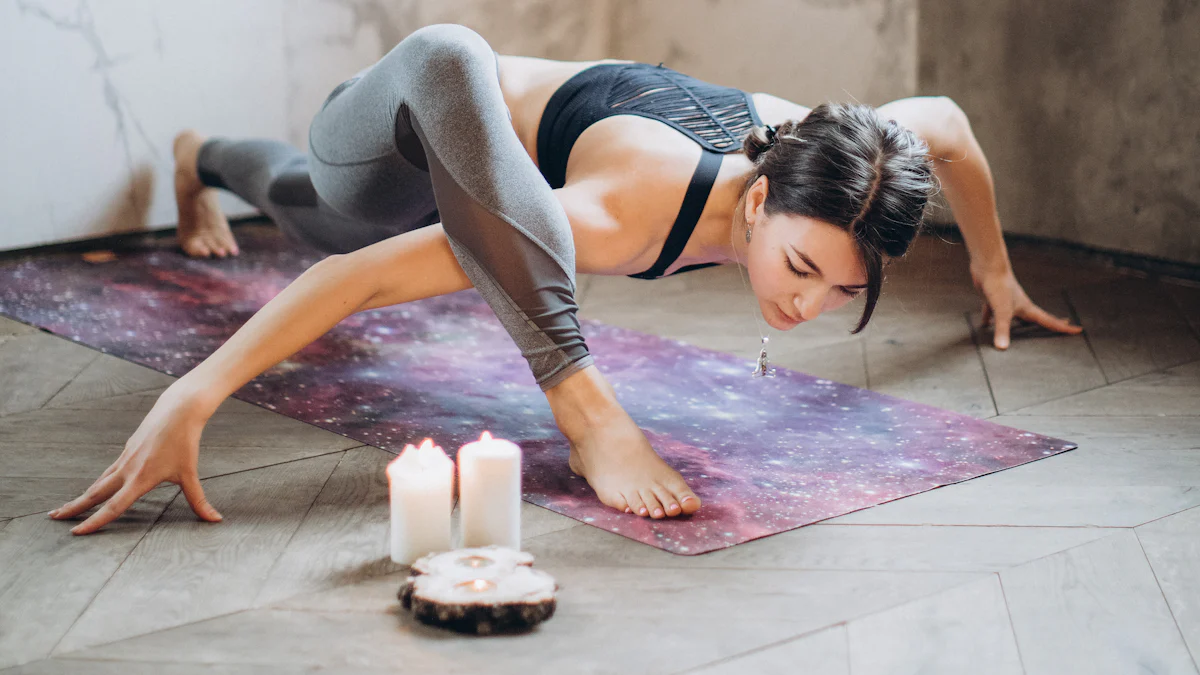
Shadow yoga incorporates unique techniques that distinguish it from other yoga practices. One of the most notable features is the use of preludes and asanas. Preludes serve as preparatory exercises that help students build strength, flexibility, and awareness. These movements often include circular and spiraling patterns, which are designed to free the peripheral body of energetic obstructions. By engaging in these dynamic sequences, practitioners prepare themselves for more advanced hatha yoga practices.
The asanas in shadow yoga focus on warrior stances and sun salutation forms. These postures not only enhance physical strength but also promote mental clarity and focus. The combination of preludes and asanas creates a comprehensive practice that addresses both the physical and energetic aspects of the body. This approach allows practitioners to ignite their inner fire, paving the way for healing and meditation.
Emphasis on Breath and Energy Flow
Breath and energy flow play a crucial role in shadow yoga. Practitioners learn to synchronize their breath with movement, creating a harmonious flow of energy throughout the body. This emphasis on breath control helps to clear energetic blockages and enhance vitality. By focusing on the breath, students cultivate a deeper awareness of their body's energy, leading to improved concentration and mindfulness.
The practice of shadow yoga also highlights the importance of marma points, which are similar to acupuncture points. These points serve as gateways for energy flow, and understanding their role in yogic training is essential for achieving balance and harmony. Through the integration of breath and energy flow, shadow yoga offers a holistic approach that supports both physical and mental well-being.
Philosophical and Spiritual Elements
Focus on Self-Discovery and Awareness
Shadow yoga encourages practitioners to embark on a journey of self-discovery and awareness. The practice invites individuals to explore their inner selves and confront the shadows that hinder personal growth. By addressing these obstacles, students can achieve greater self-awareness and inner freedom. This focus on self-discovery aligns with the broader goals of yoga, which aim to unite the mind, body, and spirit.
The philosophical underpinnings of shadow yoga draw from ancient wisdom and modern understanding. Practitioners are encouraged to reflect on their experiences and insights, fostering a deeper connection with themselves and the world around them. This introspective approach empowers individuals to embrace their true potential and live more fulfilling lives.
Integration of Traditional Wisdom
Shadow yoga integrates traditional wisdom from various sources, including Hatha Yoga, Ayurveda, and martial arts. This blend of ancient practices provides a rich foundation for the practice, offering practitioners a unique perspective on achieving balance and harmony. The teachings of shadow yoga emphasize the importance of understanding one's constitution and energy flow, which are key principles in Ayurveda.
The influence of martial arts contributes to the discipline and precision required in shadow yoga. This integration of traditional wisdom creates a holistic approach that enhances both physical and mental well-being. By drawing from these diverse traditions, shadow yoga offers a comprehensive practice that resonates with individuals seeking a deeper connection with themselves and the universe.
Challenges and Criticisms
Misunderstandings and Misinterpretations
Common Misconceptions
Shadow yoga, with its unique blend of traditional practices, often faces misconceptions. Many people mistakenly view it as merely a fusion of yoga and martial arts. This misunderstanding arises from its incorporation of dynamic movements and the discipline found in martial arts. However, shadow yoga goes beyond this simplistic view. It integrates ancient wisdom from Hatha Yoga, Ayurveda, and other spiritual traditions to offer a holistic approach to personal growth.
Some practitioners also misinterpret the emphasis on marma points, thinking of them as mere physical pressure points. In reality, these points play a crucial role in energy flow and balance within the body. Understanding their significance requires a deeper exploration of yogic principles, which shadow yoga aims to provide.
"When I first heard about this system through one of my peers, I had been doing tai chi and qi gong classes for a year alongside my existing Ashtanga Mysore practice, and it had transformed it for the better." - Anonymous Contributor
Addressing Criticisms
Critics often question the authenticity of shadow yoga due to its modern adaptations. They argue that these changes dilute the traditional essence of yoga. However, shadow yoga practitioners emphasize that these adaptations aim to make the practice accessible to a broader audience while preserving its core principles. By integrating contemporary teaching methods, shadow yoga ensures that students receive a comprehensive education that respects its rich heritage.
Instructors address these criticisms by highlighting the practice's roots in ancient traditions. They emphasize the importance of understanding the body's energy and the role of marma points in yogic training. This focus on energy flow and balance aligns with the foundational aspects of shadow yoga, ensuring that students receive a holistic experience.
Balancing Tradition and Modernity
Preserving Authenticity
Preserving the authenticity of shadow yoga remains a priority for its practitioners. They strive to maintain the practice's traditional roots while adapting to the needs of modern students. This balance involves a careful integration of ancient wisdom with contemporary practices. By doing so, shadow yoga offers a unique perspective on achieving balance and harmony in life.
Teachers emphasize the importance of understanding one's constitution and energy flow, which are key principles in Ayurveda. This knowledge helps practitioners connect with their inner selves and remove the shadows that hinder personal growth. Through this integration, shadow yoga provides a path to self-discovery and enlightenment.
"I truly feel complete in my training. The edge of the blade honed. Such is the power and skillful intelligence as teachers that these two wonderful and generous human beings possess." - Anonymous Contributor
Adapting to Contemporary Needs
Adapting shadow yoga to contemporary needs involves embracing modern technology and teaching methods. Instructors now offer online classes and workshops, making the practice accessible to a global audience. This digital presence ensures that shadow yoga continues to thrive in the modern yoga culture, reaching students who may not have access to local studios or retreats.
The practice's emphasis on rhythmic breathing, kriya, and bandha coordination further enhances its appeal. These techniques free the body of energetic blockages and ignite the inner fire, promoting personal growth and inner freedom. By adapting to contemporary needs, shadow yoga remains relevant and impactful in today's fast-paced world.
Future Directions
Potential Developments in Shadow Yoga
Innovations in Practice and Teaching
Shadow yoga continues to evolve, with practitioners exploring new ways to enhance its practice and teaching methods. Instructors focus on refining techniques that align with the body's natural energy flow. They emphasize the importance of marma points, which play a crucial role in balancing energy. This focus helps students achieve a deeper understanding of their physical and mental states.
Innovations in teaching methods also contribute to the growth of shadow yoga. Teachers incorporate modern technology to create interactive learning experiences. Online platforms offer virtual classes, allowing students to engage with instructors from anywhere in the world. This approach makes shadow yoga more accessible and appealing to a broader audience.
Expanding Global Reach
The global reach of shadow yoga continues to expand as more people discover its benefits. Practitioners from diverse backgrounds embrace its holistic approach to personal growth. The practice's emphasis on self-discovery and energy flow resonates with individuals seeking a deeper connection with themselves and the universe.
Yoga studios and retreats worldwide incorporate shadow yoga into their offerings. This integration enriches the diverse landscape of modern yoga practices. As a result, shadow yoga attracts a growing number of students who appreciate its unique blend of traditional wisdom and contemporary techniques.
Continuing Influence on Yoga Practices
Evolving Role in Yoga Communities
Shadow yoga plays an evolving role in yoga communities around the world. Its distinctive techniques and philosophies influence the way yoga is taught and practiced. Instructors emphasize the importance of understanding the body's energy and the role of marma points in yogic training. This focus aligns with the foundational aspects of shadow yoga, ensuring that students receive a comprehensive education.
Yoga communities recognize the value of shadow yoga in promoting personal growth and inner freedom. The practice encourages students to explore their inner selves and remove the shadows that hinder their progress. This holistic approach fosters a deeper connection between mind, body, and spirit.
Contributions to Holistic Health
Shadow yoga contributes significantly to holistic health by addressing both physical and mental well-being. Practitioners learn to synchronize their breath with movement, creating a harmonious flow of energy throughout the body. This emphasis on breath control helps clear energetic blockages and enhance vitality.
The practice also highlights the importance of marma points, which serve as gateways for energy flow. Understanding their role in yogic training is essential for achieving balance and harmony. Through the integration of breath and energy flow, shadow yoga offers a holistic approach that supports overall health and wellness.
Shadow Yoga, rooted in the ancient practices of Hatha Yoga, has evolved into a unique system that integrates rhythmic breathing, kriya, and bandha coordination. This evolution represents a renaissance of classical yoga, aiming to free the body of energetic obstructions and prepare practitioners for advanced practices. Its distinctive use of dynamic sequences, or preludes, builds strength and stability, offering a step-by-step approach to personal growth. Shadow Yoga's influence in modern yoga culture is significant, providing a holistic path to self-discovery and enlightenment. As it continues to adapt and expand globally, its relevance and potential for future development remain strong.
See Also
Exploring The Foundations And Principles Of Shadow Yoga
Examining The Historical Background Of Patanjali's Yoga Sutras
Unraveling The Beginnings Of Isha Yoga Practices
Hi my name is Lia and i am your host in this yoga journey in Portugal, Subscribe to our newsletter to receive every week the best of Yoga in Portugal.

We bring back the importance of initiation into womanhood by Roos-Veerle Krijnen & Ella-June Henrard
Welcome to the Women’s Initiation Retreat by Naked Truth Retreats, a transformative journey into the depths of your True Feminine Nature. This retreat invites you to remember the sacredness and wholeness of your being.
Roos-Veerle Krijnen & Ella-June Henrard