Navigating Love in the Yoga Studio

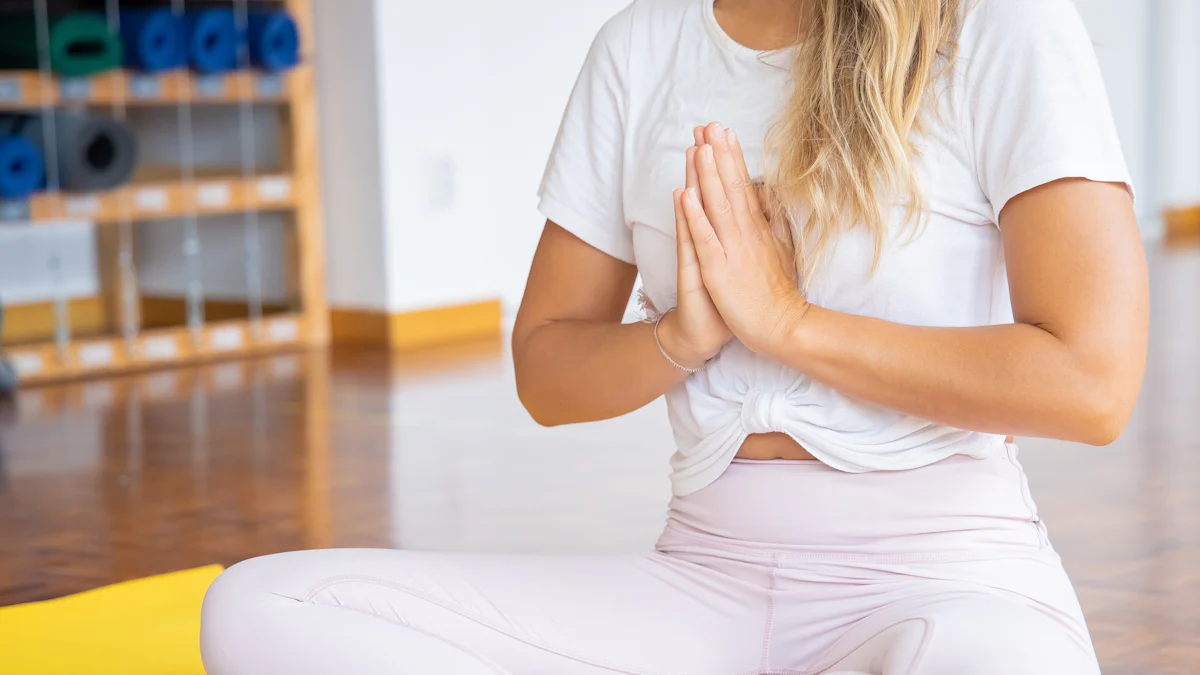
Navigating love in the yoga studio can be a delicate dance. You might find yourself drawn to someone in this serene space, where physical proximity and emotional vulnerability often intertwine. The intimate setting of yoga classes can sometimes blur the lines between personal and professional boundaries. It's crucial to maintain professionalism while exploring these romantic dynamics. How do you manage a romantic yoga teacher relationship without compromising the integrity of your practice? This question invites you to reflect on the balance between heart and discipline in such unique environments.
Understanding the Yoga Studio Environment
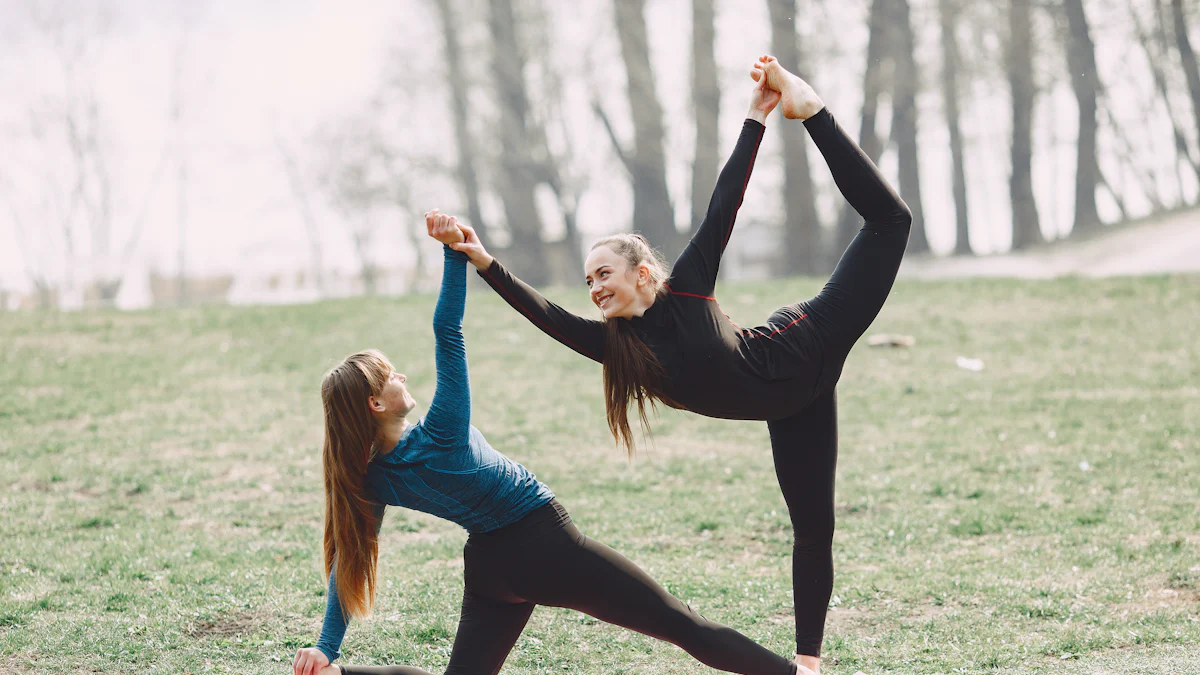
Yoga studios offer a unique environment where personal growth and community thrive. As you step into this space, you might notice how the atmosphere fosters both physical and emotional connections. Let's explore what makes the yoga studio environment so special.
The Intimate Nature of Yoga Classes
Yoga classes often bring people together in close proximity. This closeness can lead to a sense of emotional vulnerability. You might find yourself sharing a mat with someone who becomes more than just a fellow practitioner. The shared experience of moving through poses and breathing in unison can create a bond that feels almost magical.
Physical Proximity and Emotional Vulnerability
In a yoga class, you often find yourself in close quarters with others. This physical closeness can naturally lead to emotional openness. You might feel more comfortable letting your guard down, allowing yourself to be seen and understood. Keola's experience highlights how yoga can help you process emotions and build close friendships. By practicing together, you can heal and grow, creating a supportive environment where vulnerability is welcomed.
Community and Connection
Yoga studios often foster a strong sense of community. You become part of a group that shares similar values and goals. This connection can lead to meaningful relationships, both platonic and romantic. As you engage with others, you might find that the bonds formed in the studio extend beyond the mat, enriching your life in unexpected ways.
The Role of Trust and Respect
Trust and respect are the cornerstones of any healthy relationship, especially in a yoga studio. These elements help create a safe space where everyone feels valued and supported.
Building a Safe Space
Creating a safe space in a yoga studio involves more than just physical safety. It requires emotional safety as well. You should feel comfortable expressing yourself without fear of judgment. This environment encourages you to explore your practice and your emotions, knowing that you are supported by those around you.
Teacher-Student Dynamics
The relationship between a yoga teacher and student is built on trust and respect. As a student, you place your trust in your teacher to guide you safely through your practice. This dynamic can sometimes lead to romantic feelings, especially if you admire your teacher's qualities. However, it's essential to maintain boundaries to ensure that the integrity of the practice remains intact. An anonymous contributor shared how they navigated their feelings for a student by adhering to yogic principles like truthfulness and compassion. By doing so, they upheld the professional standards expected in a yoga studio.
In understanding the yoga studio environment, you gain insight into the delicate balance of relationships within this space. Whether you're drawn to a romantic yoga teacher or simply seeking connection, it's crucial to navigate these dynamics with care and respect.
Psychological Aspects of Attraction
In the yoga studio, you might notice how mindfulness and presence can influence attraction. This environment encourages you to be in the moment, which can heighten your awareness and emotional openness. Let's dive into how these psychological aspects play a role in forming connections.
The Influence of Mindfulness and Presence
Mindfulness in yoga isn't just about focusing on your breath or poses. It's about being fully present, which can open you up emotionally. This heightened awareness can make you more receptive to the people around you.
Heightened Awareness and Emotional Openness
When you practice mindfulness, you become more aware of your surroundings and your emotions. This awareness can lead to a deeper connection with others. You might find yourself more open to forming bonds, as mindfulness encourages curiosity and kindness. Studies have shown that mindfulness can reduce anxiety and improve mental health, making you more comfortable in social settings. This openness can create a fertile ground for attraction to blossom.
The Appeal of Shared Values
In a yoga class, you often share values with those around you. These shared beliefs can strengthen your connection with others. You might find yourself drawn to someone who shares your commitment to personal growth and well-being. This common ground can make relationships feel more meaningful and fulfilling.
Transference and Projection
Sometimes, the feelings you develop in a yoga studio aren't just about the person in front of you. They can be influenced by transference and projection, where you project your emotions onto others.
Understanding Emotional Responses
Transference occurs when you transfer feelings from one person to another. In a yoga setting, you might project admiration or affection onto a romantic yoga teacher. This can happen because the teacher embodies qualities you value. Recognizing this can help you understand your emotional responses and navigate them more effectively.
Recognizing Personal Needs
Projection involves attributing your own feelings to someone else. In the yoga studio, you might see qualities in others that reflect your personal needs. By recognizing this, you can better understand what you're seeking in relationships. This awareness can guide you in forming healthier connections.
Understanding these psychological aspects can help you navigate the complexities of attraction in the yoga studio. Whether you're drawn to a romantic yoga teacher or a fellow practitioner, being mindful of these dynamics can lead to more meaningful relationships.
Power Dynamics in Romantic Yoga Teacher-Student Relationships
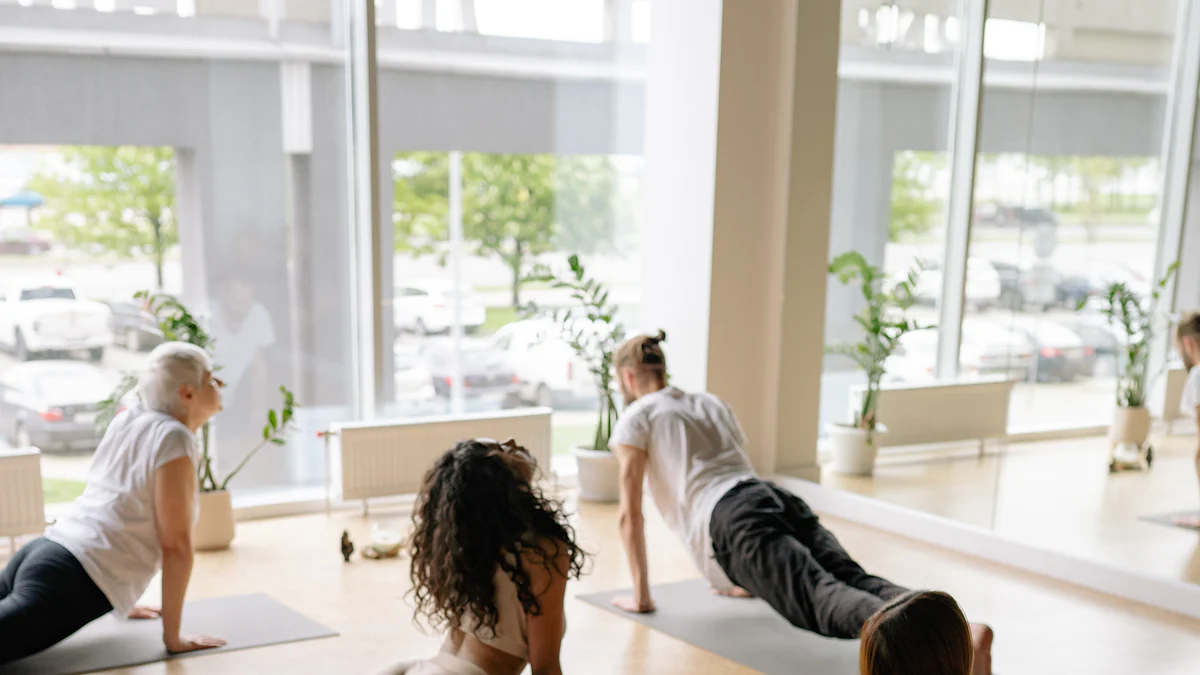
Navigating the power dynamics in romantic relationships between yoga teachers and students can be tricky. Understanding these dynamics helps maintain a healthy and respectful environment in the yoga studio.
The Teacher's Position of Authority
As a yoga teacher, you hold a position of authority. This role comes with responsibilities that extend beyond guiding students through poses.
Ethical Considerations
Ethics play a crucial role in maintaining professionalism. Yoga Ethics Experts emphasize that ethics are vital in the fitness and health field. As a teacher, you must uphold ethical standards to ensure trust and respect in your relationships. This means avoiding any actions that could exploit your position or make students uncomfortable. By adhering to ethical guidelines, you create a safe and supportive space for everyone.
Balancing Power and Responsibility
Balancing power and responsibility requires mindfulness. You have the power to influence your students' experiences and emotions. It's essential to use this power wisely. Encourage open communication and respect personal boundaries. This approach fosters a positive learning environment where students feel valued and empowered.
The Student's Perspective
From a student's perspective, navigating feelings of admiration for a teacher can be challenging. It's important to recognize these feelings and understand how they fit into the teacher-student dynamic.
Navigating Feelings of Admiration
Admiring your yoga teacher is natural. They guide you through your practice and inspire personal growth. However, it's crucial to keep these feelings in check. Reflect on what draws you to your teacher and consider how these qualities can enhance your own practice. This self-awareness helps you maintain a healthy perspective on your admiration.
Maintaining Autonomy
Maintaining autonomy in the yoga studio is vital. While you may admire your teacher, remember that your practice is your own. Focus on your personal growth and goals. This mindset empowers you to make decisions that align with your values and needs. By prioritizing your autonomy, you contribute to a balanced and respectful teacher-student relationship.
Understanding the power dynamics in romantic yoga teacher-student relationships helps you navigate these connections with integrity. Whether you're a teacher or a student, recognizing these dynamics ensures a respectful and supportive environment for everyone involved.
Practical Advice for Managing Relationships
Navigating relationships in a yoga studio requires mindfulness and intention. Whether you're a teacher or a student, setting boundaries and managing romantic feelings can help maintain a healthy environment. Let's explore some practical advice to guide you through these dynamics.
Setting Clear Boundaries
Boundaries are essential in any relationship, especially in a yoga studio. They help protect your personal space and maintain professionalism.
Communicating Expectations
Start by clearly communicating your expectations. If you're a teacher, let your students know what behaviors are acceptable in your class. As a student, express your comfort levels with your teacher and peers. Open communication fosters mutual respect and understanding. Judith Hanson Lasater, a respected voice in the yoga community, emphasizes the importance of awareness and protection for everyone involved. By discussing expectations, you create a safe space for all.
Establishing Professional Limits
Professional limits are crucial in maintaining decorum. Teachers should avoid actions that could blur the lines between personal and professional relationships. This includes refraining from engaging in romantic relationships with students. If feelings develop, seek counsel before proceeding. Ethical guidelines suggest observing proper decorum both inside and outside of class. This approach ensures that the integrity of the practice remains intact.
Handling Romantic Feelings
Romantic feelings can arise in the yoga studio. It's important to handle them with care and self-awareness.
Self-Reflection and Awareness
Take time for self-reflection. Ask yourself why you're drawn to a romantic yoga teacher or fellow student. Consider whether these feelings align with your personal values and goals. Self-awareness helps you understand your emotions and make informed decisions. Reflecting on your feelings can also reveal insights into your personal needs and desires.
Seeking Guidance and Support
If you're struggling with romantic feelings, seek guidance and support. Talk to a trusted friend, mentor, or counselor. They can offer perspective and advice on how to navigate your emotions. Remember, you're not alone in this journey. Many people have faced similar situations and can provide valuable insights. Seeking support helps you manage your feelings while maintaining the integrity of your practice.
By setting clear boundaries and handling romantic feelings with care, you can navigate relationships in the yoga studio effectively. Whether you're a teacher or a student, these strategies will help you maintain a respectful and supportive environment.
Maintaining Professionalism and Personal Growth
In the yoga studio, professionalism and personal growth go hand in hand. As you navigate relationships, it's crucial to uphold ethical conduct while embracing opportunities for self-improvement. Let's explore how you can achieve this balance.
The Importance of Ethical Conduct
Ethical conduct forms the backbone of a professional yoga environment. As a teacher or student, you play a vital role in maintaining this integrity.
Upholding Professional Standards
You should always strive to uphold professional standards in the yoga studio. This means respecting others, maintaining decorum, and providing a safe space for everyone. As a yoga teacher, your ethics are crucial for a successful career. By teaching with authenticity and values, you encourage students to engage in their practice wholeheartedly. Yoga Ethics Experts emphasize that being fair, honest, kind, and compassionate is essential. These qualities not only enhance your reputation but also foster a positive learning environment.
Prioritizing Student Well-being
Prioritizing student well-being is a key aspect of ethical conduct. You should guide students with kindness and compassion, avoiding any negative behavior. This approach ensures that students feel valued and supported in their practice. By focusing on their well-being, you create a nurturing environment where everyone can thrive. Remember, your role as a teacher extends beyond instruction; it involves caring for the holistic development of your students.
Embracing Personal Development
Personal growth is an ongoing journey. In the yoga studio, you have the opportunity to learn from experiences and foster healthy relationships.
Learning from Experiences
Every experience in the yoga studio offers a chance for growth. Reflect on your interactions and consider what they teach you about yourself and others. Whether you're a romantic yoga teacher or a student, these insights can guide your personal development. By learning from experiences, you become more self-aware and better equipped to navigate future challenges.
Fostering Healthy Relationships
Healthy relationships are built on mutual respect and understanding. In the yoga studio, you can foster these connections by being open and communicative. Engage with others in a way that honors their individuality and supports their growth. This approach not only enriches your practice but also strengthens the community around you. By fostering healthy relationships, you contribute to a positive and supportive environment for everyone involved.
In maintaining professionalism and embracing personal growth, you create a harmonious balance in the yoga studio. Whether you're navigating relationships or focusing on self-improvement, these principles will guide you toward a fulfilling and rewarding practice.
Navigating love in the yoga studio requires a delicate balance of professionalism and personal growth. You play a crucial role in maintaining a respectful environment by upholding ethics and clear boundaries. This approach not only enhances your credibility but also fosters trust and openness. Embrace personal growth by reflecting on your experiences and learning from them. As you navigate romantic dynamics, let empathy guide your actions. Compassion leads to meaningful connections and enriches your practice. Approach these relationships with integrity and kindness, ensuring a harmonious and supportive yoga community.
See Also
A Beginner's Journey Into Vinyasa Yoga Explained
Discovering The Perfect Yoga Studio: A Helpful Guide
Exploring The Impact Of Sasa Yoga On Relationships

Hi my name is Lia and i am your host in this yoga journey in Portugal, Subscribe to our newsletter to receive every week the best of Yoga in Portugal.

We bring back the importance of initiation into womanhood by Roos-Veerle Krijnen & Ella-June Henrard
Welcome to the Women’s Initiation Retreat by Naked Truth Retreats, a transformative journey into the depths of your True Feminine Nature. This retreat invites you to remember the sacredness and wholeness of your being.
Roos-Veerle Krijnen & Ella-June Henrard