Restorative Yoga Poses for Deep Relaxation

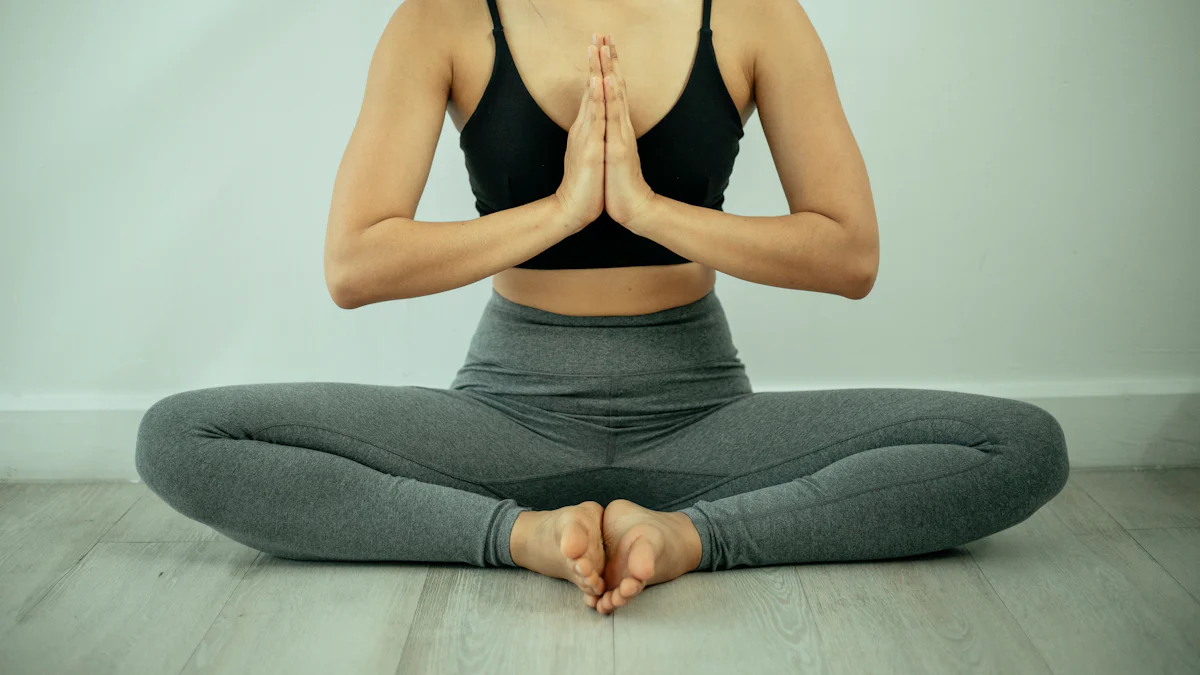
Restorative yoga invites you to slow down and embrace stillness. This meditative practice focuses on deep relaxation, helping you release stress and tension. By holding poses for extended periods, your body can fully relax, promoting a sense of calm and balance. To practice effectively, create a serene space free from distractions. Use props like bolsters, blankets, or straps to support your body comfortably. Focus on slow, mindful breathing to deepen your relaxation. Listen to your body’s needs and adjust poses as necessary. Restorative yoga poses offer a gentle yet powerful way to nurture your mind and body.
Key Takeaways
Restorative yoga promotes deep relaxation by encouraging stillness and mindfulness, helping to release stress and tension.
Creating a calming environment is crucial; choose a quiet space, use soft lighting, and consider aromatherapy to enhance your practice.
Utilize props like bolsters and blankets to support your body in poses, allowing for greater comfort and deeper relaxation.
Focus on mindful breathing techniques, such as the 4-7-8 method, to calm your nervous system and enhance the relaxation response.
Incorporate restorative poses like Child’s Pose and Corpse Pose into your routine to nurture both your body and mind.
Avoid common mistakes such as rushing through poses or neglecting props, as these can hinder the effectiveness of your practice.
Regular practice of restorative yoga can lead to improved physical health, emotional balance, and a greater sense of well-being.
Benefits of Restorative Yoga
Restorative yoga offers a wealth of benefits that nurture both your body and mind. By embracing this gentle practice, you can unlock a deeper sense of well-being and balance in your daily life.
Physical Benefits
Restorative yoga helps your body heal and rejuvenate. Holding poses for extended periods allows your muscles to release tension and your joints to relax. This practice is gentle on your body, making it ideal if you experience chronic pain or stiffness. Studies show that restorative yoga can reduce musculoskeletal pain and improve flexibility over time.
This form of yoga also supports your immune system. By calming your nervous system, it lowers cortisol levels, which can otherwise weaken your immunity. Regular practice may even enhance digestion by reducing stress-related disruptions in your gut. If you struggle with sleep, restorative yoga can promote better rest by relaxing your body and preparing it for deep, restorative sleep.
Mental and Emotional Benefits
Restorative yoga doesn’t just benefit your body—it also nurtures your mind. The slow, meditative nature of this practice helps calm your thoughts and reduce stress. Research highlights its ability to lower cortisol levels, which are often linked to anxiety and depression. By practicing restorative yoga, you can foster a sense of emotional balance and stability.
This practice also encourages mindfulness. Focusing on your breath and the sensations in your body helps you stay present, which can improve your mental clarity and cognitive function. Over time, restorative yoga can help you manage anxiety, alleviate symptoms of depression, and cultivate a greater sense of inner peace.
“Restorative yoga teaches conscious relaxation of both body and mind, promoting calm and balance in your daily life.”
By incorporating restorative yoga poses into your routine, you can experience profound physical and emotional transformations. This practice empowers you to take control of your well-being and embrace a more peaceful, centered life.
Essential Tips for Effective Practice
Restorative yoga offers a sanctuary for your mind and body, but practicing it effectively requires thoughtful preparation. By following these essential tips, you can create an experience that nurtures relaxation and promotes well-being.
Setting Up a Calming Environment
Your environment plays a crucial role in restorative yoga. Begin by choosing a quiet space where you feel safe and undisturbed. Dim the lights or use candles to create a soothing ambiance. A comfortable temperature is essential—too cold or too warm can distract you from fully relaxing.
Consider adding elements that promote tranquility, such as soft music or nature sounds. Some practitioners find that aromatherapy enhances their practice. Scents like lavender or chamomile can help calm your mind and deepen your relaxation. Think of this space as your personal retreat—a place where you can let go of stress and reconnect with yourself.
“With a jam-packed agenda during the week, you may need to carve out some time to slow things down just a bit. Restorative yoga can do that for you.”
Using Props for Support
Props are the cornerstone of restorative yoga. They provide the support your body needs to relax into each pose without strain. Common props include bolsters, blankets, blocks, and straps. These tools help you maintain proper alignment and ensure comfort during long holds.
For example, when practicing restorative yoga poses like Child’s Pose or Reclined Bound Angle Pose, a bolster under your hips or back can make a significant difference. Blankets can cushion sensitive areas, while straps can assist in maintaining gentle stretches. By using props, you allow your body to release tension and settle into a state of deep rest.
“I fell in love with restorative yoga—a deliciously yummy practice where I could gently move my tired body, but with the support of comfortable props to help me feel completely supported, beautifully nurtured, and best of all, deeply rested.”
Focusing on Breathwork
Breathwork is the heart of restorative yoga. Slow, mindful breathing helps calm your nervous system and enhances the relaxation response. Start by inhaling deeply through your nose, allowing your belly to rise. Exhale slowly, releasing tension with each breath.
A simple technique to try is the 4-7-8 method: inhale for four counts, hold for seven, and exhale for eight. This pattern encourages your body to shift into a state of rest and recovery. When you focus on your breath, you anchor yourself in the present moment, creating a sense of peace and clarity.
“Through the emphasis on passive stretching and mindfulness, restorative yoga offers a powerful antidote to the strains of modern life.”
By setting up a calming environment, using props for support, and focusing on your breath, you can elevate your restorative yoga practice. These tips empower you to embrace stillness and unlock the full benefits of this transformative practice.
Restorative Yoga Poses for Deep Relaxation
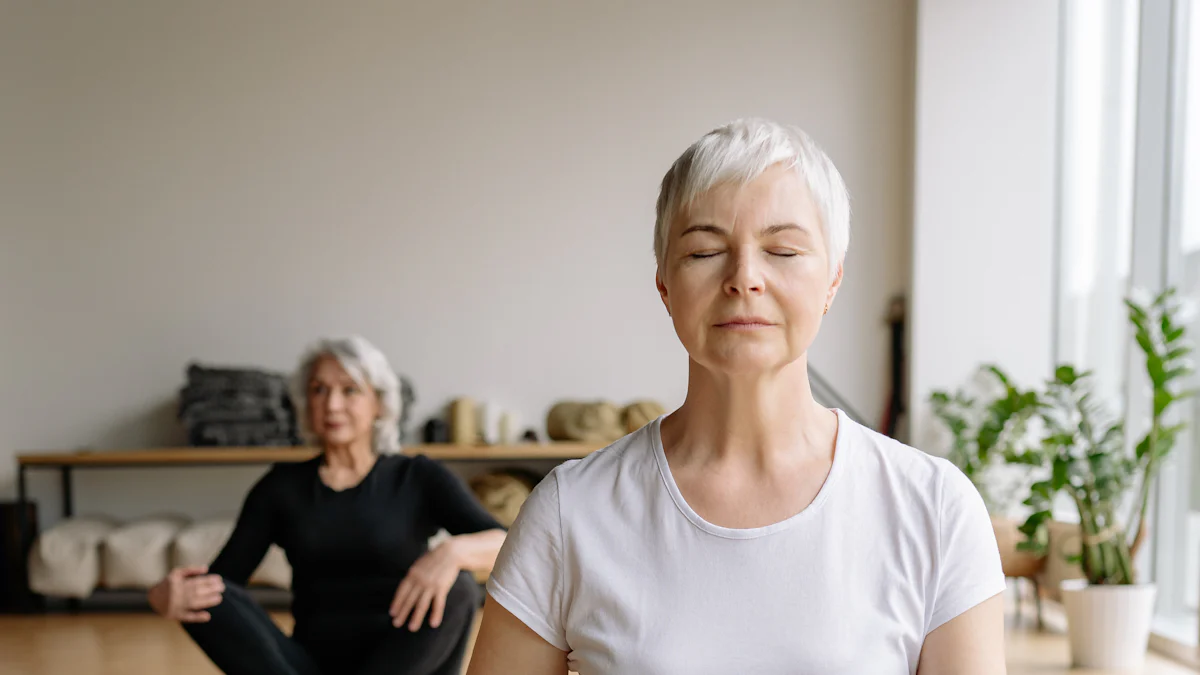
Restorative yoga poses provide a gateway to deep relaxation and inner peace. These poses encourage your body to release tension while calming your mind. By incorporating these into your practice, you can create a sanctuary of stillness and renewal.
Child’s Pose (Balasana)
Child’s Pose offers a gentle stretch for your back, hips, and thighs. This pose invites you to surrender and let go of stress. Begin by kneeling on the floor and sitting back on your heels. Lower your torso forward, resting your forehead on the mat. Extend your arms in front of you or let them rest alongside your body.
To enhance comfort, place a bolster under your chest or a blanket beneath your knees. Hold this pose for several minutes, allowing your breath to deepen. As you exhale, feel your lower back and hips soften.
Rebecca Pacheco, a yoga instructor, emphasizes that restorative yoga prioritizes stillness and relaxation. Child’s Pose embodies this principle, helping you connect with a calmer state of mind.
This pose nurtures your body and mind, making it a perfect starting point for your restorative yoga journey.
Reclined Bound Angle Pose (Supta Baddha Konasana)
Reclined Bound Angle Pose opens your hips and chest while promoting relaxation. Lie on your back and bring the soles of your feet together, letting your knees fall open to the sides. Use blocks or bolsters under your knees for support. Place a folded blanket under your head and neck for added comfort.
This pose encourages your body to release tension in the hips and groin. Focus on slow, steady breathing. With each exhale, feel your chest expand and your shoulders relax.
A yoga instructor notes that this pose, also known as Reclined Goddess Pose, can be adapted into a restorative posture by placing a bolster at the back of your pelvis to support your spine.
Reclined Bound Angle Pose invites you to embrace stillness and reconnect with your breath, fostering a sense of balance and ease.
Legs-Up-The-Wall Pose (Viparita Karani)
Legs-Up-The-Wall Pose is a restorative favorite that soothes your nervous system and relieves tired legs. Sit sideways against a wall and swing your legs up as you lower your back onto the floor. Adjust your distance from the wall to find a comfortable position. Place a bolster or folded blanket under your hips for gentle elevation.
This pose encourages blood flow from your legs back to your heart, reducing swelling and fatigue. Close your eyes and focus on your breath. Inhale deeply, and as you exhale, feel your entire body relax into the support of the floor.
A yoga expert highlights that this pose improves digestion, calms the nervous system, and lowers blood pressure, making it an excellent choice for stress relief.
Legs-Up-The-Wall Pose offers a profound sense of calm, making it a powerful tool for deep relaxation.
By practicing these restorative yoga poses, you can create a space for healing and renewal. Each pose invites you to slow down, breathe deeply, and embrace the present moment.
Supported Bridge Pose (Setu Bandhasana)
Supported Bridge Pose offers a gentle lift that opens your chest, stretches your spine, and strengthens your core. This pose invites you to release tension in your lower back while promoting relaxation. Begin by lying on your back with your knees bent and feet flat on the floor, hip-width apart. Place a bolster, block, or folded blanket under your sacrum for support. Rest your arms alongside your body with palms facing up.
As you settle into the pose, allow your body to relax into the support beneath you. Focus on your breath. Inhale deeply, feeling your chest expand. Exhale slowly, letting your shoulders and hips soften. This pose encourages a sense of grounding and stability, helping you feel more connected to your body.
Sarah Klein, a yoga instructor, highlights that this pose can stretch and release hip flexors, strengthen the abs, and lengthen the low back when practiced with clarity.
Supported Bridge Pose is a restorative yoga favorite for its ability to calm the nervous system and create a sense of balance. Hold this pose for several minutes, allowing your body to fully embrace the stillness.
Corpse Pose (Savasana)
Corpse Pose, or Savasana, is the ultimate restorative yoga pose. It allows your body and mind to completely relax and reset. Lie flat on your back with your legs extended and arms resting comfortably at your sides. Use props like a bolster under your knees or a blanket over your body to enhance comfort.
Close your eyes and focus on your breath. Let each inhale bring a sense of renewal, and each exhale release any lingering tension. Allow your body to feel heavy as it sinks into the mat. This pose encourages deep relaxation and helps you connect with a calmer state of mind.
Rebecca Pacheco, a yoga instructor, emphasizes that restorative yoga prioritizes stillness, relaxation, and a calmer state of mind. Savasana embodies these principles perfectly.
Savasana is often the final pose in restorative yoga practices, offering a moment of profound peace. Stay in this pose for 5–20 minutes, letting your body absorb the benefits of your practice. When you’re ready, gently wiggle your fingers and toes, roll to one side, and slowly rise to a seated position.
By incorporating Supported Bridge Pose and Corpse Pose into your routine, you can deepen your restorative yoga practice. These poses provide a sanctuary for your body and mind, helping you release stress and embrace tranquility.
Common Mistakes to Avoid
Rushing Through Poses
Restorative yoga thrives on stillness and patience. Rushing through poses undermines the essence of this practice. When you move too quickly, your body doesn’t have enough time to release tension or fully relax. Each pose is designed to nurture your body and mind, but this only happens when you allow yourself to settle into the posture.
Take your time. Hold each pose for at least 5–20 minutes. Let your breath guide you into deeper relaxation. Remember, restorative yoga is not about achieving a perfect pose. It’s about creating space for rest and renewal. By slowing down, you give your body the opportunity to heal and your mind the chance to find peace.
“Restorative yoga is more effective for inducing relaxation than regular passive stretching,” according to research. This highlights the importance of embracing stillness and avoiding haste.
Neglecting Props
Props are not optional in restorative yoga—they are essential. They provide the support your body needs to relax completely. Without them, you may strain your muscles or feel discomfort, which defeats the purpose of the practice. Neglecting props can also make it harder to hold poses for extended periods.
Use bolsters, blankets, blocks, or straps to enhance your comfort. For example, a bolster under your knees in Savasana can relieve pressure on your lower back. Blankets can cushion sensitive areas, while straps help maintain gentle stretches. Props allow your body to feel supported, so you can focus on your breath and relaxation.
A yoga expert once shared, “I fell in love with restorative yoga because the props made me feel completely supported and deeply rested.” Embrace props as tools for self-care and comfort.
Forgetting to Breathe
Breathwork is the foundation of restorative yoga. Forgetting to breathe mindfully can limit the benefits of your practice. Shallow or irregular breathing keeps your nervous system in a state of alertness, preventing you from fully relaxing. Deep, intentional breaths, on the other hand, calm your mind and body.
Focus on slow, steady breathing throughout your practice. Inhale deeply through your nose, letting your belly rise. Exhale slowly, releasing tension with each breath. Techniques like the 4-7-8 method can help you stay present and relaxed. Your breath is your anchor—it connects your body and mind, guiding you toward a state of tranquility.
Scientific studies confirm that deep breathing calms the nervous system and promotes relaxation. By prioritizing your breath, you unlock the full potential of restorative yoga.
Avoiding these common mistakes ensures that your restorative yoga practice remains effective and fulfilling. Take your time, use props generously, and stay connected to your breath. These small adjustments can transform your practice, helping you experience the profound benefits of restorative yoga.
Practicing in a Distracting Environment
Your environment shapes the quality of your restorative yoga practice. A noisy or cluttered space can disrupt your focus and prevent you from fully relaxing. To create a sanctuary for your mind and body, you need to minimize distractions and cultivate a peaceful atmosphere.
Start by choosing a quiet room where interruptions are unlikely. Turn off your phone or place it in another room to avoid notifications pulling you out of the moment. If external noise is unavoidable, use calming background music or white noise to mask it. Soft instrumental tunes or nature sounds can help you stay centered.
Clutter in your space can also affect your mental state. A tidy, organized area promotes calmness and clarity. Remove unnecessary items from your practice space. Keep only the essentials, like your yoga mat, props, and perhaps a candle or diffuser for ambiance. A clean environment allows your mind to settle more easily.
Lighting plays a significant role in setting the mood. Bright lights can feel harsh and overstimulating. Dim the lights or use candles to create a soothing glow. If you practice during the day, draw the curtains slightly to soften natural light. Comfortable lighting helps signal your body to relax.
Temperature matters too. A room that’s too cold or too warm can make it hard to focus. Adjust the thermostat or use a blanket to ensure you feel cozy. Comfort is key to staying present in your practice.
“Restorative yoga thrives in an environment that invites stillness and serenity. By eliminating distractions, you create a space where your mind and body can truly unwind.”
When you practice in a calm and distraction-free environment, you enhance the benefits of restorative yoga. This intentional setup allows you to immerse yourself in the poses, deepen your breath, and embrace the tranquility that this practice offers.
Restorative yoga offers you a pathway to deep relaxation and renewal. Through supported poses, mindful breathing, and a serene environment, this practice nurtures both your body and mind. By embracing stillness, you allow yourself to release tension and find balance in your daily life.
Incorporate restorative yoga into your routine to experience improved physical health and emotional well-being. Let it become your sanctuary—a space to reconnect with yourself and recharge.
“Take a moment to unwind and restore—your mind and body deserve it.” Start today, and discover the peace that awaits within you.
See Also
Top Yoga Poses to Aid Post-Exercise Recovery
Beginner-Friendly Yoga Poses for New Practitioners
Essential Yoga Poses Every Beginner Should Learn

Hi my name is Lia and i am your host in this yoga journey in Portugal, Subscribe to our newsletter to receive every week the best of Yoga in Portugal.

We bring back the importance of initiation into womanhood by Roos-Veerle Krijnen & Ella-June Henrard
Welcome to the Women’s Initiation Retreat by Naked Truth Retreats, a transformative journey into the depths of your True Feminine Nature. This retreat invites you to remember the sacredness and wholeness of your being.
Roos-Veerle Krijnen & Ella-June Henrard