How to Qualify as a Yoga Teacher in Australia


Becoming a yoga teacher in Australia requires dedication and specific qualifications. You must complete a minimum of a 200-hour yoga teacher training course. This certification is crucial for your professional credibility and opens up numerous career opportunities. In Australia, organisations like Yoga Alliance Australia and Yoga Australia play a significant role in the certification process. They ensure that you meet the rigorous standards necessary for teaching yoga. These certifications not only enhance your professional recognition but also provide you with the necessary insurance and liability coverage.
Understanding Yoga Teacher Qualifications
Basic Requirements
To embark on your journey as a yoga teacher in Australia, you must meet certain basic requirements. These prerequisites ensure that you are well-prepared to undertake the responsibilities of teaching yoga.
Age and Educational Prerequisites
You need to be at least 18 years old to enrol in a yoga teacher training programme. This age requirement ensures that you possess the maturity necessary for understanding and imparting yoga teachings. While there are no strict educational prerequisites, having a basic understanding of human anatomy and physiology can be beneficial. This knowledge aids in comprehending the physical aspects of yoga practice and helps you guide your students safely.
Personal Practice Experience
Before you start teaching, it is essential to have a solid foundation in personal yoga practice. You should have practised yoga consistently for at least one year. This experience allows you to develop a deep understanding of yoga postures, breathing techniques, and meditation. Your personal practice forms the basis of your teaching, enabling you to share authentic insights with your students.
Importance of Certification
Certification plays a pivotal role in establishing your credibility as a yoga teacher. It not only validates your skills but also opens doors to various professional opportunities.
Professional Recognition
Obtaining certification from recognised bodies like Yoga Alliance Australia or Yoga Australia enhances your professional standing. These organisations set rigorous standards for yoga teacher training, ensuring that you receive comprehensive education. Certification from these bodies signifies that you have met these high standards, making you a credible and trustworthy yoga teacher.
Insurance and Liability
Certification also provides you with access to essential insurance and liability coverage. As a yoga teacher, you are responsible for the safety and well-being of your students. Having the appropriate insurance protects you from potential legal issues that may arise during your teaching career. It gives you peace of mind, allowing you to focus on delivering quality yoga instruction.
Types of Yoga Teacher Training Programmes
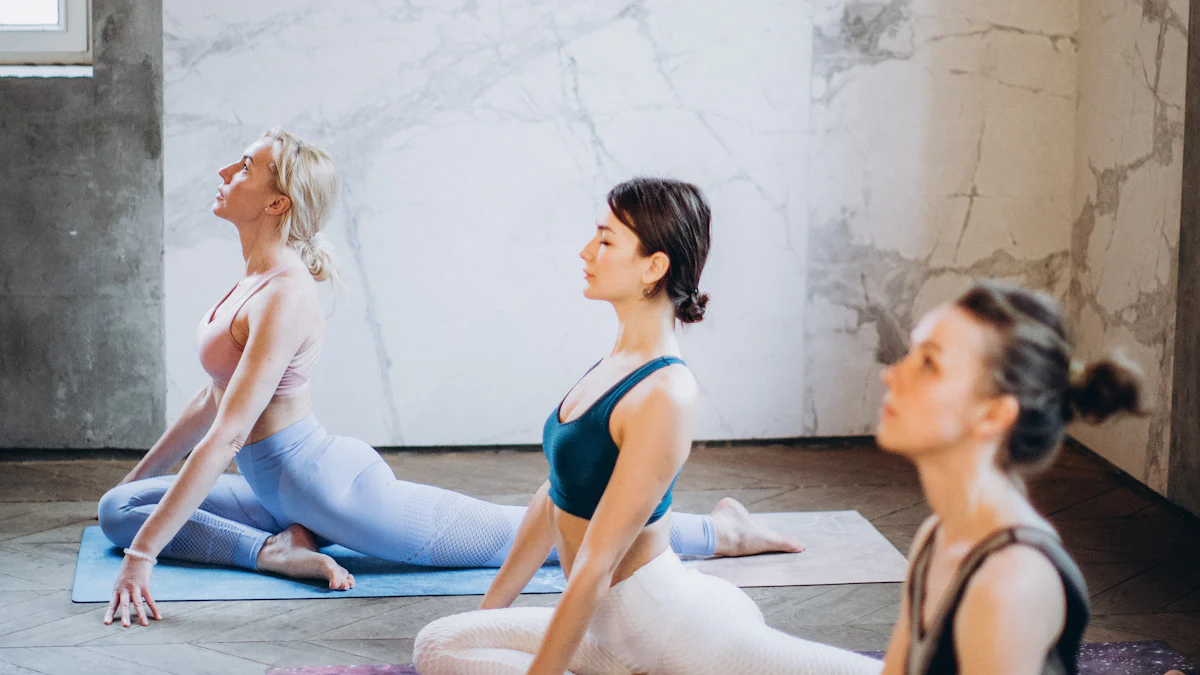
Embarking on the path to becoming a yoga teacher in Australia involves choosing the right training programme. You have several options, each offering unique benefits and recognition. Understanding these programmes helps you make an informed decision that aligns with your career goals.
Yoga Alliance Australia Certification
Overview of Yoga Alliance Standards
Yoga Alliance Australia sets high standards for yoga teacher training. These standards ensure that you receive comprehensive education in various aspects of yoga, including asana (poses), pranayama (breathing techniques), meditation, yoga philosophy, and anatomy. Completing a programme accredited by Yoga Alliance Australia signifies that you have undergone rigorous training, equipping you with the necessary skills to teach yoga effectively. Samyama Yoga, an expert in yoga teaching legal requirements, emphasises the importance of these comprehensive courses, which cover essential elements of yoga practice.
Benefits of Global Recognition
One of the significant advantages of obtaining certification from Yoga Alliance Australia is the global recognition it provides. This certification opens doors to teaching opportunities not only in Australia but also internationally. As a certified teacher, you gain credibility and trust from students and employers worldwide. This global recognition enhances your professional profile, allowing you to connect with a broader yoga community and explore diverse teaching environments.
Yoga Australia Certification
National Standards and Requirements
Yoga Australia offers certification that adheres to national standards, ensuring that you meet the specific requirements needed to teach yoga within the country. This certification focuses on maintaining high-quality teaching practices and upholding the integrity of yoga as a discipline. Kriya Software, a leader in yoga teacher certification programmes, highlights Yoga Australia as one of the top organisations conducting certification programmes for aspiring yoga teachers.
Advantages of Local Recognition
Choosing Yoga Australia certification provides you with the advantage of local recognition. This certification is highly regarded within Australia, making it easier for you to establish your teaching career in the local market. It connects you with a network of professionals and resources that support your growth as a yoga teacher. Local recognition also ensures that you are well-versed in the cultural and community aspects of teaching yoga in Australia, enhancing your ability to engage with students effectively.
Steps to Becoming a Certified Yoga Teacher
Embarking on the journey to become a certified yoga teacher in Australia involves several crucial steps. Each step is designed to equip you with the necessary skills and knowledge to teach yoga effectively and safely.
Choosing the Right Training Programme
Selecting the appropriate training programme is a pivotal decision in your yoga teaching career. You must consider various factors to ensure that the programme aligns with your personal and professional goals.
Factors to Consider
When choosing a training programme, evaluate the curriculum, the reputation of the institution, and the qualifications of the instructors. Look for programmes that offer a comprehensive understanding of yoga, including its spiritual and therapeutic dimensions. Consider the programme's alignment with recognised standards, such as those set by Yoga Alliance Australia, which ensures rigorous training and comprehensive education.
Researching Accredited Schools
Researching accredited schools is essential to find a programme that meets high standards. Look for schools that are accredited by reputable organisations like Yoga Alliance Australia. Accreditation signifies that the school adheres to recognised standards, providing you with quality education and training. Explore reviews and testimonials from former students to gain insights into their experiences and the school's reputation.
Completing the Training
Once you have chosen a suitable programme, the next step is to complete the training. This phase involves immersing yourself in the curriculum and meeting the requirements for certification.
Curriculum and Duration
The curriculum typically covers various aspects of yoga, including asanas, pranayama, meditation, anatomy, and philosophy. The duration of the training can vary, but most programmes require a minimum of 200 hours. This comprehensive training ensures that you develop a deep understanding of yoga practice and teaching methodologies.
Assessment and Certification
Assessment is a crucial part of the training process. You will undergo evaluations to demonstrate your understanding and proficiency in yoga. Successful completion of these assessments leads to certification, validating your skills and knowledge as a yoga teacher. Certification from a recognised body enhances your credibility and opens up professional opportunities.
Gaining Practical Experience
Practical experience is vital in honing your teaching skills and building confidence. Engaging in teaching practice and continuing education helps you grow as a yoga teacher.
Teaching Practice
Teaching practice allows you to apply what you have learned in a real-world setting. You can start by teaching friends or volunteering at local studios. This experience helps you develop your teaching style and gain valuable feedback from students.
Continuing Education
Continuing education is essential for staying updated with the latest developments in yoga. Attend workshops, seminars, and advanced training courses to deepen your knowledge and skills. Engaging with the yoga community and participating in ongoing learning opportunities fosters personal growth and enhances your teaching capabilities.
Career Prospects for Yoga Teachers in Australia
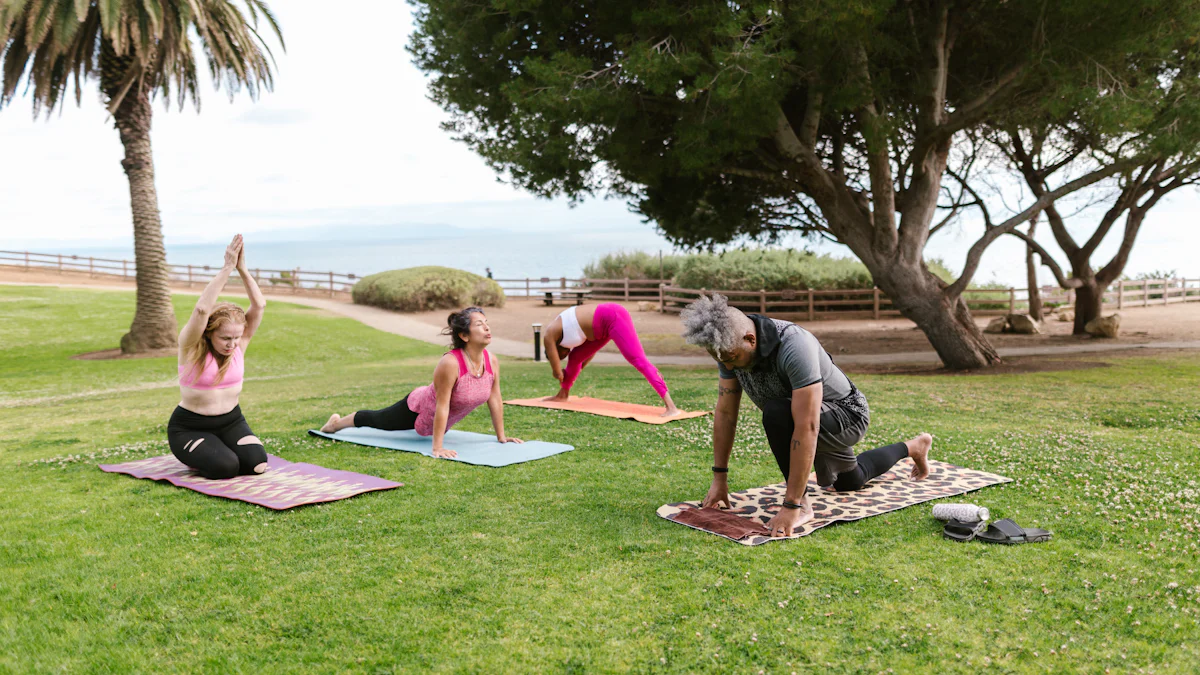
Employment Opportunities
As a yoga teacher in Australia, you have a variety of employment opportunities to explore. These opportunities allow you to share your passion for yoga while building a rewarding career.
Studios and Fitness Centres
Yoga studios and fitness centres are popular venues for yoga teachers. You can work as an instructor, leading classes for groups of varying skill levels. Studios often offer a range of yoga styles, providing you with the chance to specialise in a particular type of yoga. Fitness centres may also incorporate yoga into their wellness programmes, offering you additional teaching opportunities.
Private and Corporate Classes
Private and corporate classes present another avenue for employment. You can offer personalised sessions to individuals or small groups, tailoring the practice to meet specific needs. Corporate classes are increasingly in demand as businesses recognise the benefits of yoga for employee well-being. Teaching in these settings allows you to reach a diverse audience and expand your professional network.
Potential Earnings
Understanding the potential earnings as a yoga teacher in Australia helps you set realistic financial goals. Several factors influence your income, and being aware of these can guide your career decisions.
Factors Influencing Income
Your income as a yoga teacher depends on various factors. Experience and qualifications play a significant role; more experienced teachers with advanced certifications often command higher rates. The location where you teach also impacts earnings. Cities like Melbourne offer higher salaries due to the cost of living and demand for yoga classes. Additionally, the type of classes you offer, such as specialised workshops or retreats, can affect your income.
Average Salary Expectations
On average, yoga teachers in Australia earn around $101,618 per year, which equates to approximately $51.97 per hour. However, salaries can vary widely. In Melbourne, for instance, yoga instructors can earn an average of $104,530 annually. According to ZipRecruiter, the average annual salary for a yoga instructor is about $62,526. These figures provide a general idea of what you might expect to earn, but actual earnings will depend on your unique circumstances and career choices.
Challenges and Rewards of a Yoga Teaching Career
Common Challenges
Building a Client Base
As a yoga teacher, you may find building a client base challenging. Establishing yourself in the community requires time and effort. You need to connect with potential students and demonstrate your skills and passion for yoga. Networking plays a crucial role. Engaging with local studios, attending yoga events, and participating in community activities can help you reach more people. One yoga teacher shared how they found a teaching position in Brisbane by first being a dedicated student and making friends at the studio. This approach highlights the importance of building relationships within the yoga community.
Maintaining Work-Life Balance
Maintaining a work-life balance can be another challenge. As a yoga teacher, you might juggle multiple classes, workshops, and personal practice. This busy schedule can lead to burnout if not managed well. Prioritising self-care is essential. Ensure you allocate time for relaxation and personal interests outside of teaching. One instructor expressed the internal highs and lows they experienced, realising the importance of respecting their own limits. Balancing your professional and personal life helps you stay energised and passionate about teaching.
Rewards of the Profession
Personal Fulfilment
Teaching yoga offers immense personal fulfilment. You have the opportunity to share your passion and inspire others on their transformational journeys. Guiding students through their practice allows you to witness their growth and resilience. One yoga teacher described the satisfaction of helping students discover their inner strength and cultivate a sense of peace. This rewarding aspect of teaching contributes to your own emotional well-being and personal growth.
Impact on Students' Lives
The impact you have on your students' lives is profound. Yoga provides them with a space to cope with life's challenges and improve their well-being. An anonymous yoga teacher shared how students often express gratitude for the stability and support yoga brings to their lives. Your guidance helps them navigate personal struggles and enhances their overall quality of life. The relationships you build with your students can last a lifetime, fostering a sense of community and mutual support.
Tips for Aspiring Yoga Teachers
Building a Personal Brand
Creating a personal brand as a yoga teacher is essential. It distinguishes you from others and attracts students who resonate with your style.
Developing a Unique Teaching Style
Your teaching style should reflect your personality and values. Focus on what makes your approach to yoga special. Perhaps you have a knack for explaining complex poses in simple terms or a passion for integrating mindfulness into your sessions. Emphasise these strengths. Consistency in your teaching style builds trust and loyalty among your students. Remember, authenticity is key. Students appreciate teachers who are genuine and passionate about their craft.
Marketing and Networking
Marketing your services effectively is crucial. Use social media platforms to showcase your classes and share insights about yoga. Create engaging content that highlights your expertise and connects with your audience. Networking with other yoga professionals can also open doors to new opportunities. Attend yoga events and workshops to meet like-minded individuals. Collaborating with other teachers or studios can expand your reach and enhance your reputation in the yoga community.
Staying Updated with Industry Trends
The yoga industry constantly evolves. Staying informed about the latest trends ensures that your teaching remains relevant and engaging.
Attending Workshops and Seminars
Workshops and seminars offer valuable learning experiences. They provide insights into new techniques, styles, and philosophies. Participating in these events keeps your skills sharp and introduces you to innovative practices. You can also gain inspiration from experienced teachers and apply fresh ideas to your classes. Continuous learning demonstrates your commitment to personal and professional growth, which students find appealing.
Engaging with the Yoga Community
Being an active member of the yoga community enriches your teaching journey. Engage with fellow teachers and students through online forums, social media groups, or local meet-ups. Sharing experiences and exchanging knowledge fosters a sense of belonging and support. It also helps you stay informed about emerging trends and challenges in the industry. Building strong connections within the community enhances your credibility and provides a network of resources to draw upon throughout your career.
To become a yoga teacher in Australia, you need to follow key steps and meet specific qualifications. Completing a 200-hour training course is essential. This journey offers personal growth and professional opportunities. As a yoga teacher, you share your passion and inspire others on their transformational journeys. The career provides flexibility and the chance to deepen your practice. Continuous learning and adaptation are crucial in the evolving yoga industry. Embrace this fulfilling path, connect with the community, and engage in lifelong learning. Teaching yoga enriches your life and contributes positively to society.
See Also
Explore Yoga Classes Available In Bunbury, WA
Best Yoga Sessions Offered In Launceston, Tasmania
Ten Premier Yoga And Meditation Retreats In NSW

Hi my name is Lia and i am your host in this yoga journey in Portugal, Subscribe to our newsletter to receive every week the best of Yoga in Portugal.

We bring back the importance of initiation into womanhood by Roos-Veerle Krijnen & Ella-June Henrard
Welcome to the Women’s Initiation Retreat by Naked Truth Retreats, a transformative journey into the depths of your True Feminine Nature. This retreat invites you to remember the sacredness and wholeness of your being.
Roos-Veerle Krijnen & Ella-June Henrard