Qigong vs Yoga: Discover the Key Differences


Are you curious about the differences between qigong yoga? Understanding these distinctions can help you make informed choices for your personal practice. Both practices offer unique benefits, but they differ in several key areas. Qigong, with its roots in ancient China, emphasizes gentle, flowing movements and energy balance. Yoga, originating from India, focuses on static postures and flexibility. Breathing techniques, meditation styles, and energy systems also vary between the two. By exploring these differences, you can find the practice that best aligns with your goals and preferences.
Origins and History
Understanding the origins of qigong yoga can deepen your appreciation for these ancient practices. Both have rich histories that have shaped their development and influence today.
The Roots of Qigong
Ancient Chinese Origins
Qigong has its roots in ancient China, where it has been practiced for thousands of years. This holistic system was designed to enhance physical health, promote mental clarity, and deepen spiritual awareness. Over time, qigong evolved, absorbing influences from various spiritual and philosophical traditions, including Buddhism and Taoism. These influences helped shape qigong into a practice that not only focuses on physical well-being but also on cultivating inner peace and harmony.
Connection to Traditional Chinese Medicine
Qigong is deeply intertwined with Traditional Chinese Medicine (TCM). It emphasizes the balance and flow of Qi, or life force energy, within the body. Practitioners believe that by enhancing and balancing Qi, you can improve your overall health and vitality. This connection to TCM highlights qigong's role in maintaining health and preventing illness, making it a valuable practice for those seeking holistic wellness.
The Roots of Yoga
Ancient Indian Origins
Yoga originated in ancient India, where it was developed as a spiritual and physical discipline. Its primary aim was to prepare the body and mind for meditation, allowing practitioners to achieve a deeper connection with their inner selves and the universe. Over centuries, yoga has evolved into various styles and practices, each with its unique focus and benefits. Despite these variations, the core principles of yoga remain rooted in its ancient origins.
Connection to Hindu Philosophy
Yoga is closely linked to Hindu philosophy, which emphasizes the unity of mind, body, and spirit. This connection is evident in the practice's focus on achieving balance and harmony through physical postures, breath control, and meditation. By integrating these elements, yoga encourages you to cultivate mindfulness and self-awareness, helping you lead a more balanced and fulfilling life.
By exploring the origins and historical contexts of qigong and yoga, you can gain a deeper understanding of their unique qualities and benefits. This knowledge can guide you in choosing the practice that best aligns with your personal goals and preferences.
Physical Practices
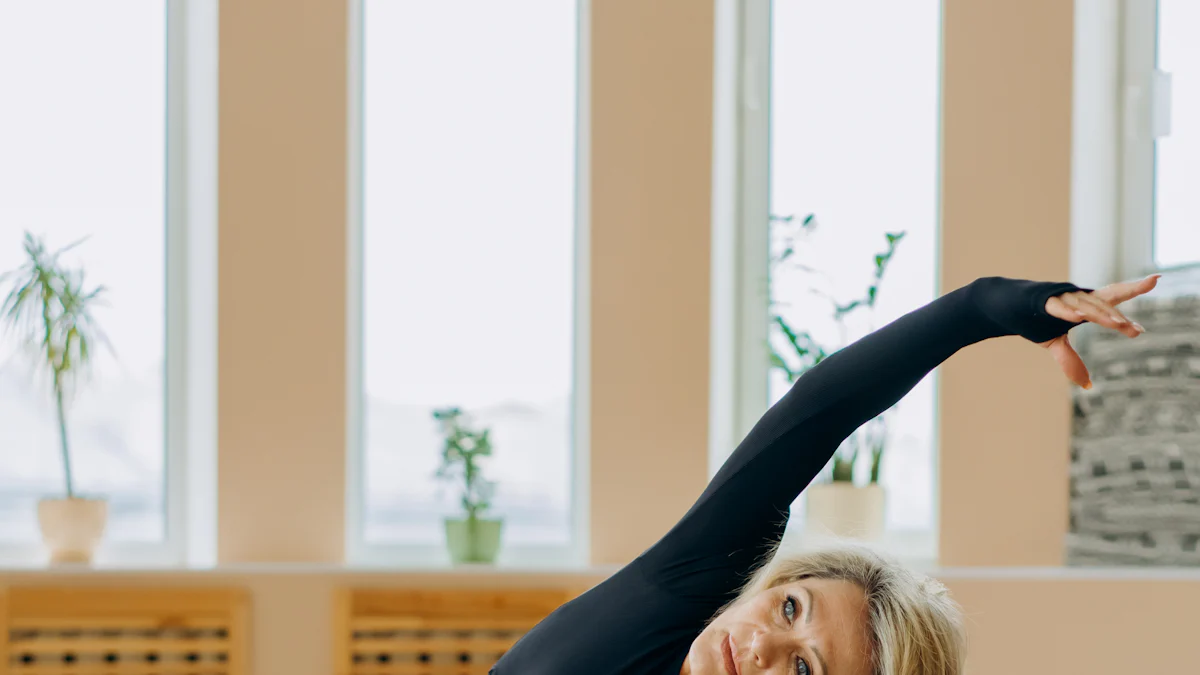
When you dive into the physical practices of qigong and yoga, you'll notice distinct differences that cater to various needs and preferences. Let's explore what sets these two apart.
Qigong Movements
Qigong movements are all about gentle, flowing movements. Imagine moving like water, smooth and continuous. This practice focuses on developing a relaxed and effortless flow, which is easy on your joints and muscles. It's often described as "meditation in motion," where each movement is synchronized with your breath. This creates a harmonious balance of energy within your body. You might find qigong particularly appealing if you're looking for a practice that emphasizes energy flow and balance without putting too much strain on your body.
Yoga Asanas
In contrast, yoga asanas involve static postures and dynamic sequences. Here, you hold poses for longer periods, which helps build strength and flexibility. Yoga began as a spiritual practice aimed at preparing the body for seated meditation. Over time, it evolved to include a variety of postures that challenge your muscles and improve your balance. If you're seeking a practice that enhances your physical strength and flexibility, yoga might be the right choice for you. The emphasis on holding poses can also help you develop concentration and mindfulness.
Both qigong and yoga offer unique benefits through their physical practices. Whether you prefer the gentle flow of qigong or the strength-building poses of yoga, each practice provides a path to enhance your well-being. By understanding these differences, you can choose the practice that aligns best with your personal goals and lifestyle.
Breathing Techniques
Breathing is a vital part of both qigong and yoga, but each practice approaches it in its own unique way. Let's dive into how these techniques can benefit you.
Qigong Breathing
Deep, Slow, and Rhythmic Breathing
In qigong, breathing is all about being deep, slow, and rhythmic. You focus on taking long, deliberate breaths that help calm your mind and body. This type of breathing can reduce stress and lower blood pressure. Studies have shown that qigong can calm the sympathetic nervous system and stimulate the parasympathetic response, which may reduce the risk of heart disease and stroke. By practicing this breathing technique, you can experience a sense of tranquility and relaxation.
Integration with Movement
Qigong seamlessly integrates breathing with movement. Each breath is synchronized with gentle, flowing motions, creating a harmonious balance within your body. This integration helps open up areas where your qi, or life force energy, might be stagnant. As a result, you can increase the flow of qi through relaxation. This practice not only enhances your physical health but also promotes mental clarity and emotional well-being.
Yoga Pranayama
Various Techniques for Breath Control
Yoga offers a variety of pranayama techniques for breath control. These techniques range from simple breath awareness to more advanced practices like alternate nostril breathing. Each method serves a specific purpose, whether it's calming your mind, energizing your body, or improving your focus. By exploring different pranayama techniques, you can find the ones that resonate with you and support your personal goals.
Focus on Breath Awareness and Regulation
In yoga, the focus is on breath awareness and regulation. You learn to pay attention to your breath, noticing its rhythm and depth. This awareness helps you develop a deeper connection with your body and mind. By regulating your breath, you can enhance your concentration and mindfulness. This practice not only supports your physical health but also fosters a sense of inner peace and balance.
Both qigong and yoga offer valuable breathing techniques that can enhance your overall well-being. Whether you prefer the deep, rhythmic breathing of qigong or the diverse pranayama practices of yoga, each approach provides unique benefits. By understanding these differences, you can choose the practice that best aligns with your needs and preferences.
Meditation
Meditation plays a crucial role in both qigong and yoga, offering you a pathway to inner peace and mental clarity. Let's explore how each practice approaches meditation.
Qigong Meditation
Focus on Energy Cultivation and Circulation
In qigong meditation, the focus lies on cultivating and circulating energy, known as "Qi." You engage in specific meditation techniques designed to enhance the flow of Qi throughout your body. This practice helps you achieve a state of deep relaxation and inner stillness. By concentrating on energy cultivation, qigong meditation can improve your overall well-being and reduce stress. Studies have shown that practicing qigong can lead to significant physiological changes, such as decreased cortisol levels and blood pressure, which help alleviate tension and stress.
Often Integrated with Movement
Qigong meditation often integrates with gentle movements, creating a harmonious blend of motion and stillness. This integration allows you to experience meditation in motion, where each movement is synchronized with your breath. The combination of movement and meditation enhances the flow of Qi, promoting a sense of tranquility and balance. As you practice, you may find that this approach not only benefits your physical health but also supports your mental clarity and emotional well-being.
Yoga Meditation
Focus on Mindfulness and Concentration
Yoga meditation emphasizes mindfulness and concentration. You learn to focus your attention inward, cultivating a deep awareness of your thoughts and emotions. This practice encourages you to develop a sense of mindfulness, helping you stay present in the moment. By concentrating on your breath and body, yoga meditation fosters a state of mental clarity and calmness. This focus on mindfulness can enhance your ability to manage stress and improve your overall quality of life.
Often Practiced in Stillness
Unlike qigong, yoga meditation is often practiced in stillness. You sit quietly, allowing your mind to settle and your body to relax. This stillness provides an opportunity for introspection and self-reflection. As you practice, you may find that this approach helps you cultivate a deeper connection with your inner self. The stillness of yoga meditation offers a space for you to explore your thoughts and emotions, promoting a sense of inner peace and balance.
Both qigong and yoga offer valuable meditation practices that can enhance your mental and emotional well-being. Whether you prefer the energy-focused meditation of qigong or the mindfulness-based approach of yoga, each practice provides unique benefits. By understanding these differences, you can choose the meditation style that best aligns with your personal goals and preferences.
Energy Systems
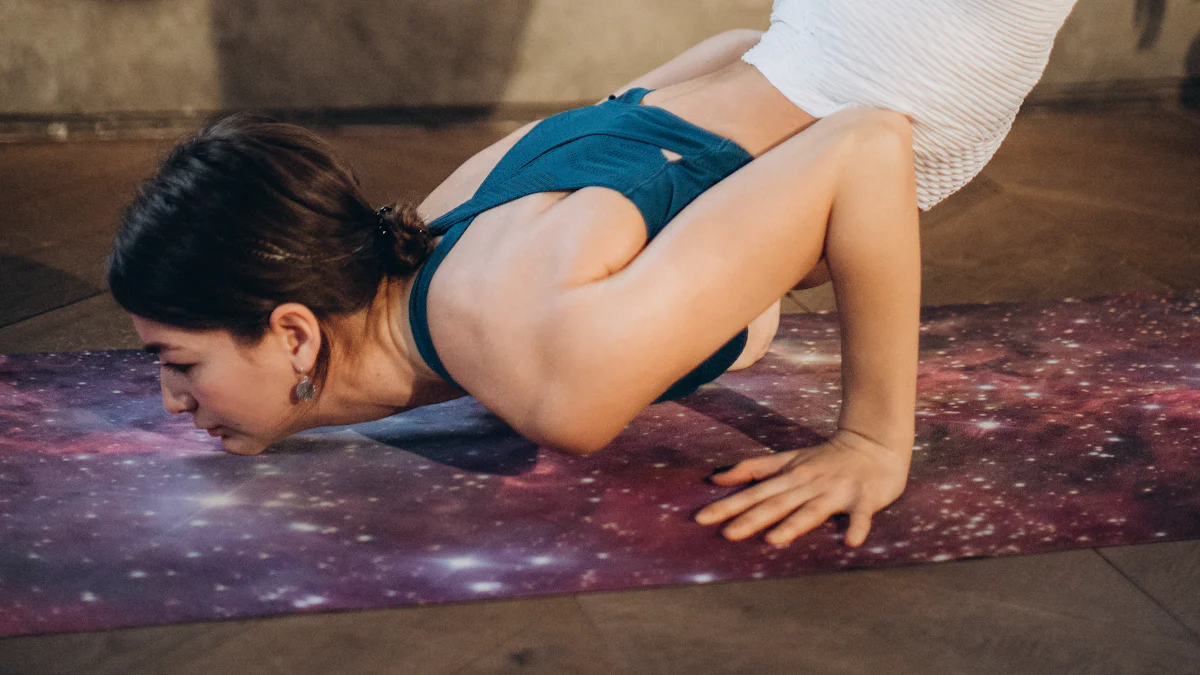
Understanding the energy systems in qigong and yoga can deepen your appreciation for these practices. Both focus on harnessing and balancing life force energy, but they approach it in unique ways.
Qigong's Qi
Concept of Life Force Energy
In qigong, the concept of Qi is central. Qi represents the life force energy that flows through your body. This energy is believed to sustain your physical and mental health. By cultivating Qi, you can enhance your vitality and overall well-being. The practice of qigong involves recognizing and nurturing this energy, ensuring it moves freely throughout your body.
Techniques to Enhance and Balance Qi
Qigong offers various techniques to enhance and balance Qi. These include coordinated body movements, breathing exercises, and meditation. Each technique aims to improve the flow of Qi, promoting harmony within your body. By practicing qigong, you can experience increased energy levels, reduced stress, and improved health. The gentle, flowing movements of qigong help you connect with your inner energy, fostering a sense of peace and balance.
Yoga's Prana
Concept of Vital Life Force
In yoga, the concept of Prana is similar to Qi. Prana is the vital life force that flows through your body, sustaining your health and vitality. Yoga teaches that by harnessing Prana, you can achieve a state of balance and harmony. This energy is essential for maintaining physical health and mental clarity. Understanding Prana can help you appreciate the depth of yoga's teachings.
Practices to Harness and Direct Prana
Yoga provides various practices to harness and direct Prana. These include breath control techniques, known as pranayama, and physical postures, or asanas. Each practice helps you connect with your inner energy, promoting a sense of balance and well-being. By focusing on Prana, you can enhance your physical strength, mental clarity, and spiritual awareness. Yoga encourages you to explore different techniques to find what resonates with you, helping you cultivate a deeper connection with your life force energy.
Both qigong and yoga offer valuable insights into the concept of life force energy. Whether you resonate more with the Qi of qigong or the Prana of yoga, each practice provides unique benefits. By understanding these energy systems, you can choose the practice that best aligns with your personal goals and preferences.
In wrapping up, it's clear that qigong yoga offers distinct paths to wellness. Qigong focuses on gentle, flowing movements and energy balance, while yoga emphasizes static postures and flexibility. Your personal goals and preferences play a crucial role in choosing between the two. Whether you seek tranquility through qigong or strength through yoga, both practices can enhance your well-being. Exploring both can help you discover what resonates with you. Remember, these practices are accessible to everyone, regardless of age or fitness level, and they can complement each other beautifully.
See Also
Exploring The Distinct Aspects Of Yoga And Qigong
Choosing Between Yoga And Pilates For Your Needs
Unveiling Yin Yoga: Benefits You Should Know

Hi my name is Lia and i am your host in this yoga journey in Portugal, Subscribe to our newsletter to receive every week the best of Yoga in Portugal.

We bring back the importance of initiation into womanhood by Roos-Veerle Krijnen & Ella-June Henrard
Welcome to the Women’s Initiation Retreat by Naked Truth Retreats, a transformative journey into the depths of your True Feminine Nature. This retreat invites you to remember the sacredness and wholeness of your being.
Roos-Veerle Krijnen & Ella-June Henrard