Qigong vs Yoga: Exploring Health Benefits

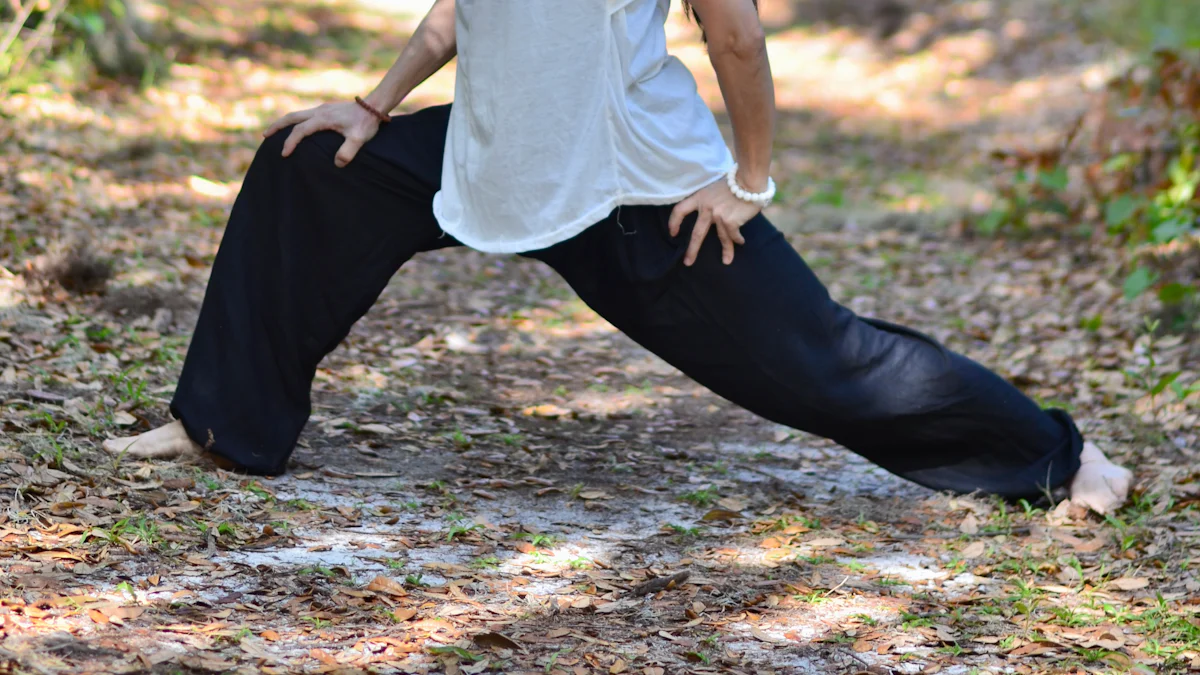
Qigong and yoga offer profound ways to enhance your well-being. Qigong, a mind-body-spirit practice, integrates posture, movement, and breathing techniques to improve mental and physical health. It resonates with existence, bringing stillness to your mind. Yoga, on the other hand, focuses on physical strength and flexibility while also reducing stress. Understanding the health benefits of qigong or yoga can empower you to make informed choices about your wellness journey. Both practices provide unique paths to achieving balance and vitality in your life.
Origins and Definitions
What is Qigong?
Historical Background
Qigong, an ancient Chinese practice, dates back thousands of years. It emerged as a vital component of traditional Chinese medicine. Practitioners developed Qigong to cultivate and balance life energy, known as "Qi." This practice evolved through various dynasties, each contributing unique techniques and philosophies. Over time, Qigong became integral to martial arts, health preservation, and spiritual development.
Core Principles
Qigong revolves around several core principles that guide its practice. At its heart, Qigong emphasizes the harmonious integration of posture, movement, and breathing techniques. You focus on aligning your body, mind, and spirit to enhance your overall well-being. The practice encourages self-awareness and mindfulness, allowing you to connect deeply with your inner self. Through regular practice, you can experience improved mental clarity, physical health, and emotional balance.
What is Yoga?
Historical Background
Yoga originated in ancient India over 5,000 years ago. It began as a spiritual discipline aimed at achieving harmony between the mind and body. The earliest references to yoga appear in the Rigveda, an ancient Indian text. Over centuries, yoga evolved into various forms and schools, each emphasizing different aspects of the practice. Today, yoga is recognized worldwide for its holistic approach to health.
Core Principles
Yoga's core principles focus on achieving balance and unity within yourself. The practice involves a combination of physical postures, breathing exercises, and meditation. You engage in asanas (postures) to build strength, flexibility, and endurance. Pranayama (breathing techniques) helps you control your breath and calm your mind. Meditation fosters inner peace and self-awareness. By embracing these principles, you can cultivate a sense of tranquility and vitality in your daily life.
Energy Concepts
Qigong's Energy Flow
Qi and Its Importance
In qigong, the concept of Qi (pronounced "chee") plays a central role. Qi represents the vital life force that flows through your body, influencing your physical and mental health. When Qi flows smoothly, you experience balance and vitality. Blockages or imbalances in Qi can lead to discomfort or illness. Understanding and nurturing this energy is essential for maintaining well-being.
Techniques to Enhance Qi
To enhance Qi, qigong incorporates several techniques:
Posture and Movement: You engage in gentle movements that align your body and promote the free flow of Qi. These movements are often slow and deliberate, allowing you to focus on the sensation of energy moving through your body.
Breathing Techniques: Deep, controlled breathing helps you regulate Qi. By focusing on your breath, you can calm your mind and enhance the flow of energy.
Self-Massage and Sound: Some qigong practices include self-massage and vocal sounds to stimulate energy flow and release tension.
Focused Intent: Your mental focus and intention play a crucial role in directing Qi. By concentrating on specific areas of your body, you can guide the energy where it's needed most.
These techniques work together to improve your mental and physical health, offering a holistic approach to wellness.
Yoga's Energy Flow
Prana and Its Importance
In yoga, the concept of Prana is similar to Qi. Prana refers to the life force or vital energy that sustains you. It flows through channels called nadis and is concentrated in energy centers known as chakras. Balanced Prana leads to physical health and mental clarity, while disruptions can cause stress or illness.
Techniques to Enhance Prana
Yoga offers various methods to enhance Prana:
Asanas (Postures): Practicing physical postures helps you open and balance the energy channels. Each pose is designed to stimulate different chakras and promote the flow of Prana.
Pranayama (Breathing Exercises): Controlled breathing exercises are fundamental in yoga. Techniques like Ujjayi or Kapalabhati help you regulate Prana, calming your mind and energizing your body.
Meditation: Through meditation, you can focus your mind and connect with your inner self. This practice enhances your awareness of Prana and helps you maintain its balance.
Mantras and Mudras: Chanting mantras and using hand gestures (mudras) can influence the flow of Prana, promoting harmony and peace.
By integrating these practices, yoga provides a comprehensive approach to enhancing your energy flow, contributing to overall health and well-being.
Both qigong or yoga offer unique paths to understanding and harnessing your body's energy. Whether you choose qigong or yoga, you can cultivate a deeper connection with your inner self and improve your quality of life.
Traditional and Modern Applications
Qigong Practices
Traditional Applications
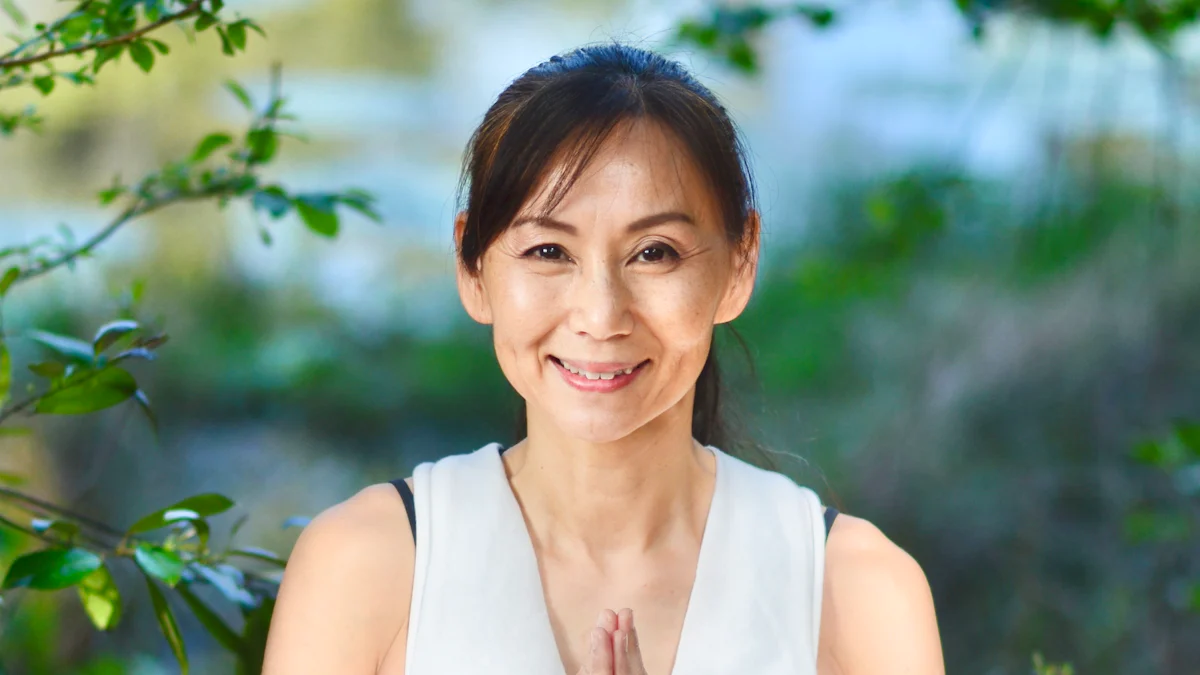
Qigong has deep roots in traditional Chinese culture. Historically, you would find it as a key component of traditional Chinese medicine. Practitioners used it to cultivate and balance life energy, known as Qi. This practice was integral to martial arts, health preservation, and spiritual development. You might have seen Qigong practiced in serene settings, where individuals engage in slow, deliberate movements. These movements align the body and mind, promoting the free flow of Qi. The practice also includes breathing techniques and meditation, which help you achieve mental clarity and emotional balance.
Modern Adaptations
In today's world, Qigong has adapted to fit modern lifestyles. You can now find Qigong classes in wellness centers and yoga studios. These classes often focus on stress reduction and overall well-being. For instance, Josh Medlin’s Qi Gong series at Lotus Wellness Center Yoga Studio offers a transformative experience. Participants describe feeling content and recognizing their essence. The movements feel effortless, akin to floating, embodying the concept of moving meditation. This modern approach makes Qigong accessible to everyone, allowing you to integrate its benefits into your daily life.
Yoga Practices
Traditional Applications
Yoga's origins trace back over 5,000 years to ancient India. Traditionally, it served as a spiritual discipline aimed at achieving harmony between the mind and body. You would engage in asanas (postures), pranayama (breathing exercises), and meditation to cultivate inner peace and self-awareness. Each aspect of yoga was designed to balance your energy and promote physical health. The practice emphasized unity within yourself, fostering a deep connection with your inner being.
Modern Adaptations
Today, yoga has evolved to meet the needs of contemporary society. You can find various styles of yoga, each offering unique benefits. Some focus on physical strength and flexibility, while others emphasize relaxation and stress relief. Modern yoga classes often incorporate music and props to enhance your experience. Many people practice yoga for its holistic approach to health and wellness. It provides a comprehensive workout that strengthens your body and calms your mind. Whether you seek physical fitness or mental tranquility, yoga offers a path to achieving your goals.
Both qigong or yoga have adapted to modern times, making them accessible and relevant to your lifestyle. Whether you choose qigong or yoga, you can experience their profound benefits. These practices offer unique paths to enhancing your well-being, allowing you to cultivate balance and vitality in your life.
Spiritual Foundations
Spiritual Aspects of Qigong
Philosophical Underpinnings
Qigong offers a profound spiritual journey that connects you with the essence of your being. At its core, Qigong is more than just a physical exercise; it is a practice in living and a moving meditation. This ancient discipline encourages you to resonate with existence, allowing you to experience satisfaction and achieve a state of contentment. By engaging in Qigong, you embark on a path that transcends the superficial, inviting you to explore the depths of your inner self. The philosophical basis of Qigong emphasizes harmony with nature and the universe, fostering a deep sense of interconnectedness.
Spiritual Practices
In Qigong, spiritual practices are integral to achieving balance and tranquility. You engage in meditative movements that align your body, mind, and spirit. These movements, often slow and deliberate, help you focus on the present moment, promoting mindfulness and self-awareness. Breathing techniques play a crucial role in Qigong, guiding you to regulate your energy flow and connect with your inner self. Through these practices, you cultivate a sense of peace and harmony, enhancing your overall well-being. Qigong invites you to embrace stillness and find serenity within the chaos of daily life.
Spiritual Aspects of Yoga
Philosophical Underpinnings
Yoga, like Qigong, offers a rich spiritual foundation that encourages self-discovery and inner peace. Originating from ancient India, yoga's philosophical underpinnings focus on achieving unity within yourself. This practice emphasizes the connection between the mind, body, and spirit, guiding you toward a harmonious existence. Yoga's teachings encourage you to explore your inner world, fostering a deep understanding of your true nature. By embracing yoga's principles, you embark on a journey of self-realization and spiritual growth.
Spiritual Practices
Yoga's spiritual practices are designed to nurture your inner self and promote a sense of tranquility. You engage in asanas (postures) that not only strengthen your body but also open energy channels, facilitating the flow of Prana. Breathing exercises, known as pranayama, help you control your breath and calm your mind, enhancing your awareness of the present moment. Meditation is a cornerstone of yoga, allowing you to connect with your inner self and cultivate inner peace. Through these practices, yoga provides a holistic approach to spiritual well-being, offering you a path to balance and vitality.
Both Qigong or yoga offer unique spiritual foundations that enrich your life. Whether you choose Qigong or yoga, you can embark on a journey of self-discovery and inner peace. These practices invite you to explore the depths of your being, fostering a profound connection with yourself and the world around you.
Health Benefits Comparison
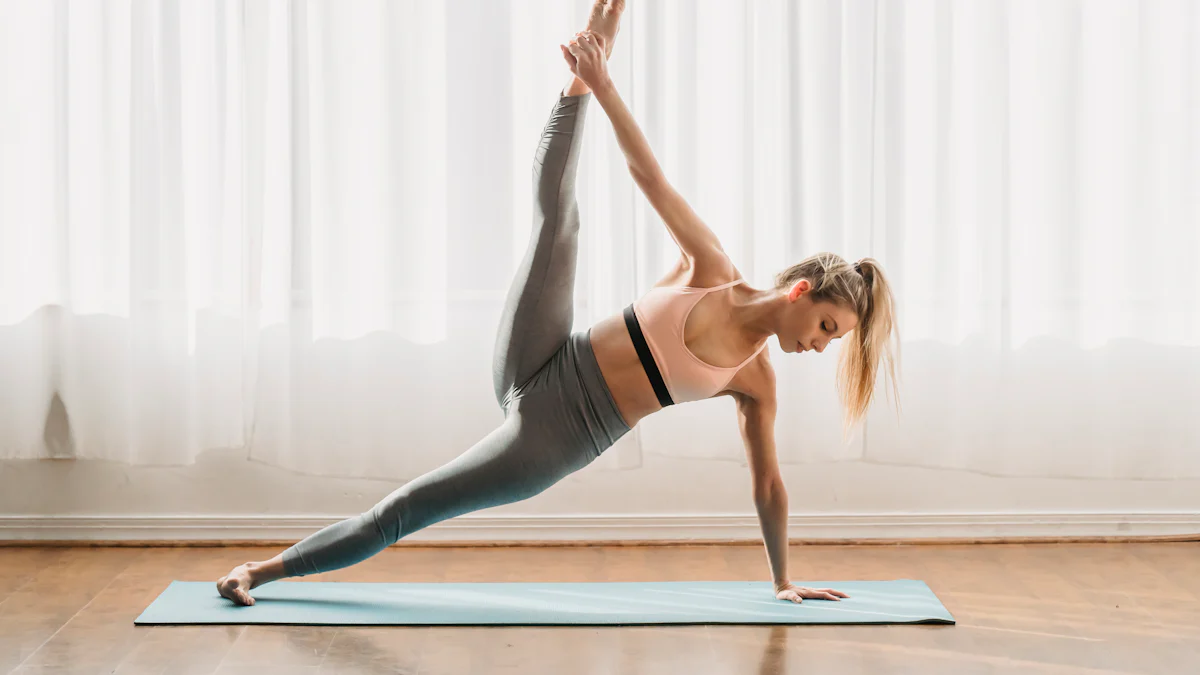
When you explore the health benefits of qigong or yoga, you'll find that both practices offer unique advantages for your physical and mental well-being. Understanding these benefits can help you decide which practice aligns best with your personal health goals.
Physical Health Benefits
Benefits of Qigong
Qigong provides numerous physical health benefits. By engaging in gentle movements and controlled breathing, you enhance your body's flexibility and strength. This practice improves your balance and coordination, reducing the risk of falls and injuries. Regular qigong sessions can boost your immune system, helping you ward off illnesses. The slow, deliberate movements promote circulation, ensuring that your body receives the oxygen and nutrients it needs to function optimally. Many practitioners report increased energy levels and a greater sense of vitality after incorporating qigong into their routine.
Benefits of Yoga
Yoga also offers significant physical health benefits. Through various asanas, you build muscle strength and improve your flexibility. These postures help you maintain a healthy weight and support joint health. Yoga enhances your cardiovascular health by promoting better blood flow and reducing blood pressure. Practicing yoga regularly can alleviate chronic pain and improve your posture. The focus on breath control and alignment helps you develop greater body awareness, leading to improved overall physical health. Many people find that yoga increases their endurance and stamina, making daily activities easier to manage.
Mental Health Benefits
Benefits of Qigong
Qigong's mental health benefits are profound. The practice encourages mindfulness and self-awareness, helping you cultivate a calm and focused mind. By integrating posture, movement, and breathing, qigong reduces stress and anxiety. It brings moments of stillness to your mind, allowing you to experience peace and tranquility. Many practitioners find that qigong enhances their emotional resilience, enabling them to cope better with life's challenges. The meditative aspects of qigong foster a sense of inner harmony, promoting mental clarity and emotional balance.
Benefits of Yoga
Yoga also supports mental well-being. The combination of physical postures, breathing exercises, and meditation helps you manage stress effectively. Yoga encourages relaxation and reduces symptoms of anxiety and depression. By focusing on the present moment, you develop greater mindfulness and self-awareness. This practice enhances your concentration and cognitive function, improving your ability to focus on tasks. Many people find that yoga fosters a sense of inner peace and contentment, contributing to overall mental health.
Practical Implications for Readers
Choosing Between Qigong and Yoga
When deciding between qigong or yoga, consider several factors to determine which practice aligns best with your lifestyle and goals.
Factors to Consider
Health Goals: Identify what you aim to achieve. If you seek stress reduction and energy cultivation, qigong might be more suitable. For physical strength and flexibility, yoga could be the better choice.
Time Commitment: Evaluate how much time you can dedicate. Qigong often requires less time, making it easier to integrate into a busy schedule. Yoga classes might demand longer sessions.
Physical Condition: Consider your current physical state. Qigong's gentle movements suit those with limited mobility or recovering from injuries. Yoga offers various intensity levels, catering to different fitness levels.
Spiritual Interests: Reflect on your spiritual inclinations. Qigong emphasizes harmony with nature and existence, while yoga focuses on inner unity and self-discovery.
Personal Preferences
Your personal preferences play a crucial role in choosing between qigong or yoga. Some people resonate with the meditative aspects of qigong, finding peace in its slow, deliberate movements. Others enjoy the dynamic flow and physical challenge of yoga. Josh Medlin, a practitioner at Lotus Wellness Center Yoga Studio, highlights that qigong is not just for older individuals; it resonates with everyone, offering a timeless connection to existence. Explore both practices to see which one feels more fulfilling and enjoyable for you.
Integrating Practices into Daily Life
Once you've chosen between qigong or yoga, integrating the practice into your daily routine can enhance your well-being.
Tips for Beginners
Start Small: Begin with short sessions, gradually increasing duration as you become more comfortable. Consistency is key to experiencing benefits.
Create a Routine: Set a specific time each day for your practice. Morning or evening sessions can help establish a habit.
Find a Community: Join local classes or online groups to connect with others. Sharing experiences can motivate and enrich your practice. Find a Community
Listen to Your Body: Pay attention to how your body responds. Modify movements or postures to suit your comfort level.
Resources for Further Learning
To deepen your understanding of qigong or yoga, explore various resources:
Books and Articles: Read literature on the history, philosophy, and techniques of both practices. This knowledge can enhance your appreciation and execution.
Online Courses: Enroll in virtual classes or workshops. Many platforms offer guided sessions for beginners and advanced practitioners.
Apps and Videos: Utilize mobile apps and video tutorials for guided practice. These tools provide flexibility and convenience.
Workshops and Retreats: Attend workshops or retreats for immersive experiences. These events offer opportunities to learn from experienced instructors and connect with like-minded individuals.
By considering these practical implications, you can make an informed decision about incorporating qigong or yoga into your life. Both practices offer unique paths to achieving balance and vitality, empowering you to enhance your physical and mental well-being.
Reflecting on the journey through Qigong and Yoga, you have explored their rich histories, core principles, and unique health benefits. Both practices offer profound ways to enhance your physical and mental well-being. You might find yourself drawn to the gentle, flowing movements of Qigong, which can feel like a moving meditation, as one practitioner described:
"My movements felt more like floating; they were effortless."
Yoga, with its focus on strength and flexibility, provides a comprehensive workout for body and mind. Consider exploring both practices to discover which resonates with you. Embrace the opportunity to cultivate balance and vitality in your life through these ancient disciplines.
See Also
Comparing Qigong and Yoga for Optimal Health Benefits
Exploring the Benefits of Yin Yoga Practice
Exploring the Physical Advantages of Yoga Practice

Hi my name is Lia and i am your host in this yoga journey in Portugal, Subscribe to our newsletter to receive every week the best of Yoga in Portugal.

We bring back the importance of initiation into womanhood by Roos-Veerle Krijnen & Ella-June Henrard
Welcome to the Women’s Initiation Retreat by Naked Truth Retreats, a transformative journey into the depths of your True Feminine Nature. This retreat invites you to remember the sacredness and wholeness of your being.
Roos-Veerle Krijnen & Ella-June Henrard