Qigong or Yoga: Which Offers Better Health Benefits?

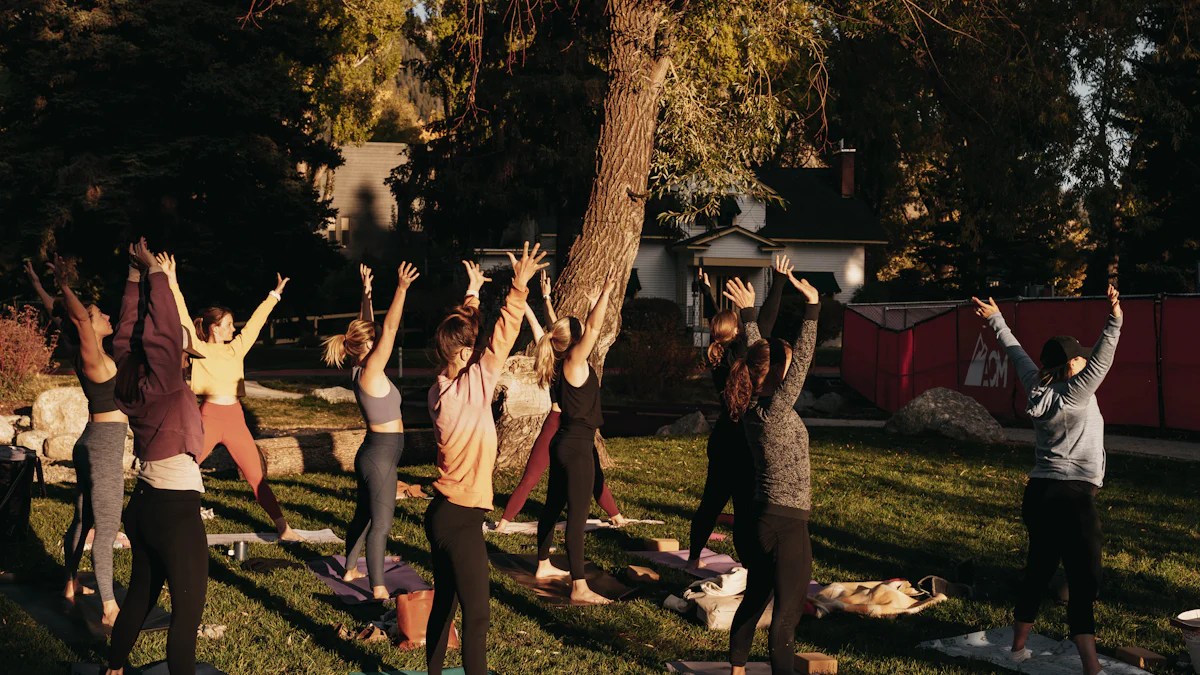
In recent years, both Qigong and Yoga have captured the interest of many seeking holistic health practices. These ancient disciplines offer more than just physical exercise; they provide a pathway to spiritual growth and mental clarity. You might wonder which practice offers better health benefits. By comparing Qigong or Yoga, you can discover which aligns best with your personal wellness goals. Whether it's the gentle, flowing movements of Qigong or the dynamic poses of Yoga, each has unique advantages that cater to different needs and preferences.
Historical Background and Origins
Origins of Qigong
Qigong, a practice deeply rooted in ancient China, has a rich history that spans over 2,500 years. It emerged from the philosophical teachings of Taoism and Confucianism. These philosophies emphasized harmony with nature and the cultivation of inner peace. You can find references to qigong in the writings of Confucius, Mencius, and Lao Tzu. These texts highlight the importance of balancing energy, or "Qi," within the body.
Over the centuries, qigong evolved through various dynasties. Each era contributed unique elements to its practice. Initially, it focused on meditation and breathing techniques. Later, it incorporated gentle movements and postures. This evolution allowed qigong to adapt and thrive, becoming a cornerstone of Chinese wellness practices.
Origins of Yoga
Yoga traces its origins back to ancient India, with a history that stretches over 5,000 years. It began as a spiritual discipline within Hinduism, focusing on meditation, breath control, and positive thinking. The early yogis sought to achieve a state of enlightenment and self-realization through these practices.
As yoga developed, it branched into different schools and styles. Each school offered unique approaches to achieving physical and mental well-being. The emphasis on physical postures, or "Asanas," became more pronounced over time. This shift made yoga accessible to a broader audience, allowing it to spread beyond its Indian roots.
Both qigong and yoga have rich histories that reflect their cultural origins. They share a common goal of enhancing health and spiritual growth. Whether you choose qigong or yoga, understanding their historical backgrounds can deepen your appreciation for these ancient practices.
Foundational Principles
Principles of Qigong
Focus on energy flow (Qi)
When you practice Qigong, you focus on the flow of energy, known as "Qi," throughout your body. This ancient Chinese practice emphasizes the importance of balancing and harmonizing this energy to promote health and well-being. By engaging in gentle movements and controlled breathing, you can enhance the circulation of Qi, which may lead to improved physical and mental health. Studies suggest that Qigong can shift your mood towards a more positive state and help you achieve a flow state during practice. This meditative movement exercise not only aids in stress reduction but also supports the body's natural healing processes.
Integration of mind, body, and spirit
Qigong encourages the integration of your mind, body, and spirit. This holistic approach fosters a sense of inner peace and harmony. As you practice, you become more aware of your body's movements and your breath, which helps you connect with your inner self. This connection can lead to a deeper understanding of your emotions and thoughts, promoting mental clarity and emotional balance. By uniting these elements, Qigong offers a comprehensive path to wellness that addresses both physical and spiritual needs.
Principles of Yoga
Emphasis on physical postures (Asanas)
Yoga places a strong emphasis on physical postures, known as "Asanas." These poses are designed to improve your strength, flexibility, and balance. As you move through various Asanas, you engage different muscle groups, which can enhance your overall physical fitness. The practice of Yoga encourages you to focus on your body's alignment and posture, helping you develop better body awareness. This focus on physicality makes Yoga an excellent choice for those looking to improve their physical health while also enjoying the mental benefits of the practice.
Connection between breath and movement
In Yoga, the connection between breath and movement plays a crucial role. You learn to synchronize your breath with each movement, creating a seamless flow that enhances your practice. This synchronization helps you stay present and mindful, allowing you to fully experience each moment. By focusing on your breath, you can calm your mind and reduce stress, leading to greater mental clarity and relaxation. This aspect of Yoga not only supports physical health but also contributes to a sense of inner peace and tranquility.
Both Qigong and Yoga offer unique foundational principles that cater to different aspects of health and well-being. Whether you choose Qigong or Yoga, you can find a practice that aligns with your personal goals and preferences, providing a pathway to a healthier and more balanced life.
Health Benefits
Physical Health Benefits
Qigong's impact on flexibility and balance
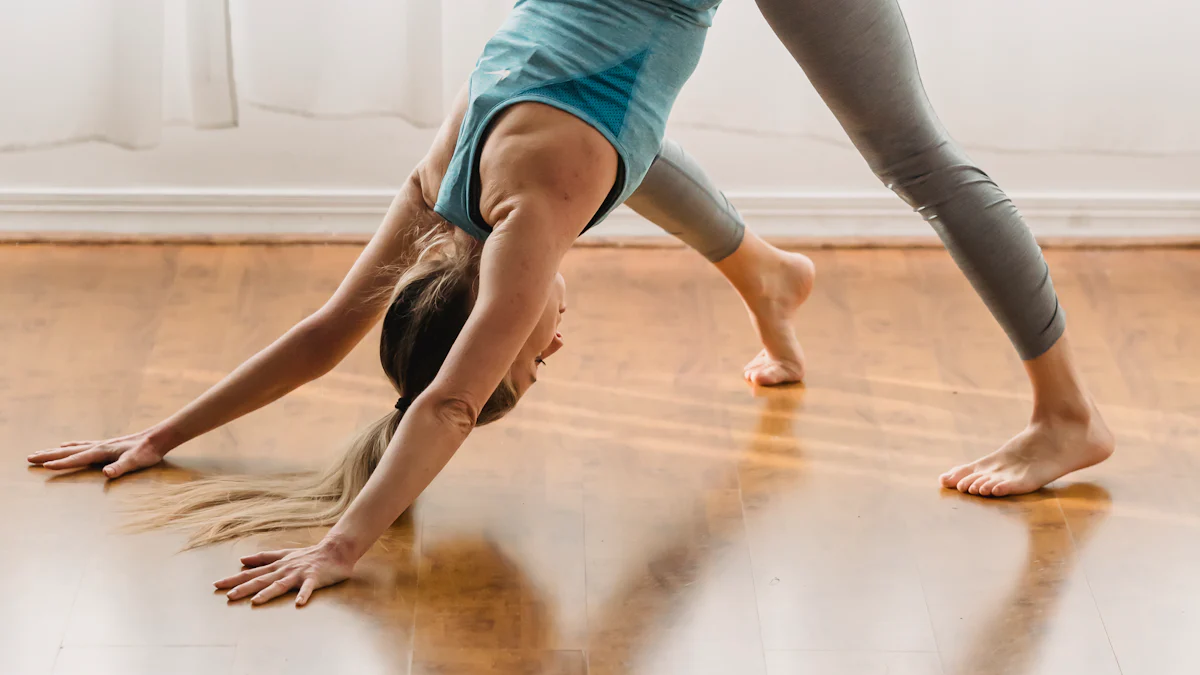
When you practice Qigong, you engage in gentle movements that enhance your flexibility and balance. These movements, often slow and deliberate, help you maintain a stable posture and improve your body's range of motion. By focusing on the flow of energy, or "Qi," you can cultivate good health and vitality. This practice doesn't require intense physical strength, making it accessible to people of all ages and fitness levels. As you continue with Qigong, you'll likely notice an improvement in your body's ability to move gracefully and maintain equilibrium.
Yoga's effect on strength and posture
Yoga, on the other hand, emphasizes physical postures, or "Asanas," which are designed to build strength and improve posture. As you move through various poses, you engage different muscle groups, enhancing your overall physical fitness. This practice encourages you to focus on your body's alignment, helping you develop better body awareness. Over time, you'll find that your muscles become stronger, and your posture improves, leading to a more balanced and healthy physique. Yoga's focus on strength and posture makes it an excellent choice for those looking to enhance their physical health.
Mental Health Benefits
Qigong's role in stress reduction
Qigong offers significant mental health benefits, particularly in stress reduction. By engaging in meditative movements and controlled breathing, you can shift your mood towards a more positive state. This practice promotes relaxation and helps you achieve a flow state, where your mind becomes calm and focused. As you connect with your inner self, you'll find that stress and anxiety begin to dissipate, leaving you with a sense of peace and tranquility. Qigong's ability to reduce stress makes it a valuable tool for maintaining mental well-being.
Yoga's contribution to mental clarity
Yoga also provides mental health benefits, particularly in enhancing mental clarity. The practice of synchronizing breath with movement helps you stay present and mindful, allowing you to fully experience each moment. As you focus on your breath, your mind becomes clearer, and stress levels decrease. This aspect of Yoga not only supports physical health but also contributes to a sense of inner peace and tranquility. By practicing Yoga, you can cultivate a lightness in your body and clarity in your mind, leading to improved mental well-being.
Both Qigong and Yoga offer unique health benefits that cater to different aspects of physical and mental well-being. Whether you choose Qigong or Yoga, you can find a practice that aligns with your personal goals and preferences, providing a pathway to a healthier and more balanced life.
Modern Interpretations and Applications
Qigong in Contemporary Practice
Integration in wellness programs
In today's fast-paced world, you might find Qigong seamlessly integrated into various wellness programs. Its gentle movements and focus on energy flow make it an ideal choice for stress reduction and relaxation. Many wellness centers and retreats now offer Qigong sessions as part of their holistic health packages. By participating in these programs, you can experience the calming effects of Qigong, which can help you reconnect with your body and mind. This practice encourages mindfulness, allowing you to find peace even amidst life's challenges.
Use in medical and therapeutic settings
Qigong has also found its place in medical and therapeutic settings. Healthcare professionals recognize its potential to support physical and mental health. You might encounter Qigong in rehabilitation centers, where it aids in recovery by improving balance and flexibility. Therapists often recommend Qigong to patients dealing with chronic pain or stress-related conditions. By incorporating Qigong into your routine, you can enhance your overall well-being and complement traditional medical treatments.
Yoga in Modern Society
Popularity in fitness and lifestyle
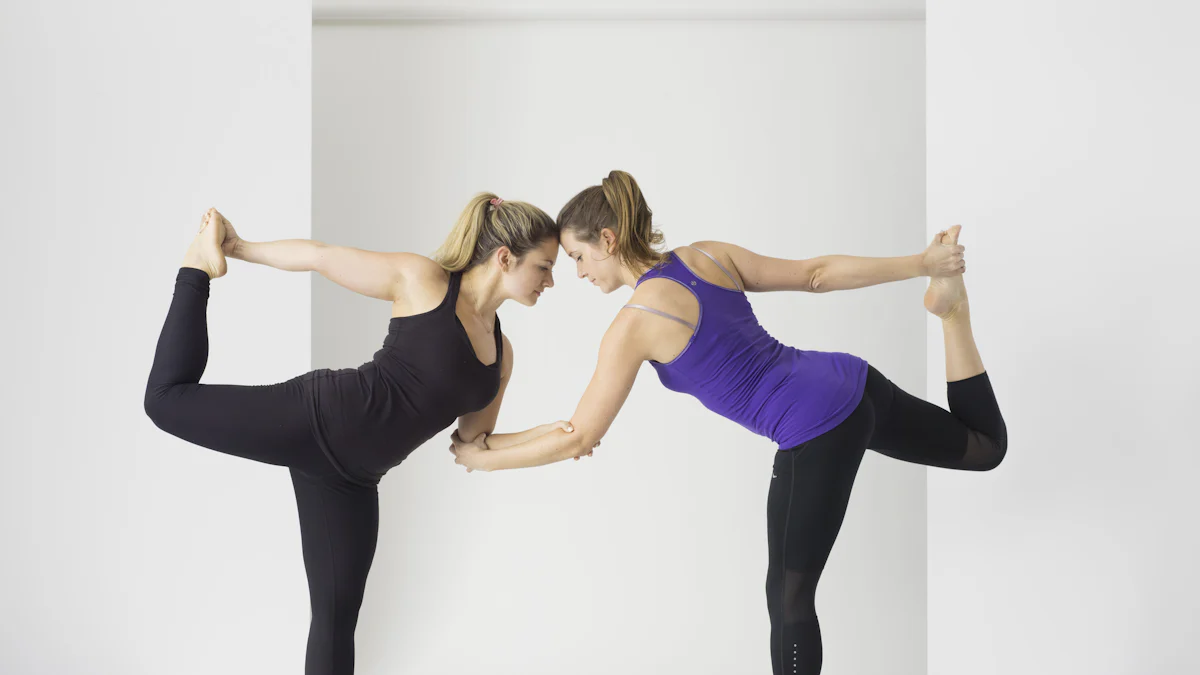
Yoga has become a staple in fitness and lifestyle circles. You can find yoga classes in gyms, community centers, and even online platforms. Its popularity stems from its ability to improve physical strength and flexibility while promoting mental clarity. Many people turn to yoga as a way to maintain a healthy lifestyle and manage stress. By practicing yoga, you can enjoy a balanced approach to fitness that nurtures both your body and mind.
Adaptation in various cultural contexts
Yoga's adaptability has allowed it to thrive in diverse cultural contexts. You might notice how yoga has been embraced and modified to suit different traditions and preferences. From power yoga sessions in urban studios to serene retreats in nature, yoga offers something for everyone. This versatility makes it easy for you to incorporate yoga into your life, regardless of your background or experience level. By exploring different styles and teachers, you can find a yoga practice that resonates with you and supports your personal growth.
Both Qigong and Yoga have evolved to meet the needs of modern society. Whether you choose Qigong for its meditative qualities or Yoga for its physical benefits, each practice offers unique pathways to health and well-being. By embracing these ancient disciplines, you can cultivate a deeper connection with yourself and the world around you.
In wrapping up, both Qigong and Yoga offer incredible benefits for your mind, body, and spirit. Each practice provides unique pathways to health and well-being. Qigong focuses on the flow of energy, promoting relaxation and balance. Yoga emphasizes physical strength and flexibility, enhancing mental clarity. Your choice between these practices should align with your personal preferences and wellness goals. Whether you seek the gentle movements of Qigong or the dynamic poses of Yoga, both can lead to a healthier, more balanced life. Embrace the practice that resonates with you and enjoy the journey to better health.
See Also
Exploring the Advantages of Yin Yoga Practice
Exploring the Health Benefits of Yoga Practice
Exploring the Advantages of Dynamic Yoga Practice

Hi my name is Lia and i am your host in this yoga journey in Portugal, Subscribe to our newsletter to receive every week the best of Yoga in Portugal.

We bring back the importance of initiation into womanhood by Roos-Veerle Krijnen & Ella-June Henrard
Welcome to the Women’s Initiation Retreat by Naked Truth Retreats, a transformative journey into the depths of your True Feminine Nature. This retreat invites you to remember the sacredness and wholeness of your being.
Roos-Veerle Krijnen & Ella-June Henrard