Discover Qi Health & Yoga for Better Wellbeing

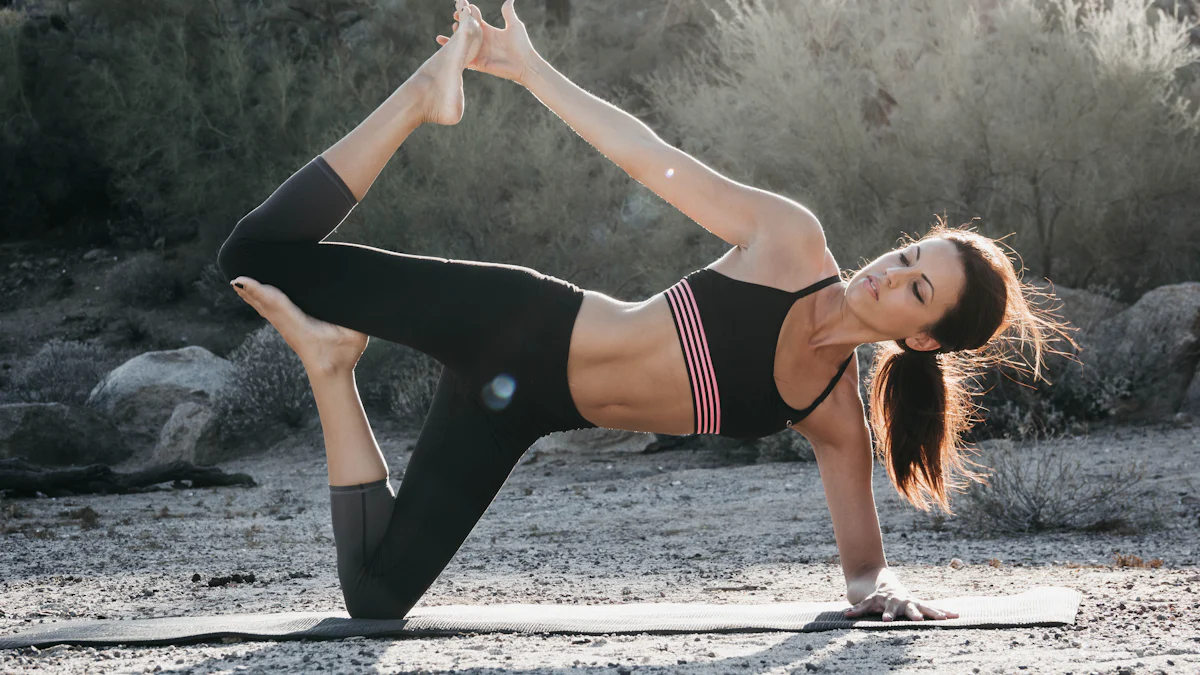
Yoga serves as a holistic practice that enhances your physical, mental, and emotional health, particularly when combined with qi health & yoga principles. You can experience improved flexibility, strength, and balance through regular engagement in yoga. This practice effectively reduces stress and sharpens your focus. Additionally, yoga fosters emotional resilience, helping to boost your overall mood. By incorporating yoga into your routine, you can unlock a pathway to better wellbeing and a more balanced life.
Key Takeaways
Incorporate yoga into your routine to enhance physical, mental, and emotional wellbeing.
Regular practice improves flexibility, strength, and balance, leading to better overall health.
Utilise mindfulness techniques, such as breath awareness and meditation, to reduce stress and enhance focus.
Explore different yoga styles to find the one that best suits your goals and lifestyle.
Integrate qi health practices, like breathing techniques, to enhance energy flow and emotional stability.
Establish a consistent yoga routine by setting specific times and creating a dedicated practice space.
Engage with a yoga community for motivation, support, and shared learning experiences.
Physical Benefits of Yoga
Improved Flexibility
Types of stretches in yoga
Yoga incorporates various stretches that enhance flexibility. These stretches target different muscle groups, promoting a full range of motion. Common types include:
Forward bends: These stretches lengthen the hamstrings and lower back.
Backbends: These open up the chest and strengthen the spine.
Twists: These improve spinal mobility and aid digestion.
Each type of stretch plays a crucial role in your overall flexibility. Regular practice can lead to noticeable improvements in how easily you move.
Tips for increasing flexibility
To increase your flexibility, consider these practical tips:
Warm up properly: Always start with a gentle warm-up to prepare your muscles.
Hold stretches longer: Aim to hold each stretch for at least 30 seconds to allow your muscles to relax.
Practice consistently: Regular practice yields better results than sporadic sessions.
Listen to your body: Avoid pushing yourself too hard. Respect your limits to prevent injury.
By following these tips, you can gradually enhance your flexibility and enjoy the benefits of improved movement.
Enhanced Strength
Key poses for building strength
Yoga offers numerous poses that build strength throughout your body. Some key poses include:
Plank Pose: This engages your core, arms, and legs.
Warrior II: This strengthens your legs and improves stability.
Chair Pose: This targets your thighs and glutes.
These poses not only build muscle but also improve endurance. Practising them regularly can lead to significant strength gains.
How to safely progress in strength
To progress safely in your strength training, keep these strategies in mind:
Focus on form: Prioritise proper alignment to avoid injuries.
Increase intensity gradually: Add more repetitions or hold poses longer as you become stronger.
Incorporate rest days: Allow your muscles time to recover and grow.
By following these guidelines, you can enhance your strength while minimising the risk of injury.
Better Balance
Balance-focused yoga poses
Balance is a vital aspect of physical fitness. Yoga includes several poses that specifically target balance, such as:
Tree Pose: This improves stability and strengthens your legs.
Eagle Pose: This challenges your coordination and focus.
Half Moon Pose: This enhances core strength and balance.
Practising these poses regularly can significantly improve your overall balance.
Incorporating balance into daily practice
You can easily incorporate balance exercises into your daily routine. Consider these simple methods:
Stand on one leg: While brushing your teeth or waiting for your coffee, try balancing on one leg.
Use balance boards: These tools can enhance your stability and strengthen your core.
Practice yoga poses: Dedicate a few minutes each day to practice balance-focused poses.
By integrating these practices into your life, you can enhance your balance and overall physical performance. Regular yoga practice can lead to improved balance and a greater range of motion, making daily activities easier and more enjoyable.
Mental Benefits of Yoga
Stress Reduction
Techniques for stress relief through yoga
Yoga serves as an effective tool for managing stress. You can utilise various techniques to relieve tension and promote relaxation. Consider these methods:
Gentle stretches: Incorporate slow, mindful movements to release physical tension.
Restorative poses: Use poses like Child's Pose or Legs-Up-the-Wall to calm your nervous system.
Guided meditation: Engage in meditation sessions that focus on breath awareness and visualisation.
Research indicates that yoga significantly lowers cortisol levels, the hormone associated with stress. A study published in Healthline highlights how yoga promotes deeper sleep and enhances mental clarity. By practising these techniques, you can cultivate a sense of calm and improve your overall wellbeing.
Mindfulness practices in yoga
Mindfulness plays a crucial role in yoga. It encourages you to stay present and aware of your thoughts and feelings. You can enhance your mindfulness through:
Breath awareness: Focus on your breath as you move through poses. This practice centres your attention and calms your mind.
Body scans: Perform body scans to identify areas of tension. This technique helps you connect with your body and release stress.
Meditative practices: Incorporate meditation into your routine. This can involve sitting quietly and observing your thoughts without judgement.
Studies show that mindfulness practices in yoga improve mental wellbeing. They create mental clarity and relieve chronic stress patterns. By integrating these practices, you can foster a more peaceful state of mind.
Improved Focus
Yoga practices that enhance concentration
Yoga not only reduces stress but also sharpens your focus. Certain practices can help you enhance your concentration:
Focusing on drishti: This technique involves fixing your gaze on a specific point during poses. It helps you maintain balance and improves mental focus.
Dynamic flows: Engage in vinyasa flows that require you to synchronise breath with movement. This practice keeps your mind engaged and present.
Mindful transitions: Pay attention to how you transition between poses. This awareness enhances your concentration and body awareness.
Research indicates that yoga positively impacts memory and concentration. A study from Biomed Central found that yoga increases self-confidence and relaxation, contributing to improved focus.
Breathing techniques for mental clarity
Breathing techniques form an essential part of yoga practice. They can significantly enhance your mental clarity. Consider these techniques:
Ujjayi breath: This technique involves breathing deeply through your nose while slightly constricting your throat. It creates a calming sound and helps centre your mind.
Nadi shodhana (alternate nostril breathing): This technique balances your energy and calms your mind. It involves inhaling through one nostril and exhaling through the other.
Box breathing: Inhale for four counts, hold for four counts, exhale for four counts, and hold again for four counts. This method promotes relaxation and focus.
Incorporating these breathing techniques into your practice can lead to improved mental clarity. Studies show that they help relieve anxiety and promote calmness. By focusing on your breath, you can enhance your overall mental wellbeing.
Emotional Benefits of Yoga
Enhanced Mood
How yoga influences mood
Yoga significantly influences your mood. Regular practice helps you manage stress and enhances your emotional wellbeing. Research shows that yoga reduces cortisol levels, the hormone linked to stress. Lower cortisol levels lead to improved mood and overall quality of life. You may notice a boost in self-compassion and mindfulness as you engage in yoga. These qualities contribute to better emotional regulation, allowing you to respond to challenges with greater ease.
Poses that promote positivity
Certain yoga poses can uplift your spirits and promote positivity. Consider incorporating these into your practice:
Sun Salutations: This sequence energises your body and mind, setting a positive tone for your day.
Bridge Pose: This pose opens your heart and chest, fostering feelings of joy and openness.
Cobra Pose: This invigorating pose stimulates your energy and enhances your mood.
Practising these poses regularly can help you cultivate a more positive outlook on life.
Emotional Resilience
Building resilience through yoga
Yoga plays a vital role in building emotional resilience. It teaches you to face life's challenges with strength and grace. Engaging in yoga enhances your ability to cope with stress and adversity. Studies indicate that yoga improves emotional regulation and neuroplasticity, allowing your brain to adapt and grow. As you develop resilience, you become better equipped to handle difficult situations.
Journaling and reflection in practice
Incorporating journaling and reflection into your yoga practice can deepen your emotional understanding. After each session, take a few moments to jot down your thoughts and feelings. This practice encourages self-awareness and helps you process your emotions. Consider these prompts to guide your reflections:
What emotions surfaced during my practice?
How did specific poses affect my mood?
What challenges did I face today, and how can I address them?
By engaging in this reflective practice, you can enhance your emotional resilience and foster a deeper connection with yourself.
Incorporating Yoga into Daily Life
Creating a Routine
Tips for establishing a regular practice
Establishing a regular yoga practice can significantly enhance your wellbeing. Here are some effective tips to help you create a consistent routine:
Set a specific time: Choose a time that fits your schedule. Morning sessions can energise you for the day, while evening practices can help you unwind.
Start small: Begin with short sessions, perhaps 10 to 15 minutes. Gradually increase the duration as you become more comfortable.
Create a dedicated space: Designate a quiet area in your home for yoga. This space should be free from distractions and conducive to relaxation.
Use reminders: Set reminders on your phone or calendar to prompt you to practice. Consistency is key to forming a habit.
Stay flexible: Life can be unpredictable. If you miss a session, don’t be hard on yourself. Simply return to your practice when you can.
By following these tips, you can cultivate a regular yoga practice that fits seamlessly into your life.
Finding the right time for yoga
Finding the right time for yoga depends on your personal preferences and lifestyle. Consider these factors:
Energy levels: Pay attention to when you feel most energetic. Some people thrive in the morning, while others prefer evening sessions.
Daily commitments: Assess your schedule. Identify times when you can dedicate uninterrupted moments to your practice.
Experiment: Try different times of the day. Notice how your body and mind respond. This exploration can help you discover your ideal practice time.
Ultimately, the best time for yoga is when you can commit to it consistently.
Yoga for All Levels
Adapting poses for beginners
Yoga welcomes practitioners of all levels. If you are new to yoga, adapting poses can make your practice more accessible. Here are some suggestions:
Use props: Blocks, straps, and bolsters can provide support and help you achieve proper alignment.
Modify poses: If a pose feels challenging, modify it. For example, perform a knee-down version of the plank pose to build strength gradually.
Listen to your body: Pay attention to how your body feels. If a pose causes discomfort, adjust or skip it.
Remember, yoga is about connecting with your body. Focus on what feels right for you.
Resources for advanced practitioners
For those with more experience, numerous resources can deepen your practice. Consider exploring:
Workshops and retreats: These offer immersive experiences that can enhance your skills and knowledge.
Online classes: Many platforms provide advanced classes led by experienced instructors. This flexibility allows you to practice at your convenience.
Books and articles: Reading about advanced techniques and philosophies can enrich your understanding of yoga.
Engaging with these resources can help you continue your journey and refine your practice.
Incorporating yoga into your daily life can lead to profound benefits. Regular practice cultivates mental clarity, enhances body awareness, and relieves chronic stress patterns. As Dr. Nevins states, "Regular yoga practice creates mental clarity and calmness; increases body awareness; relieves chronic stress patterns; relaxes the mind; centres attention; and sharpens concentration." Embrace the journey of yoga, and discover how it can transform your life.
The Role of Qi in Yoga

Understanding Qi Health
The concept of Qi in traditional practices
Qi, often referred to as life force or energy, plays a vital role in various traditional practices, including Chinese medicine and martial arts. This concept suggests that Qi flows through pathways in your body, known as meridians. When Qi flows freely, you experience good health and vitality. Blockages or imbalances in Qi can lead to physical and emotional issues. Understanding this concept allows you to appreciate how yoga can enhance your overall wellbeing.
How yoga enhances Qi flow
Yoga enhances Qi flow through its combination of movement, breath, and mindfulness. Each pose encourages the circulation of energy throughout your body. As you move, you open up channels that may have become restricted. This process promotes balance and harmony within. Research indicates that yoga not only improves physical health but also positively impacts mental health. Studies show that yoga-based exercises can help manage chronic diseases and improve quality of life. By practising yoga, you actively support the flow of Qi, leading to enhanced vitality and emotional stability.
Integrating Qi Practices
Breathing techniques to enhance Qi
Breathing techniques serve as powerful tools to enhance Qi. You can incorporate these methods into your yoga practice to deepen your connection with your energy. Consider these techniques:
Diaphragmatic breathing: Focus on breathing deeply into your diaphragm. This technique increases oxygen intake and promotes relaxation.
Qi Gong breathing: Combine gentle movements with breath awareness. This practice helps cultivate and direct your Qi.
Ujjayi breath: Use this technique during yoga poses. It involves breathing deeply through your nose while slightly constricting your throat. This creates a calming sound and centres your mind.
By integrating these breathing techniques, you can enhance your Qi flow and experience greater mental clarity and emotional balance.
Meditation practices for Qi balance
Meditation practices also play a crucial role in balancing Qi. These practices encourage you to connect with your inner self and cultivate awareness. Here are some effective meditation techniques:
Guided visualisation: Imagine your Qi flowing freely throughout your body. Visualise any blockages dissolving as you breathe deeply.
Mindfulness meditation: Focus on your breath and observe your thoughts without judgement. This practice helps you cultivate a sense of calm and presence.
Loving-kindness meditation: Send positive intentions to yourself and others. This practice fosters compassion and emotional resilience.
Engaging in these meditation practices can help you maintain a balanced Qi, leading to improved emotional wellbeing and resilience.
Finding the Right Yoga Style
Different Yoga Styles Explained
Overview of popular styles
Yoga offers a variety of styles, each with unique characteristics. Understanding these styles helps you choose the one that suits your needs. Here are some popular options:
Hatha Yoga: This style focuses on basic postures and breathing techniques. It serves as an excellent introduction for beginners.
Vinyasa Yoga: This dynamic style links breath with movement. It often includes flowing sequences that keep you engaged and active.
Ashtanga Yoga: This rigorous style follows a set sequence of poses. It builds strength and stamina, appealing to those seeking a challenging workout.
Yin Yoga: This gentle style involves holding poses for extended periods. It promotes deep relaxation and flexibility, making it ideal for stress relief.
Restorative Yoga: This calming style uses props to support the body in restful poses. It encourages relaxation and recovery.
Each style offers distinct benefits. You can explore these options to find what resonates with you.
Choosing the right style for your needs
Selecting the right yoga style depends on your goals and preferences. Consider the following factors:
Your fitness level: If you are a beginner, start with Hatha or Yin Yoga. These styles provide a solid foundation.
Your goals: If you aim to improve flexibility, Yin Yoga or Restorative Yoga may suit you. For strength building, consider Ashtanga or Vinyasa Yoga.
Your schedule: Some styles require more time commitment than others. Choose a style that fits your lifestyle.
Your interests: Explore different classes to discover what you enjoy. Engaging in a style you love increases the likelihood of maintaining a regular practice.
By assessing these factors, you can find a yoga style that aligns with your needs and enhances your wellbeing.
Joining a Yoga Community
Benefits of group practice
Joining a yoga community offers numerous advantages. Practising in a group setting can enhance your experience in several ways:
Motivation: Being around others encourages you to stay committed to your practice. You may find inspiration from fellow yogis.
Support: A community provides a supportive environment. You can share experiences, challenges, and successes with others.
Learning opportunities: Group classes often expose you to different teaching styles and techniques. This exposure can deepen your understanding of yoga.
Social connections: Engaging with others fosters friendships and connections. You may find a sense of belonging within the community.
Research indicates that individuals who practise yoga in groups report higher self-esteem and improved body image levels. This sense of community can significantly enhance your overall experience.
Finding local classes or online communities
Finding a yoga community is easier than ever. You can explore local classes or online options to connect with others. Here are some tips:
Local studios: Search for yoga studios in your area. Many offer a variety of classes and workshops.
Community centres: Check local community centres for yoga classes. These often provide affordable options.
Online platforms: Numerous websites and apps offer virtual classes. You can join live sessions or access recorded classes at your convenience.
Social media: Follow yoga instructors and communities on social media. This can help you discover local events and online classes.
By exploring these avenues, you can find a yoga community that supports your journey and enhances your practice. Embrace the opportunity to connect with others and deepen your understanding of yoga.
Yoga provides numerous health benefits that enhance your physical, mental, and emotional wellbeing. Regular practice can lead to lasting improvements in your overall health. You may experience increased motivation, better attention, and improved executive functioning. Embrace the opportunity to explore various styles and practices. Find what resonates with you and fits your lifestyle. By integrating qi health & yoga into your daily routine, you can unlock a path to greater vitality and resilience.
FAQ
Is yoga good for you?
Absolutely! Yoga offers numerous benefits for your physical, mental, and emotional health. Regular practice can improve flexibility, strength, and balance. You may also experience reduced stress levels and enhanced focus. In fact, research highlights 14 key benefits of yoga, including better posture, increased body awareness, and improved cardiovascular health.
What should you know if you’re thinking about starting yoga?
If you consider starting yoga, begin slowly and carefully. This approach helps you avoid injuries. Focus on basic poses and listen to your body. Gradually increase the intensity of your practice as you become more comfortable. Remember, yoga is a personal journey, so take your time to explore what works best for you.
What are the common questions and answers about yoga and meditation?
Many people have questions about yoga and meditation. Understanding the fundamentals can enhance your practice. Common queries include how to maintain focus during meditation and the best techniques for relaxation. Engaging in both practices can lead to deeper self-awareness and emotional balance.
How often should you practice yoga?
Aim to practice yoga at least two to three times a week. Consistency is key to reaping the benefits. You can start with shorter sessions and gradually increase the duration as you build strength and flexibility. Even a few minutes of daily practice can make a significant difference.
Can yoga help with stress relief?
Yes, yoga is an effective tool for managing stress. The combination of movement, breath, and mindfulness promotes relaxation. Techniques such as gentle stretches and restorative poses can calm your nervous system. Research shows that yoga significantly lowers cortisol levels, leading to improved mental health.
Do I need to be flexible to do yoga?
No, you do not need to be flexible to start yoga. Many beginners find that yoga helps them improve their flexibility over time. Focus on your own progress rather than comparing yourself to others. Yoga is about connecting with your body, not achieving perfect poses.
What should you wear to a yoga class?
Wear comfortable, breathable clothing that allows for easy movement. Choose fabrics that wick away sweat to keep you dry during practice. Avoid overly loose clothing, as it may hinder your movements. Proper footwear is not necessary; most practitioners prefer to practice barefoot.
Can yoga help with chronic pain?
Yes, yoga can help alleviate chronic pain. Regular practice improves flexibility and strengthens muscles, which can reduce discomfort. Many individuals find relief from conditions such as lower back pain through yoga. Always consult with a healthcare professional before starting any new exercise regimen.
Is it necessary to join a class, or can you practice at home?
You can practice yoga at home or join a class, depending on your preference. Classes provide guidance and community support, while home practice offers flexibility. Consider starting with online classes or videos to learn the basics before establishing your own routine.
How can I stay motivated to practice yoga regularly?
Staying motivated can be challenging, but setting clear goals helps. Create a schedule that fits your lifestyle and stick to it. Join a yoga community for support and inspiration. Remember to celebrate your progress, no matter how small, to keep your enthusiasm alive.
See Also
Uncover The Wellness Benefits Of Practising Yoga
The Impact Of Yoga On Human Health And Wellness
Yoga's Role In Boosting Seniors' Physical And Mental Health

Hi my name is Lia and i am your host in this yoga journey in Portugal, Subscribe to our newsletter to receive every week the best of Yoga in Portugal.

We bring back the importance of initiation into womanhood by Roos-Veerle Krijnen & Ella-June Henrard
Welcome to the Women’s Initiation Retreat by Naked Truth Retreats, a transformative journey into the depths of your True Feminine Nature. This retreat invites you to remember the sacredness and wholeness of your being.
Roos-Veerle Krijnen & Ella-June Henrard