What Are the Principles of Raja Yoga


Raja Yoga, often called the "royal path," offers a profound journey towards self-realisation and spiritual growth. It focuses on mastering your mind and nurturing mental discipline. By calming your restless thoughts through meditation, you can unlock a deeper connection with your true self. This practice does not rely on rituals or beliefs, making it accessible to everyone. Rooted in the eight limbs of yoga, Raja Yoga provides a structured system for achieving harmony across physical, mental, and spiritual dimensions. Its timeless principles guide you towards inner peace and balance in life.
Key Takeaways
Raja Yoga, known as the 'royal path', emphasises mental discipline and meditation as essential tools for self-realisation and spiritual growth.
The practice is built on the eight limbs of yoga, which provide a structured framework for achieving balance across physical, mental, and spiritual dimensions.
Incorporating ethical principles like non-violence and truthfulness into daily life fosters a harmonious relationship with oneself and others.
Regular meditation enhances mental clarity and emotional balance, helping you manage stress and connect with your true self.
Raja Yoga's teachings are adaptable, allowing you to integrate mindfulness and meditation into your busy lifestyle for ongoing personal growth.
Practising Raja Yoga cultivates virtues such as self-restraint and gratitude, which strengthen character and improve relationships.
By embracing the principles of Raja Yoga, you can navigate modern challenges with grace, achieving a more meaningful and purposeful life.
Understanding Raja Yoga
The Meaning and Essence of Raja Yoga
Raja Yoga, often referred to as the "royal path," represents a profound journey of self-mastery. It focuses on controlling your mind and emotions to achieve inner peace and spiritual growth. Unlike other forms of yoga that may emphasise physical postures or rituals, Raja Yoga prioritises mental discipline and meditation. This approach allows you to explore your true self and connect with your inner consciousness.
The essence of Raja Yoga lies in its systematic method for calming the restless mind. By practising meditation, you can quieten your thoughts and focus inward. This practice helps you develop clarity, self-awareness, and a deeper understanding of your purpose. Raja Yoga encourages you to cultivate virtues such as truthfulness, non-violence, and self-restraint, which form the ethical foundation of this path.
Historical Context and Origins
The origins of Raja Yoga date back to ancient times, making it one of the earliest forms of yoga. Meditation, a core aspect of Raja Yoga, was practised as early as 1000 BCE. This historical foundation highlights the timeless relevance of this practice in guiding individuals towards self-realisation.
The development of Raja Yoga gained significant momentum with the contributions of Patanjali. His Yoga Sutras, written around 200 BCE, introduced the "eightfold path," which serves as the cornerstone of Raja Yoga. These eight limbs provide a structured framework for ethical living, mental discipline, and spiritual growth. Over time, Raja Yoga became synonymous with the teachings of the Yoga Sutras, often referred to as Ashtanga Yoga.
Between the 18th and 20th centuries, great spiritual teachers like Ramana Maharshi, Ramakrishna Paramhansa, and Swami Vivekananda further enriched the understanding of Raja Yoga. Their teachings emphasised the importance of meditation and self-discipline in achieving mastery over the mind. Swami Vivekananda, in particular, played a pivotal role in introducing Raja Yoga to the Western world, making its principles accessible to a global audience.
"Each soul is potentially divine. The goal is to manifest this divinity within by controlling nature, external and internal." – Swami Vivekananda
This quote encapsulates the essence of Raja Yoga, reminding you of its ultimate aim: to realise your divine potential through self-mastery and inner exploration.
The Eight Limbs of Raja Yoga
Yama and Niyama: Ethical Foundations
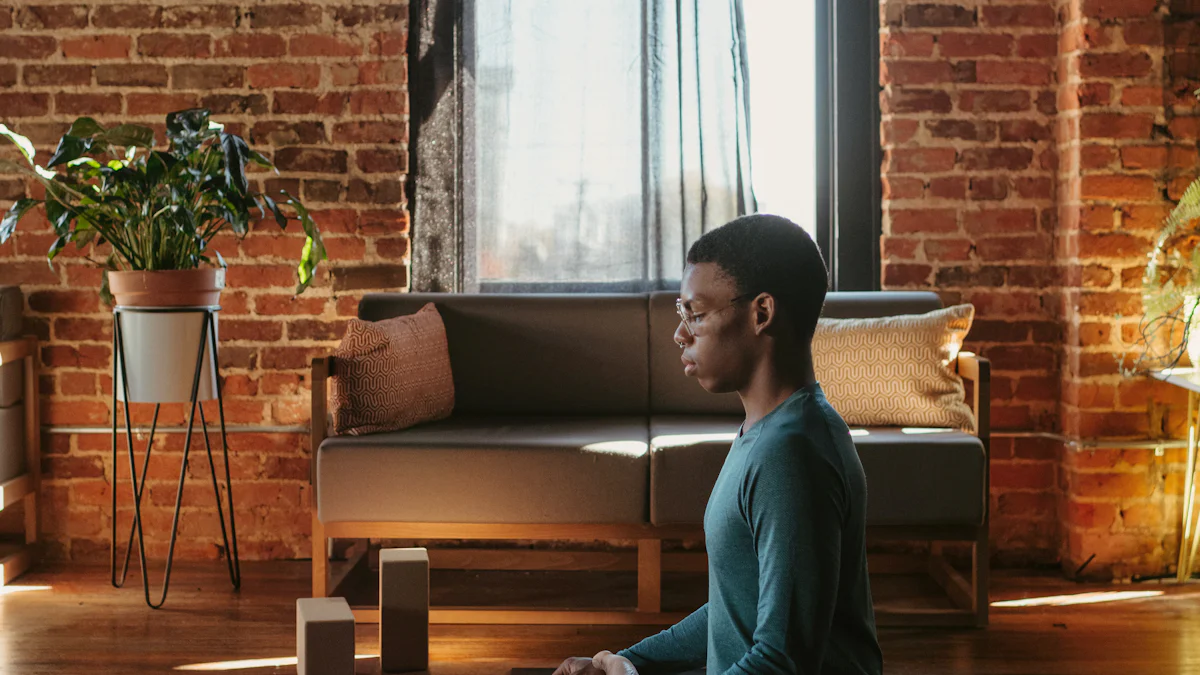
The journey of Raja Yoga begins with Yama and Niyama, which form the ethical groundwork for your practice. These principles guide your behaviour and mindset, helping you cultivate a harmonious relationship with yourself and others.
Yama focuses on self-restraint and includes five key practices:
Ahimsa (Non-violence): Avoid causing harm to any living being through actions, words, or thoughts.
Satya (Truthfulness): Speak and live truthfully, aligning your actions with honesty.
Asteya (Non-stealing): Refrain from taking what does not belong to you.
Brahmacharya (Moderation): Practise self-control and channel your energy wisely.
Aparigraha (Non-possessiveness): Let go of greed and attachment to material possessions.
Niyama, on the other hand, focuses on personal discipline and inner growth. It includes:
Shaucha (Cleanliness): Maintain purity in your body, mind, and surroundings.
Santosha (Contentment): Cultivate gratitude and acceptance of life as it is.
Tapas (Self-discipline): Commit to consistent effort and perseverance in your practice.
Swadhyaya (Self-study): Reflect on your thoughts and study spiritual texts to deepen your understanding.
Ishwarapranidhana (Surrender to the Divine): Trust in a higher power and embrace humility.
By integrating Yama and Niyama into your daily life, you create a strong ethical foundation. This prepares your mind for deeper practices in Raja Yoga.
Asana and Pranayama: Physical and Breath Control
Asana and Pranayama focus on the physical and energetic aspects of your practice. They help you develop strength, flexibility, and control over your body and breath.
Asana, often associated with yoga postures, is more than just physical exercise. It involves steady and comfortable poses that prepare your body for meditation. By practising asanas, you improve your posture, enhance your physical health, and create a stable foundation for mental focus.
Pranayama, or breath control, teaches you to regulate your breathing. This practice connects your body and mind, allowing you to manage stress and emotions effectively. Techniques such as alternate nostril breathing and deep diaphragmatic breathing calm your nervous system and increase your energy levels.
Together, Asana and Pranayama help you achieve balance and harmony. They prepare you for the inward journey of Raja Yoga by creating a healthy and focused state of being.
Pratyahara and Dharana: Turning Inward and Concentration
Pratyahara and Dharana guide you to turn your attention inward and develop concentration. These practices mark the transition from external awareness to inner exploration.
Pratyahara involves withdrawing your senses from external distractions. Instead of reacting to the world around you, you learn to focus on your inner self. This practice helps you detach from sensory overload and cultivate a calm and centred mind.
Dharana, or concentration, builds on Pratyahara by training your mind to focus on a single point. This could be your breath, a mantra, or an image. By practising Dharana, you strengthen your mental discipline and reduce scattered thoughts.
These two limbs act as a bridge between the physical and meditative aspects of Raja Yoga. They prepare you for deeper states of meditation, where you can connect with your true self and experience inner peace.
"Raja Yoga is a systematic approach that has been practised for thousands of years by yogis who have attained great levels of spiritual awareness."
This quote highlights the timeless relevance of these practices. By mastering Pratyahara and Dharana, you take significant steps towards self-realisation and spiritual growth.
Dhyana and Samadhi: Meditation and Spiritual Absorption
Dhyana and Samadhi represent the pinnacle of Raja Yoga, guiding you towards profound meditation and ultimate spiritual absorption. These practices allow you to transcend the distractions of the mind and experience a state of unity with your true self.
Dhyana, or meditation, involves sustained focus and uninterrupted contemplation. Unlike Dharana, which trains your mind to concentrate on a single point, Dhyana takes this practice further. It encourages you to maintain a steady flow of awareness without distraction. Through Dhyana, you cultivate a deep connection with your inner consciousness. This practice fosters clarity, emotional balance, and a sense of inner calm. Regular meditation helps you detach from external chaos and align with your higher purpose.
Samadhi, the final limb of Raja Yoga, signifies spiritual absorption. In this state, you transcend your ego and merge with universal consciousness. Samadhi is not merely a momentary experience but a profound realisation of your divine nature. It represents the ultimate goal of Raja Yoga, where the boundaries between the self and the universe dissolve. This state brings unparalleled peace, joy, and fulfilment.
The sage Patanjali, in his Yoga Sutras, described Samadhi as the culmination of disciplined practice. He emphasised that achieving this state requires dedication and perseverance. Yogis who have followed this path for centuries regard Raja Yoga as the "royal path" to enlightenment. They view Dhyana and Samadhi as essential steps in attaining spiritual awareness and unity of mind, body, and spirit.
"Raja Yoga is a systematic approach that has been practised for thousands of years by yogis who have attained great levels of spiritual awareness."
This quote highlights the transformative power of these practices. By embracing Dhyana and Samadhi, you unlock the potential to experience profound inner peace and self-realisation. These practices remind you that the journey of Raja Yoga is not just about mastering the mind but also about discovering the boundless nature of your true self.
Philosophical Foundations of Raja Yoga
The Yoga Sutras of Patanjali
The Yoga Sutras of Patanjali serve as the cornerstone of Raja Yoga. Patanjali, an ancient sage, compiled these sutras around 200 BCE to provide a structured guide for spiritual growth. The text outlines the "eightfold path," which forms the foundation of Raja Yoga. Each limb offers a step-by-step approach to mastering your mind and achieving self-realisation.
Patanjali's sutras emphasise the importance of mental discipline and ethical living. They encourage you to cultivate virtues such as non-violence, truthfulness, and self-restraint. These principles prepare your mind for deeper practices like meditation and spiritual absorption. The sutras also highlight the transformative power of meditation, describing it as the key to calming the restless mind and connecting with your inner self.
The teachings of the Yoga Sutras remain relevant today. Modern research supports the benefits of meditation, a core practice in Raja Yoga. For instance, a 2022 study published in the Journal of Medical Internet Research found that regular meditation improves health and well-being across multiple domains. This aligns with Patanjali's vision of using meditation to enhance mental clarity and emotional balance.
"Yoga is the cessation of the fluctuations of the mind." – Patanjali
This quote encapsulates the essence of Raja Yoga. By following the path outlined in the Yoga Sutras, you can quieten your thoughts and experience inner peace.
Contributions of Scholars and Teachers
Over centuries, many scholars and spiritual teachers have enriched the understanding of Raja Yoga. Their insights and teachings have made this ancient practice accessible to people worldwide.
Swami Vivekananda played a pivotal role in introducing Raja Yoga to the Western world. In his book Raja Yoga, he simplified the principles of the eightfold path, making them easier to understand and apply. Vivekananda emphasised the importance of meditation and self-discipline in achieving mastery over the mind. His teachings continue to inspire practitioners to explore their inner potential.
Other luminaries like Ramana Maharshi and Ramakrishna Paramhansa also contributed significantly. Ramana Maharshi advocated self-inquiry as a method to realise your true self. Ramakrishna Paramhansa highlighted the role of devotion and meditation in spiritual growth. Their teachings complement the principles of Raja Yoga, offering diverse perspectives on the path to self-realisation.
Modern studies further validate the effectiveness of Raja Yoga practices. A 2021 study published in Religions demonstrated that Raja Yoga meditation significantly reduces distress and anxiety. This finding underscores the practical benefits of meditation, reinforcing its value as a tool for mental and emotional well-being.
The contributions of these scholars and teachers, combined with contemporary research, highlight the timeless relevance of Raja Yoga. By embracing their teachings, you can embark on a journey of self-discovery and spiritual growth.
Practical Applications of Raja Yoga
Meditation Practices and Techniques
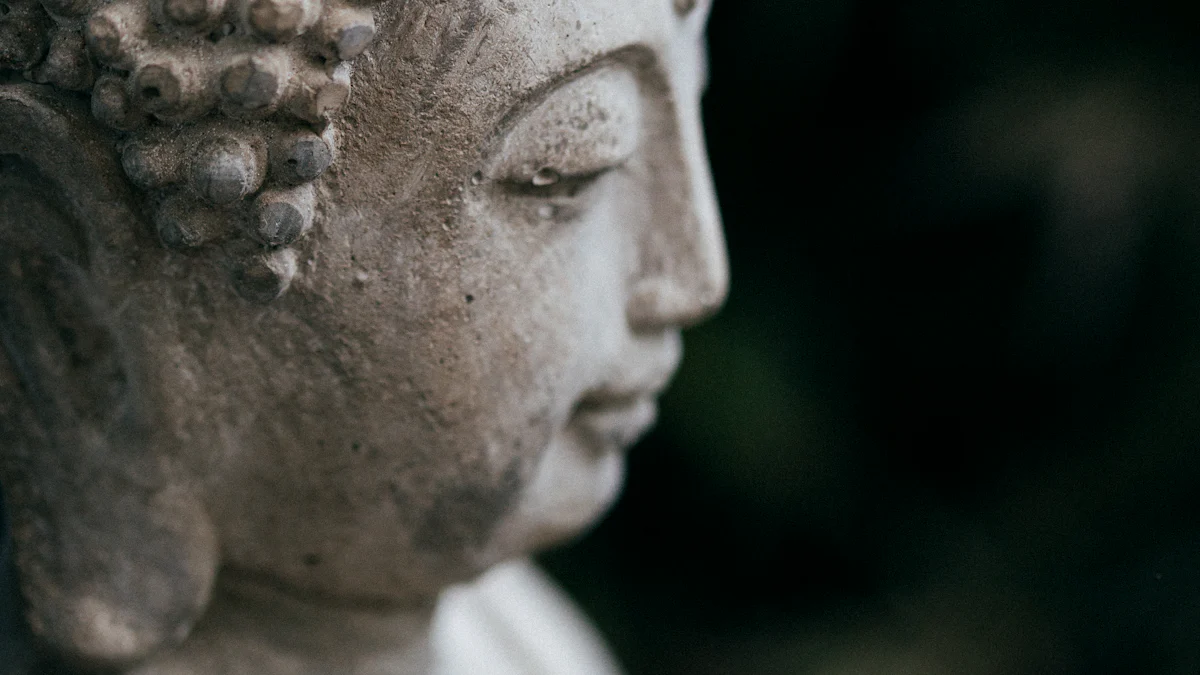
Meditation forms the heart of Raja Yoga, offering a pathway to calm your mind and connect with your inner self. By practising meditation, you can develop mental clarity and emotional balance. This practice helps you detach from distractions and focus on your true purpose.
To begin, choose a quiet space where you can sit comfortably. Close your eyes and focus on your breath. Observe each inhale and exhale without trying to control it. This simple technique, known as mindfulness meditation, helps you centre your thoughts and calm your mind. Over time, you will notice a sense of inner peace and stability.
Another effective method is mantra meditation. Select a word or phrase that resonates with you, such as "peace" or "Om." Repeat it silently or aloud while meditating. This repetition anchors your mind, reducing scattered thoughts and enhancing concentration. Mantra meditation aligns with the principles of Raja Yoga by fostering mental discipline and self-awareness.
Visualisation is another powerful technique. Imagine a serene place, like a forest or a beach, and immerse yourself in its details. This practice helps you create a mental sanctuary, offering relief from stress and anxiety. Visualisation complements the Raja Yoga goal of achieving unity between your mind, body, and spirit.
Consistency is key. Dedicate a few minutes daily to meditation. Gradually increase the duration as you become more comfortable. Regular practice strengthens your ability to focus and deepens your connection with your inner self.
"Meditation is the gateway to self-realisation. Through it, you transcend the illusions of the world and discover your true nature."
This quote reflects the transformative power of meditation in Raja Yoga. By incorporating these techniques, you take meaningful steps towards mastering your mind and achieving spiritual growth.
Incorporating Raja Yoga into Daily Life
Raja Yoga is not confined to meditation sessions. Its principles can enrich every aspect of your daily life. By integrating its teachings, you can cultivate a balanced and harmonious existence.
Start your day with a moment of mindfulness. Before getting out of bed, take a few deep breaths and set a positive intention for the day. This practice aligns your mind with the values of Raja Yoga, helping you approach challenges with clarity and composure.
Apply the ethical principles of Yama and Niyama in your interactions. Practise non-violence by speaking kindly and truthfully. Show gratitude for what you have, and avoid unnecessary attachments to material possessions. These small acts reflect the Raja Yoga emphasis on ethical living and self-restraint.
Incorporate breath control, or Pranayama, into your routine. Take short breaks during the day to practise deep breathing. This simple exercise reduces stress and enhances focus. It also strengthens the connection between your body and mind, a core aspect of Raja Yoga.
End your day with reflection. Spend a few minutes reviewing your actions and thoughts. Identify areas where you can improve and celebrate your progress. This habit fosters self-awareness and aligns with the Raja Yoga goal of personal growth.
"Raja Yoga is a way of life. It teaches you to live with purpose, mindfulness, and harmony."
By embracing these practices, you transform ordinary moments into opportunities for spiritual development. Raja Yoga becomes a guiding force, helping you navigate life with wisdom and grace.
The Relevance of Raja Yoga in Modern Life
Benefits of Raja Yoga for Mental and Spiritual Well-being
Raja Yoga offers profound benefits for your mental and spiritual well-being. By practising its principles, you can achieve a calm and focused mind. Meditation, a core aspect of Raja Yoga, helps you manage stress and anxiety effectively. When your mind becomes still, you gain better control over your thoughts and emotions. This allows you to respond to challenges with clarity and composure.
The practice also fosters a sense of inner peace. It encourages you to detach from material possessions and external distractions. This detachment reduces feelings of dissatisfaction and cultivates contentment. As Hersha Chellaram shared, "Raja Yoga changes your relationship with life for the better, helping you overcome automatic reactions and conditioned mindsets." By mastering your mind, you can transform negative patterns into positive growth.
Raja Yoga addresses all dimensions of your existence—physical, mental, and spiritual. This holistic approach creates balance and harmony within you. It aligns your actions with your higher purpose, enabling you to live a more meaningful life. The practice also nurtures virtues like truthfulness and self-restraint, which strengthen your character and relationships.
"Meditation is the gateway to self-realisation. Through it, you transcend the illusions of the world and discover your true nature."
This quote highlights the transformative power of Raja Yoga. By embracing its practices, you unlock your potential for spiritual growth and emotional resilience.
Adapting Raja Yoga to Contemporary Lifestyles
In today’s fast-paced world, integrating Raja Yoga into your daily routine may seem challenging. However, its principles are flexible and can adapt to modern lifestyles. You do not need to dedicate hours to spiritual practice. Instead, you can incorporate small yet meaningful habits into your day.
Start by practising mindfulness during routine activities. For example, focus on your breath while commuting or take a moment to observe your surroundings. These simple acts help you stay present and grounded. Raja Yoga teaches that life itself is a field for practice. As one practitioner noted, "A sliding window, a box lid, or even a zipper became a door to mindfulness."
Dedicate a few minutes each day to meditation. Choose a quiet space and focus on your breath or repeat a mantra. This practice calms your mind and prepares you for the day ahead. You can also practise Pranayama during short breaks. Deep breathing exercises reduce stress and enhance your focus, making them ideal for busy schedules.
Apply the ethical principles of Raja Yoga in your interactions. Practise kindness, honesty, and gratitude in your relationships. These values enrich your personal and professional life, creating a positive ripple effect. As one reviewer of Raja Yoga teachings observed, "When you take responsibility for your thoughts, you achieve much more than you can imagine."
Raja Yoga’s adaptability makes it relevant in any era. Its timeless wisdom provides a roadmap for navigating modern challenges with grace and purpose. By integrating its practices into your lifestyle, you can achieve balance and harmony in all aspects of your life.
Raja Yoga offers a transformative path to self-mastery by focusing on ethical living, mental discipline, and meditation. Its eight limbs provide a structured approach to achieving self-realisation, guiding you through physical, mental, and spiritual growth. By practising its principles, you can cultivate inner peace, detach from negativity, and align with your true self. In today’s fast-paced world, Raja Yoga remains relevant, helping you balance life’s demands while nurturing your well-being. Explore this holistic practice to unlock your potential and embrace a harmonious, purposeful existence.
See Also
Discovering Yoga's Historical Roots and Evolution
A Beginner's Guide to Vinyasa Yoga Fundamentals
Defining Hatha Yoga and Its Health Advantages

Hi my name is Lia and i am your host in this yoga journey in Portugal, Subscribe to our newsletter to receive every week the best of Yoga in Portugal.

We bring back the importance of initiation into womanhood by Roos-Veerle Krijnen & Ella-June Henrard
Welcome to the Women’s Initiation Retreat by Naked Truth Retreats, a transformative journey into the depths of your True Feminine Nature. This retreat invites you to remember the sacredness and wholeness of your being.
Roos-Veerle Krijnen & Ella-June Henrard