How to Practise Simple Seated Yoga Poses

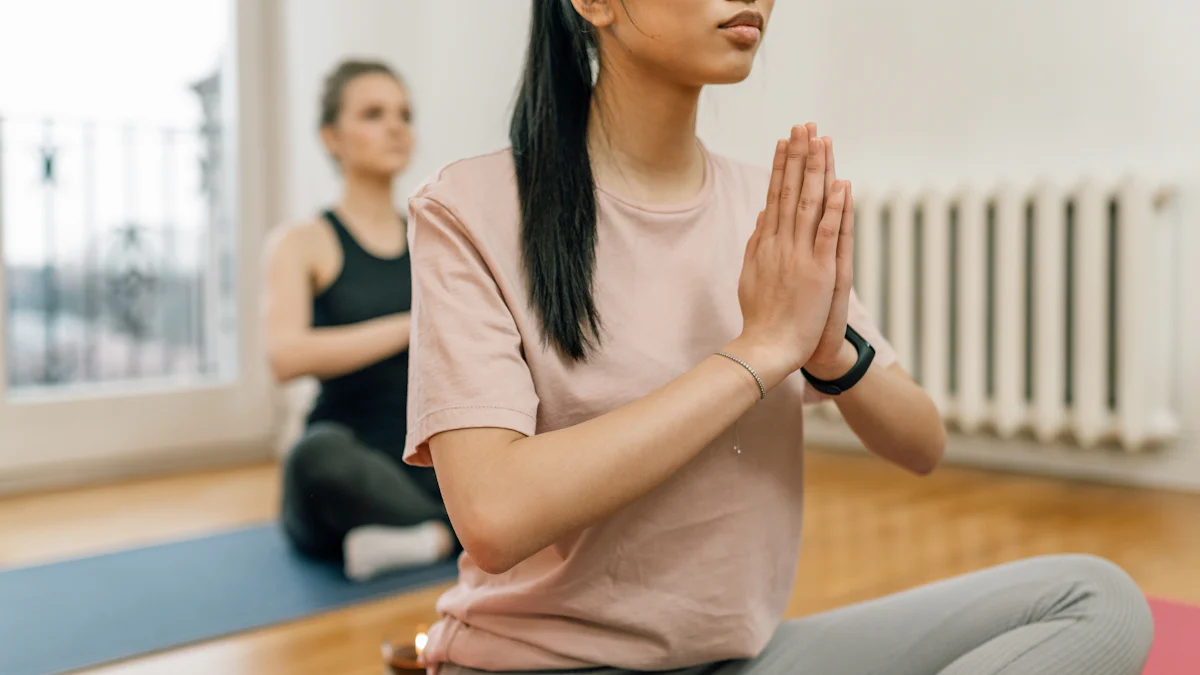
Seated poses for yoga offer a gentle yet effective way to enhance your physical and mental well-being. These poses improve flexibility, reduce stress, and provide a safe starting point for beginners. By practising them, you can alleviate tension in your back and hips while promoting relaxation. Experts highlight their simplicity and accessibility, making them ideal for anyone, regardless of age or fitness level. Yoga encourages you to listen to your body, embrace patience, and focus on gradual progress. With consistent practice, these poses can transform your routine into a calming and rewarding experience.
Key Takeaways
Seated yoga poses are accessible for all ages and fitness levels, making them a great starting point for beginners.
Creating a comfortable and quiet space for practice enhances focus and relaxation during yoga sessions.
Using props like cushions or blocks can improve comfort and alignment, making poses more accessible.
Incorporate gentle warm-up exercises to prepare your body and reduce the risk of injury before starting seated poses.
Practice regularly, even for short sessions, to build a sustainable yoga routine that enhances flexibility and reduces stress.
Listen to your body and prioritise comfort over perfection to ensure a safe and enjoyable yoga experience.
Mindful breathing during poses not only calms the mind but also enhances the effectiveness of your practice.
Preparing for Seated Poses for Yoga
Setting Up Your Space
Creating the right environment is essential for practising seated poses for yoga. A quiet and comfortable area allows you to focus on your movements and breathing without distractions. Ensure the space has enough room for you to stretch your arms and legs freely.
Using a yoga mat or a soft surface provides support and prevents discomfort during your practice. If you don’t have a yoga mat, a folded blanket or carpet can work as an alternative. For long-term use, investing in a good-quality mat is recommended. It offers stability and enhances your overall experience.
What to Wear and Bring
Wearing the right clothing ensures you can move freely and comfortably. Choose loose, breathable fabrics that allow your body to stretch without restriction. Avoid tight or stiff clothing, as it may hinder your movements.
Props like yoga blocks, cushions, or bolsters can make seated poses more accessible, especially for beginners. Sitting on a cushion or block helps elevate your hips, improving posture and reducing strain on your back. If you don’t have yoga props, household items like sturdy books or rolled-up towels can serve as substitutes. These small adjustments can significantly enhance your comfort and alignment.
Warm-Up Exercises
Before starting seated poses, warming up your body is crucial. Gentle stretches prepare your muscles and joints, reducing the risk of strain or injury. Begin with simple movements such as neck rolls, shoulder shrugs, and wrist rotations. These exercises help release tension and improve mobility.
Focus on deep, steady breathing during your warm-up. Inhale deeply through your nose and exhale slowly. This practice calms your mind and prepares you for the poses ahead. Incorporating mindful breathing into your warm-up sets a positive tone for your yoga session.
Simple Seated Poses for Yoga Beginners
Sukhasana (Easy Pose)
Sukhasana, also known as the Easy Pose, is a foundational seated position that promotes relaxation and mindfulness. To practise this pose:
Sit cross-legged with your hands resting gently on your knees.
Keep your back straight and shoulders relaxed to maintain proper alignment.
If sitting cross-legged feels uncomfortable, elevate your hips by sitting on a cushion or folded blanket. This adjustment reduces strain on your lower back and helps you sit upright with ease. Avoid slouching, as it can lead to unnecessary tension in your back. Instead, focus on creating a sense of balance and stability in your posture.
Tip: Sukhasana encourages a natural sense of ease and grounding, making it an excellent starting point for beginners.
Seated Forward Bend (Paschimottanasana)
The Seated Forward Bend stretches your spine, hamstrings, and lower back while calming your mind. To perform this pose:
Extend your legs straight in front of you and sit tall.
Slowly reach forward, keeping your back straight, and hold your feet, ankles, or shins.
If you cannot reach your feet, use a strap or towel around them to bridge the gap. This modification allows you to experience the stretch without straining your body. Avoid forcing the movement, as overstretching can cause discomfort or injury. Instead, focus on breathing deeply and relaxing into the pose.
Did you know? Paschimottanasana not only improves flexibility but also stimulates digestion and enhances postural awareness.
Seated Spinal Twist (Ardha Matsyendrasana)
The Seated Spinal Twist is a gentle way to improve spinal mobility and release tension in your back. Follow these steps:
Sit with one leg bent and the other crossed over it.
Place your opposite hand on your knee and twist your torso gently to the side.
If bending one leg feels uncomfortable, keep the bottom leg straight. This modification ensures you can perform the twist without compromising your comfort. Avoid twisting too far or forcing the movement. Instead, focus on a gentle rotation that feels natural and soothing.
Fun Fact: This pose is believed to aid digestion and detoxification by stimulating the abdominal organs.
By incorporating these seated poses for yoga into your routine, you can enhance flexibility, reduce stress, and improve overall well-being. Each pose offers unique benefits, making them valuable additions to your practice. Remember to listen to your body and prioritise comfort over perfection.
Butterfly Pose (Baddha Konasana)
The Butterfly Pose, or Baddha Konasana, is a simple yet effective seated pose for yoga that targets the hips and inner thighs. To practise this pose:
Sit on the floor with your back straight.
Bring the soles of your feet together, allowing your knees to bend outward.
Hold your feet with your hands and gently press your knees towards the floor.
This pose encourages flexibility in the hips and helps release tension built up from prolonged sitting. If you find it challenging to sit upright, place a cushion under your hips. This modification elevates your pelvis, making the pose more comfortable and accessible. Avoid forcing your knees down; instead, let gravity assist you naturally.
Tip: Regular practice of Baddha Konasana can improve posture and reduce stiffness in the lower body, especially for those who spend long hours sitting.
Seated Cat-Cow Stretch
The Seated Cat-Cow Stretch is a dynamic movement that enhances spinal flexibility and promotes mindful breathing. To perform this stretch:
Sit cross-legged with your hands resting on your knees.
Inhale deeply as you arch your back, lifting your chest and tilting your head slightly upward (Cow).
Exhale slowly as you round your back, tucking your chin towards your chest (Cat).
This gentle flow between Cat and Cow stretches the spine and relieves tension in the back and shoulders. Placing your hands on your knees provides additional support, ensuring stability throughout the movement. Move slowly and synchronise your breath with each motion for maximum benefit.
Did you know? Studies suggest that regular yoga practice, including stretches like Cat-Cow, can alleviate chronic back pain and improve spinal health over time.
Seated Side Bend (Parsva Sukhasana)
The Seated Side Bend, or Parsva Sukhasana, is a calming pose that stretches the sides of your torso and improves flexibility. Follow these steps:
Sit cross-legged with your spine tall.
Place one hand on the floor beside you for support.
Stretch the opposite arm overhead and lean gently to the side.
This pose opens up the ribcage, enhancing your ability to breathe deeply. Using a cushion under your hips can make the pose more comfortable, especially if you experience tightness in your lower back. Keep your chest open and avoid collapsing your torso as you bend. Focus on creating a smooth, elongated stretch along your side.
Fun Fact: Incorporating side bends into your seated poses for yoga routine can improve overall posture and reduce stiffness in the upper body.
By adding these poses to your practice, you can experience a range of benefits, from improved flexibility to reduced stress. Each pose offers unique advantages, making them valuable components of a well-rounded yoga routine. Remember to approach your practice with patience and listen to your body’s needs.
General Tips for Practising Seated Poses for Yoga Safely
Listen to Your Body
Your body communicates its limits, so pay close attention to how it feels during your practice. If you experience pain or discomfort, stop immediately. Yoga should never cause strain or sharp pain. Instead, it should feel like a gentle stretch or release.
Progress in yoga comes gradually. Focus on small, consistent improvements rather than aiming for perfection. Over time, your flexibility and strength will naturally increase. Remember, yoga is a journey, not a race.
Tip: Practising seated poses for yoga regularly can help you manage chronic pain and improve overall well-being, as supported by research on the benefits of gentle exercise.
Breathe Mindfully
Breathing plays a vital role in yoga. Deep, steady breaths enhance relaxation and help you stay focused. Inhale deeply through your nose, allowing your belly to expand, and exhale slowly. This rhythm calms your mind and supports your movements.
Avoid holding your breath during poses. Holding your breath can create tension and reduce the effectiveness of the stretch. Instead, let your breath guide you. For example, inhale as you prepare for a pose and exhale as you ease into it.
Did you know? Mindful breathing during yoga can reduce stress and promote mental clarity, making it a powerful tool for mindfulness.
Use Props and Supports
Props can make yoga more accessible and enjoyable, especially for beginners. Cushions, blocks, or straps provide additional support and help you maintain proper alignment. For instance, sitting on a cushion elevates your hips, making it easier to keep your back straight.
Adjust your setup to suit your body’s needs. If a pose feels challenging, modify it with props. For example, use a strap to reach your feet in a forward bend or place a block under your knees in the Butterfly Pose. These adjustments ensure comfort and prevent strain.
Fun Fact: Using props in seated poses for yoga not only improves posture but also enhances energy levels and mindfulness, as highlighted by yoga experts.
By following these tips, you can practise seated yoga poses safely and effectively. Listening to your body, breathing mindfully, and using props will help you build a sustainable and rewarding yoga routine.
Practise Regularly
Aim for short, consistent sessions rather than long, infrequent ones.
Consistency is the cornerstone of any successful yoga practice. Short, regular sessions are more effective than sporadic, lengthy ones. A 10-15 minute daily routine can yield significant benefits over time. This approach allows your body to adapt gradually, improving flexibility and strength without overwhelming you.
Frequent practice also helps you build a habit. When yoga becomes a part of your daily life, it feels less like a task and more like a natural activity. Regular seated poses can reduce chronic pain, alleviate stress, and enhance mindfulness. For example, practising the Butterfly Pose daily can relieve tension in your hips and lower back while promoting relaxation.
Tip: Start small. Even a few minutes of seated yoga each day can make a noticeable difference in your physical and mental well-being.
Build a routine that fits your schedule and energy levels.
Creating a routine tailored to your lifestyle ensures sustainability. Choose a time of day when you feel most energised or relaxed. Morning sessions can invigorate you for the day ahead, while evening practices can help you unwind and prepare for restful sleep.
Incorporate seated yoga into your existing schedule. For instance, you can practise while watching TV or during a break from work. Seated poses like the Seated Cat-Cow Stretch are perfect for easing tension after long hours of sitting. This flexibility makes it easier to stay committed.
Did you know? Research highlights that regular yoga practice, even in short bursts, can improve mental clarity and reduce pain. Chair yoga, for example, provides tools for managing discomfort effectively.
To maintain motivation, set realistic goals. Track your progress and celebrate small achievements, such as holding a pose longer or feeling more relaxed after a session. These milestones reinforce your commitment and keep you inspired.
Fun Fact: Incorporating seated yoga into your daily routine not only boosts energy but also enhances overall well-being, as supported by yoga experts.
Common Mistakes to Avoid in Seated Poses for Yoga
Overstretching
Avoid pushing your body beyond its limits.
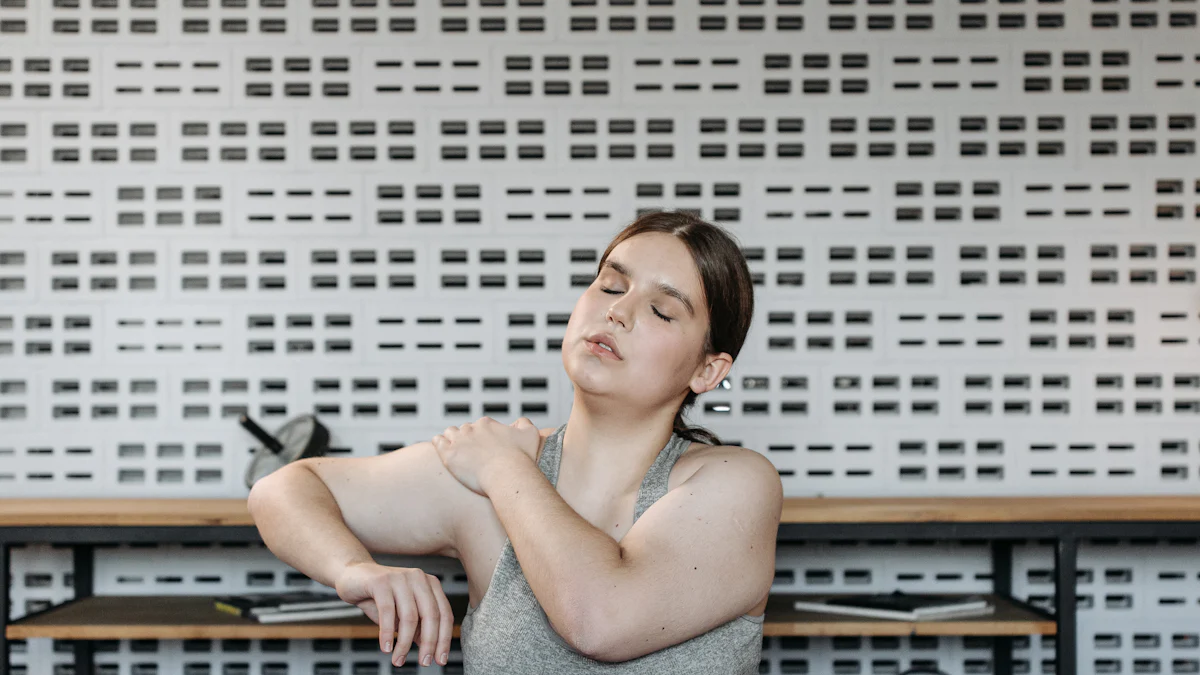
Your body has natural boundaries, and respecting them is essential in yoga. Overstretching can lead to discomfort or even injury. Instead of forcing your body into a pose, focus on moving within your current range of motion. Allow your muscles to gradually adapt and lengthen over time.
“No one can completely guarantee you’ll never hurt yourself while doing yoga. But there are some common-sense approaches you can take that will greatly reduce your chances of injuring yourself.”
— Yoga Instructor, Yoga Safety
By practising patience, you create a safer and more enjoyable experience. Remember, yoga is not about achieving perfection but about progress and self-awareness.
Focus on gentle, gradual improvements.
Small, consistent steps lead to significant results. When practising seated poses, aim for subtle improvements in flexibility and strength. For example, in the Seated Forward Bend, reach slightly further each time without straining. This approach helps you build confidence and prevents unnecessary strain on your muscles and joints.
Tip: Celebrate small milestones, such as holding a pose longer or feeling more comfortable in a stretch. These achievements reflect your growth and dedication.
Ignoring Alignment
Maintain proper posture to prevent strain or injury.
Alignment plays a crucial role in yoga. Poor posture can cause discomfort and reduce the effectiveness of a pose. For instance, slouching in Sukhasana (Easy Pose) may strain your lower back. Always sit tall with your spine straight and shoulders relaxed. This position ensures stability and promotes better breathing.
Using props can help you maintain alignment. A cushion under your hips or a block beneath your knees can make seated poses more accessible. These adjustments support your body and encourage proper posture.
Fun Fact: Props not only improve alignment but also enhance your overall yoga experience by reducing tension and increasing comfort.
Use a mirror or guidance from a teacher if needed.
A mirror can help you observe your posture and make necessary corrections. Alternatively, seek guidance from a qualified yoga instructor. They can provide personalised feedback and ensure you practise safely.
“Consulting a yoga instructor can provide you with personalised guidance.”
— Yoga Instructor, Yoga Safety
If attending a class isn’t possible, online tutorials or videos from reputable instructors can also be valuable resources.
Skipping Warm-Ups
Always prepare your body with light stretches before starting.
Warm-ups are essential for preparing your body for seated poses. They increase blood flow to your muscles and improve joint mobility. Simple exercises like neck rolls, shoulder shrugs, and wrist rotations loosen up your body and reduce the risk of strain.
Did you know? Warm-ups not only prevent injuries but also enhance your flexibility, making it easier to perform seated poses comfortably.
Warm-ups reduce the risk of injury and improve flexibility.
Neglecting warm-ups can leave your muscles stiff and prone to injury. By dedicating a few minutes to gentle stretches, you create a solid foundation for your practice. For example, practising the Seated Cat-Cow Stretch as part of your warm-up routine can prepare your spine for deeper movements.
Tip: Incorporate mindful breathing into your warm-up. Deep breaths calm your mind and set a positive tone for your session.
Avoiding these common mistakes ensures a safer and more rewarding yoga practice. By respecting your body’s limits, maintaining proper alignment, and prioritising warm-ups, you can enjoy the full benefits of seated poses.
Seated poses for yoga offer numerous benefits, including improved flexibility, relaxation, and mindfulness. These poses provide a gentle way to enhance your physical and mental well-being. Start with the poses outlined in this guide and adjust them to suit your comfort level. Consistency and patience are essential for building a successful practice. Approach each session as a step forward in your journey. Remember, yoga is not about perfection but progress. Every small effort you make contributes to a healthier and more balanced lifestyle.
See Also
Achieving Perfection in the Lotus Yoga Position
Practising Yoga Techniques Using a Chair for Support
A Comprehensive Guide to Perfecting Tree Pose

Hi my name is Lia and i am your host in this yoga journey in Portugal, Subscribe to our newsletter to receive every week the best of Yoga in Portugal.

We bring back the importance of initiation into womanhood by Roos-Veerle Krijnen & Ella-June Henrard
Welcome to the Women’s Initiation Retreat by Naked Truth Retreats, a transformative journey into the depths of your True Feminine Nature. This retreat invites you to remember the sacredness and wholeness of your being.
Roos-Veerle Krijnen & Ella-June Henrard