How to Practice Yin Yoga for Ultimate Relaxation

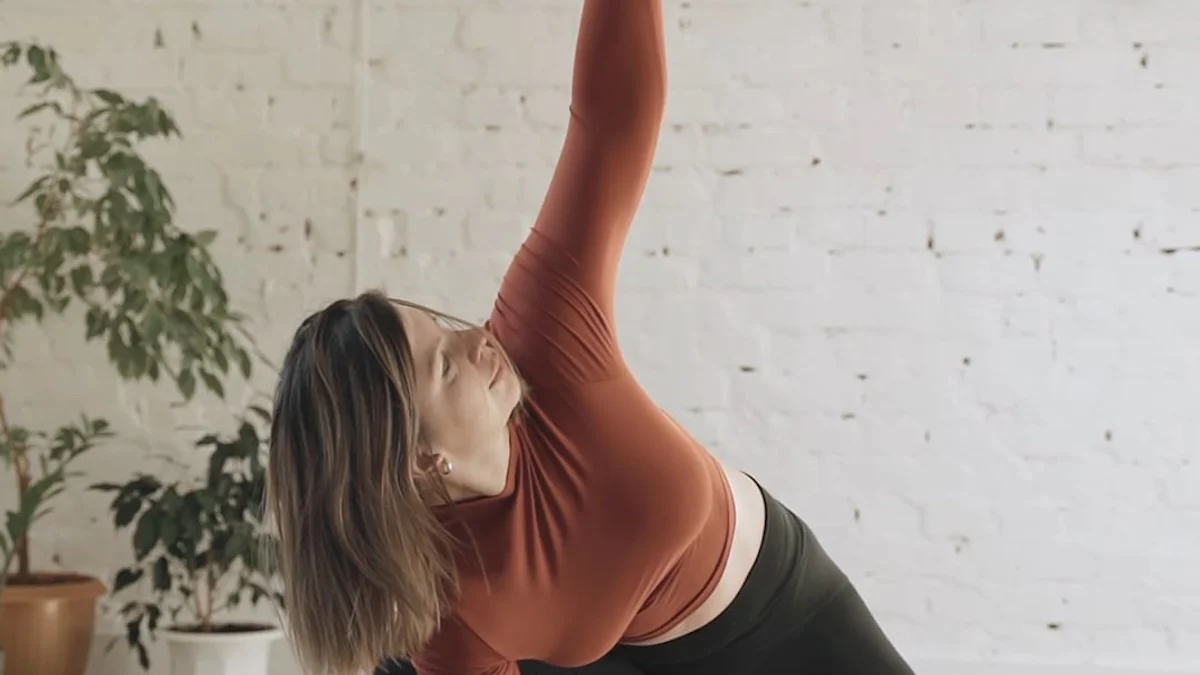
Yin yoga offers a serene escape from the chaos of daily life. In today's fast-paced world, finding moments of peace becomes essential. This gentle practice focuses on holding poses for extended periods, allowing you to stretch deeply and relax your mind. Yin yoga workouts can significantly reduce stress and anxiety, promoting a sense of tranquility. Studies show that regular practice not only calms the mind but also improves psychological health, making it a powerful tool for ultimate relaxation.
Understanding Yin Yoga
Origins and Philosophy
Historical Background
Yin Yoga emerged in the late 1970s, primarily developed by Paulie Zink. This practice draws inspiration from traditional Chinese Taoist principles, martial arts, and yoga. Paul Grilley and Sarah Powers later expanded its reach, teaching it across North America and Europe. Their work helped integrate Yin Yoga with more active forms of exercise, creating a balanced approach to physical and mental well-being.
Core Principles
Yin Yoga focuses on holding poses for extended periods. This allows you to stretch deeply and target connective tissues. The practice encourages stillness and mindfulness, helping you connect with your body and emotions. By embracing these principles, you cultivate patience and inner peace.
Differences from Other Yoga Styles
Yin vs. Yang Yoga
Yin Yoga emphasizes passive stretching and relaxation. In contrast, Yang Yoga involves dynamic movements and muscle engagement. While Yin Yoga nurtures calmness, Yang Yoga builds strength and stamina. Together, they create a harmonious balance in your practice.
Yin Yoga vs. Restorative Yoga
Both Yin and Restorative Yoga promote relaxation, but they differ in focus. Yin Yoga targets deep connective tissues, while Restorative Yoga aims to rejuvenate the body through supported poses. Using props like pillows and blankets enhances comfort in both styles, yet Yin Yoga often involves longer holds to deepen the stretch.
Preparing for Yin Yoga Practice
Setting the Environment
Creating a Calm Space
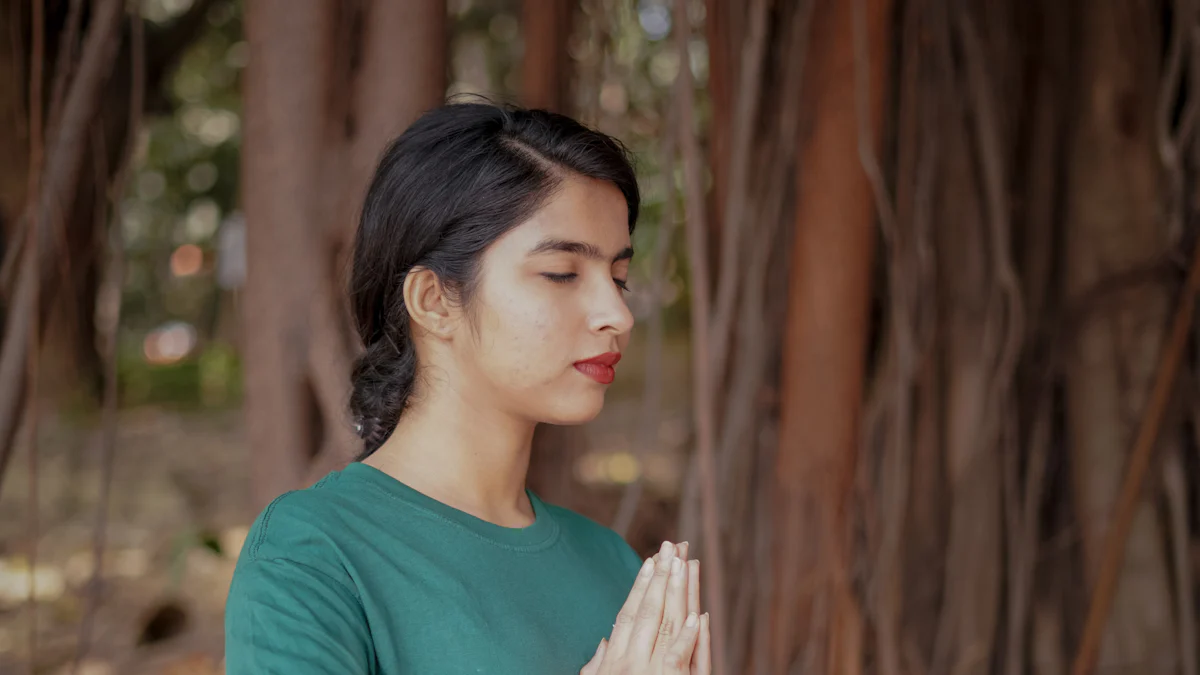
Creating a serene environment is essential for a fulfilling Yin Yoga practice. Begin by choosing a quiet room where you can focus without distractions. Dim the lights or use candles to create a soothing ambiance. Soft music or nature sounds can enhance the tranquility of your space. Consider adding elements like plants or essential oils to promote relaxation. Your environment should invite peace and calmness, allowing you to fully immerse yourself in the practice.
Essential Props and Equipment
Props play a crucial role in Yin Yoga, providing support and comfort during extended poses. Equip yourself with bolsters, blocks, and blankets. These items help maintain proper alignment and reduce strain, making poses more accessible. Straps can assist in achieving deeper stretches without overexertion. Each prop enhances the meditative aspect of Yin Yoga, allowing you to focus on your breath and inner peace. Investing in quality props ensures a more rewarding practice.
Mental and Physical Preparation
Mindfulness Techniques
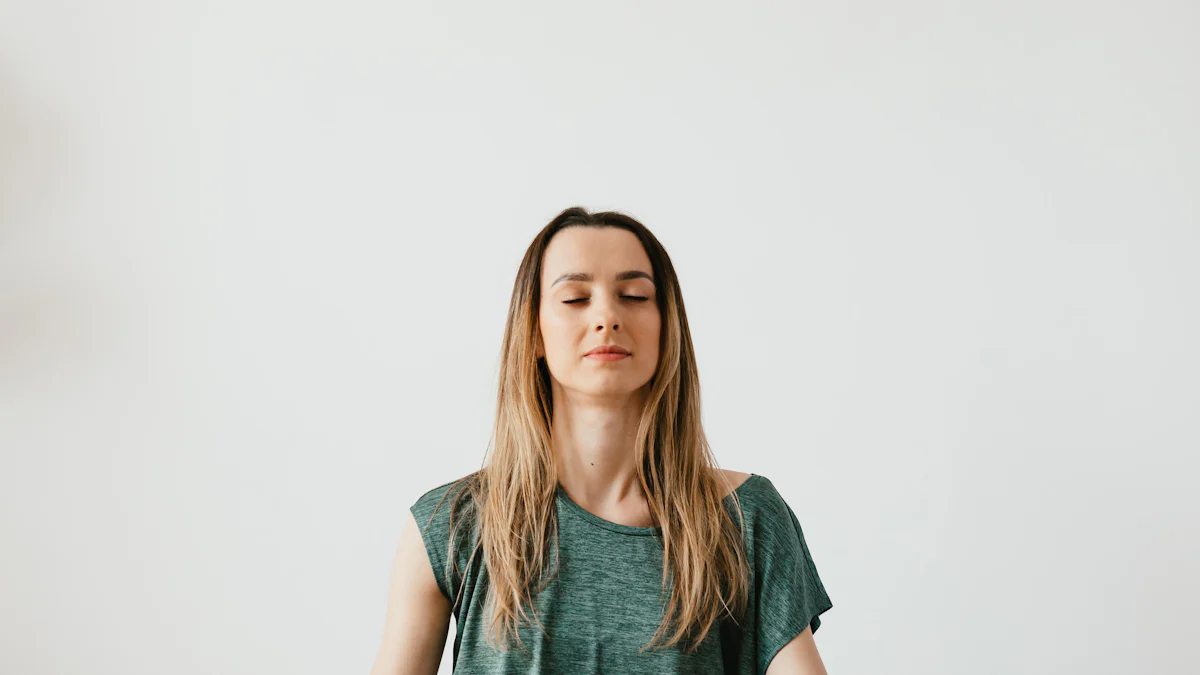
Before starting your Yin Yoga session, engage in mindfulness techniques to center your mind. Take a few moments to sit quietly and focus on your breath. Inhale deeply through your nose, hold for a moment, and exhale slowly. This simple breathing exercise calms your mind and prepares you for the practice ahead. Visualization can also be beneficial. Picture a peaceful scene, like a tranquil beach or a serene forest, to enhance your mental state.
Warm-up Exercises
Physical preparation is equally important. Begin with gentle warm-up exercises to loosen your muscles and joints. Simple movements like neck rolls, shoulder shrugs, and wrist circles can ease tension. Incorporate light stretches to prepare your body for the deeper poses of Yin Yoga. These exercises increase blood flow and flexibility, reducing the risk of injury. A well-prepared body allows you to hold poses longer and experience the full benefits of Yin Yoga.
Key Yin Yoga Poses for Relaxation
Yin yoga workouts offer a gentle yet profound way to unwind and connect with your inner self. By holding poses for extended periods, you allow your body to release tension and your mind to find peace. Let's explore some key poses that can enhance your relaxation journey.
Beginner Poses
Butterfly Pose
The Butterfly Pose is a wonderful starting point in your yin yoga workout. Sit on the floor and bring the soles of your feet together, allowing your knees to fall open like butterfly wings. This pose gently stretches your inner thighs and hips, encouraging a deep sense of relaxation. As you hold this position, focus on your breath and let go of any tension. The Butterfly Pose not only opens your hips but also invites a calming energy into your practice.
Child's Pose
Child's Pose is a comforting posture that helps you reconnect with your breath and body. Begin by kneeling on the floor, then sit back on your heels and stretch your arms forward, resting your forehead on the mat. This pose gently stretches your back and shoulders, providing a soothing release. In your yin yoga workout, Child's Pose serves as a sanctuary of peace, allowing you to pause and reflect. Embrace the stillness and let your worries melt away.
Intermediate Poses
Dragon Pose
For those ready to deepen their yin yoga workout, the Dragon Pose offers a powerful stretch for the hips and groin. Start in a low lunge position with one foot forward and the other leg extended back. Sink your hips toward the floor, feeling the stretch in your hip flexors. This pose challenges your flexibility and encourages mindfulness. As you hold the Dragon Pose, breathe deeply and embrace the sensations in your body. This practice not only enhances physical flexibility but also cultivates mental resilience.
Saddle Pose
The Saddle Pose is an invigorating addition to your yin yoga workout, targeting the thighs and lower back. Begin by sitting on your heels, then lean back, placing your hands behind you for support. Gradually lower your back toward the floor, feeling the stretch in your quadriceps and spine. This pose requires patience and awareness, inviting you to explore your limits. As you settle into the Saddle Pose, focus on your breath and allow your body to open. This practice fosters a sense of liberation and tranquility.
Incorporating these poses into your yin yoga workout can transform your practice into a journey of self-discovery and relaxation. Each pose offers unique benefits, helping you release stress and embrace a state of calm. Remember, the key to a successful yin yoga workout lies in your willingness to surrender and be present. Let these poses guide you toward ultimate relaxation and well-being.
Techniques for Deepening Relaxation
Breathing Techniques
Diaphragmatic Breathing
Diaphragmatic breathing, often called belly breathing, serves as a cornerstone in Yin Yoga. This technique encourages you to breathe deeply into your diaphragm rather than shallowly into your chest. By doing so, you activate the parasympathetic nervous system, which signals your body to relax and unwind. As you inhale, let your belly expand fully, and as you exhale, feel it gently contract. This method not only promotes relaxation but also helps you hold poses for longer durations, allowing you to access new depths in your practice.
"Yin yoga focuses on breathing and diaphragmatic breathing (belly breathing), which activates the parasympathetic nervous system and signals the body to relax and unwind."
Alternate Nostril Breathing
Alternate nostril breathing, or Nadi Shodhana, balances the left and right hemispheres of your brain. This technique involves closing one nostril with your thumb while inhaling through the other, then switching sides for the exhale. Practicing this method calms your mind and reduces stress, making it an excellent addition to your Yin Yoga routine. It enhances focus and clarity, helping you maintain mindfulness throughout your practice.
Meditation and Visualization
Guided Meditation
Guided meditation offers a structured approach to achieving mental tranquility. During your Yin Yoga session, listen to a calming voice that leads you through a series of visualizations and affirmations. This practice helps you focus your thoughts and release tension. As you follow the guidance, you cultivate a sense of peace and presence, allowing you to fully immerse yourself in the moment.
Visualization Practices
Visualization practices involve creating mental images that evoke a sense of calm and relaxation. Picture yourself in a serene environment, such as a tranquil beach or a lush forest. As you hold your Yin Yoga poses, let these images fill your mind, transporting you to a place of peace. Visualization enhances your ability to stay present and deepen your relaxation, making it a powerful tool in your practice.
Incorporating these techniques into your Yin Yoga routine can transform your practice into a profound journey of relaxation and self-discovery. By focusing on your breath and engaging in meditation and visualization, you unlock new levels of tranquility and well-being. Embrace these methods and let them guide you toward ultimate relaxation.
Integrating Yin Yoga into Daily Life
Incorporating yin yoga into your daily routine can transform your life. This practice offers a path to peace and well-being, helping you navigate the challenges of modern living.
Creating a Routine
Scheduling Practice Sessions
Consistency is key to reaping the benefits of yin yoga. Set aside specific times each week for your practice. Whether it's early morning or before bed, find a time that suits your lifestyle. Regular sessions help you build a habit, making relaxation a natural part of your day.
Balancing Yin Yoga with Other Activities
Balance yin yoga with other activities to create a well-rounded lifestyle. Combine it with more active exercises like running or cycling. This approach nurtures both your body and mind. You’ll find that yin yoga complements your other pursuits, enhancing overall well-being.
Long-term Benefits
Physical Health Improvements
Yin yoga offers profound physical benefits. Regular practice can improve flexibility and joint health. As Kathy shared, "I discovered Yin and it has been profoundly life-changing for me." Embrace this practice to feel rejuvenated and youthful.
Mental and Emotional Well-being
The mental and emotional benefits of yin yoga are equally transformative. It encourages mindfulness and reduces stress. As you connect with your inner self, you cultivate a sense of peace. Pernilla beautifully stated, "Yin yoga is a beautiful tool to make our world a better place." Let this practice guide you toward a more harmonious life.
Integrating yin yoga into your daily routine can lead to a more balanced and fulfilling life. Embrace this journey and discover the tranquility that awaits you.
Yin Yoga offers profound benefits for both body and mind. By practicing regularly, you can release stress stored in deeper tissues and cultivate self-awareness. This practice encourages stillness and introspection, allowing you to connect deeply with yourself. Incorporate Yin Yoga into your daily routine to experience these transformative effects. Embrace the journey towards ultimate relaxation and holistic wellness. As you hold each pose, let go of tension and open up gradually. Discover the peace and acceptance that Yin Yoga brings, and let it guide you to a more balanced and fulfilling life.
See Also
Exploring the Benefits of Yin Yoga Practice
Best 12 Yoga Albums for Complete Relaxation
Exploring Romantic Yoga Getaways for Couples
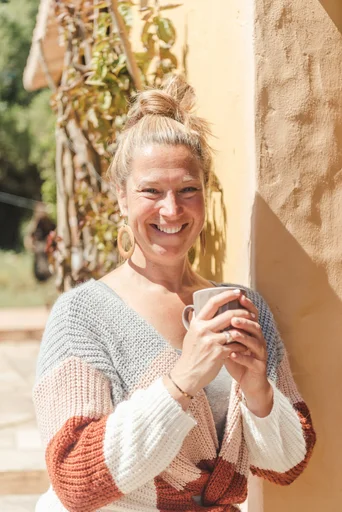
Hi my name is Lia and i am your host in this yoga journey in Portugal, Subscribe to our newsletter to receive every week the best of Yoga in Portugal.

We bring back the importance of initiation into womanhood by Roos-Veerle Krijnen & Ella-June Henrard
Welcome to the Women’s Initiation Retreat by Naked Truth Retreats, a transformative journey into the depths of your True Feminine Nature. This retreat invites you to remember the sacredness and wholeness of your being.
Roos-Veerle Krijnen & Ella-June Henrard