How to Practice Prenatal Gentle Yoga at Home

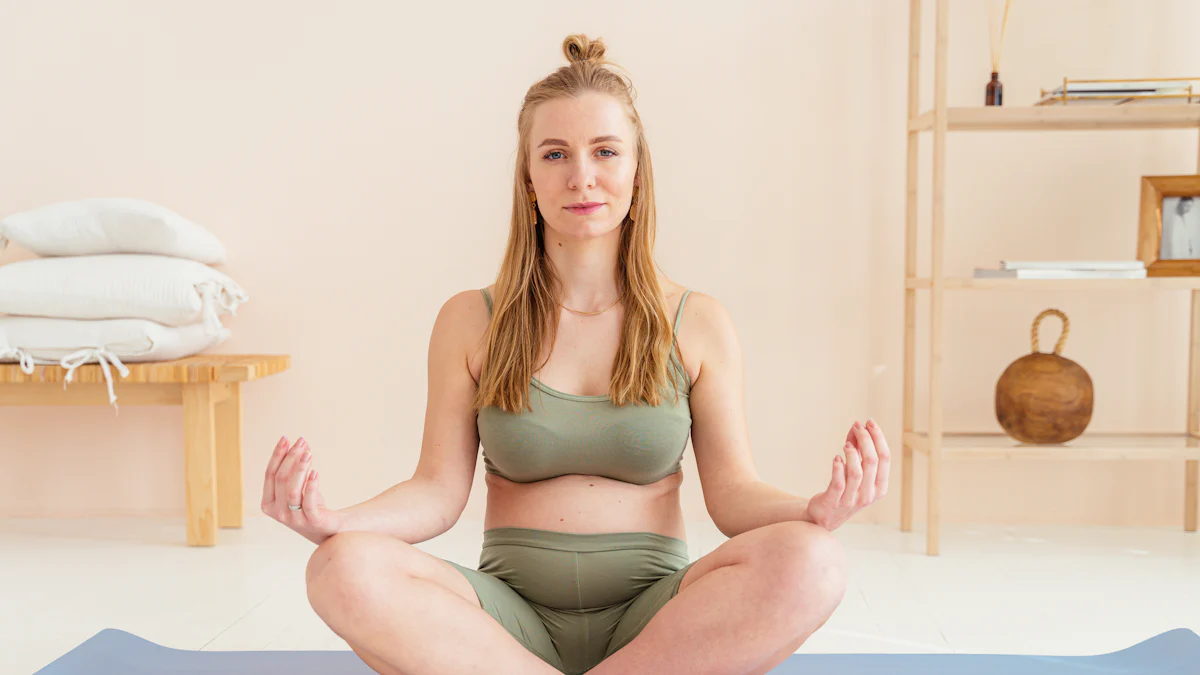
Practicing prenatal gentle yoga at home offers expecting mothers a host of benefits. You can enjoy reduced stress and anxiety, which helps stabilize mood and alleviate common pregnancy discomforts. This practice also supports physical health by improving flexibility and strength. Safety and comfort are crucial, so always listen to your body and make necessary adjustments. Home practice provides the convenience of tailoring sessions to your schedule and needs, allowing you to create a peaceful environment that enhances relaxation and well-being.
Getting Started with Prenatal Yoga at Home
Embarking on your prenatal gentle yoga journey at home can be both exciting and rewarding. Let's dive into how you can create the perfect environment and gather the necessary tools to make your practice enjoyable and effective.
Setting Up a Safe Space
Choosing the right location
First things first, find a spot in your home where you feel most comfortable and relaxed. This could be a quiet corner in your living room or a serene space in your bedroom. Make sure the area is well-ventilated and has enough natural light to keep you energized. A peaceful environment will help you focus on your practice and connect with your body.
Ensuring a clutter-free environment
Once you've chosen your location, it's time to declutter. Remove any unnecessary items that might distract you or take up space. A tidy area not only enhances your concentration but also ensures safety by minimizing the risk of tripping over objects. Keep your yoga space simple and inviting, so you can fully immerse yourself in the practice.
Necessary Equipment
Yoga mat and props
Investing in a good-quality yoga mat is essential for prenatal gentle yoga. Consider the YogaMama® Prenatal Yoga Mat, which offers a reversible design with two anti-slip grips. Its extra width provides comfort, and the 8mm thickness ensures optimal support and cushioning during your sessions. Additionally, gather some props like blocks, straps, and bolsters. These tools can help you modify poses and provide extra support as your body changes throughout pregnancy.
Comfortable clothing
Wearing the right clothing can make a significant difference in your yoga practice. Opt for breathable, stretchy fabrics that allow for a full range of motion. Avoid tight-fitting clothes that might restrict your movement or cause discomfort. Remember, comfort is key, so choose outfits that make you feel good and allow you to focus on your practice without distractions.
By setting up a safe space and gathering the necessary equipment, you're well on your way to enjoying the benefits of prenatal gentle yoga at home. Embrace this journey and let it bring peace and strength to your pregnancy experience.
Essential Prenatal Yoga Poses
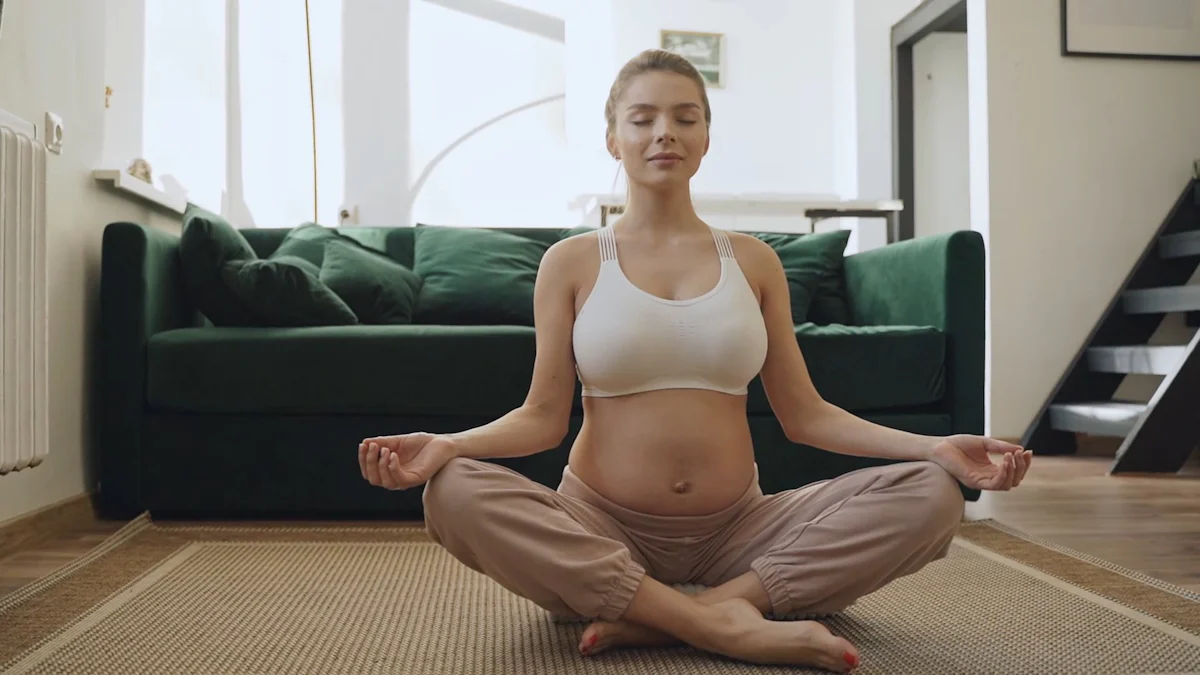
Prenatal gentle yoga offers a wonderful way to stay active and connected with your body during pregnancy. Let's explore some poses that are both safe and beneficial for expecting mothers.
Suitable Poses for Pregnancy
Cat-Cow Stretch
The Cat-Cow Stretch is a gentle way to warm up your spine and relieve back tension. Start on your hands and knees, aligning your wrists under your shoulders and knees under your hips. Inhale as you arch your back, lifting your head and tailbone towards the ceiling (Cow Pose). Exhale as you round your spine, tucking your chin to your chest (Cat Pose). This movement helps improve flexibility and can ease lower back pain, a common pregnancy complaint.
Child's Pose
Child's Pose provides a restful position to relax and stretch your back, hips, and thighs. Kneel on the floor, sit back on your heels, and extend your arms forward on the mat. Allow your forehead to rest on the ground. This pose encourages deep breathing and relaxation, helping to reduce stress and anxiety, which are crucial for a healthy pregnancy.
Goddess Squat
The Goddess Squat strengthens your legs and opens your hips, preparing your body for childbirth. Stand with your feet wider than hip-width apart, toes pointing outwards. Bend your knees and lower your hips into a squat, keeping your back straight. You can place your hands on your thighs or bring them together in front of your chest. This pose enhances flexibility and can alleviate discomfort in the pelvic area.
Triangle Pose
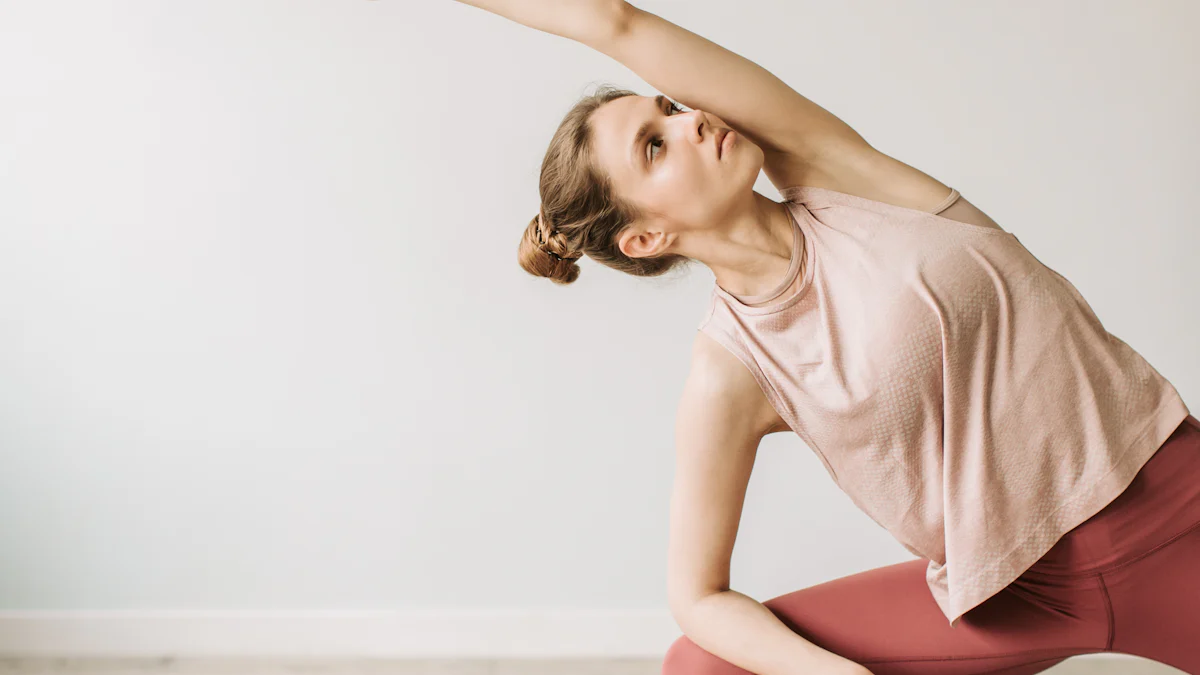
Triangle Pose stretches your sides and strengthens your legs, improving balance and stability. Stand with your feet wide apart, turn your right foot out, and extend your arms parallel to the floor. Reach your right hand towards your right ankle while your left arm extends upwards. Keep your gaze towards your left hand. This pose promotes overall body awareness and can help reduce pregnancy-related aches.
Modifications for Comfort and Safety
Using props for support
Props like blocks, straps, and bolsters can make your yoga practice more comfortable and safe. For instance, use a block under your hand in Triangle Pose if reaching the floor feels challenging. Bolsters can support your back in Child's Pose, allowing you to relax more deeply. These tools help you maintain proper alignment and prevent strain.
Adjusting poses for different trimesters
As your pregnancy progresses, your body changes, and so should your yoga practice. In the first trimester, focus on gentle movements and avoid poses that compress the abdomen. During the second trimester, you might need more support for balance, so use a wall or chair if necessary. In the third trimester, prioritize comfort and avoid lying flat on your back. Always listen to your body and modify poses to suit your needs.
Prenatal gentle yoga not only supports your physical health but also nurtures your mental well-being. By incorporating these poses into your routine, you can enjoy a more comfortable and mindful pregnancy journey.
Safety Tips and Precautions
When practicing prenatal gentle yoga at home, prioritizing safety is key. Let's explore some essential tips to ensure a safe and enjoyable experience.
Listening to Your Body
Your body communicates its needs and limits, especially during pregnancy. Paying attention to these signals helps you practice safely.
Recognizing signs of overexertion
Overexertion can lead to discomfort or injury. Watch for signs like dizziness, shortness of breath, or excessive fatigue. If you experience any of these, pause your practice and rest. It's important to respect your body's boundaries and avoid pushing too hard.
Importance of hydration
Staying hydrated supports your overall well-being and enhances your yoga practice. Drink water before, during, and after your session. Proper hydration helps maintain energy levels and prevents dehydration, which can be more common during pregnancy.
Consulting with Healthcare Providers
Before starting any new exercise routine, including prenatal yoga, consulting with your healthcare provider is a wise step.
Discussing yoga plans with a doctor
Share your yoga plans with your doctor. They can provide personalized advice based on your health and pregnancy progress. This conversation ensures that your practice aligns with your medical needs and any specific precautions you should take.
Understanding personal limitations
Every pregnancy is unique, and so are your limitations. Your healthcare provider can help you understand what activities are safe for you. Knowing your personal limits allows you to modify poses and choose practices that suit your body's current state.
By listening to your body and consulting with healthcare professionals, you create a safe and nurturing environment for your prenatal yoga practice. These precautions help you enjoy the benefits of yoga while prioritizing your health and your baby's well-being.
Benefits of Prenatal Gentle Yoga
Prenatal gentle yoga offers numerous benefits that can enhance both your physical and mental well-being during pregnancy. Let's explore how this practice can support you through this transformative journey.
Physical Health Benefits
Improved flexibility and strength
Engaging in prenatal gentle yoga helps you build flexibility and strength, which are crucial as your body changes. Regular practice encourages stretching and strengthening of muscles, preparing your body for the demands of childbirth. By incorporating poses that focus on different muscle groups, you can maintain a healthy posture and reduce the risk of injury. This approach not only supports your physical health but also boosts your confidence in your body's capabilities.
Reduced pregnancy discomfort
Pregnancy often brings discomforts like back pain and swollen ankles. Prenatal gentle yoga can alleviate these issues by promoting better circulation and relieving tension. Poses such as the Cat-Cow Stretch and Child's Pose target areas prone to discomfort, providing relief and enhancing your overall comfort. By practicing regularly, you can experience a more enjoyable pregnancy with fewer aches and pains.
Mental Health Benefits
Stress reduction
The journey of pregnancy can be emotionally taxing, but prenatal gentle yoga offers a sanctuary for stress relief. Through focused breathing and mindful movements, you can lower stress levels and promote a sense of calm. Research indicates that prenatal yoga reduces anxiety and depression, contributing to a more positive pregnancy experience. By dedicating time to this practice, you create a space for mental clarity and emotional balance.
Enhanced relaxation and sleep
Quality sleep is essential during pregnancy, yet it can be elusive. Prenatal gentle yoga encourages relaxation, helping you unwind and prepare for restful sleep. Techniques like deep breathing and meditation calm the mind, making it easier to fall asleep and stay asleep. As you incorporate these practices into your routine, you'll likely notice improvements in your sleep patterns and overall relaxation.
Prenatal gentle yoga is a holistic approach that nurtures both your body and mind. By embracing this practice, you can enjoy a healthier, more balanced pregnancy experience.
Breathing Techniques in Prenatal Yoga
Importance of Deep Breathing
Breathing deeply is a cornerstone of prenatal yoga. It helps you connect with your body and mind, creating a sense of calm and focus. Deep breathing techniques can significantly enhance your yoga practice and overall well-being during pregnancy.
Techniques for Relaxation
To start, find a comfortable seated position. Close your eyes and take a slow, deep breath in through your nose. Let your belly expand as you inhale. Hold the breath for a moment, then exhale slowly through your mouth. This simple technique, often called diaphragmatic breathing, encourages relaxation and reduces stress. Practicing this regularly can help you manage anxiety and prepare for labor.
Another effective method is alternate nostril breathing. Place your right thumb over your right nostril and inhale deeply through your left nostril. Close your left nostril with your ring finger, then release your right nostril and exhale through it. Repeat on the other side. This technique balances your energy and promotes mental clarity.
Benefits for Mother and Baby
Deep breathing offers numerous benefits for both you and your baby. It increases oxygen flow, which supports your baby's development and enhances your own energy levels. Research indicates that prenatal yoga, including focused breathing, can improve pregnancy outcomes and ease labor. By practicing these techniques, you learn to trust your body and its natural rhythms.
Breathing exercises also help manage shortness of breath, a common issue during pregnancy. They teach you to breathe efficiently, making it easier to cope with physical changes and contractions during labor. As you incorporate these practices into your routine, you'll likely notice a greater sense of peace and readiness for childbirth.
Incorporating deep breathing into your prenatal yoga practice nurtures both your physical and emotional health. Embrace these techniques to create a more mindful and serene pregnancy experience.
Practicing prenatal gentle yoga at home offers numerous benefits for your overall well-being. By incorporating this practice into your routine, you can enhance both your physical and mental health. Yoga helps you prepare for the challenges of childbirth and motherhood by building strength and reducing stress. Remember to prioritize safety and listen to your body. Adjust poses as needed and consult with healthcare providers to ensure a safe practice. Embrace this journey and let prenatal gentle yoga bring peace and strength to your pregnancy experience.
See Also
Enhance Your Pregnancy Wellness With Gentle Prenatal Yoga
Gentle Prenatal Yoga: A Supportive Partner For Expecting Moms
Begin Your Somatic Yoga Practice From The Comfort Of Home

Hi my name is Lia and i am your host in this yoga journey in Portugal, Subscribe to our newsletter to receive every week the best of Yoga in Portugal.

We bring back the importance of initiation into womanhood by Roos-Veerle Krijnen & Ella-June Henrard
Welcome to the Women’s Initiation Retreat by Naked Truth Retreats, a transformative journey into the depths of your True Feminine Nature. This retreat invites you to remember the sacredness and wholeness of your being.
Roos-Veerle Krijnen & Ella-June Henrard