How to Practice Dhyan Yoga at Home for Beginners

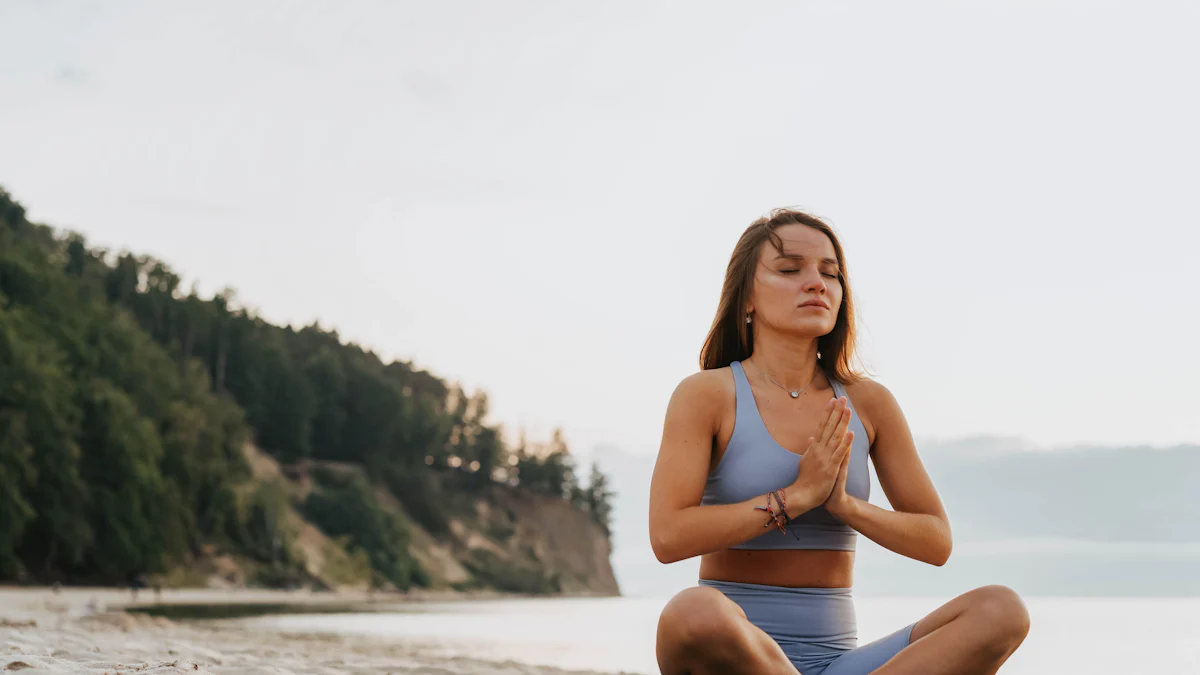
Are you curious about starting Dhyan Yoga at home? You're not alone. Many people turn to yoga for wellness, with a significant rise in practitioners over the years. Dhyan Yoga offers a path to personal growth and inner peace. Imagine finding calm amidst chaos and clarity in confusion. Practicing at home allows you to explore these benefits at your own pace. You can experience reduced stress and improved focus, enhancing your overall well-being. So, why not take the first step towards a more balanced life?
Understanding Dhyan Yoga
What is Dhyan Yoga?
Dhyan Yoga, often referred to as the yoga of meditation, is a practice that helps you cultivate a deep state of concentration and mindfulness. It is one of the eight limbs of yoga as defined by the ancient sage Patanjali in the Yoga Sutras. In Dhyan Yoga, you focus your mind on a single point or object, allowing you to achieve a state of complete absorption. This practice is not just about sitting still; it's about training your mind to remain steady and calm, even amidst distractions.
When you engage in Dhyan Yoga, you begin by mastering basic yoga postures (asanas) and breath control (pranayama). These foundational practices prepare your body and mind for deeper meditation. As you progress, you learn to withdraw your senses from external stimuli, a process known as pratyahara. This withdrawal helps you concentrate better, paving the way for true meditation.
The Philosophy Behind Dhyan Yoga
The philosophy of Dhyan Yoga is deeply rooted in the dualistic concepts of Purusha (consciousness) and Prakriti (matter). According to yoga philosophy, you are a link between these two elements. The ultimate goal of Dhyan Yoga is to achieve moksha, or spiritual liberation, by transcending the material world and realizing your true self.
In the practice of Dhyan Yoga, you follow ethical guidelines known as Yamas and Niyamas. These moral codes guide your behavior and help you cultivate a disciplined lifestyle. By adhering to these principles, you create a strong foundation for your meditation practice.
Dhyan Yoga also involves the practice of Dharana, which is the art of concentration. Regular practice of Dharana allows you to focus more naturally and deeply. As you become proficient in Dharana, you transition into Dhyana, where your mind becomes completely absorbed in meditation. This state of deep meditation leads to Samadhi, a blissful state of mind where you experience complete detachment from worldly concerns.
"Dhyana simply means the practice of properly think or perceive." - Patanjali
By understanding and embracing the philosophy of Dhyan Yoga, you embark on a journey of self-discovery and inner peace. This practice not only enhances your mental clarity but also brings emotional balance and stress reduction into your life.
Preparing Your Space for Dhyan Yoga
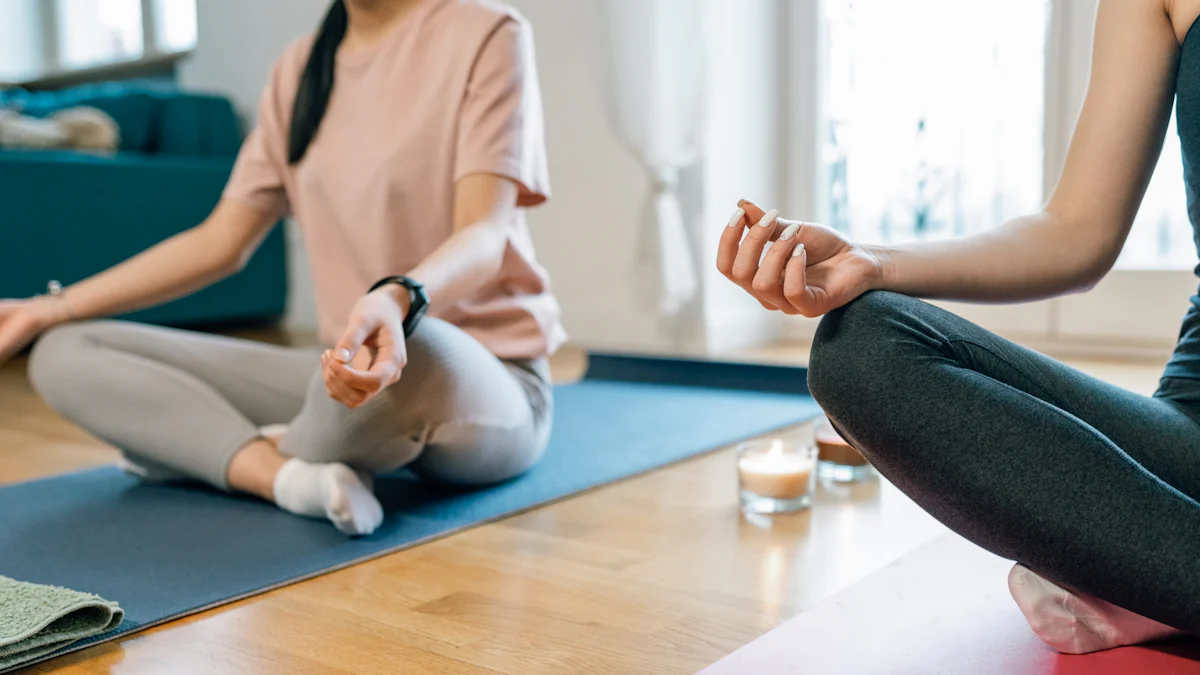
Creating a dedicated space for your Dhyan Yoga practice at home can significantly enhance your experience. This space becomes a sanctuary where you can retreat from the hustle and bustle of daily life. Let's explore how you can set up the perfect environment for your practice.
Choosing the Right Location
Selecting the right spot for your yoga practice is crucial. You want a place that feels peaceful and inviting. Look for a quiet corner in your home where you won't be disturbed. It could be a spare room, a section of your living room, or even a cozy nook in your bedroom. If you have access to an outdoor area like a backyard, that can also be a wonderful option, especially on pleasant days.
Consider the lighting in your chosen location. Natural light can create a serene atmosphere, but if that's not possible, soft artificial lighting works too. The key is to find a spot where you feel comfortable and at ease. Remember, this is your personal space, so it should reflect your preferences and make you feel good.
Setting the Ambiance
Once you've chosen your location, it's time to set the ambiance. Start by decluttering the area. A tidy space helps clear your mind and allows you to focus better during your practice. Remove any unnecessary items and keep only what you need for your yoga session.
Personalizing your space can make it more inviting. Consider adding elements that resonate with you, such as a small plant, a candle, or a piece of art. These touches can help create a calming environment. Some people like to burn incense or use essential oils to enhance the sensory experience. A favorite ritual for many is lighting a bit of sustainably sourced Palo Santo before beginning their practice.
Incorporate mindful rituals into your setup. You might want to start each session with a few moments of silence or a short meditation. This helps you transition from the outside world into your yoga practice. Mood lighting can also play a role in setting the tone. Dim the lights or use a lamp with a warm glow to create a soothing atmosphere.
By preparing your space thoughtfully, you lay the foundation for a fulfilling Dhyan Yoga practice. This intentional setup not only supports your physical practice but also deepens your connection to the mental and spiritual aspects of yoga.
Step-by-Step Guide to Practicing Dhyan Yoga
Embarking on your Dhyan Yoga journey at home can be both exciting and rewarding. This step-by-step guide will help you get started with the basics, ensuring you build a strong foundation for your practice.
Basic Postures and Positions
Begin your Dhyan Yoga practice by mastering some basic postures. These positions help you maintain comfort and stability during meditation. Here are a few to get you started:
Sukhasana (Easy Pose): Sit cross-legged on the floor. Keep your spine straight and your hands resting on your knees. This posture promotes relaxation and focus.
Padmasana (Lotus Pose): If you're comfortable, try this advanced version of Sukhasana. Place each foot on the opposite thigh. This position enhances concentration and steadiness.
Vajrasana (Thunderbolt Pose): Kneel and sit back on your heels. Keep your back straight and hands on your thighs. This pose aids digestion and calms the mind.
These postures prepare your body for meditation by promoting physical stability and mental focus. Regular practice of these poses can improve your muscular strength and flexibility, contributing to overall well-being.
Breathing Techniques
Breathing is a crucial component of Dhyan Yoga. It helps calm the mind and prepares you for deeper meditation. Here are some techniques to incorporate into your practice:
Pranayama (Breath Control): Focus on deep, slow breaths. Inhale through your nose, filling your lungs completely, then exhale slowly. This technique reduces stress and enhances mental clarity.
Nadi Shodhana (Alternate Nostril Breathing): Close your right nostril with your thumb and inhale through the left. Close the left nostril with your ring finger, release the right, and exhale. Repeat on the other side. This practice balances energy and promotes relaxation.
Kapalabhati (Skull Shining Breath): Take a deep breath in, then exhale forcefully through your nose while pulling your abdomen in. This energizing technique clears the mind and boosts focus.
Incorporating these breathing exercises into your routine can lead to improved cardiovascular function and reduced anxiety, as supported by various studies on yoga's effects on physical and mental health.
Meditation Practices
Meditation is the heart of Dhyan Yoga. It involves focusing your mind to achieve a state of deep concentration and mindfulness. Here's how you can start:
Mindfulness Meditation: Sit comfortably and close your eyes. Focus on your breath or a specific object. When your mind wanders, gently bring your attention back. This practice enhances self-awareness and emotional balance.
Guided Meditation: Use audio or video resources to guide your meditation. These can provide structure and support, especially if you're new to meditation.
Mantra Meditation: Choose a word or phrase that resonates with you. Repeat it silently or aloud during meditation. This technique helps anchor your mind and deepen your focus.
Regular meditation practice can lead to mental clarity, stress reduction, and improved sleep patterns. By dedicating time to these practices, you cultivate a sense of inner peace and personal growth.
Tips for Beginners
Starting your journey with Dhyan Yoga can feel overwhelming, but taking small steps can make a big difference. Here are some tips to help you ease into your practice and overcome common challenges.
Starting Small and Building Consistency
Begin your Dhyan Yoga practice by setting realistic goals. You don't need to meditate for hours on your first day. Start with just five to ten minutes daily. This manageable time frame helps you build a habit without feeling overwhelmed. As you grow more comfortable, gradually increase the duration of your sessions.
Consistency is key. Try to practice at the same time each day. This routine helps reinforce your commitment and makes it easier to integrate yoga into your daily life. Whether it's morning or evening, choose a time that suits your schedule and stick to it.
Sarah Marsh, who found comfort in yoga during a period of insomnia, shares how starting small helped her. She began attending local classes and gradually incorporated yoga into her daily routine. This approach not only improved her sleep but also introduced her to the benefits of mindful thinking.
"I loved how slow and methodical it was, and the fact that teachers discussed mindful and positive thinking." - Sarah Marsh
Overcoming Common Challenges
As a beginner, you might face challenges like restlessness or difficulty focusing. Remember, these are normal. The key is to acknowledge these distractions without judgment and gently bring your focus back to your practice. Over time, you'll find it easier to maintain concentration.
Another common challenge is physical discomfort. If you experience aches or pains, adjust your posture or try different positions. Yoga should never cause pain. Listen to your body and modify poses as needed. One practitioner shared how yoga helped them cope with a slipped disc, highlighting the importance of adapting practices to suit individual needs.
"I use to have trouble from a slipped disc in my back but doing yoga really helped me cope with it."
Lastly, don't hesitate to seek guidance. Use resources like guided meditations or instructional videos to support your practice. These tools can provide structure and encouragement, especially when you're just starting out.
By starting small and addressing challenges head-on, you can cultivate a fulfilling Dhyan Yoga practice. This journey not only enhances your physical well-being but also offers profound mental health benefits, helping you navigate life's challenges with greater ease.
Benefits of Practicing Dhyan Yoga
Practicing Dhyan Yoga at home offers numerous benefits that can enhance your mental, emotional, and spiritual well-being. Let's explore how this practice can positively impact your life.
Mental Clarity and Focus
Dhyan Yoga helps sharpen your mind, allowing you to think more clearly and focus better. When you meditate regularly, you train your brain to concentrate on a single point or thought. This practice reduces mental clutter and enhances your ability to stay present. Many people find that their decision-making skills improve as they gain a clearer perspective on their thoughts and emotions.
Survey Results:
A 2012 National Health Interview Survey revealed that about 94% of yoga practitioners in the U.S. engage in yoga for wellness reasons. This includes seeking mental clarity and focus.
Participants who practiced yoga reported reduced anxiety and better sleep, which contribute to improved mental clarity.
Emotional Balance and Stress Reduction
Dhyan Yoga provides a sanctuary for your mind, helping you manage stress and emotions more effectively. By focusing on your breath and being present, you can calm your nervous system and reduce stress levels. This practice encourages emotional balance, allowing you to respond to life's challenges with greater ease.
Survey Results:
A 2016 meta-analysis found that yoga, including Dhyan Yoga, had a promising effect on anxiety. It was particularly beneficial for individuals with high anxiety levels.
Yoga has been shown to increase GABA activity, which is often lower in people with anxiety and mood disorders. This increase helps improve mood and reduce stress.
Enhanced Self-awareness
Through Dhyan Yoga, you develop a deeper understanding of yourself. Meditation encourages introspection, helping you become more aware of your thoughts, feelings, and behaviors. This heightened self-awareness allows you to identify patterns and make positive changes in your life. As you connect with your inner self, you cultivate a sense of peace and fulfillment.
Survey Results:
Many yoga practitioners report that yoga helps them cope with mental health challenges and chronic conditions. This coping ability stems from increased self-awareness and emotional resilience.
By incorporating Dhyan Yoga into your daily routine, you can experience these profound benefits. This practice not only enhances your mental clarity and emotional balance but also fosters a deeper connection with yourself. Embrace the journey and discover the transformative power of Dhyan Yoga.
Variations and Enhancements
Incorporating Mantras
Incorporating mantras into your Dhyan Yoga practice can elevate your meditation experience. Mantras are sacred words or phrases that hold spiritual significance. They resonate with the vibrational energy within your body, promoting a sense of calm and focus. You can choose a mantra that resonates with you or seek guidance from a yoga teacher. One popular mantra for beginners is the "So Hum" mantra, which generally means "I am that."
When you chant a mantra, you engage in the rhythmic repetition of specific sounds or words. These chants, often derived from ancient languages like Sanskrit, harmonize your mind and body. The vibrations produced during chanting can have a soothing effect, helping you achieve deeper concentration.
To incorporate mantras into your practice:
Select a Mantra: Choose one that feels meaningful to you. It could be a traditional Sanskrit mantra or a simple phrase in your native language.
Set an Intention: Before you begin, set a clear intention for your practice. This intention will guide your focus and enhance the effectiveness of the mantra.
Chant with Rhythm: Find a comfortable rhythm for your chanting. You can chant aloud or silently in your mind, depending on what feels right for you.
By integrating mantras into your Dhyan Yoga routine, you can deepen your meditation and cultivate a greater sense of inner peace.
Using Visualization Techniques
Visualization techniques offer another powerful way to enhance your Dhyan Yoga practice. These techniques involve creating mental images to guide your meditation and focus your mind. Visualization can help you connect more deeply with your intentions and goals.
To use visualization in your practice:
Choose a Focus: Decide on a specific image or scenario that aligns with your meditation goals. It could be a peaceful landscape, a symbol of strength, or an image that represents your aspirations.
Engage Your Senses: As you visualize, engage all your senses. Imagine the colors, sounds, and sensations associated with your chosen image. This multisensory approach can make your visualization more vivid and impactful.
Stay Present: Keep your attention on the visualization. If your mind wanders, gently bring it back to the image. This practice enhances your concentration and helps you stay present in the moment.
Visualization can transform your meditation experience, making it more immersive and meaningful. By incorporating these techniques, you can unlock new levels of focus and clarity in your Dhyan Yoga practice.
Practicing Dhyan Yoga at home offers a path to personal growth and tranquility. By following the steps outlined, you can create a serene space, master basic postures, and incorporate breathing techniques. These practices enhance mental clarity and emotional balance. As you embark on this journey, remember that consistency and patience are your allies. Regular practice strengthens your cognitive abilities and fosters a deeper connection with yourself. So, take the first step today and explore the transformative power of Dhyan Yoga. Your path to inner peace and self-discovery awaits.
See Also
A Comprehensive Guide to Mastering Dhyan Yoga
Starting Your Yoga Practice at Home: A Guide
Step-by-Step Approach to Master Kundalini Yoga at Home

Hi my name is Lia and i am your host in this yoga journey in Portugal, Subscribe to our newsletter to receive every week the best of Yoga in Portugal.

We bring back the importance of initiation into womanhood by Roos-Veerle Krijnen & Ella-June Henrard
Welcome to the Women’s Initiation Retreat by Naked Truth Retreats, a transformative journey into the depths of your True Feminine Nature. This retreat invites you to remember the sacredness and wholeness of your being.
Roos-Veerle Krijnen & Ella-June Henrard