How to Perform the Plank Pose in Yoga Step by Step

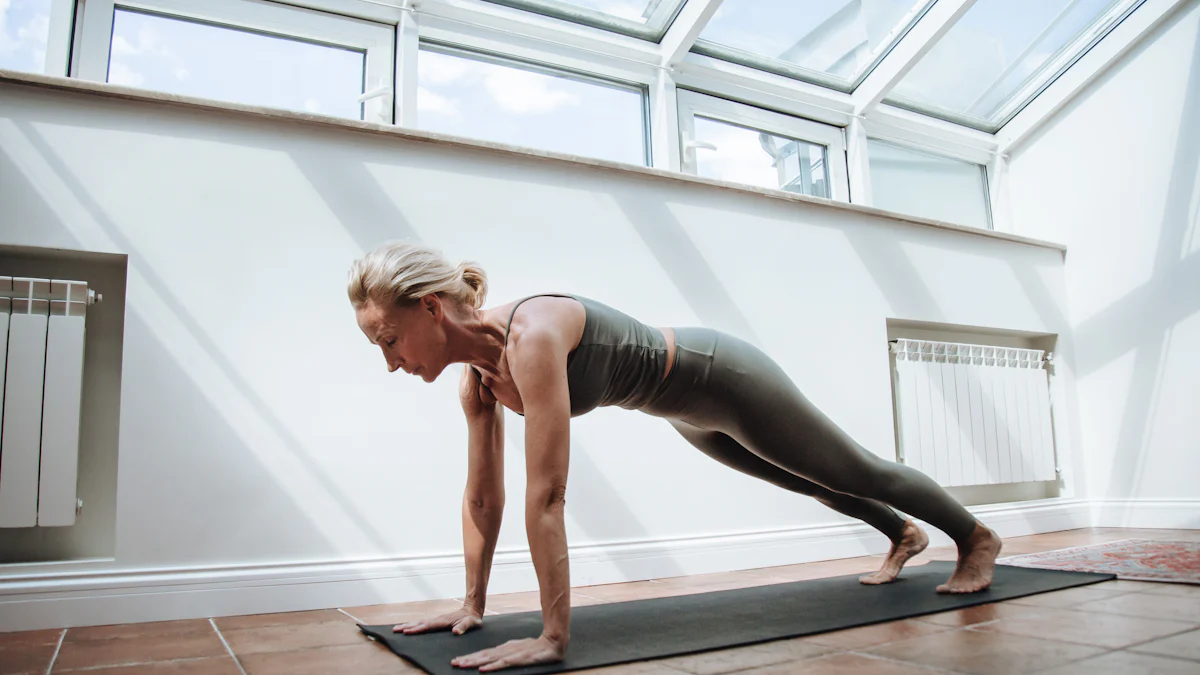
The plank position yoga is a powerful pose that challenges your entire body. It strengthens your core, arms, and legs while improving your posture and balance. By holding this position, you engage multiple muscle groups, building stability and endurance. This pose also supports better alignment, helping you move with confidence and ease in daily life. Whether you're new to yoga or experienced, mastering the plank can transform your strength and stability over time. With consistent practice, you'll notice toned muscles and enhanced physical control.
Key Takeaways
The plank pose strengthens your core, arms, and legs, enhancing overall stability and endurance.
Focus on proper alignment by maintaining a straight line from head to heels to avoid strain and maximize benefits.
Engage your core by pulling your belly button toward your spine, which protects your lower back and improves effectiveness.
Breathe deeply and steadily while holding the pose; this helps maintain focus and supports muscle engagement.
Start with beginner modifications like knee planks or inclined planks to build strength gradually and safely.
Practice consistently and prioritize quality over duration; shorter holds with correct form are more beneficial than longer, improper ones.
Listen to your body and adjust your practice as needed to prevent injury and ensure a safe yoga experience.
Step-by-Step Guide to the Plank Position Yoga
Step 1: Begin in a Tabletop or Downward Dog Position
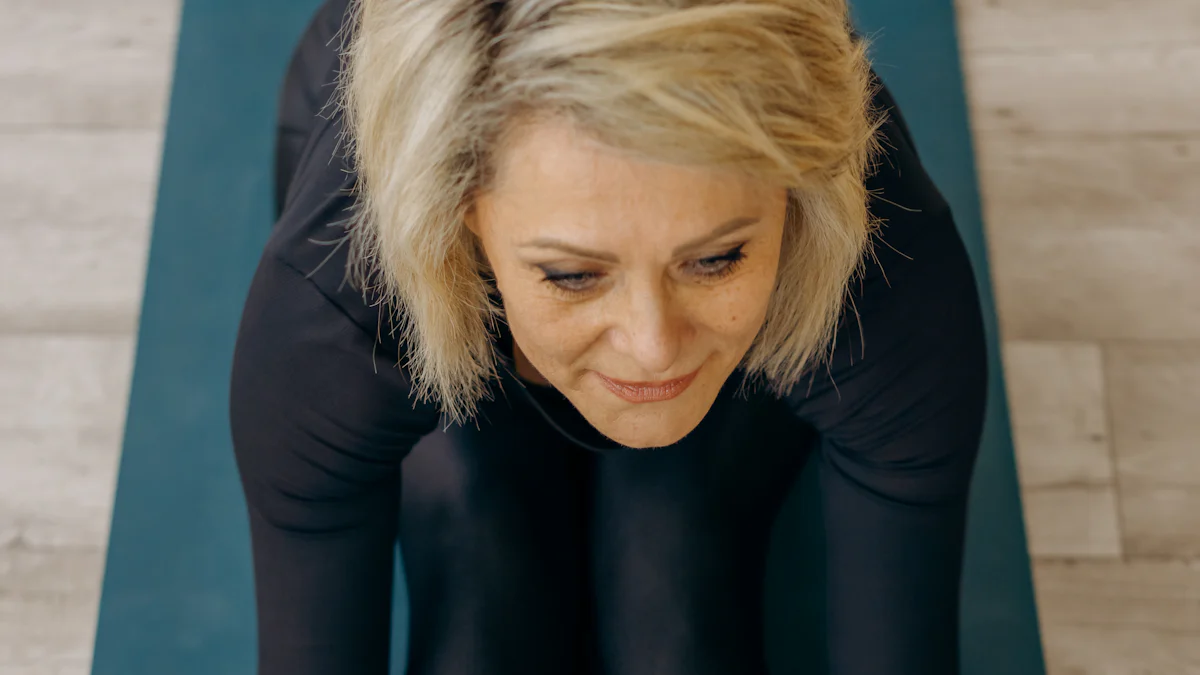
Start by positioning yourself on your yoga mat. If you're in a tabletop position, place your hands directly under your shoulders and your knees under your hips. Keep your back flat and your neck neutral. Alternatively, you can begin in downward dog. In this pose, your hands and feet press firmly into the mat, and your hips lift toward the ceiling, forming an inverted "V" shape.
Take a moment to ground yourself. Spread your fingers wide and press evenly through your palms. This creates a stable base for transitioning into the plank. Focus on your breath here. Deep, steady breaths will help you prepare for the next step.
"Plank is a foundational pose that strengthens your core, arms, and legs, improves your posture, and enhances your overall physical stability." – Yoga Instructor
Step 2: Transition to the Plank Position
From your starting position, shift your weight forward. If you began in tabletop, extend your legs straight back one at a time, tucking your toes under. If you started in downward dog, lower your hips and bring your shoulders forward until they align over your wrists. Your body should now form a straight line from your head to your heels.
Keep your hands shoulder-width apart and press firmly into the mat. Avoid letting your shoulders collapse or your wrists bear all the weight. Instead, engage your arms and shoulders to distribute the load evenly. This step sets the foundation for proper alignment in the plank position yoga.
Step 3: Align Your Body and Engage Your Core
Once you're in the plank position, check your alignment. Your head, shoulders, back, hips, and legs should form a straight line. Avoid letting your hips sag toward the mat or rise too high. A neutral spine is key to maintaining proper form.
Engage your core muscles by pulling your belly button toward your spine. This activation protects your lower back and helps you hold the pose effectively. Keep your glutes and thighs active as well. Strong engagement in these areas supports your body and prevents unnecessary strain.
Remember to breathe steadily. Inhale deeply through your nose and exhale fully. Holding your breath can make the pose more challenging and reduce its benefits.
"By practicing plank regularly, you can build endurance, flexibility, and balance, which are essential for mastering more challenging yoga poses." – Yoga Instructor
Step 4: Hold the Pose and Breathe
Now that you’re in the plank position, it’s time to hold the pose and focus on your breath. Keep your body steady and maintain the straight line from your head to your heels. Avoid shifting your weight or letting your form collapse. This is where you build strength and endurance.
Take slow, deep breaths. Inhale through your nose, filling your lungs completely. Exhale fully, releasing any tension in your body. Your breath acts as an anchor, helping you stay present and calm while holding the pose. If you feel your muscles shaking, don’t worry—it’s a sign that your body is working hard.
To make the most of this step, engage your entire body. Tighten your core, press your palms firmly into the mat, and activate your legs. Imagine energy flowing from your fingertips to your toes. This full-body engagement not only strengthens your muscles but also improves your stability.
"Plank is a foundational pose that strengthens your core, arms, and legs, improves your posture, and enhances your overall physical stability." – Yoga Instructor
Hold the pose for as long as you can while maintaining proper form. Start with 10-15 seconds if you’re a beginner, and gradually increase the duration as you grow stronger. Remember, quality matters more than quantity. It’s better to hold the pose for a shorter time with correct alignment than to push yourself too far and risk injury.
If you feel discomfort or strain, listen to your body and take a break. Practicing plank position yoga daily can help you build endurance and balance, but always prioritize safety. As one yoga instructor advises, “It’s safe to practice plank every day as long as you practice it correctly and listen to your body.”
Benefits of the Plank Position Yoga
Builds Core Strength
The plank position yoga is one of the most effective ways to strengthen your core. When you hold this pose, your abdominal muscles, obliques, and lower back work together to stabilize your body. This engagement builds a solid foundation for your overall strength. A strong core not only supports your yoga practice but also improves your daily movements, like bending, lifting, or even sitting for long periods.
Plank pose also activates deeper core muscles that are often overlooked in other exercises. These muscles help protect your spine and reduce the risk of injuries. By practicing regularly, you’ll notice improved stability and control in your body. As one yoga practitioner shared, “Plank Pose engages almost all muscles, making it a comprehensive strength-building exercise.”
Enhances Posture and Balance
Good posture starts with a strong and aligned body. The plank position yoga encourages you to maintain a straight line from your head to your heels. This alignment trains your body to hold itself upright, even when you’re off the mat. Over time, you’ll find yourself standing taller and sitting straighter without much effort.
Plank pose also improves your balance by engaging stabilizing muscles. These muscles help you stay steady during transitions in yoga and in everyday activities. Whether you’re walking on uneven ground or carrying groceries, better balance reduces the chances of falls or injuries. Many athletes, including those in sports like hockey and football, use plank variations to enhance their coordination and stability.
“Plank Pose is a foundational yoga posture that improves posture, balance, and mobility while reducing the risk of injury.” – Yoga Practitioner
Strengthens Arms, Shoulders, and Wrists
Your upper body gets a serious workout in the plank position yoga. Holding this pose requires your arms, shoulders, and wrists to support your body weight. This strengthens these areas over time, making them more resilient and capable of handling physical challenges.
Plank pose also helps build endurance in your shoulders and arms, which is essential for other yoga poses and daily tasks. For example, lifting heavy objects or pushing doors open becomes easier as your upper body grows stronger. Additionally, the pose improves wrist flexibility and strength, which can benefit those who spend long hours typing or using their hands.
If you’re consistent with your practice, you’ll notice toned arms and defined shoulders. As one yoga instructor explained, “Plank Pose strengthens the entire vertebral column, core, and wrists, making it a versatile and powerful exercise.”
Improves Overall Endurance and Stability
The plank position yoga is more than just a core exercise—it’s a full-body workout that builds endurance and stability. When you hold this pose, your muscles work together to keep your body steady. This engagement strengthens not only your core but also your arms, shoulders, legs, and back. Over time, this consistent effort improves your ability to maintain physical control in other activities.
Endurance grows as you challenge yourself to hold the plank for longer periods. Your muscles adapt to the demand, becoming stronger and more resilient. This increased stamina benefits your daily life, whether you’re climbing stairs, carrying groceries, or playing sports. Many athletes, including boxers and football players, incorporate plank variations into their training to enhance their performance and prevent injuries.
Stability is another key benefit of the plank pose. By engaging multiple muscle groups, you train your body to stay balanced during movement. This improved stability helps you transition smoothly between yoga poses and reduces the risk of falls in everyday life. As one yoga practitioner shared, “Plank Pose is a foundational movement that builds the strength and stability needed for more advanced postures.”
To maximize these benefits, focus on proper alignment and consistent practice. Start with shorter holds and gradually increase the duration as your strength improves. Remember, quality matters more than quantity. A well-executed plank will always deliver better results than a longer hold with poor form.
“Plank Pose is a versatile exercise that engages almost all muscles, making it a powerful tool for building endurance and stability.” – Yoga Practitioner
Common Mistakes to Avoid in the Plank Position Yoga
Allowing Hips to Sag or Rise Too High
One of the most common mistakes in plank pose is letting your hips either sag toward the mat or lift too high into the air. When your hips sag, it puts unnecessary strain on your lower back, which can lead to discomfort or even injury. On the other hand, raising your hips too high reduces the engagement of your core muscles, defeating the purpose of the pose.
To avoid this, focus on creating a straight line from your head to your heels. Imagine your body as a sturdy plank of wood—rigid and aligned. Engage your core by pulling your belly button toward your spine. Keep your glutes and thighs active to support your lower body. If you’re unsure about your alignment, try practicing in front of a mirror or ask a yoga instructor for feedback.
“Plank Pose strengthens the muscles surrounding the spine, helping you maintain proper alignment and avoid lower back pain.” – Yoga Practitioner
Placing Hands or Elbows Incorrectly
Improper hand or elbow placement can throw off your balance and strain your wrists, shoulders, or arms. Many beginners make the mistake of placing their hands too far forward or too close together, which disrupts the stability of the pose. Similarly, if you’re doing a forearm plank, failing to keep your elbows directly under your shoulders can lead to discomfort.
For proper hand placement, keep your hands shoulder-width apart with your fingers spread wide. Press evenly through your palms to distribute the weight. If you’re on your forearms, ensure your elbows are stacked directly under your shoulders. This alignment protects your joints and allows your upper body to support the pose effectively.
Remember, your hands or elbows act as the foundation of the plank. A strong and stable base ensures that the rest of your body stays aligned and engaged.
Neglecting to Engage the Core
Failing to engage your core is another frequent mistake that can compromise the effectiveness of the plank pose. Without proper core activation, your lower back may arch, and your hips might sag, putting unnecessary pressure on your spine. This not only reduces the benefits of the pose but also increases the risk of injury.
To engage your core, imagine pulling your belly button toward your spine. Tighten your abdominal muscles as if bracing for a gentle punch. This action stabilizes your torso and protects your lower back. At the same time, activate your glutes and thighs to support your lower body. Proper core engagement transforms the plank from a passive hold into a dynamic, full-body workout.
“Plank Pose is a superior core strengthener that tones your abdominal muscles and builds stability throughout your body.” – Yoga Instructor
By avoiding these common mistakes, you’ll not only enhance the effectiveness of your plank pose but also reduce the risk of injury. Focus on proper alignment, engage your muscles, and practice consistently to master this foundational yoga posture.
Holding Your Breath During the Pose
Holding your breath during the plank pose is a common mistake that can limit its benefits and make the pose feel more challenging. When you hold your breath, your body tenses up, and you lose the natural rhythm that helps you stay steady and focused. Breathing deeply and steadily is essential for maintaining proper form and engaging your muscles effectively.
To avoid this mistake, focus on controlled breathing. Inhale deeply through your nose, filling your lungs completely. Exhale fully, releasing tension from your body. This steady flow of breath keeps your muscles oxygenated, which helps you hold the pose longer and with greater ease. Think of your breath as your anchor—it grounds you and keeps you present in the moment.
Here’s why breathing matters in the plank pose:
Improves Stability: Deep breaths help you stay balanced by calming your mind and reducing unnecessary movement.
Enhances Endurance: Proper breathing supplies your muscles with oxygen, allowing them to work harder without fatigue.
Supports Core Engagement: Exhaling fully helps you activate your core muscles, making the pose more effective.
If you find yourself holding your breath, try counting your breaths to stay mindful. For example, inhale for a count of four, hold the pose, and exhale for a count of four. This simple technique can help you maintain a steady rhythm and stay focused.
“Plank Pose is not just about strength; it’s about finding balance between effort and ease. Your breath is the key to achieving that balance.” – Yoga Instructor
Remember, the plank pose is as much a mental exercise as it is a physical one. By staying connected to your breath, you’ll not only improve your performance but also enjoy the calming effects of mindful breathing.
Modifications and Variations for the Plank Position Yoga

Beginner-Friendly Modifications
Starting with the plank pose can feel challenging, especially if you're new to yoga or building strength. Luckily, there are beginner-friendly modifications to help you ease into the practice while maintaining proper form.
Knee Plank: Instead of balancing on your toes, lower your knees to the mat. Keep your hands under your shoulders and your body in a straight line from your head to your knees. This reduces the weight on your arms and core, making it easier to hold the pose.
Inclined Plank: Use a sturdy surface like a yoga block, bench, or wall. Place your hands on the elevated surface while keeping your feet on the ground. This modification decreases the intensity and helps you focus on alignment.
Shorter Holds: Start by holding the plank for 5-10 seconds. Gradually increase the duration as your strength improves. Quality matters more than how long you hold the pose.
Forearm Plank on Knees: Lower your forearms to the mat and rest on your knees. This variation reduces strain on your wrists while still engaging your core and shoulders.
"When I first started practicing plank, I couldn’t hold it for more than a few seconds. Modifying the pose helped me build strength and confidence over time." – Yoga Student X
These modifications allow you to build endurance at your own pace. Remember, consistency is key. With regular practice, you'll feel stronger and ready to progress to the full plank pose.
Advanced Variations for Experienced Practitioners
If you’ve mastered the basic plank and want to challenge yourself further, advanced variations can take your practice to the next level. These options engage additional muscle groups and test your balance and stability.
Side Plank: Shift your weight onto one hand and rotate your body to the side. Stack your feet on top of each other or place one foot in front of the other for more stability. Extend your top arm toward the ceiling for an added stretch.
Plank with Leg Lift: From a standard plank, lift one leg off the ground and hold it parallel to the mat. Alternate legs to engage your glutes and improve balance.
Forearm Dolphin Plank: Lower into a forearm plank, then push your hips up toward the ceiling into a dolphin pose. Return to the plank position. This dynamic movement strengthens your shoulders and core.
One-Arm Plank: Lift one hand off the mat and extend it forward or to the side. This variation challenges your balance and engages your obliques.
Plank to Push-Up: Transition between a forearm plank and a high plank by moving from your forearms to your hands. This adds an element of cardio and strengthens your arms and shoulders.
"Incorporating advanced plank variations into my routine significantly improved my endurance and stability. It’s amazing how such a simple pose can transform your strength." – Yoga Student X
These advanced variations push your limits and keep your practice exciting. Always prioritize proper form and listen to your body. If a variation feels too intense, return to the basic plank or a modification.
Safety Tips and Precautions for Practicing the Plank Position Yoga
Warm Up Before Starting
Before jumping into the plank pose, take a few minutes to warm up your body. Warming up prepares your muscles and joints for the effort required in this pose. It also reduces the risk of strain or injury. Simple stretches or light movements can help loosen tight areas and improve blood flow.
Start with gentle exercises like cat-cow stretches or shoulder rolls. These movements activate your spine and shoulders, which are key areas in the plank pose. You can also include wrist stretches to prepare your hands and forearms for weight-bearing. If your wrists feel stiff, rotate them slowly or press your palms together in a prayer position to release tension.
"A proper warm-up ensures your body is ready for the demands of the plank pose, reducing the chance of discomfort or injury." – Yoga Expert
By taking a few moments to warm up, you’ll feel more comfortable and confident as you move into the pose.
Focus on Proper Alignment Over Duration
When practicing the plank pose, prioritize your alignment over how long you can hold the position. Proper alignment ensures that you engage the right muscles and avoid unnecessary strain. It’s better to hold the pose for a shorter time with correct form than to push yourself and risk injury.
To maintain alignment, create a straight line from your head to your heels. Keep your shoulders stacked directly over your wrists, and avoid letting your hips sag or rise too high. Engage your core by pulling your belly button toward your spine. This action protects your lower back and distributes the weight evenly across your body.
Here are a few tips to check your alignment:
Head Position: Align your head with your spine. Avoid looking up or letting your head drop.
Shoulders and Wrists: Stack your shoulders over your wrists. Push away from the floor to avoid dumping weight into your shoulders.
Hips and Core: Keep your hips level. Engage your abdominals to prevent sagging or arching your back.
"Proper alignment not only enhances the effectiveness of the plank pose but also protects your joints and muscles from unnecessary stress." – Yoga Instructor
Focusing on alignment helps you build strength safely and effectively.
Avoid Overexertion and Listen to Your Body
While the plank pose is a powerful exercise, it’s important not to overexert yourself. Pushing too hard can lead to fatigue, poor form, or even injury. Instead, listen to your body and practice within your limits.
If you feel discomfort in your wrists, shoulders, or lower back, adjust your position. For example, you can lower your knees to the mat or use a supportive surface like a yoga block. These modifications reduce the intensity while allowing you to maintain proper form. Remember, it’s okay to take breaks and reset if needed.
Pay attention to your breathing as well. Holding your breath can make the pose feel harder and increase tension in your body. Instead, focus on steady, deep breaths to stay calm and grounded. If you notice your muscles shaking, it’s a sign that they’re working hard. However, if the shaking becomes uncontrollable or painful, it’s time to rest.
"Yoga is about balance, not competition. Respect your body’s limits and progress at your own pace." – Yoga Practitioner
By practicing mindfully and listening to your body, you’ll enjoy the benefits of the plank pose without risking injury.
Seek Guidance if You Have Pre-existing Conditions
If you have pre-existing conditions, practicing the plank pose requires extra care. Consulting a healthcare provider or a certified yoga instructor ensures your safety and helps you adapt the pose to your needs. They can guide you on modifications that protect vulnerable areas of your body while still allowing you to benefit from the exercise.
For example, if you experience wrist discomfort, you might try a forearm plank instead of placing weight on your hands. Proper wrist alignment is crucial to avoid compression and strain. Keeping your elbows directly under your shoulders in a forearm plank distributes weight evenly and reduces pressure on your joints.
"Proper alignment and modifications can make yoga accessible and safe for everyone, regardless of physical limitations." – Yoga Expert
Those with lower back issues should focus on engaging their core muscles fully. Pull your belly button toward your spine to support your lower back and prevent arching. Avoid letting your hips sag, as this can increase strain on your spine. A neutral spine position, where your back stays straight, is key to maintaining safety and effectiveness.
If you have shoulder or elbow concerns, ensure your shoulders stay stacked over your wrists or elbows. Pushing away from the floor prevents "dumping" weight into your shoulders, which can lead to discomfort or injury. For added support, you can use a sturdy chair or wall to practice an inclined plank. This adjustment reduces the intensity while keeping your body aligned.
Here are some tips to keep in mind:
Communicate Your Needs: Share your condition with your instructor so they can provide tailored advice.
Use Props: Yoga blocks, straps, or cushions can help you maintain proper form without overexerting yourself.
Start Slow: Begin with beginner-friendly modifications like knee planks or shorter holds to build strength gradually.
Listen to Your Body: If you feel pain or discomfort, stop immediately and reassess your alignment or modification.
"Yoga is about adapting the practice to suit your body, not forcing your body to fit the pose." – Yoga Practitioner
By seeking guidance and prioritizing proper form, you can safely enjoy the benefits of the plank pose, even with pre-existing conditions.
Practicing plank position yoga consistently builds strength, stability, and confidence in your yoga journey. Start with beginner-friendly modifications to master the basics without straining your body. As you grow stronger, explore advanced variations to challenge yourself further. Focus on proper form over duration to maximize the benefits and avoid unnecessary strain. Remember to breathe deeply throughout the pose—holding your breath can reduce its effectiveness and stress your body. With dedication and mindful practice, you’ll unlock the long-term rewards of this powerful pose, enhancing both your physical and mental well-being.
See Also
Achieving Perfect Plank Form in Your Yoga Practice
A Comprehensive Guide to Perfecting Sarvangasana
Step-by-Step Techniques for Hot Yoga Poses

Hi my name is Lia and i am your host in this yoga journey in Portugal, Subscribe to our newsletter to receive every week the best of Yoga in Portugal.

We bring back the importance of initiation into womanhood by Roos-Veerle Krijnen & Ella-June Henrard
Welcome to the Women’s Initiation Retreat by Naked Truth Retreats, a transformative journey into the depths of your True Feminine Nature. This retreat invites you to remember the sacredness and wholeness of your being.
Roos-Veerle Krijnen & Ella-June Henrard