Pilates or Yoga Which One Fits Your Fitness Goals

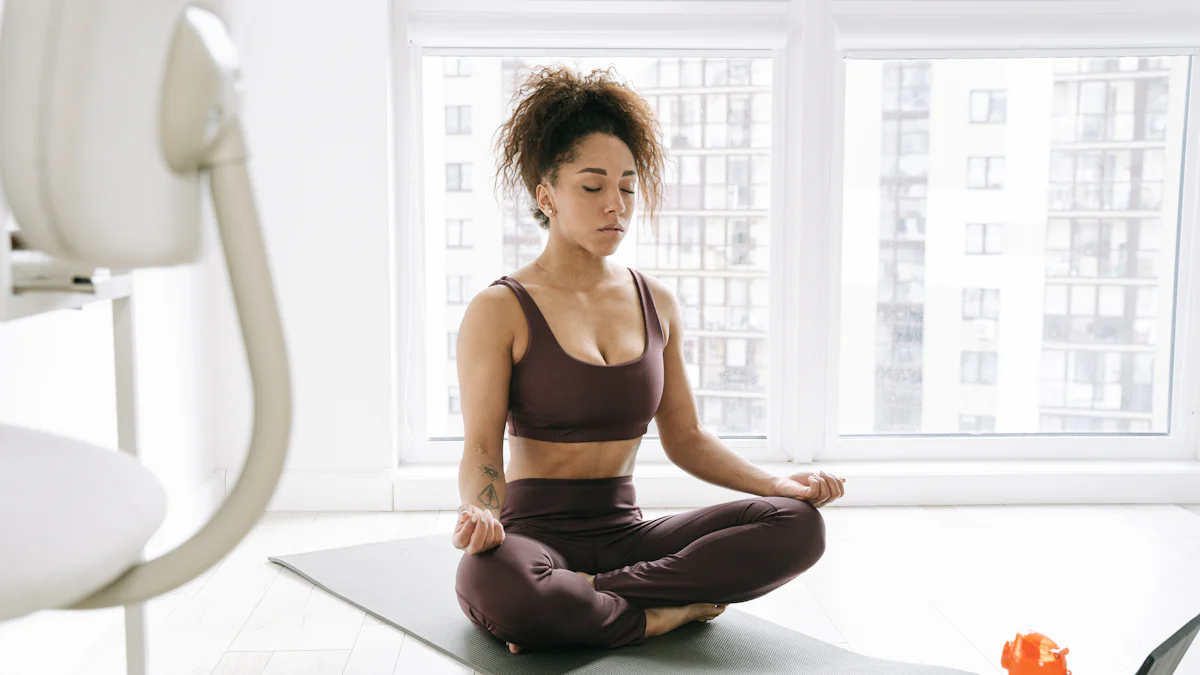
Choosing between pilates vs yoga can feel overwhelming. Each workout offers unique benefits that align with different fitness goals. You might prefer pilates if you seek core strength and stability. On the other hand, yoga could be your go-to for flexibility and stress relief. Personal preferences play a crucial role in this decision. Think about what resonates with you. Do you enjoy a structured routine, or do you prefer a more fluid practice? Your choice in the pilates vs yoga debate should reflect your individual needs and desires.
Key Takeaways
Assess your fitness goals: Determine whether you want to build core strength and improve posture (Pilates) or enhance flexibility and reduce stress (Yoga).
Consider your personal preferences: Choose Pilates for a structured routine focused on control, or opt for Yoga if you prefer a more fluid, mindful practice.
Explore both practices: Incorporating both Pilates and Yoga into your routine can provide a balanced approach, combining strength with flexibility and mindfulness.
Enjoy the unique benefits: Pilates improves core strength and posture, while Yoga enhances flexibility and promotes mental clarity.
Prioritize injury prevention: Pilates is an excellent choice for rehabilitation and injury prevention due to its low-impact nature and focus on controlled movements.
Embrace the variety: With numerous styles available, Yoga offers diverse options to suit different fitness levels and personal preferences.
Stay informed: Research supports the benefits of both practices, highlighting their positive impacts on physical and mental well-being.
Understanding Pilates

Definition and History of Pilates
Pilates is a low-impact exercise method that focuses on strengthening muscles while improving postural alignment and flexibility. Joseph Pilates developed this system in the early 20th century. He designed it to help dancers and athletes recover from injuries and enhance their performance. Over the years, Pilates has evolved into a popular fitness practice embraced by people of all ages and fitness levels.
Common Benefits of Pilates
You can enjoy numerous benefits from practicing Pilates. Here are some of the most common advantages:
Improved Core Strength: Pilates emphasizes core stability, which helps you develop a strong foundation for all physical activities.
Enhanced Flexibility: Regular practice increases your flexibility, allowing for greater range of motion in your joints.
Better Posture: Pilates encourages awareness of body alignment, helping you maintain good posture throughout your daily activities.
Injury Prevention: By strengthening muscles and improving flexibility, Pilates reduces the risk of injuries during other physical activities.
Research supports these benefits. A study published in Medical News Today found that Pilates may reduce pain and disability, improving the quality of life for adults over 50. Another study highlighted that Pilates decreases back pain and lowers injury risk in sports.
Unique Advantages of Pilates
Core Strength and Stability
One of the standout features of Pilates is its focus on core strength. You engage your abdominal muscles throughout each exercise, which helps stabilize your entire body. This core engagement not only improves your overall strength but also enhances your performance in other workouts. If you’re looking to tone your midsection, Pilates can be particularly effective.
Rehabilitation and Injury Prevention
Pilates serves as an excellent rehabilitation tool. Many physical therapists recommend it for recovering from injuries. The controlled movements strengthen and tone your body without putting excessive strain on your joints. This makes Pilates suitable for individuals recovering from surgery or those with chronic pain. A study in Health Shots noted that Pilates increases flexibility and agility, making it a great option for rehabilitation.
Flexibility and Posture Improvement
While Pilates may not emphasize flexibility as much as yoga, it still plays a significant role in enhancing your overall flexibility. The exercises promote lengthening of the muscles, which can lead to improved flexibility over time. Additionally, Pilates encourages proper alignment and posture, which can alleviate discomfort and tension in your body. Research shows that Pilates can improve postural balance and quality of life, making it a valuable addition to your fitness routine.
Understanding Yoga

Definition and History of Yoga
Yoga is an ancient practice that combines physical postures, breathing techniques, and meditation. It originated in India over 5,000 years ago. Initially, yoga served as a spiritual discipline. Today, it has transformed into a popular form of exercise that promotes both physical and mental well-being. You can find various styles of yoga, each offering unique approaches to movement and mindfulness.
Common Benefits of Yoga
Practicing yoga brings a wealth of benefits. Here are some key advantages you might experience:
Improved Flexibility: Regular yoga practice stretches and lengthens your muscles, enhancing your overall flexibility.
Increased Strength: Many yoga poses require you to support your body weight in different ways, building strength in various muscle groups.
Better Balance: Yoga helps improve your balance and coordination, which can enhance your performance in other physical activities.
Enhanced Mental Clarity: The focus on breath and movement can sharpen your concentration and cognitive function.
Research supports these benefits. A study published in Brain Plasticity found that yoga positively impacts conditions like diabetes and cardiovascular health. It also improves mental health by reducing anxiety and stress.
Unique Advantages of Yoga
Mindfulness and Stress Relief
Yoga encourages mindfulness, which means being present in the moment. This practice helps you manage stress effectively. When you focus on your breath and movements, you create a calming effect on your mind. Studies show that yoga can significantly reduce anxiety and depressive symptoms. For instance, research from Harvard Health Publishing highlights yoga's ability to protect brain function and decrease inflammation in the body.
Spiritual and Emotional Well-being
Yoga offers more than just physical benefits. It nurtures your emotional and spiritual health. Many practitioners find a deeper connection to themselves through yoga. This connection fosters a sense of peace and fulfillment. Engaging in regular practice can lead to improved emotional resilience, helping you navigate life's challenges with greater ease.
Variety of Styles and Practices
One of the great things about yoga is its variety. You can choose from numerous styles, such as Hatha, Vinyasa, or Ashtanga. Each style caters to different preferences and fitness levels. Whether you seek a vigorous workout or a gentle stretch, there's a yoga practice for you. This diversity allows you to explore and find what resonates with you, making your fitness journey enjoyable and fulfilling.
Pilates vs Yoga: Comparing the Two Practices
Physical Differences
When you look at Pilates vs Yoga, the physical differences stand out. Pilates focuses on core strength and posture. You engage your core muscles throughout each movement, which builds stability and strength. This method often uses equipment like the reformer, providing an external stimulus that enhances your workout. In contrast, yoga emphasizes flexibility, balance, and overall body awareness. You use your body weight to perform various poses, stretching and lengthening your muscles.
Here’s a quick comparison:
Pilates:
Targets core strength
Uses equipment for resistance
Focuses on alignment and posture
Yoga:
Enhances flexibility and balance
Primarily uses body weight
Encourages mindfulness and breath control
Mental and Emotional Aspects
The mental and emotional benefits of these practices also differ. Pilates offers a structured approach that helps you concentrate on your movements. This focus can lead to improved body awareness and mental clarity. You might find that Pilates helps you feel more grounded and in control of your body.
On the other hand, yoga nurtures your emotional well-being. It encourages mindfulness, allowing you to connect with your breath and thoughts. This practice can significantly reduce stress and anxiety. Many people find that yoga fosters a sense of peace and spiritual balance.
Consider this:
Pilates:
Enhances focus and body awareness
Provides a sense of control over movements
Yoga:
Promotes mindfulness and relaxation
Supports emotional resilience and spiritual growth
Suitability for Different Fitness Goals
Choosing between Pilates and yoga often depends on your fitness goals. If you aim to improve core strength, posture, or recover from an injury, Pilates may be the better choice. Its structured approach makes it ideal for rehabilitation and functional fitness.
If your goals include enhancing flexibility, reducing stress, or achieving a sense of spiritual balance, yoga fits the bill. The variety of styles available allows you to find a practice that resonates with you.
Making the Right Choice for You
Assessing Your Fitness Goals
Before you dive into Pilates or yoga, take a moment to assess your fitness goals. What do you want to achieve? If you aim to strengthen your core and improve your posture, Pilates might be your best bet. This method focuses on muscle toning and stability. On the other hand, if flexibility and stress reduction top your list, yoga could be the way to go. Many people find that yoga enhances their overall wellness. A 2017 survey revealed that about 94% of yoga practitioners do it to improve their well-being.
Considering Your Personal Preferences
Your personal preferences play a significant role in this decision. Do you enjoy a structured routine, or do you prefer a more fluid practice? Pilates offers a fast-paced environment that emphasizes control and alignment. In contrast, yoga encourages mindfulness and relaxation. Think about what resonates with you. If you value a workout that challenges your strength, Pilates may suit you better. However, if you seek a calming experience that nurtures your mind, yoga might be the perfect fit.
Trying Both Practices
Why not try both? Many fitness enthusiasts discover that incorporating both Pilates and yoga into their routine provides the best of both worlds. You can enjoy the strength and control developed through Pilates while also benefiting from the flexibility and mindfulness gained from yoga. This balanced approach creates a comprehensive fitness regimen that caters to various goals.
Ultimately, the choice between Pilates and yoga comes down to what you value most in your fitness journey. Explore both options, and see which one resonates with you.
Choosing between Pilates and yoga really comes down to your personal fitness goals and preferences. Both practices offer unique benefits that can enhance your well-being. If you want to build core strength and improve posture, Pilates might be your best fit. On the other hand, if flexibility and stress relief are your priorities, yoga could be the way to go. Why not explore both options? You might find that a combination of Pilates and yoga provides the perfect balance for your fitness journey.
See Also
Should You Begin With Yoga Or Traditional Exercise?
Comparing Yoga And Gym: Pros And Cons Explored
Selecting The Ideal Yoga Retreat To Meet Your Objectives

Hi my name is Lia and i am your host in this yoga journey in Portugal, Subscribe to our newsletter to receive every week the best of Yoga in Portugal.

We bring back the importance of initiation into womanhood by Roos-Veerle Krijnen & Ella-June Henrard
Welcome to the Women’s Initiation Retreat by Naked Truth Retreats, a transformative journey into the depths of your True Feminine Nature. This retreat invites you to remember the sacredness and wholeness of your being.
Roos-Veerle Krijnen & Ella-June Henrard