Discover the Physical Benefits of Yoga

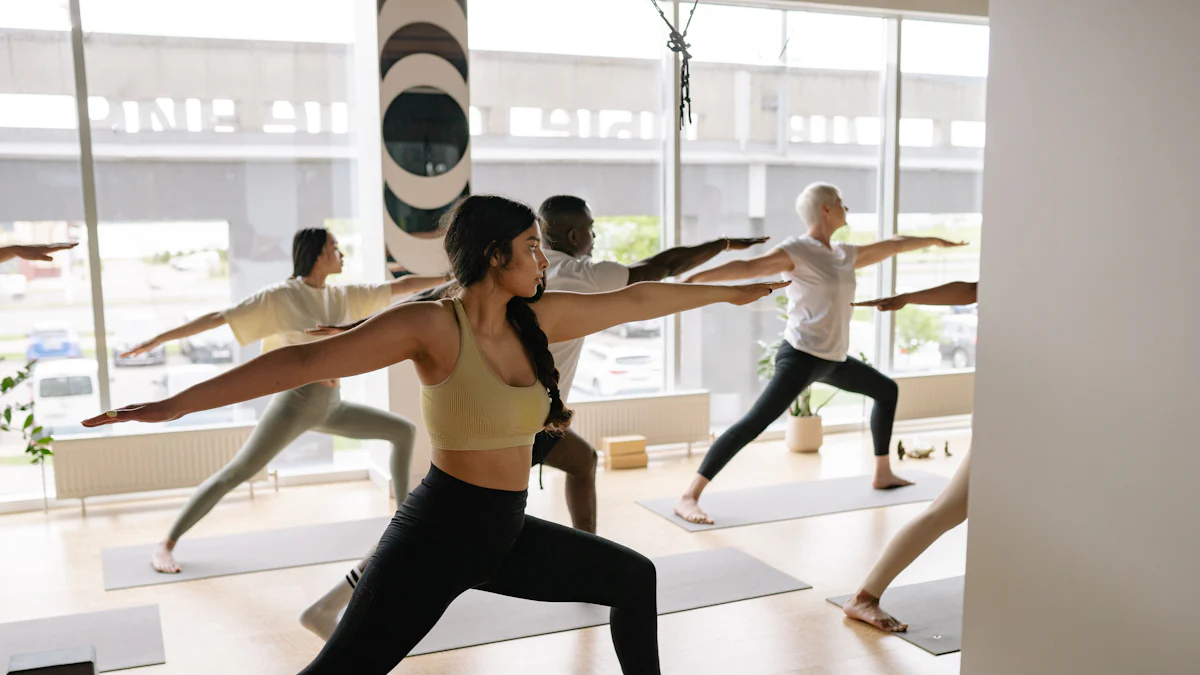
Yoga has captured the hearts of millions, becoming a beloved practice worldwide. In the United States alone, one in three Americans has tried yoga, and its popularity continues to grow. Many people turn to yoga for its incredible physical benefits. You can enhance your flexibility, build strength, and improve balance through regular practice. These tác dụng của tập yoga not only boost your physical health but also enrich your overall well-being. Dive into the world of yoga and discover how it can transform your body and life.
Understanding Yoga
Definition and Origin
Yoga is more than just a physical practice; it is a journey that connects the mind, body, and spirit. Its roots run deep in Indian culture, dating back over 5,000 years. The earliest mentions of yoga appear in the Rig Veda, one of the oldest sacred texts. However, it was in the Upanishads that the philosophy of yoga truly began to take shape, emphasizing the unity of all life and the pursuit of self-realization.
As time progressed, yoga evolved. The post-Classical period marked a significant expansion in its teachings. Scholars who mastered yoga's techniques began to modify its practices, leading to the development of various schools like Hatha Yoga and Vedanta. This evolution continued into the modern era, with yoga adapting to meet contemporary needs. In 1893, Swami Vivekananda introduced yoga to the United States, shifting its focus towards health, beauty, and body therapy. This marked the beginning of modern yoga as we know it today.
Types of Yoga
Yoga offers a variety of styles, each with unique benefits. Here are three popular types:
Hatha Yoga
Hatha Yoga is often considered the foundation of all yoga styles. It focuses on physical postures and breathing techniques. This type of yoga is perfect for beginners, as it introduces you to basic poses and helps you build strength and flexibility. Hatha Yoga encourages a slow and mindful approach, allowing you to connect deeply with your body.
Vinyasa Yoga
Vinyasa Yoga is known for its dynamic and flowing sequences. It links breath with movement, creating a dance-like rhythm. This style is ideal if you enjoy a more vigorous practice. Vinyasa Yoga challenges your endurance and enhances cardiovascular health. It also encourages creativity, as no two classes are exactly alike.
Ashtanga Yoga
Ashtanga Yoga follows a specific sequence of postures, practiced in a precise order. It is a physically demanding style that builds strength, flexibility, and stamina. Ashtanga Yoga requires discipline and commitment, making it suitable for those seeking a structured and challenging practice. This style emphasizes the importance of breath control and concentration, fostering a meditative state.
By exploring these different types of yoga, you can find the style that resonates with you. Each offers unique benefits, contributing to your overall physical and mental well-being. Embrace the journey and discover the transformative power of yoga in your life.
Physical Benefits of Yoga
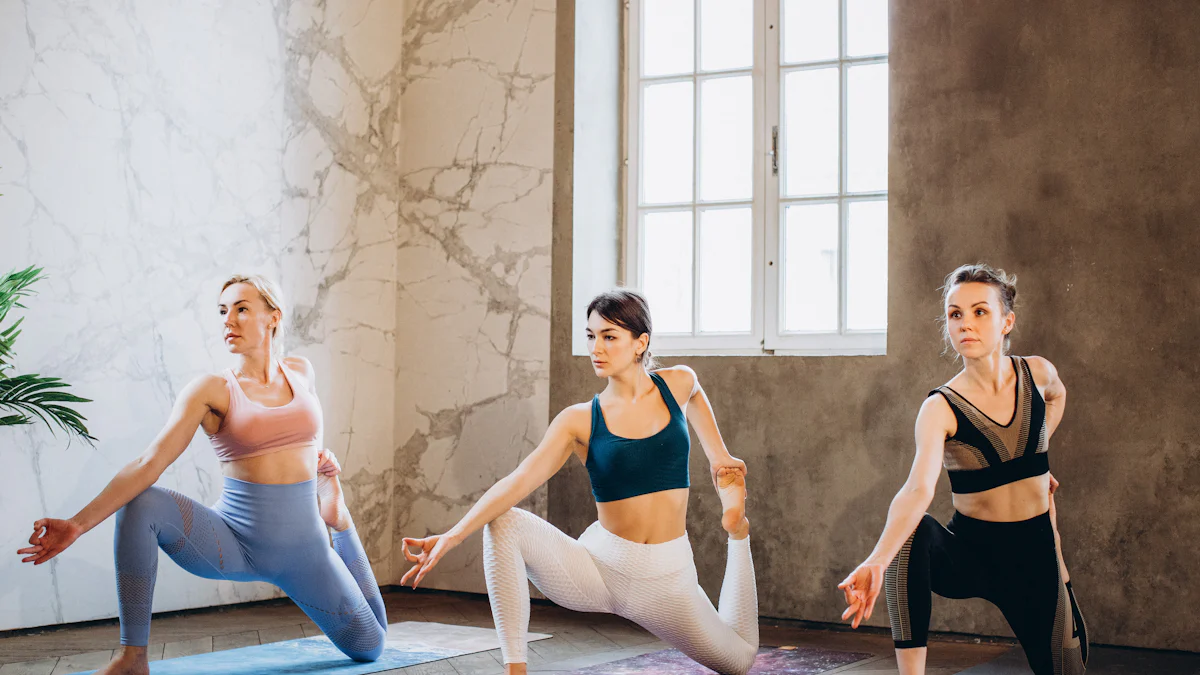
Improved Flexibility
Yoga offers incredible physical benefits, with flexibility being one of the most notable. When you practice yoga regularly, you enhance your range of motion, allowing your joints to move more freely. This improvement can lead to better posture and reduced risk of injury.
To boost your flexibility, try incorporating poses like Downward Dog and Forward Bend into your routine. These poses stretch your muscles and help you achieve greater suppleness over time.
Increased Strength
Yoga isn't just about stretching; it also builds strength. By engaging in various poses, you target multiple muscle groups, including both upper and lower limbs. A 2021 meta-analysis by the National Center for Biotechnology Information found yoga to be an effective strength-building practice.
Focus on poses like Plank and Warrior II to develop muscle tone and endurance. These strength-building poses require you to support your body weight, enhancing your physical resilience.
Enhanced Balance and Coordination
Balance plays a crucial role in daily life, affecting everything from walking to standing. Yoga significantly improves balance and coordination, as highlighted in a study published by Biopsychosocial Medicine.
Incorporate poses such as Tree Pose and Eagle Pose to enhance your stability. These exercises not only improve your physical balance but also sharpen your mental focus, contributing to overall well-being.
By embracing these physical benefits of yoga, you can transform your body and enrich your life. Whether you're seeking flexibility, strength, or balance, yoga offers a path to a healthier you.
Yoga and Cardiovascular Health
Impact on Heart Health
Yoga offers profound benefits for your heart. Studies reveal that yoga can significantly reduce blood pressure levels and heart rate. It also helps lower 'bad' cholesterol while boosting 'good' cholesterol. These changes contribute to a healthier cardiovascular system.
"Yoga increases blood flow, levels of hemoglobin and red blood cells, thins the blood, lowers resting heart rate, and improves cardiovascular functioning." - Study on Yoga's Effects on Cardiovascular Health
To support heart health, consider incorporating yoga practices like Hatha Yoga and Vinyasa Yoga into your routine. These styles emphasize breath control and movement, which enhance cardiovascular fitness. Regular practice can help you maintain a healthy heart and reduce the risk of heart disease.
Blood Pressure Regulation
Managing blood pressure is crucial for overall health, and yoga plays a vital role in this process. By practicing yoga, you can normalize blood pressure and improve cardiovascular fitness. Yoga's calming effects help reduce stress, a significant factor in high blood pressure.
"Yoga has long been known to lower blood pressure and slow the heart rate." - Study on Yoga's Impact on Blood Pressure
To manage blood pressure effectively, try poses like Child's Pose and Bridge Pose. These positions promote relaxation and help regulate blood pressure levels. By incorporating these poses into your routine, you can take control of your cardiovascular health and enjoy a more balanced life.
Yoga for Pain Relief

Alleviating Chronic Pain
Yoga offers a gentle yet effective approach to managing chronic pain. Many people find relief from conditions like arthritis, migraines, and fibromyalgia through regular practice. By engaging in yoga, you can increase flexibility and muscle strength, which helps reduce aches and pains. This holistic practice not only addresses physical discomfort but also alleviates psychological distress, providing a comprehensive approach to pain management.
To manage chronic pain, consider incorporating the following poses into your routine:
Child's Pose: This restorative pose gently stretches the lower back and hips, offering relief from tension.
Cat-Cow Stretch: This dynamic movement increases spinal flexibility and reduces stiffness.
Legs-Up-the-Wall Pose: This calming pose promotes relaxation and eases discomfort in the lower back and legs.
By practicing these poses, you can experience a reduction in pain and an improvement in overall well-being.
Yoga for Back Pain
Back pain is a common issue that affects many individuals. Yoga plays a significant role in alleviating this discomfort. Studies have shown that yoga can lead to a 56% reduction in pain and less disability compared to standard care. Medical organizations often recommend yoga as a first-line treatment for chronic low back pain.
Several factors contribute to back pain, including poor posture, muscle imbalances, and stress. Yoga addresses these issues by promoting proper alignment, strengthening core muscles, and encouraging relaxation. This multifaceted approach not only provides relief but also prevents the development of chronic pain.
To effectively manage back pain, try incorporating these poses into your practice:
Downward Dog: This pose stretches the entire back and strengthens the shoulders, helping to alleviate tension.
Bridge Pose: This pose strengthens the lower back and glutes, providing support to the spine.
Supine Spinal Twist: This gentle twist releases tension in the spine and promotes flexibility.
By embracing yoga as part of your pain management strategy, you can enjoy lasting relief and improved back-related function. Yoga not only eases physical discomfort but also enhances your quality of life, empowering you to live pain-free.
Yoga and Respiratory Health
Breathing Techniques
Pranayama and its Benefits
Pranayama, the art of yogic breathing, offers profound benefits for your respiratory health. By practicing pranayama, you can enhance your lung capacity and improve overall respiratory function. This ancient technique involves controlled breathing exercises that increase oxygen intake and promote relaxation. Studies have shown that pranayama can significantly improve cardiovascular health by regulating breath and reducing stress levels.
Engaging in pranayama not only strengthens your respiratory muscles but also boosts your mental clarity. As you focus on your breath, you cultivate mindfulness and reduce anxiety. This practice creates a harmonious balance between your mind and body, leading to a healthier and more fulfilling life.
Techniques to Improve Lung Capacity
To enhance your lung capacity, incorporate specific breathing techniques into your yoga practice. These exercises expand your lungs and increase oxygen flow, improving your endurance and vitality. Here are some effective techniques to try:
Diaphragmatic Breathing: This technique involves deep breathing from the diaphragm, allowing your lungs to fill completely. It enhances lung efficiency and promotes relaxation.
Alternate Nostril Breathing (Nadi Shodhana): This practice balances the flow of energy in your body and improves respiratory function. It involves inhaling through one nostril and exhaling through the other, promoting calmness and focus.
Kapalabhati (Skull Shining Breath): This energizing technique involves rapid exhalations and passive inhalations. It cleanses your respiratory system and increases lung capacity.
By incorporating these techniques into your routine, you can experience improved lung function and a greater sense of well-being.
Yoga for Asthma and Allergies
How Yoga Aids in Respiratory Conditions
Yoga offers a holistic approach to managing respiratory conditions like asthma and allergies. Through regular practice, you can alleviate symptoms and improve your quality of life. Yoga's emphasis on breath control and relaxation helps reduce inflammation and open airways, making it easier to breathe.
Research indicates that yoga therapy can decrease dyspnea-related distress and enhance functional performance in individuals with chronic obstructive pulmonary disease. By engaging in yoga, you can strengthen your respiratory muscles and increase lung capacity, providing relief from respiratory discomfort.
Recommended Practices for Respiratory Health
To support your respiratory health, consider incorporating the following yoga practices into your routine:
Sukhasana (Easy Pose) with Focused Breathing: Sit comfortably and focus on slow, deep breaths. This practice calms your mind and opens your chest, promoting better airflow.
Bhujangasana (Cobra Pose): This pose expands your chest and strengthens your back, improving lung capacity and reducing respiratory strain.
Setu Bandhasana (Bridge Pose): This pose opens your chest and lungs, enhancing respiratory function and relieving congestion.
By embracing these practices, you can experience improved respiratory health and a greater sense of vitality. Yoga empowers you to take control of your well-being, offering a path to a healthier and more balanced life.
Yoga offers a wealth of physical benefits, from improved flexibility and strength to enhanced balance and cardiovascular health. By incorporating yoga into your daily routine, you can transform your body and enrich your life. Many practitioners have found relief from chronic pain and stress, experiencing a profound sense of well-being.
Testimonial: "Yoga has kept me fit—not just physically, but emotionally and spiritually."
Take the first step today. Explore classes or resources to deepen your practice and discover the transformative power of yoga.
See Also
Exploring the Advantages of Dynamic Yoga
Exploring the Benefits of Yoga Sculpting
Exploring the Benefits of Yin Yoga

Hi my name is Lia and i am your host in this yoga journey in Portugal, Subscribe to our newsletter to receive every week the best of Yoga in Portugal.

We bring back the importance of initiation into womanhood by Roos-Veerle Krijnen & Ella-June Henrard
Welcome to the Women’s Initiation Retreat by Naked Truth Retreats, a transformative journey into the depths of your True Feminine Nature. This retreat invites you to remember the sacredness and wholeness of your being.
Roos-Veerle Krijnen & Ella-June Henrard