How to Perform Yoga Asanas in Hindi for Beginners

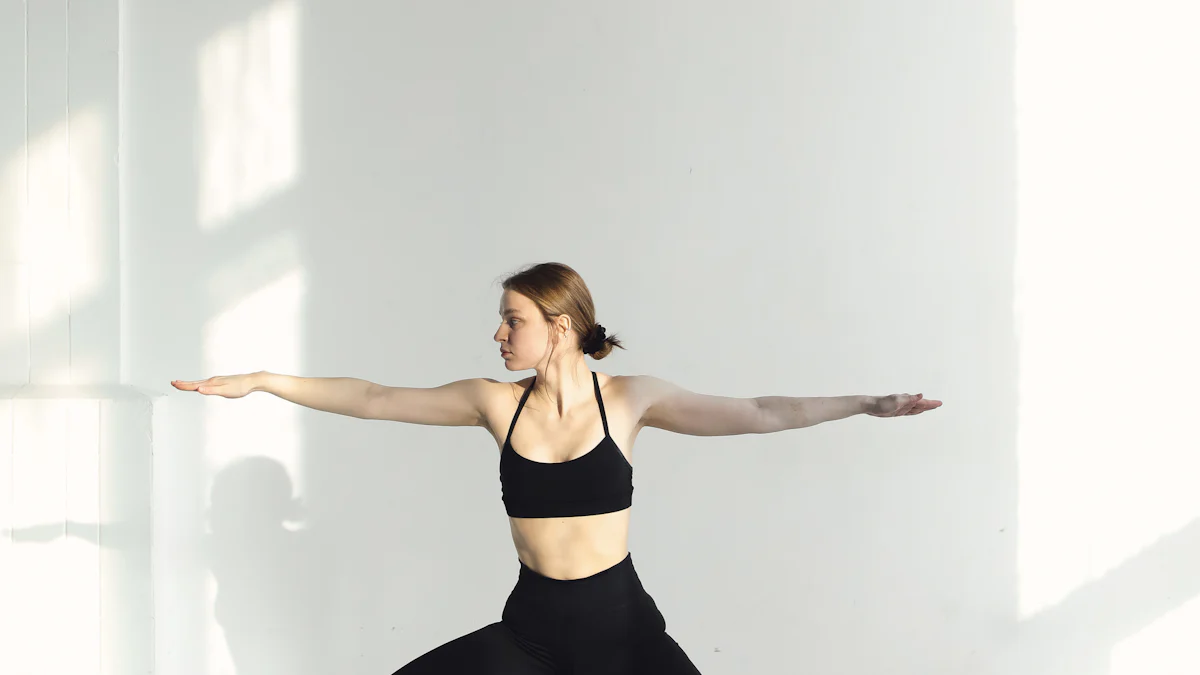
Are you eager to learn yoga asanas in Hindi? You're in the right place! Yoga offers numerous benefits, from enhancing mental clarity to reducing stress. Practicing yoga regularly can improve your sleep quality and encourage healthier habits. For beginners, it's crucial to practice correctly to avoid injuries and maximize benefits. Learning yoga asanas in Hindi adds a cultural layer, connecting you to the rich heritage of this ancient practice. So, let's embark on this journey together and discover the wonders of yoga in a language that resonates with tradition and authenticity.
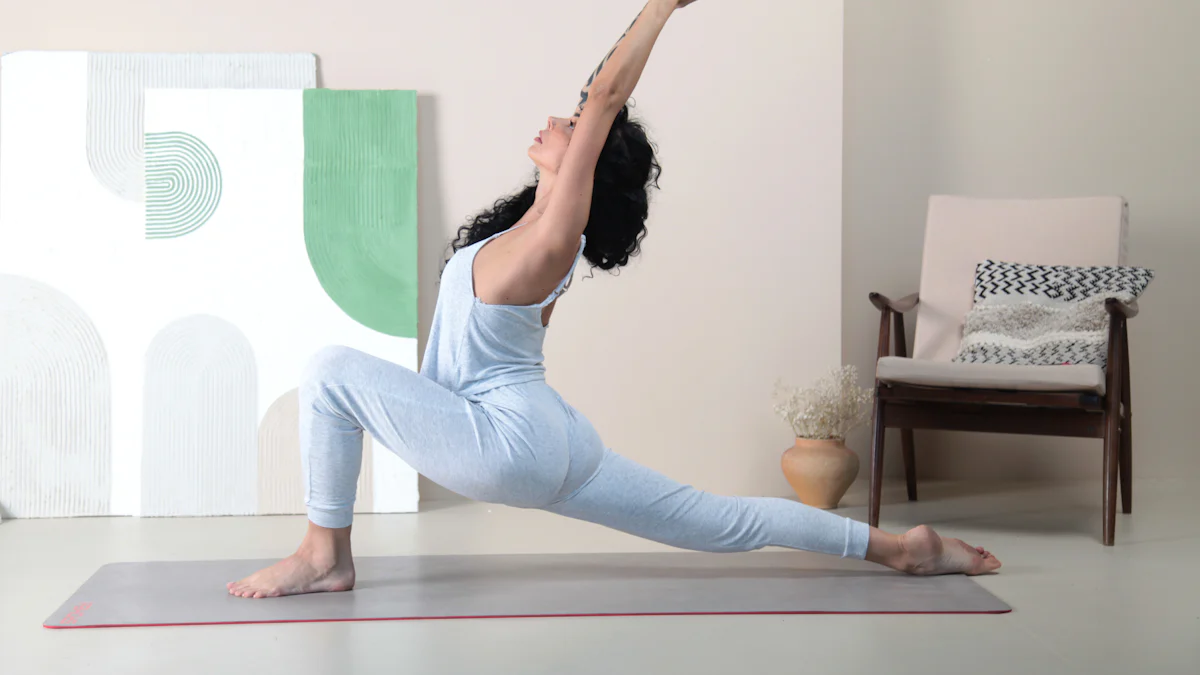
Tadasana (Mountain Pose) - ताड़ासन
Benefits of Tadasana
Tadasana, or Mountain Pose, serves as the foundation for many other yoga poses. It might look simple, but it offers numerous benefits:
Improves Posture: By practicing Tadasana, you align your spine and improve your posture. This can help reduce back pain over time.
Enhances Focus and Concentration: Standing tall in this pose encourages mental clarity and focus, which can be beneficial in managing stress and anxiety.
Strengthens Legs and Core: Engaging your leg muscles and core while holding this pose builds strength and stability.
Boosts Confidence: Standing tall with an open chest can enhance your sense of confidence and presence.
Scientific Research Findings: Yoga, including poses like Tadasana, may reduce stress, relieve anxiety, and improve quality of life.
How to Perform Tadasana
Ready to give Tadasana a try? Follow these steps to perform it correctly:
Stand with Feet Together: Begin by standing with your feet together. Keep your arms at your sides.
Distribute Weight Evenly: Balance your weight evenly on both feet. Feel the ground beneath you.
Engage Your Thighs: Tighten your thigh muscles and lift your kneecaps slightly.
Lengthen Your Spine: Imagine a string pulling you up from the top of your head. Keep your spine straight.
Relax Shoulders: Roll your shoulders back and down. Keep your chest open.
Breathe Deeply: Take slow, deep breaths. Focus on your breath and maintain the pose for a few minutes.
Precautions
While Tadasana is generally safe, keep these precautions in mind:
Avoid Overstretching: Don't push your body beyond its limits. Listen to your body and stop if you feel any discomfort.
Consult a Doctor: If you have any medical conditions, especially related to balance or blood pressure, consult a healthcare professional before practicing.
Practice on a Stable Surface: Ensure you're on a stable, non-slippery surface to prevent falls.
By incorporating Tadasana into your routine, you can enjoy its physical and mental benefits. Remember, consistency is key!
Vrikshasana (Tree Pose) - वृक्षासन
Benefits of Vrikshasana
Vrikshasana, or Tree Pose, is a wonderful way to enhance your balance and concentration. This pose offers several benefits:
Improves Balance: Practicing Vrikshasana regularly helps you develop better balance and coordination. It strengthens the muscles in your legs and core, which are essential for stability.
Enhances Focus: By requiring you to concentrate on maintaining your balance, this pose sharpens your mental focus and attention. It encourages mindfulness and presence.
Strengthens Legs and Spine: The pose engages your leg muscles and helps in strengthening your spine. This can lead to improved posture and reduced back pain.
Calms the Mind: Vrikshasana promotes mental clarity and calmness. It helps relieve stress and anxiety, creating a sense of peace and relaxation.
Scientific Research Findings: Regular yoga practice, including Vrikshasana, creates mental clarity and calmness, increases body awareness, and relieves chronic stress patterns.
How to Perform Vrikshasana
Ready to try Vrikshasana? Follow these steps to perform it correctly:
Stand Tall: Begin by standing straight with your feet together. Keep your arms at your sides.
Shift Weight: Slowly shift your weight onto your left foot. Lift your right foot and place it on your left inner thigh. If that's challenging, place it on your calf instead.
Find Balance: Once you're balanced, bring your palms together in front of your chest in a prayer position.
Focus Ahead: Fix your gaze on a point in front of you to help maintain balance.
Breathe Deeply: Take slow, deep breaths. Hold the pose for a few seconds, then switch sides.
Precautions
While Vrikshasana is generally safe, keep these precautions in mind:
Avoid Straining: Don't force your foot higher than it comfortably goes. Listen to your body and respect its limits.
Use Support if Needed: If you're struggling with balance, practice near a wall or use a chair for support.
Consult a Doctor: If you have any medical conditions, especially related to balance or joint issues, consult a healthcare professional before practicing.
Incorporating Vrikshasana into your routine can enhance both your physical and mental well-being. Remember, practice makes perfect!
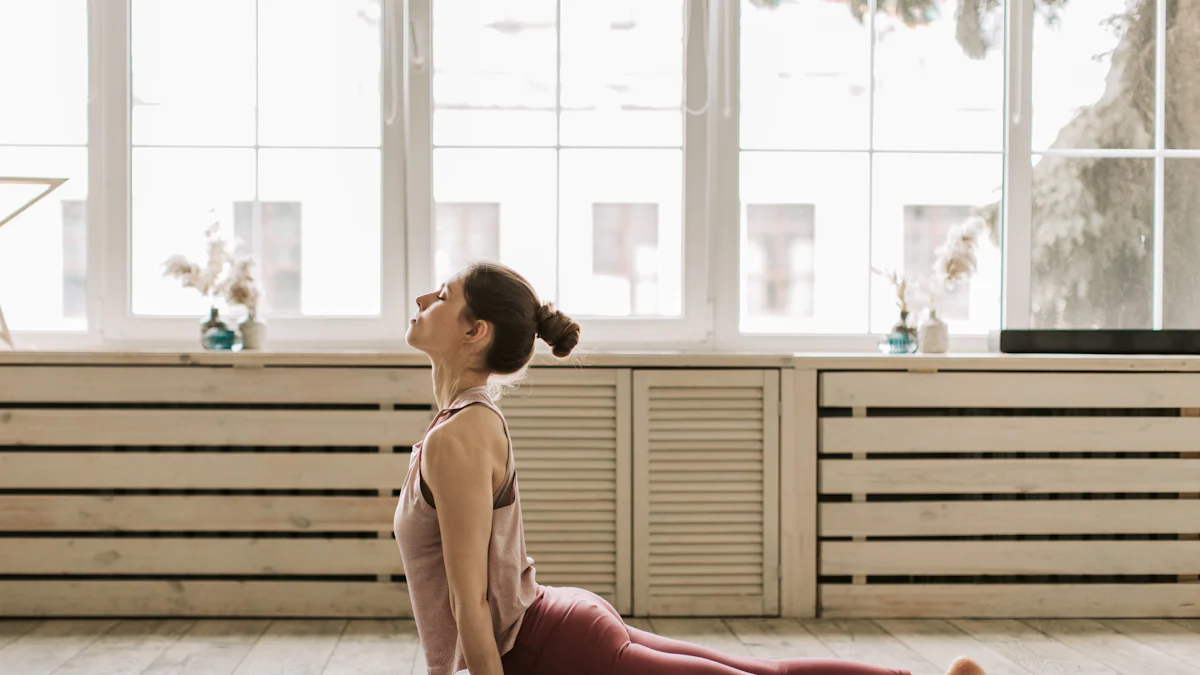
Bhujangasana (Cobra Pose) - भुजंगासन
Benefits of Bhujangasana
Bhujangasana, or Cobra Pose, offers a range of benefits that can enhance your overall well-being. This pose is particularly beneficial for your heart and lungs. It helps open up the chest, which can improve lung capacity and is especially helpful for those with respiratory ailments like asthma.
Stimulates Abdominal Organs: By practicing Bhujangasana, you can stimulate your abdominal organs. This can lead to improved digestion and better liver and kidney functions.
Enhances Respiratory Health: The pose opens the chest and strengthens the lungs. This makes it beneficial for respiratory conditions.
Improves Flexibility: Regular practice of Bhujangasana can increase the flexibility of your spine and back muscles.
Boosts Circulation: The pose encourages better blood circulation, which can contribute to overall vitality and energy.
Scientific Research Findings: Bhujangasana is a reclining back-bending asana in hatha yoga and modern yoga as exercise. It is commonly performed in a cycle of asanas in Surya Namaskar.
How to Perform Bhujangasana
Are you ready to try Bhujangasana? Follow these steps to perform it correctly:
Lie on Your Stomach: Start by lying flat on your stomach. Keep your legs together and your toes pointing outward.
Place Hands Under Shoulders: Position your hands under your shoulders with your elbows close to your body.
Inhale and Lift: As you inhale, gently lift your chest off the ground. Use your back muscles rather than pushing with your hands.
Keep Elbows Bent: Maintain a slight bend in your elbows. Ensure your shoulders are relaxed and away from your ears.
Hold and Breathe: Hold the pose for a few breaths. Focus on deep, steady breathing.
Exhale and Lower: As you exhale, slowly lower your chest back to the ground.
Precautions
While Bhujangasana is generally safe, consider these precautions:
Avoid Overarching: Do not push your body beyond its natural curve. Listen to your body and stop if you feel any discomfort.
Consult a Doctor: If you have any medical conditions, especially related to the spine or back, consult a healthcare professional before practicing.
Practice on a Soft Surface: Ensure you're on a soft, stable surface to protect your back.
Incorporating Bhujangasana into your routine can enhance both your physical and mental well-being. Remember, practice with patience and consistency!
Adho Mukha Svanasana (Downward-Facing Dog) - अधोमुख श्वानासन
Benefits of Adho Mukha Svanasana
Adho Mukha Svanasana, or Downward-Facing Dog, is a staple in many yoga routines. This pose offers a multitude of benefits that can enhance your physical and mental well-being:
Strengthens Muscles: This pose engages your arms, shoulders, and legs, building strength and endurance over time.
Improves Flexibility: Regular practice can increase flexibility in your hamstrings, calves, and shoulders.
Boosts Circulation: By inverting your body, you encourage blood flow to the brain, which can improve mental clarity and focus.
Relieves Stress: The pose promotes relaxation and helps alleviate stress and tension, providing a calming effect on the mind.
Scientific Research Findings: Studies suggest that practicing Adho Mukha Svanasana can enhance overall body strength and flexibility, contributing to better posture and reduced stress levels.
How to Perform Adho Mukha Svanasana
Ready to try Adho Mukha Svanasana? Follow these steps to perform it correctly:
Start on All Fours: Begin on your hands and knees. Align your wrists under your shoulders and your knees under your hips.
Lift Your Hips: As you exhale, lift your hips towards the ceiling. Straighten your legs as much as possible without locking your knees.
Form an Inverted V: Your body should form an inverted V shape. Keep your head between your arms and gaze towards your feet.
Press Heels Down: Press your heels towards the ground. It's okay if they don't touch the floor.
Engage Your Core: Tighten your core muscles to support your spine.
Breathe Deeply: Take slow, deep breaths. Hold the pose for a few breaths, then release.
Precautions
While Adho Mukha Svanasana is generally safe, keep these precautions in mind:
Avoid Overstretching: Don't push your body beyond its limits. Listen to your body and stop if you feel any discomfort.
Consult a Doctor: If you have any medical conditions, especially related to the wrists or shoulders, consult a healthcare professional before practicing.
Practice on a Stable Surface: Ensure you're on a stable, non-slippery surface to prevent falls.
Incorporating Adho Mukha Svanasana into your routine can enhance both your physical and mental well-being. Remember, practice with patience and consistency!
Shavasana (Corpse Pose) - शवासन
Benefits of Shavasana
Shavasana, or Corpse Pose, might seem like a simple resting pose, but it offers profound benefits for your mind and body. This pose is a powerful tool for relaxation and stress relief. By practicing Shavasana, you can experience:
Deep Relaxation: Shavasana allows your body to relax completely, reducing tension and stress. It helps calm the nervous system and promotes a sense of peace.
Improved Sleep Quality: Regular practice of Shavasana can enhance the quality of your sleep. It encourages relaxation and helps you unwind, making it easier to fall asleep and stay asleep.
Mental Clarity: This pose helps clear your mind and sharpen concentration. It encourages mindfulness and presence, which can improve your focus in daily activities.
Enhanced Body Awareness: Shavasana increases awareness of your body and breath. It helps you connect with your inner self and promotes a sense of balance and harmony.
Scientific Research Findings: Regular yoga practice, including Shavasana, creates mental clarity and calmness, increases body awareness, and relieves chronic stress patterns.
How to Perform Shavasana
Ready to experience the tranquility of Shavasana? Follow these steps to perform it correctly:
Lie on Your Back: Begin by lying flat on your back. Keep your legs slightly apart and your arms at your sides, palms facing up.
Relax Your Body: Allow your feet to fall open naturally. Close your eyes and relax your entire body.
Focus on Your Breath: Take slow, deep breaths. Focus on the rise and fall of your chest and abdomen.
Release Tension: With each exhale, consciously release any tension in your body. Let go of any thoughts or worries.
Stay Present: Stay in this pose for 5-10 minutes, or longer if you wish. Allow yourself to be fully present in the moment.
Precautions
While Shavasana is generally safe, keep these precautions in mind:
Avoid Distractions: Practice in a quiet, comfortable space free from distractions. This will help you relax more deeply.
Use Support if Needed: If you have lower back discomfort, place a rolled-up blanket under your knees for support.
Consult a Doctor: If you have any medical conditions, especially related to the spine or back, consult a healthcare professional before practicing.
Incorporating Shavasana into your routine can enhance both your physical and mental well-being. Remember, the key to this pose is letting go and embracing stillness.
Practicing yoga asanas in Hindi regularly can transform your life. You'll gain mental clarity, reduce stress, and improve your physical health. Follow the instructions carefully and practice with patience. As you connect with the cultural roots of yoga, you'll find a deeper appreciation for this ancient art. Embrace the journey and explore more asanas as your confidence grows. Remember, consistency is key. Keep practicing, and you'll soon experience the profound benefits of yoga in your daily life.
See Also
Complete Hindi Yoga Manual for Practicing at Home
Detailed Yoga Poses Guide Featuring Images and Titles
Simple Yoga Pose Sketching Tips for Newbies

Hi my name is Lia and i am your host in this yoga journey in Portugal, Subscribe to our newsletter to receive every week the best of Yoga in Portugal.

We bring back the importance of initiation into womanhood by Roos-Veerle Krijnen & Ella-June Henrard
Welcome to the Women’s Initiation Retreat by Naked Truth Retreats, a transformative journey into the depths of your True Feminine Nature. This retreat invites you to remember the sacredness and wholeness of your being.
Roos-Veerle Krijnen & Ella-June Henrard