Understanding Catur Marga Yoga in Hinduism

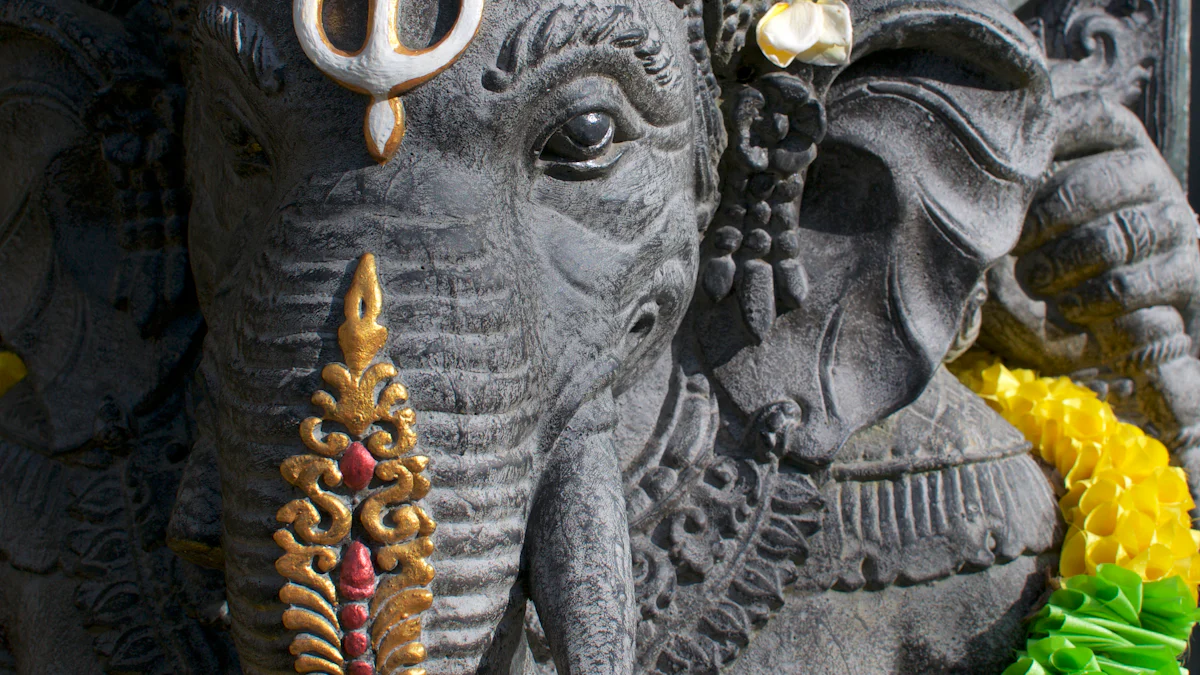
Catur Marga Yoga, or the pengertian catur marga yoga, often referred to as the fourfold path in Hinduism, offers a profound framework for spiritual growth and self-realization. It encompasses four distinct paths—Karma Yoga, Bhakti Yoga, Jnana Yoga, and Raja Yoga—each designed to align with different temperaments and spiritual inclinations. These paths emphasize personal experience and practice, allowing you to choose the one that resonates with your nature. Rooted in ancient Hindu scriptures like the Bhagavad Gita and the Upanishads, this system provides timeless guidance for achieving unity with the divine and attaining liberation.
Key Takeaways
Catur Marga Yoga offers four distinct paths—Bhakti, Karma, Jnana, and Raja Yoga—each catering to different spiritual inclinations and promoting holistic growth.
Bhakti Yoga emphasizes devotion and love for the Divine, encouraging practices like prayer and chanting to foster a deep emotional connection.
Karma Yoga teaches selfless action, urging you to perform your duties without attachment to outcomes, which cultivates humility and service to others.
Jnana Yoga focuses on wisdom and self-inquiry, guiding you to study sacred texts and contemplate profound questions to achieve clarity and understanding.
Raja Yoga, the path of meditation, helps you master your mind through practices like meditation and breath control, leading to inner peace and self-mastery.
Integrating the four paths into daily life—such as morning meditation, acts of service, devotional practices, and self-inquiry—creates a balanced spiritual routine.
Catur Marga Yoga remains relevant today by providing practical tools to navigate modern challenges, promoting emotional balance, intellectual clarity, and mental discipline.
Pengertian Catur Marga Yoga: The Fourfold Path in Hinduism
Bhakti Yoga: The Path of Devotion
Meaning and essence of Bhakti Yoga
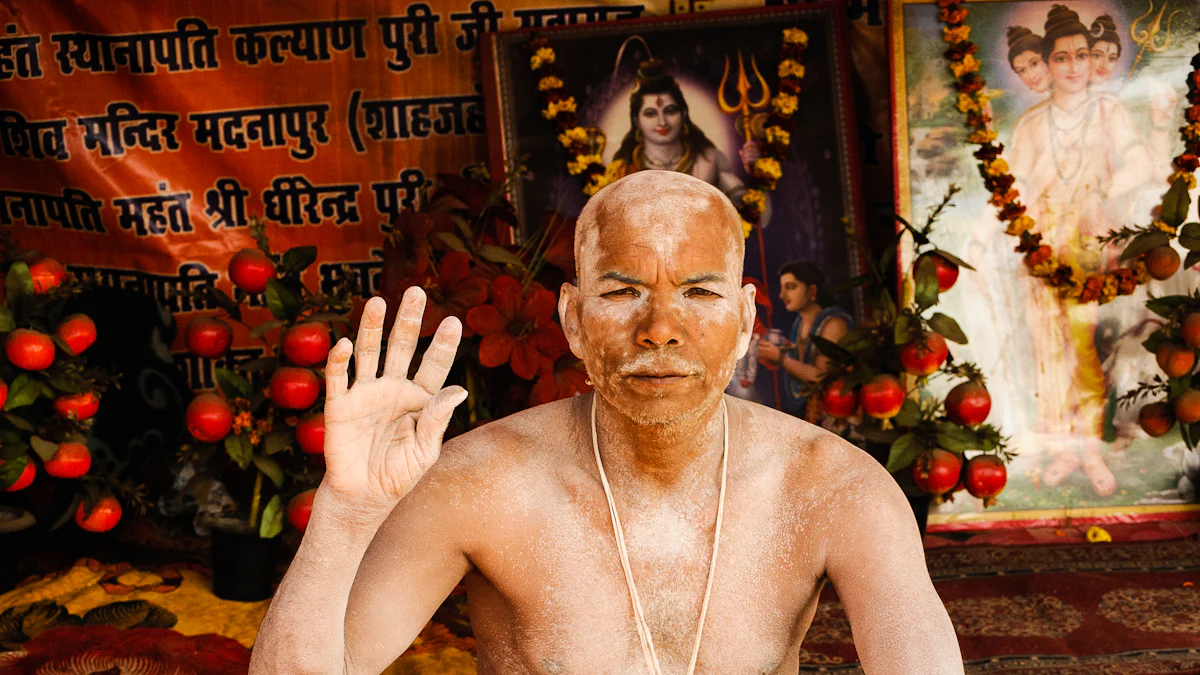
Bhakti Yoga focuses on devotion and love for the Divine. It encourages you to build a personal relationship with the higher power, often represented as God or the ultimate reality. This path emphasizes surrender and faith, allowing you to channel your emotions toward spiritual growth. The Bhagavad Gita highlights Bhakti Yoga as a way to transcend ego and connect deeply with the Divine through heartfelt devotion.
Practices: prayer, chanting, and worship of the Divine
You can practice Bhakti Yoga through simple yet profound acts of devotion. These include:
Prayer: Expressing gratitude and seeking guidance from the Divine.
Chanting: Repeating sacred mantras or hymns to focus your mind and uplift your spirit.
Worship: Offering flowers, food, or incense as a symbol of love and reverence.
These practices help you cultivate a sense of closeness with the Divine, making spirituality an integral part of your daily life.
Significance: cultivating love, surrender, and connection with the Divine
Bhakti Yoga teaches you to let go of pride and ego by surrendering to a higher power. This path fosters unconditional love and trust, helping you experience inner peace and joy. By practicing Bhakti Yoga, you can develop a deep connection with the Divine, which brings clarity and purpose to your spiritual journey.
Karma Yoga: The Path of Selfless Action
Meaning and essence of Karma Yoga
Karma Yoga revolves around performing actions selflessly without expecting rewards. It encourages you to focus on your duties and responsibilities while detaching from the outcomes. The Bhagavad Gita describes Karma Yoga as a way to purify the mind and achieve liberation by dedicating all actions to the Divine.
Practices: performing duties without attachment to results
To follow Karma Yoga, you can:
Perform your daily tasks with sincerity and dedication.
Avoid seeking recognition or rewards for your efforts.
Serve others with compassion and humility.
These practices help you cultivate discipline and mindfulness, transforming ordinary actions into spiritual exercises.
Significance: fostering humility, detachment, and service to others
Karma Yoga helps you overcome selfish desires and attachments. By focusing on the act itself rather than the result, you develop humility and inner strength. This path also inspires you to serve others, creating a sense of unity and harmony in your community. Through Karma Yoga, you can align your actions with spiritual principles, leading to personal growth and fulfillment.
Jnana Yoga: The Path of Knowledge
Meaning and essence of Jnana Yoga
Jnana Yoga emphasizes wisdom and self-inquiry as tools for spiritual realization. It encourages you to question the nature of reality and seek answers through knowledge and understanding. The Upanishads describe Jnana Yoga as the pursuit of truth, guiding you to recognize your oneness with the ultimate reality, or Brahman.
Practices: study of scriptures, self-inquiry, and contemplation
You can practice Jnana Yoga by:
Studying sacred texts like the Bhagavad Gita and the Upanishads to gain spiritual insights.
Engaging in self-inquiry by asking questions such as "Who am I?" and "What is the purpose of life?"
Contemplating the teachings of spiritual masters to deepen your understanding.
These practices sharpen your intellect and help you uncover the deeper truths of existence.
Significance: understanding the nature of reality and achieving liberation through wisdom
Jnana Yoga helps you transcend ignorance and illusions by fostering clarity and awareness. It guides you toward self-realization, where you recognize your true nature as eternal and divine. By following this path, you can achieve liberation, or moksha, through the power of wisdom and discernment.
Raja Yoga: The Path of Meditation
Meaning and essence of Raja Yoga
Raja Yoga, often called the "royal path," focuses on mastering the mind to achieve spiritual growth. It emphasizes self-discipline and mental control as tools for connecting with the Divine. This path encourages you to explore your inner world and discover the peace that lies within. The Bhagavad Gita describes Raja Yoga as a journey toward self-mastery, where you align your thoughts, emotions, and actions with higher spiritual principles. By practicing Raja Yoga, you can cultivate a calm and focused mind, which serves as the foundation for deeper meditation and self-realization.
Practices: meditation, breath control, and mental discipline
Raja Yoga offers practical techniques to help you gain control over your mind and body. These practices include:
Meditation: Sitting in stillness and focusing your attention inward to quiet the mind and connect with your true self.
Breath control (Pranayama): Regulating your breathing to calm the nervous system and enhance mental clarity.
Mental discipline: Developing habits of mindfulness and concentration to overcome distractions and negative thought patterns.
These practices form the core of Raja Yoga, guiding you toward inner peace and spiritual awareness. They also help you build resilience and discipline, which are essential for navigating life's challenges.
Significance: achieving inner peace, self-mastery, and union with the Divine
Raja Yoga teaches you to look beyond the external world and focus on your inner self. By mastering your mind, you can free yourself from stress, anxiety, and other mental disturbances. This path helps you achieve a state of inner peace, where you feel balanced and centered. Raja Yoga also fosters self-mastery, enabling you to make conscious choices aligned with your spiritual goals. Ultimately, it leads you to experience unity with the Divine, where you realize your oneness with the ultimate reality. This profound connection brings a sense of fulfillment and liberation, making Raja Yoga a transformative journey for the soul.
The Interrelation of the Four Paths
How the paths complement each other in spiritual practice
The four paths of Catur Marga Yoga—Bhakti Yoga, Karma Yoga, Jnana Yoga, and Raja Yoga—work together to create a balanced spiritual practice. Each path addresses a specific aspect of human nature, allowing you to grow holistically. Bhakti Yoga nurtures your emotional connection with the Divine through devotion. Karma Yoga focuses on your actions, teaching selflessness and service. Jnana Yoga sharpens your intellect, guiding you toward wisdom and understanding. Raja Yoga disciplines your mind, helping you achieve inner peace through meditation.
When you combine these paths, they enhance one another. For example, practicing Bhakti Yoga can deepen your sense of purpose in Karma Yoga. Similarly, the mental clarity gained from Raja Yoga can support your study and contemplation in Jnana Yoga. Together, these paths create a comprehensive approach to spiritual growth, ensuring that no part of your being is neglected.
Examples of integrating multiple paths in daily life
You can integrate the four paths into your daily routine to create a harmonious spiritual practice. Here are some practical examples:
Morning Meditation (Raja Yoga): Start your day with 10 minutes of meditation to calm your mind and set a positive tone.
Acts of Service (Karma Yoga): Dedicate time to helping others, whether through volunteering or small acts of kindness.
Devotional Practices (Bhakti Yoga): Spend a few moments in prayer or chant a mantra to connect with the Divine emotionally.
Self-Inquiry (Jnana Yoga): Reflect on questions like "What is my purpose?" or read a passage from sacred texts to deepen your understanding.
By weaving these practices into your daily life, you can experience the benefits of all four paths. For instance, a study published in Religions in 2021 highlighted the positive effects of Raja Yoga meditation on reducing anxiety and distress. This shows how even a single practice can bring significant improvements to your mental and emotional well-being. Imagine the transformative potential when you combine multiple paths.
The holistic approach of Catur Marga Yoga to cater to diverse spiritual needs
Catur Marga Yoga offers a holistic framework that respects individual differences. Not everyone resonates with the same spiritual practices. Some may feel drawn to the emotional devotion of Bhakti Yoga, while others prefer the intellectual rigor of Jnana Yoga. This system allows you to choose a path—or a combination of paths—that aligns with your personality and spiritual goals.
This adaptability makes Catur Marga Yoga relevant in modern life. Whether you seek emotional fulfillment, intellectual clarity, or inner peace, this framework provides tools to meet your needs. By embracing its holistic approach, you can cultivate a balanced and fulfilling spiritual journey. The pengertian catur marga yoga lies in its ability to unify diverse practices into a single, cohesive system that nurtures every aspect of your being.
The Relevance of Catur Marga Yoga in Modern Life
Adapting the four paths to contemporary challenges
In today’s fast-paced world, the principles of Catur Marga Yoga offer practical solutions to modern challenges. Each path provides tools to address specific aspects of life. Bhakti Yoga helps you manage emotional stress by fostering a sense of trust and surrender to a higher power. Karma Yoga encourages you to focus on selfless actions, which can reduce anxiety caused by excessive attachment to outcomes. Jnana Yoga sharpens your intellect, enabling you to navigate the overwhelming flow of information in the digital age. Raja Yoga promotes mental discipline, helping you combat distractions and maintain focus.
The interconnected nature of these paths ensures that they remain relevant. For instance, integrating Bhakti Yoga with Raja Yoga can help you find emotional balance while cultivating inner peace. Similarly, combining Karma Yoga with Jnana Yoga allows you to act with purpose while gaining clarity about your goals. These adaptations make Catur Marga Yoga a timeless framework for overcoming the complexities of modern life.
Practical examples of applying Bhakti, Karma, Jnana, and Raja Yoga today
You can incorporate the four paths into your daily routine to enhance your spiritual and personal growth. Here are some practical examples:
Bhakti Yoga: Dedicate time each day to prayer or chanting. For instance, reciting a mantra during your morning commute can help you start the day with positivity.
Karma Yoga: Engage in acts of service, such as volunteering at a local shelter or helping a neighbor in need. These actions foster humility and a sense of community.
Jnana Yoga: Set aside time to read spiritual texts or reflect on profound questions like “What is my purpose?” This practice can deepen your understanding of life’s meaning.
Raja Yoga: Practice meditation or breath control exercises to calm your mind. Even five minutes of focused breathing during a busy day can improve your mental clarity.
These practices demonstrate how the paths of Catur Marga Yoga can seamlessly integrate into your lifestyle. A study on Hindu religious education highlights how this integration fosters resilience and discipline, which are essential qualities in today’s world.
How Catur Marga Yoga promotes balance and spiritual well-being
Catur Marga Yoga offers a holistic approach to achieving balance and well-being. By addressing the emotional, intellectual, physical, and spiritual dimensions of life, it ensures that no aspect of your being is neglected. Bhakti Yoga nurtures your emotional connection with the Divine, while Karma Yoga aligns your actions with selfless service. Jnana Yoga enhances your intellectual clarity, and Raja Yoga fosters mental discipline and inner peace.
This balanced approach helps you cultivate harmony within yourself and your surroundings. For example, practicing Raja Yoga can clear your mind, allowing you to approach challenges with calmness and focus. Similarly, engaging in Karma Yoga can create a sense of fulfillment by connecting your actions to a greater purpose. The pengertian catur marga yoga lies in its ability to unify these diverse practices, guiding you toward a state of spiritual well-being.
By embracing Catur Marga Yoga, you can navigate life’s complexities with grace and purpose. Its timeless teachings remind you that the journey toward self-realization begins with small, consistent steps. Whether through devotion, action, knowledge, or meditation, this framework empowers you to live a balanced and meaningful life.
Catur Marga Yoga serves as a holistic framework for spiritual growth, guiding you toward self-realization and inner harmony. Its fourfold paths—Bhakti, Karma, Jnana, and Raja Yoga—adapt to your unique temperament and lifestyle, making it accessible in modern times. By embracing these practices, you align your actions, emotions, intellect, and mind with spiritual principles. This timeless system fosters balance, helping you achieve inner peace and unity with the Divine. The essence of pengertian catur marga yoga lies in its ability to lead you toward Moksha, the ultimate goal of life in Hinduism.
See Also
Exploring The Four Paths Of Catur Marga Yoga
The Role Of Yoga In Hinduism Explained
Exploring The Origins And Significance Of Yoga

Hi my name is Lia and i am your host in this yoga journey in Portugal, Subscribe to our newsletter to receive every week the best of Yoga in Portugal.

We bring back the importance of initiation into womanhood by Roos-Veerle Krijnen & Ella-June Henrard
Welcome to the Women’s Initiation Retreat by Naked Truth Retreats, a transformative journey into the depths of your True Feminine Nature. This retreat invites you to remember the sacredness and wholeness of your being.
Roos-Veerle Krijnen & Ella-June Henrard