Discover Patanjali Ashtanga Yoga PDF for Beginners


Patanjali's Ashtanga Yoga offers a structured approach to physical and spiritual growth, and you can find valuable resources like the Patanjali Ashtanga Yoga PDF to deepen your understanding. This practice emphasizes eight essential limbs that guide you toward a balanced life. As a beginner, you will find Ashtanga Yoga significant because it builds strength and flexibility equally, fostering a well-rounded practice. Engaging in this discipline can enhance your mental clarity, reduce stress, and promote overall well-being. Embrace the journey of self-discovery through Ashtanga Yoga and unlock the potential within you.
Key Takeaways
Embrace the eight limbs of Ashtanga Yoga to cultivate a balanced life, focusing on ethical disciplines, personal growth, and physical postures.
Start your practice with basic Asanas like Downward Dog and Warrior I to build strength and flexibility, ensuring consistency for optimal results.
Incorporate Pranayama techniques, such as Ujjayi Breath, to enhance your mental clarity and reduce stress through breath control.
Create a dedicated practice space that feels calming and inviting, free from distractions to enhance your yoga experience.
Set realistic goals and develop a consistent routine to foster discipline and make yoga a natural part of your daily life.
Join a community or class to gain support and motivation, enriching your practice through shared experiences and guidance.
Utilize resources like Patanjali Ashtanga Yoga PDFs to deepen your understanding and enhance your practice with structured guidance.
The Eight Limbs of Ashtanga Yoga
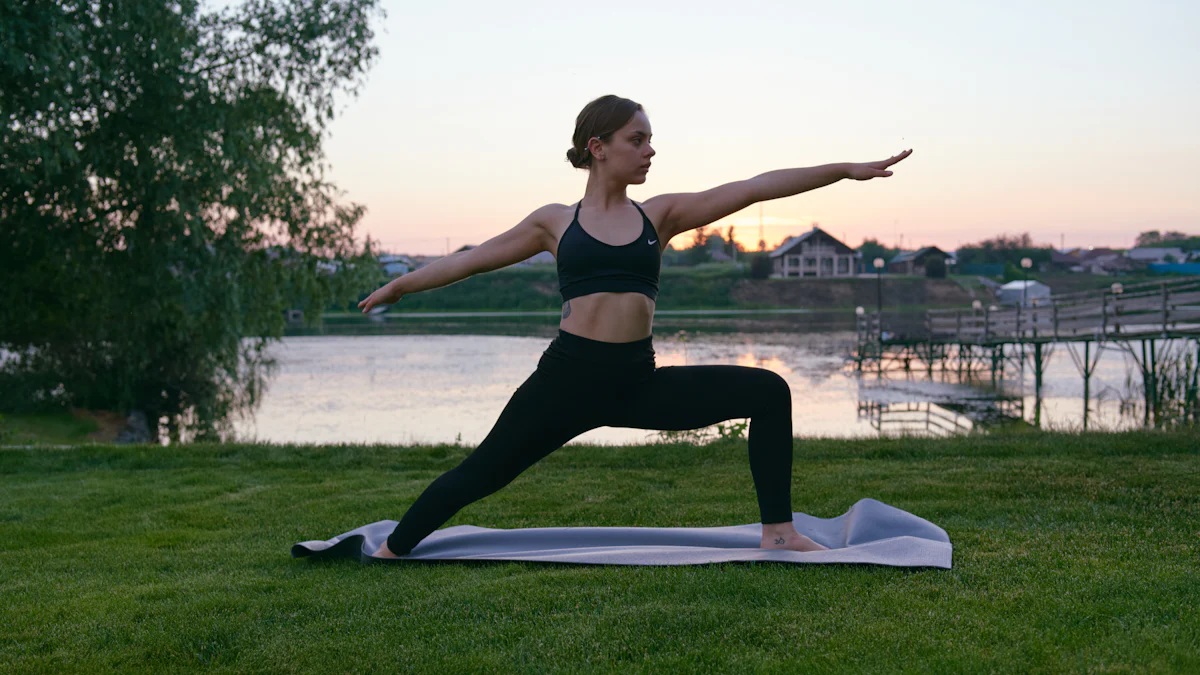
Yama: Ethical Disciplines
Yama represents the ethical guidelines that shape your interactions with others and the world. These principles encourage you to cultivate a sense of responsibility and compassion. You can think of Yama as the foundation of your practice. It includes five key disciplines:
Ahimsa (Non-violence): Embrace kindness in your thoughts, words, and actions.
Satya (Truthfulness): Speak and act with honesty, fostering trust in your relationships.
Asteya (Non-stealing): Respect others' possessions and time, promoting fairness.
Brahmacharya (Celibacy or moderation): Practice self-control and moderation in all aspects of life.
Aparigraha (Non-possessiveness): Let go of greed and attachment, allowing for a more peaceful existence.
By integrating these ethical disciplines into your daily life, you create a harmonious environment that supports your yoga journey.
Niyama: Personal Observances
Niyama focuses on personal growth and self-discipline. These observances guide you toward a deeper understanding of yourself and your place in the universe. You can think of Niyama as the inner work that complements the outer practices of yoga. The five Niyamas include:
Saucha (Purity): Maintain cleanliness in your body and mind, fostering clarity.
Santosha (Contentment): Cultivate gratitude and acceptance, finding joy in the present moment.
Tapas (Discipline): Develop willpower and commitment to your practice, pushing through challenges.
Svadhyaya (Self-study): Engage in reflection and study of sacred texts, deepening your knowledge.
Ishvara Pranidhana (Surrender to a higher power): Trust in the universe and let go of control, allowing for growth.
Embracing these personal observances helps you build a strong foundation for your Ashtanga Yoga practice.
Asana: Physical Postures
Asana, the third limb, emphasizes the importance of physical postures in your yoga practice. These postures not only enhance your strength and flexibility but also prepare your body for meditation. As you practice Asana, you develop a deeper connection between your body and mind.
Research shows that Ashtanga Yoga facilitates faster physical results compared to other methods. This practice balances strength and flexibility, making it unique. You can expect to see improvements in your physical abilities as you commit to practicing regularly, ideally five to six days a week.
Incorporating basic Asanas into your routine can lead to significant benefits. Here are a few essential postures to get you started:
Downward Dog: Strengthens the entire body while stretching the spine and hamstrings.
Warrior I: Builds strength in the legs and opens the hips, promoting stability.
Tree Pose: Enhances balance and concentration, grounding you in the present moment.
As you explore these postures, remember that consistency is key. With dedication, you will experience the transformative power of Asana in your life.
Pranayama: Breath Control
Pranayama, the fourth limb of Ashtanga Yoga, focuses on breath control. You can harness the power of your breath to enhance your physical and mental well-being. By practicing Pranayama, you learn to regulate your breathing patterns, which can lead to increased energy and reduced stress.
Start with simple techniques like Ujjayi Breath. This method involves inhaling deeply through your nose while slightly constricting your throat. The sound created resembles ocean waves. This practice calms your mind and prepares you for deeper meditation.
Research shows that consistent Pranayama practice can improve brain function. Experienced practitioners often exhibit decreased glucose metabolism in specific brain regions, indicating a more efficient use of energy. This efficiency can lead to enhanced focus and clarity in your daily life.
Pratyahara: Withdrawal of Senses
Pratyahara, the fifth limb, teaches you to withdraw your senses from external distractions. In today’s fast-paced world, this practice becomes essential. You can cultivate inner awareness by turning your attention inward, allowing you to connect with your true self.
Begin by finding a quiet space. Close your eyes and focus on your breath. Notice any thoughts or sensations without judgment. This practice helps you detach from external stimuli, creating a sense of calm.
As you develop this skill, you may find it easier to concentrate during your yoga practice. Pratyahara lays the groundwork for deeper meditation, allowing you to explore your inner landscape.
Dharana: Concentration
Dharana, the sixth limb, emphasizes concentration. This practice involves focusing your mind on a single point or object. You can enhance your ability to concentrate by incorporating techniques such as candle gazing or focusing on your breath.
Start with short sessions. Choose an object, like a candle flame, and fix your gaze on it. If your mind wanders, gently bring your focus back. Over time, you will notice improvements in your ability to concentrate, both on and off the mat.
Scientific studies indicate that regular practice of Dharana can lead to increased cortical inhibition. This means your brain becomes more efficient at filtering out distractions. As a result, you can experience heightened awareness and improved mental clarity.
By integrating Pranayama, Pratyahara, and Dharana into your practice, you create a powerful foundation for personal growth. These limbs not only enhance your yoga journey but also enrich your everyday life. Embrace these practices and watch as your focus, awareness, and overall well-being flourish.
Dhyana: Meditation
Dhyana, the seventh limb of Ashtanga Yoga, invites you to explore the depths of meditation. This practice encourages you to quiet your mind and connect with your inner self. You can experience profound peace and clarity through focused meditation.
Begin by finding a comfortable seated position. Close your eyes and take a few deep breaths. Allow your thoughts to settle. Focus on your breath or a specific mantra. As you practice, you may notice distractions arise. Acknowledge them without judgment, then gently return your focus.
Research shows that regular meditation enhances brain function. Experienced practitioners often exhibit increased cortical inhibition, which means their brains filter out distractions more effectively. This ability leads to heightened awareness and improved mental clarity in daily life.
Incorporating Dhyana into your routine can transform your practice. Set aside time each day to meditate. Even a few minutes can make a difference. As you deepen your meditation practice, you will cultivate a sense of calm and presence that enriches your overall well-being.
Samadhi: State of Bliss
Samadhi represents the ultimate goal of Ashtanga Yoga. This state of bliss occurs when you achieve complete absorption in your practice. You experience a profound connection with yourself and the universe. In this state, you transcend the ego and experience pure consciousness.
To reach Samadhi, you must cultivate dedication and consistency in your practice. Engage fully in each limb of Ashtanga Yoga. As you progress, you will notice moments of deep connection and joy. These moments may feel fleeting at first, but they will become more frequent as you continue your journey.
Scientific studies indicate that experienced yoga practitioners show decreased glucose metabolism in specific brain regions. This finding suggests that years of dedicated practice lead to a more efficient use of energy in the brain. As you approach Samadhi, you may find that your mind becomes clearer and your thoughts more focused.
Embrace the journey toward Samadhi. Allow yourself to be present in each moment. Celebrate your progress, no matter how small. With time and commitment, you will unlock the blissful state that lies within you.
Getting Started with Ashtanga Yoga
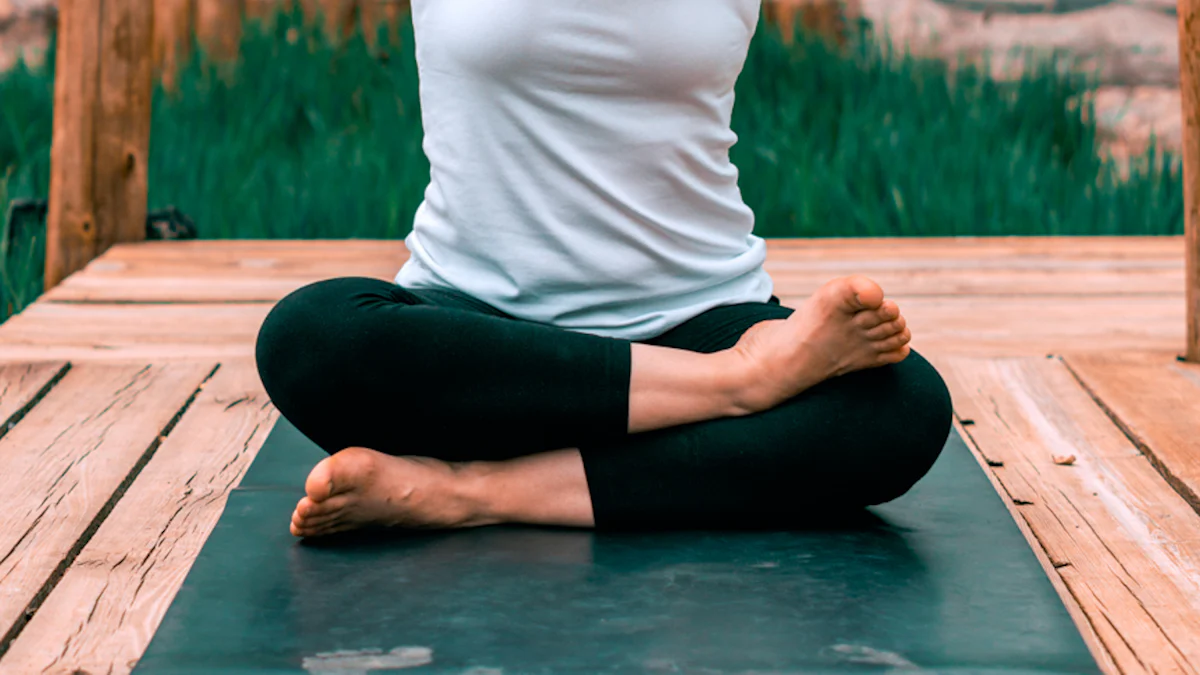
Setting Up Your Practice Space
Creating a dedicated practice space enhances your Ashtanga Yoga experience. Choose a quiet area in your home where you can focus without distractions. Ensure the space feels inviting and calming. You might want to add personal touches like plants, candles, or inspiring artwork.
Keep your yoga mat clean and free from clutter. A tidy environment promotes clarity and peace of mind. Consider using props like blocks or straps to support your practice. These tools can help you achieve proper alignment and deepen your stretches.
Choosing the Right Time for Practice
Finding the right time for your practice is crucial. Morning sessions often provide a fresh start to your day. The quietness of the early hours allows you to connect with yourself before the world awakens. Alternatively, practicing in the evening can help you unwind and reflect on your day.
Listen to your body and choose a time that feels right for you. Consistency is key. Aim to practice at the same time each day to establish a routine. This commitment will help you develop discipline and make yoga a natural part of your life.
Basic Asanas for Beginners
Starting with basic Asanas builds a strong foundation for your practice. Here are a few essential postures to incorporate into your routine:
Mountain Pose (Tadasana): Stand tall with your feet together. Ground your feet into the earth and reach your arms overhead. This pose promotes stability and awareness.
Cat-Cow Stretch (Marjaryasana-Bitilasana): Begin on all fours. Inhale as you arch your back (Cow), and exhale as you round your spine (Cat). This flow warms up your spine and improves flexibility.
Child’s Pose (Balasana): Kneel on the mat and sit back on your heels. Stretch your arms forward and rest your forehead on the ground. This pose encourages relaxation and introspection.
Cobra Pose (Bhujangasana): Lie on your stomach and place your hands under your shoulders. Inhale as you lift your chest off the ground, keeping your elbows close to your body. This pose strengthens your back and opens your heart.
Seated Forward Bend (Paschimottanasana): Sit with your legs extended in front of you. Inhale and lengthen your spine, then exhale as you fold forward. This pose stretches your hamstrings and calms your mind.
Incorporating these basic Asanas into your practice will help you build strength and flexibility. Remember to listen to your body and modify poses as needed. With dedication, you will experience the transformative power of Ashtanga Yoga. Embrace this journey, and watch as your practice flourishes.
Developing a Consistent Routine
Establishing a consistent routine is essential for your Ashtanga Yoga practice. A regular schedule helps you build discipline and makes yoga a natural part of your life. Here are some tips to help you develop a routine that works for you:
Set Clear Goals: Define what you want to achieve with your practice. Whether it’s improving flexibility, reducing stress, or enhancing mental clarity, having clear goals keeps you motivated.
Choose a Specific Time: Pick a time that fits your lifestyle. Morning sessions can energize your day, while evening practices can help you unwind. Consistency in timing reinforces your commitment.
Start Small: Begin with shorter sessions. Even 15-20 minutes of practice can be beneficial. Gradually increase the duration as you become more comfortable. This approach prevents burnout and keeps you engaged.
Create a Schedule: Write down your practice days and times. Treat these sessions as appointments. This commitment helps you prioritize your practice amidst a busy schedule.
Listen to Your Body: Pay attention to how your body feels. Some days you may need a gentle flow, while other days you might feel ready for a more intense session. Adjust your practice accordingly.
Track Your Progress: Keep a journal to note your experiences. Documenting your journey allows you to reflect on your growth. You may notice improvements in strength, flexibility, and mental clarity over time.
Stay Flexible: Life can be unpredictable. If you miss a session, don’t be hard on yourself. Simply return to your routine when you can. Flexibility in your approach fosters a positive mindset.
Incorporate Variety: Mix up your practice to keep it exciting. Explore different Asanas, try new sequences, or incorporate meditation. Variety prevents monotony and enhances your overall experience.
Research supports the benefits of a consistent yoga practice. Studies show that yoga practitioners exhibit greater gray matter volume in areas of the brain associated with emotion and cognition. This increase in brain density can lead to improved focus and reduced cognitive failures.
By developing a consistent routine, you not only enhance your physical practice but also cultivate mental resilience. Embrace this journey with an open heart. Celebrate each small victory along the way. With dedication and commitment, you will unlock the transformative power of Ashtanga Yoga in your life.
Common Challenges for Beginners
Overcoming Physical Limitations
As a beginner, you may face physical limitations that can feel discouraging. Remember, every yogi starts somewhere. Focus on your body’s unique capabilities. Listen to what it tells you. Modify poses to suit your current level. Use props like blocks or straps to assist you.
Consider this: Yoga is not about perfection; it’s about progress. Celebrate small victories. Each time you practice, you build strength and flexibility. Over time, you will notice improvements. Your body will adapt, and you will grow more confident in your abilities.
Managing Expectations
Managing your expectations is crucial in your yoga journey. You might envision yourself mastering complex poses right away. However, yoga is a gradual process. Set realistic goals. Aim for consistency rather than perfection.
Focus on the journey, not just the destination. Each practice brings you closer to your goals. Embrace the learning curve. Understand that every yogi experiences ups and downs.
"The journey of a thousand miles begins with one step." – Lao Tzu
This quote reminds you that every small effort counts. Celebrate your progress, no matter how minor it seems.
Staying Motivated
Staying motivated can be challenging, especially when life gets busy. Create a routine that fits your lifestyle. Schedule your practice like any other important appointment. Consistency breeds habit.
Find inspiration in various ways. Join a local class or connect with fellow practitioners online. Sharing your experiences can reignite your passion.
Keep a journal to track your progress. Documenting your journey allows you to reflect on your growth. You may discover patterns in your practice that inspire you to push further.
Research shows that regular yoga practice enhances brain function. Practitioners often exhibit increased gray matter volume in areas related to emotion and cognition. This improvement can lead to better focus and reduced stress.
Embrace the challenges. They are part of your growth. With dedication and an open heart, you will overcome obstacles and thrive in your Ashtanga Yoga journey.
Finding Resources: Patanjali Ashtanga Yoga PDF and More
Where to Find Ashtanga Yoga PDFs
You can discover a wealth of resources online to enhance your Ashtanga Yoga practice. Many websites offer free and paid Patanjali Ashtanga Yoga PDFs. Start by exploring reputable yoga platforms, educational sites, and wellness blogs. These sources often provide comprehensive guides that cover the eight limbs of Ashtanga Yoga, sequences, and tips for beginners.
Additionally, consider checking out online marketplaces. They frequently feature eBooks and downloadable content that cater to various skill levels. Libraries also offer digital resources, so don’t hesitate to explore their collections.
Recommended PDF Resources for Beginners
As a beginner, you want resources that simplify your learning process. Here are some recommended PDFs to kickstart your journey:
Patanjali's Yoga Sutras: This foundational text provides insights into the philosophy behind Ashtanga Yoga. Understanding these principles will deepen your practice.
Ashtanga Yoga Sequences: This PDF outlines the first series of Ashtanga Yoga sequences. It includes detailed descriptions of physical postures, breathing exercises, and meditation techniques.
Beginner’s Guide to Ashtanga Yoga: This resource offers practical tips and advice tailored for newcomers. It covers everything from setting up your practice space to developing a routine.
These resources will empower you to embrace your practice with confidence and clarity.
How to Use PDFs Effectively in Your Practice
Using Patanjali Ashtanga Yoga PDFs effectively can significantly enhance your practice. Here are some tips to maximize their benefits:
Create a Study Schedule: Dedicate specific times to read and practice. This consistency will help you absorb the material and apply it to your sessions.
Take Notes: Jot down key points or insights as you read. This active engagement will reinforce your understanding and retention.
Practice Alongside the PDFs: Use the sequences and instructions in the PDFs during your practice. This hands-on approach will help you connect theory with practice.
Reflect on Your Progress: After practicing, take a moment to reflect on what you learned. Consider how you can incorporate new techniques into your routine.
By integrating these strategies, you will cultivate a richer and more fulfilling Ashtanga Yoga experience.
Tips for Deepening Your Practice
Joining a Community or Class
Engaging with a community or attending a class can significantly enhance your Ashtanga Yoga journey. Surrounding yourself with like-minded individuals creates a supportive environment. You can share experiences, challenges, and successes. This connection fosters motivation and accountability.
Consider joining a local yoga studio or an online class. Many studios offer beginner-friendly sessions. You will benefit from the guidance of experienced instructors. They can provide personalized feedback and help you refine your practice.
"Yoga is not just about the poses; it’s about the community that supports you."
This quote highlights the importance of connection in your practice. When you practice with others, you inspire each other to grow. You can also participate in workshops or retreats. These events deepen your understanding and allow you to immerse yourself in the practice.
Incorporating Meditation and Mindfulness
Integrating meditation and mindfulness into your routine can elevate your Ashtanga Yoga experience. These practices enhance your ability to focus and connect with your inner self. Start with just a few minutes of meditation each day. Find a quiet space, close your eyes, and focus on your breath.
As you meditate, observe your thoughts without judgment. This practice cultivates awareness and helps you stay present. Research shows that regular meditation improves brain function. Experienced practitioners often exhibit increased cortical inhibition, allowing them to filter distractions effectively.
Mindfulness can also extend beyond your mat. Practice being present in your daily activities. Whether you eat, walk, or engage in conversations, focus on the moment. This approach fosters gratitude and enhances your overall well-being.
Tracking Your Progress
Tracking your progress is essential for growth in your Ashtanga Yoga practice. Keeping a journal allows you to reflect on your experiences. Document your thoughts, feelings, and physical changes. This practice helps you identify patterns and areas for improvement.
Set specific goals for your practice. Whether you aim to master a particular pose or develop a consistent routine, having clear objectives keeps you motivated. Celebrate your achievements, no matter how small. Each step forward is a victory.
Research indicates that experienced yoga practitioners show long-term decreases in glucose metabolism related to years of practice. This finding suggests that dedication to yoga leads to significant benefits over time. By tracking your progress, you can witness your transformation and stay inspired on your journey.
Embrace these tips to deepen your practice. Join a community, incorporate mindfulness, and track your progress. With commitment and passion, you will unlock the full potential of your Ashtanga Yoga journey.
Understanding Patanjali's Ashtanga Yoga opens the door to a transformative journey. You gain insight into the eight limbs, which guide you toward balance and self-discovery. Start practicing today to experience the physical and mental benefits firsthand. Embrace the resources available, such as the Patanjali Ashtanga Yoga PDF, to deepen your knowledge and enhance your practice. Remember, every step you take brings you closer to a more fulfilling life.

Hi my name is Lia and i am your host in this yoga journey in Portugal, Subscribe to our newsletter to receive every week the best of Yoga in Portugal.

We bring back the importance of initiation into womanhood by Roos-Veerle Krijnen & Ella-June Henrard
Welcome to the Women’s Initiation Retreat by Naked Truth Retreats, a transformative journey into the depths of your True Feminine Nature. This retreat invites you to remember the sacredness and wholeness of your being.
Roos-Veerle Krijnen & Ella-June Henrard