Tracing the Roots of Yoga: An Ancient Practice

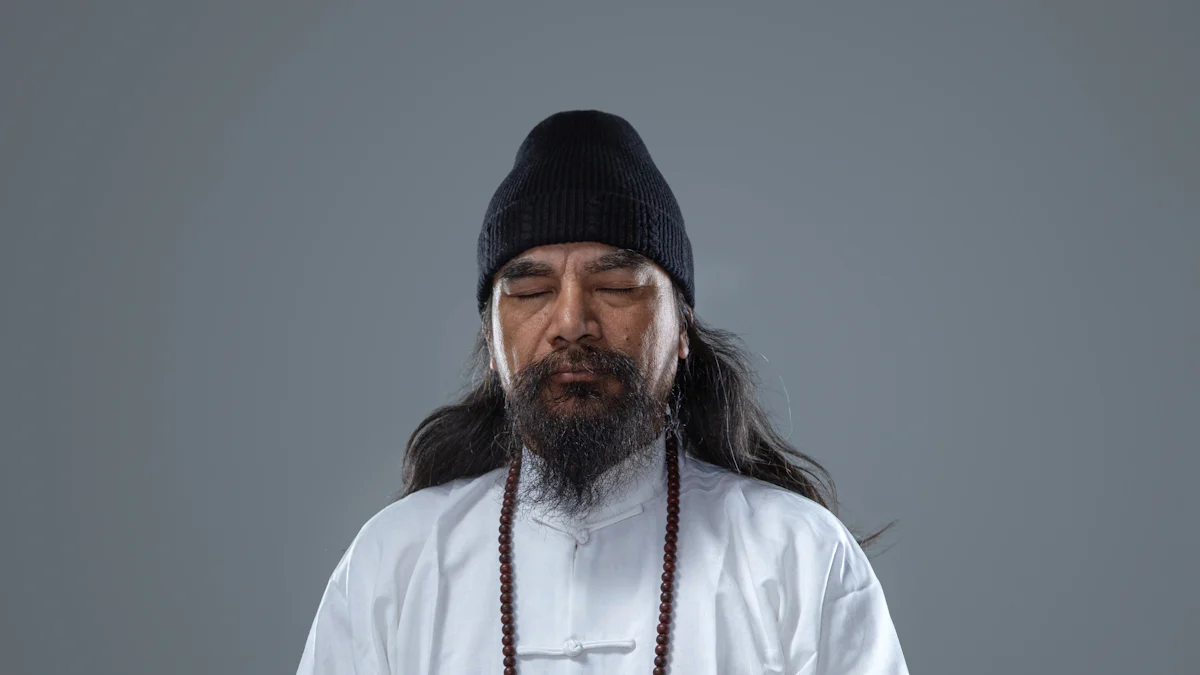
Yoga's origins stretch back thousands of years, deeply embedded in ancient Indian traditions. This practice is not just physical; it also encompasses spiritual and philosophical dimensions. The earliest references to yoga appear in the Rigveda, an ancient Indian text from around 1,500 B.C., which includes hymns and rituals that touch on discipline and controlled breathing. The Indus Valley Civilization also provides archaeological evidence of early yoga practices. Understanding these roots helps you appreciate how yoga has evolved and impacted cultures worldwide. You might wonder, who is the founder of yoga? While there isn't a single founder, Lord Krishna in the Mahabharata offers insights into yoga's profound solutions for human life.
Pre-Vedic Period
Early Spiritual Practices
Shamanistic Traditions
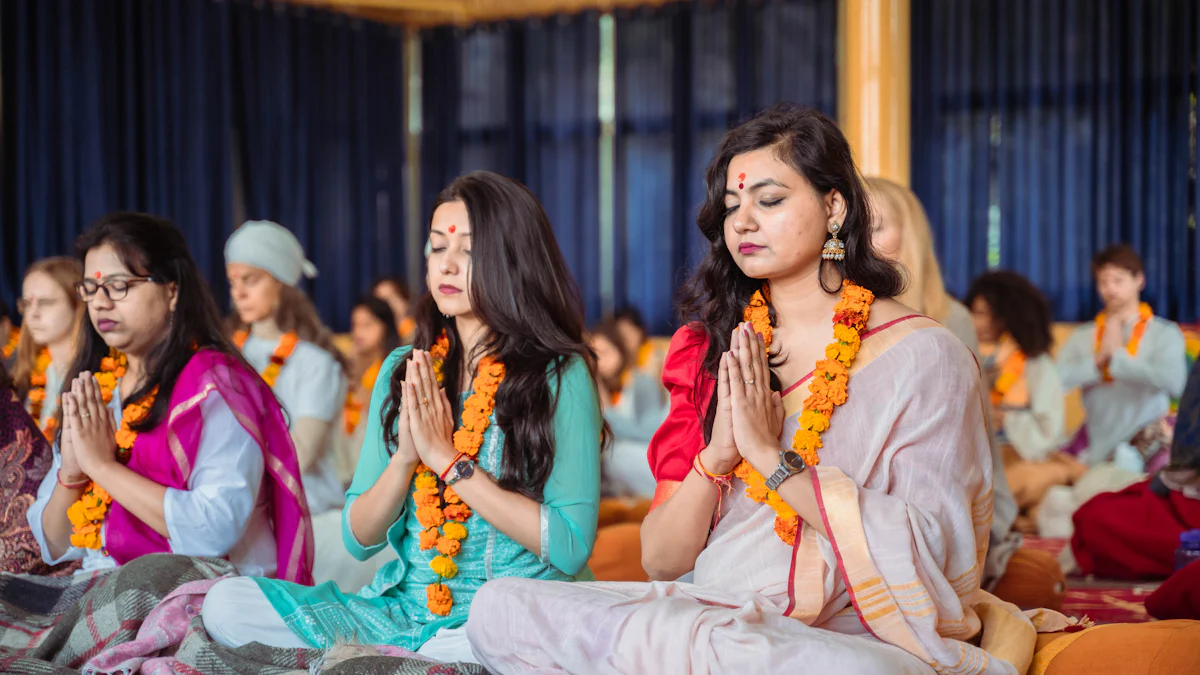
In the Pre-Vedic period, you find the roots of yoga intertwined with early spiritual practices. Shamanistic traditions played a significant role during this time. Shamans, as spiritual leaders, guided communities through rituals and ceremonies. They sought to connect with the spiritual realm, using meditation and trance-like states. These practices laid the groundwork for what would later evolve into more structured forms of yoga.
Proto-Yogic Elements
Proto-yogic elements emerged as people began exploring the mind-body connection. You can imagine individuals experimenting with breath control and physical postures. These early practices aimed to achieve balance and harmony within oneself. The focus was on self-discipline and inner awareness, which are core principles of yoga today.
Archaeological Evidence
Indus Valley Civilization
The Indus Valley Civilization provides some of the earliest archaeological evidence of yoga. This ancient civilization, thriving around 2700 BCE, left behind fascinating artifacts. Excavations in sites like Mohenjo-Daro revealed seals depicting figures in meditative poses. These findings suggest that yoga-like practices were already in existence over 5,000 years ago.
Seals and Artifacts
Among the most notable discoveries is the Pashupati Seal. This artifact shows a figure seated in a posture resembling modern yoga poses. Scholars believe it represents Shiva, the Adiyogi, or the first yogi. Such seals and artifacts highlight the deep cultural roots of yoga in ancient India. They offer a glimpse into how early civilizations valued meditation and spiritual exploration.
Vedic Period
The Vedas and Early Texts
Rigveda References
During the Vedic period, you find the earliest mentions of yoga in the Rigveda, one of the oldest sacred texts. This ancient scripture, dating back to around 1,500 B.C., introduces the concept of yoga through hymns and rituals. The word "yoga" appears in these texts, highlighting its significance even in early spiritual practices. The Rigveda emphasizes discipline and controlled breathing, laying the groundwork for what would become a more structured practice. These references show how deeply yoga is rooted in Indian spirituality and philosophy.
Hymns and Rituals
The Vedic hymns and rituals provide a glimpse into the spiritual life of ancient India. You see how these practices aimed to connect individuals with the divine. The rituals often involved chanting, meditation, and offerings to the gods. Through these activities, practitioners sought to achieve a state of unity and harmony. This pursuit of balance and connection is a core principle of yoga, reflecting its spiritual essence. The Vedic texts serve as a foundation for understanding how yoga evolved from these early spiritual practices.
Development of Ascetic Practices
Tapas and Meditation
As you explore the Vedic period further, you encounter the development of ascetic practices. Tapas, a term referring to self-discipline and austerity, became central to spiritual growth. Practitioners engaged in meditation and other rigorous practices to purify the mind and body. This focus on inner transformation and self-control is a hallmark of yoga. By cultivating tapas, individuals aimed to transcend worldly desires and achieve higher states of consciousness.
Influence on Later Traditions
The ascetic practices of the Vedic period significantly influenced later yoga traditions. You can trace the roots of meditation and self-discipline back to this era. These practices laid the groundwork for the diverse paths of yoga that emerged over time. The emphasis on inner exploration and spiritual growth continues to resonate in modern yoga. Understanding these early influences helps you appreciate the depth and richness of yoga's history.
Pre-Classical Period
Upanishads and Philosophical Expansion
In the Pre-Classical period, the Upanishads emerged as significant texts that expanded the philosophical dimensions of yoga. These ancient writings, developed around 800-200 BCE, delve into profound concepts like self-realization and meditation. They explore the relationship between the individual soul (Atman) and the universal consciousness (Brahman). You find that the Upanishads lay the groundwork for the philosophical aspects of yoga, emphasizing the journey towards self-awareness and understanding the cosmos.
Concepts of Atman and Brahman
The Upanishads introduce you to the concepts of Atman and Brahman. Atman refers to the individual soul, while Brahman represents the ultimate reality or universal spirit. The texts teach that realizing the unity between Atman and Brahman leads to liberation, or Moksha. This idea forms a core principle of yoga, guiding practitioners towards spiritual enlightenment. By understanding these concepts, you gain insight into the deeper philosophical roots of yoga.
Emergence of Jnana Yoga
From the teachings of the Upanishads, Jnana Yoga emerged as a path focused on knowledge and wisdom. This form of yoga encourages you to seek truth through study, reflection, and meditation. It emphasizes the importance of understanding the nature of reality and the self. Jnana Yoga invites you to question and explore, fostering a deeper connection with the spiritual aspects of yoga.
The Bhagavad Gita
The Bhagavad Gita, a revered scripture, plays a pivotal role in the evolution of yoga during the Pre-Classical period. This 700-verse dialogue between Lord Krishna and Prince Arjuna offers profound insights into human wisdom and the practice of yoga. The Gita introduces various paths of yoga, highlighting their significance in achieving a balanced state of mind.
Integration of Yoga Paths
In the Bhagavad Gita, you discover the integration of different yoga paths. Lord Krishna explains that yoga involves cultivating the proper attitude of mind in various life circumstances. This holistic approach underscores the importance of balance and harmony, reflecting yoga's essence as a lifestyle rather than just a physical practice.
Karma, Bhakti, and Jnana Yoga
The Bhagavad Gita elaborates on three primary paths: Karma Yoga, Bhakti Yoga, and Jnana Yoga.
Karma Yoga emphasizes selfless action, encouraging you to perform duties without attachment to outcomes. This path teaches that actions should align with dharma, or moral duty, fostering a sense of purpose and fulfillment.
Bhakti Yoga focuses on devotion and love for the divine. It invites you to cultivate a deep, personal connection with a higher power, nurturing spiritual growth through faith and surrender.
Jnana Yoga, as previously mentioned, centers on knowledge and wisdom, guiding you towards self-realization through intellectual inquiry.
These paths illustrate the diverse approaches within yoga, each offering unique insights and practices. By exploring these teachings, you gain a comprehensive understanding of yoga's multifaceted nature.
Classical Period
Patanjali's Yoga Sutras
During the Classical Period, Patanjali made a significant contribution to yoga by compiling the Yoga Sutras. This text, written around 500 BCE, serves as the foundation of classical yoga practice. Patanjali's work is considered the authoritative guide on yoga, offering a systematic analysis of practical methods for awakening and expanding the higher faculties of the mind. His sutras reflect a broad-minded approach, accepting various methods and providing general principles with specific examples.
Eight Limbs of Yoga
Patanjali outlined the Eight Limbs of Yoga, which form the core of his teachings. These limbs provide a comprehensive framework for spiritual growth and self-discipline. They include:
Yama: Ethical standards and moral conduct.
Niyama: Self-discipline and spiritual observances.
Asana: Physical postures to prepare the body.
Pranayama: Breath control to enhance life force.
Pratyahara: Withdrawal of senses to focus inward.
Dharana: Concentration and cultivating inner awareness.
Dhyana: Meditation and contemplation.
Samadhi: State of bliss and union with the divine.
These limbs guide you through a holistic journey, emphasizing the importance of balance between physical, mental, and spiritual practices.
Codification of Practices
Patanjali's Yoga Sutras codified the philosophy and practice of yoga, setting the stage for its diverse expressions. By organizing these teachings, Patanjali provided a clear path for practitioners to follow. His work influenced countless generations, offering guidance to create peace and achieve fulfillment. The Yoga Sutras remain a vital resource for understanding the essence of yoga and its transformative potential.
Influence of Samkhya Philosophy
The Samkhya Philosophy significantly influenced the development of yoga during the Classical Period. This ancient Indian philosophy provides a dualistic framework that helps explain the nature of reality and the path to liberation.
Dualism and Liberation
Samkhya Philosophy presents a dualistic view of existence, distinguishing between Purusha (consciousness) and Prakriti (matter). According to this philosophy, liberation occurs when you realize the separation between these two entities. This understanding forms a crucial aspect of yoga, guiding practitioners toward spiritual enlightenment and freedom from the cycle of birth and death.
Impact on Yoga's Framework
The influence of Samkhya Philosophy on yoga's framework is profound. It shaped the way yoga approaches the mind-body connection and the pursuit of liberation. By integrating these philosophical concepts, yoga offers a comprehensive system for achieving balance and harmony. This integration highlights yoga's depth and richness, providing you with valuable insights into its historical and philosophical roots.
Post-Classical Period
Tantra and Hatha Yoga
Emphasis on Physical Practices
During the Post-Classical Period, you witness a significant shift in yoga's focus. Tantra and Hatha Yoga emerged, emphasizing physical practices. These forms of yoga aimed to harness the body's vital energies for spiritual liberation. Practitioners believed that by mastering the body, they could achieve higher states of consciousness. This period marked a departure from purely meditative practices, introducing dynamic physical elements into yoga.
Development of Asanas
The development of asanas, or physical postures, became a hallmark of Hatha Yoga. Yoga masters created these postures to purify the body and mind, facilitating spiritual growth. The practice of asanas helped practitioners build strength, flexibility, and balance. This physical discipline complemented the mental and spiritual aspects of yoga, offering a holistic approach to self-improvement. You can see how these practices laid the foundation for modern yoga's emphasis on physical fitness and well-being.
Integration with Other Traditions
Influence of Buddhism and Jainism
Yoga did not evolve in isolation. It integrated with other spiritual traditions, including Buddhism and Jainism. These interactions enriched yoga's philosophy and practices. Buddhism, with its focus on meditation and mindfulness, influenced yoga's contemplative aspects. Jainism contributed principles of non-violence and self-discipline, aligning with yoga's ethical foundations. This cross-pollination of ideas expanded yoga's scope, making it a more inclusive and diverse practice.
Syncretic Practices
The integration of different traditions led to the development of syncretic practices. Yoga absorbed elements from various spiritual paths, creating a rich tapestry of techniques and philosophies. This blending of traditions allowed yoga to adapt and thrive in diverse cultural contexts. You can appreciate how these syncretic practices contributed to yoga's resilience and enduring appeal. By embracing diverse influences, yoga evolved into a multifaceted discipline that continues to inspire and transform lives worldwide.
Modern Period

Globalization of Yoga
Introduction to the West
Yoga's journey to the West began in the early 19th century, marking a significant shift in its global presence. As Western societies embraced this ancient practice, yoga transformed from a spiritual discipline into a multifaceted lifestyle choice. You might find it fascinating that yoga's introduction to the West coincided with a growing interest in Eastern philosophies and spirituality. This cultural exchange enriched both yoga and Western thought, leading to a deeper appreciation of its holistic benefits.
Popularization and Adaptation
The popularization of yoga in the West has led to its adaptation in various forms. Today, you can explore a wide range of yoga styles, each catering to different preferences and needs. From the vigorous sequences of Power Yoga to the calming practices of Restorative Yoga, there's something for everyone. This diversity reflects yoga's adaptability and its ability to resonate with people from all walks of life. As yoga continues to evolve, it remains a powerful tool for enhancing physical and mental well-being.
Contemporary Yoga Movements
Diverse Styles and Schools
In the modern era, yoga has blossomed into a vibrant tapestry of styles and schools. You might be intrigued by the sheer variety available today. Some popular styles include:
Hatha Yoga: Focuses on physical postures and breath control.
Vinyasa Yoga: Emphasizes fluid movement and breath synchronization.
Ashtanga Yoga: A rigorous practice with a set sequence of postures.
Iyengar Yoga: Prioritizes alignment and precision in poses.
These diverse styles offer unique approaches to achieving balance and harmony. By exploring different schools of yoga, you can discover what resonates best with your personal goals and interests.
Yoga as a Wellness Practice
Yoga's role as a wellness practice has gained immense recognition worldwide. Scientific studies affirm its effectiveness in improving cardiovascular health, alleviating symptoms of depression, and enhancing cognitive function. You might find it interesting that yoga is not just about physical fitness; it also promotes mental clarity and emotional resilience. As a holistic practice, yoga encourages you to cultivate mindfulness and self-awareness, fostering a sense of inner peace and well-being. Whether you're seeking stress relief or spiritual growth, yoga offers a path to a healthier, more balanced life.
Yoga has transformed from ancient spiritual practices into a global phenomenon. Its rich history blends philosophical, spiritual, and physical elements, making it a multifaceted discipline. By understanding yoga's roots, you can appreciate its diverse modern forms. Today, yoga caters to various goals, interests, and abilities, offering something for everyone. It enhances the quality of life for millions, providing stress reduction, mental well-being, and spiritual growth. As you explore yoga's historical and cultural significance, you uncover a practice that continues to evolve and inspire.
See Also
Uncovering Yoga's Heritage and Evolution in India
Discovering Yoga's Historical Development and Significance
Examining the Significance of Global Yoga Day

Hi my name is Lia and i am your host in this yoga journey in Portugal, Subscribe to our newsletter to receive every week the best of Yoga in Portugal.

We bring back the importance of initiation into womanhood by Roos-Veerle Krijnen & Ella-June Henrard
Welcome to the Women’s Initiation Retreat by Naked Truth Retreats, a transformative journey into the depths of your True Feminine Nature. This retreat invites you to remember the sacredness and wholeness of your being.
Roos-Veerle Krijnen & Ella-June Henrard