Exploring the Most Popular Types of Yoga
Yoga continues to grow in popularity, with millions of people practicing it across the globe. you’ll find various styles, including some of the most popular types of yoga, each offering unique benefits. Understanding these different types of yoga helps you make informed choices about your practice. Whether you seek relaxation, strength, or a deeper connection to yourself, knowing what each style offers can guide you to the right fit. Dive into the world of yoga and discover how it can enhance your life.
Key Takeaways
Explore various yoga styles to find the one that best suits your needs, whether for relaxation, strength, or spiritual growth.
Hatha yoga is ideal for beginners, offering a gentle introduction with a focus on alignment, balance, and stress reduction.
Vinyasa yoga combines breath and movement, providing a dynamic workout that enhances cardiovascular health and mindfulness.
Ashtanga yoga offers a structured and rigorous practice, perfect for those seeking discipline and a strong foundation in yoga.
Bikram yoga, practiced in a heated room, helps improve flexibility and strength while promoting mental well-being.
Yin yoga emphasizes long-held postures for deep stretching, making it excellent for enhancing flexibility and reducing muscle soreness.
Restorative yoga focuses on relaxation and recovery, using props to support the body and promote deep relaxation and stress relief.
Hatha Yoga
Characteristics of Hatha Yoga
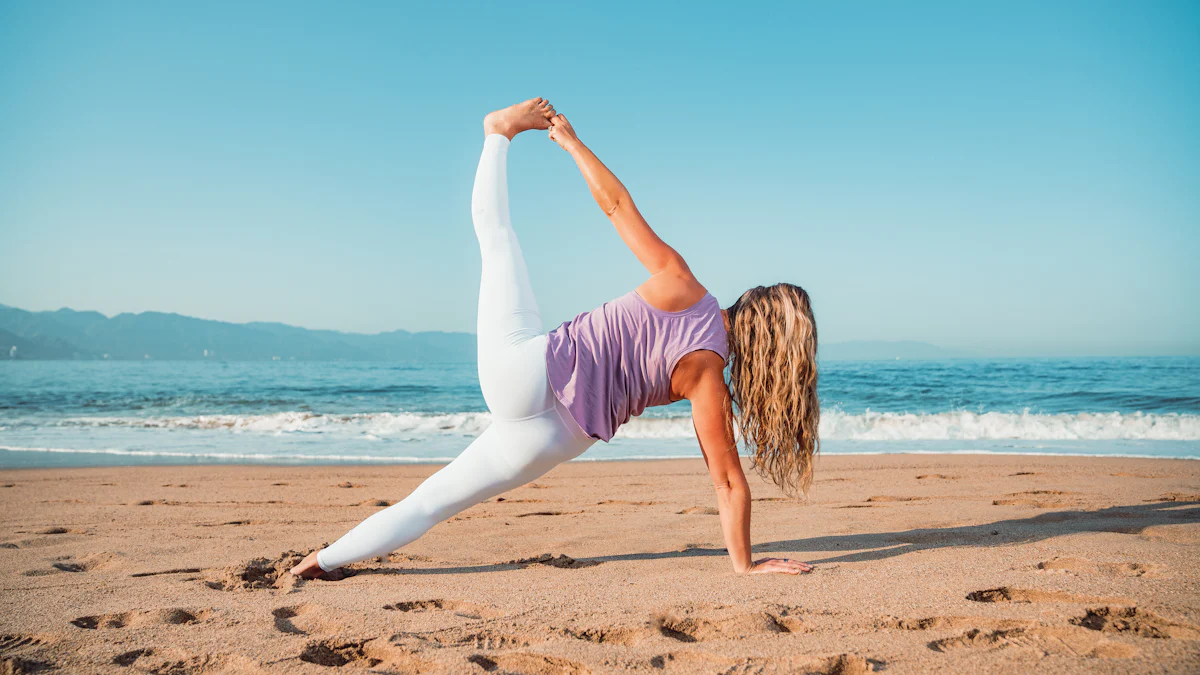
Hatha yoga serves as a foundational style that combines physical postures with breath control. You’ll find that it emphasizes alignment and balance, making it accessible for beginners. In a typical Hatha class, you can expect a slower pace, allowing you to focus on each pose. This style often includes a variety of poses, from standing to seated, and incorporates relaxation techniques. The gentle flow of movements helps you connect your body and mind.
Benefits of Hatha Yoga
Practicing Hatha yoga offers numerous benefits. Research shows that it can effectively reduce anxiety and symptoms of depression. Regular practice improves your posture, balance, and cardiovascular fitness. You may also notice enhanced flexibility in your muscles and joints.
Here are some key benefits you can experience:
Stress Reduction: Hatha yoga promotes relaxation, helping you manage daily stress.
Improved Mood: Engaging in this practice can boost your mood and overall mental health.
Increased Flexibility: You’ll find that your body becomes more flexible over time.
Core Strength: Hatha yoga strengthens your core, which supports better posture and stability.
Who Should Practice Hatha Yoga
Hatha yoga suits a wide range of individuals. If you’re a beginner, this style provides a gentle introduction to yoga. It’s perfect for those looking to improve their physical fitness while also focusing on mental well-being.
You might consider Hatha yoga if you:
Seek a calming practice to relieve stress.
Want to enhance your flexibility and strength.
Prefer a slower-paced class that allows for deeper exploration of poses.
Whether you’re new to yoga or returning after a break, Hatha yoga can be a great choice for your journey.
Vinyasa Yoga
Characteristics of Vinyasa Yoga
Vinyasa yoga, often called "flow" yoga, focuses on the connection between breath and movement. You’ll find that classes typically feature a series of poses linked together in a smooth, flowing sequence. This style allows you to move at your own pace while maintaining a rhythm that feels natural. Expect to transition from one pose to another, creating a dynamic practice that keeps your body engaged.
In a Vinyasa class, you might encounter various postures, including sun salutations and standing poses. The instructor often encourages you to synchronize your breath with each movement. This approach not only enhances your physical practice but also cultivates mindfulness.
Benefits of Vinyasa Yoga
Practicing Vinyasa yoga offers a range of benefits that can enhance both your physical and mental well-being. Research shows that Vinyasa yoga serves as an ideal light-intensity cardiovascular workout. This means you can improve your heart health while enjoying a fulfilling practice.
Additionally, studies indicate that Vinyasa yoga helps lower stress and anxiety levels. In fact, one study found that participants experienced significant reductions in stress after regular practice. You may also notice improvements in your flexibility, strength, and balance over time. Here are some key benefits you can expect:
Enhanced Cardiovascular Health: The flowing movements elevate your heart rate, promoting better circulation.
Stress Relief: Engaging in this practice can help you unwind and manage daily pressures.
Improved Flexibility: Regular practice allows your muscles to stretch and lengthen, increasing your range of motion.
Mindfulness and Focus: The emphasis on breath encourages you to stay present, enhancing your mental clarity.
Who Should Practice Vinyasa Yoga
Vinyasa yoga suits a variety of practitioners. If you enjoy a more active and dynamic style, this practice might be perfect for you. It appeals to those who seek a workout that combines physical challenge with mindfulness.
Consider Vinyasa yoga if you:
Want to build strength and endurance through movement.
Prefer a class that keeps you engaged and energized.
Enjoy the freedom to explore different poses and sequences.
Whether you’re a seasoned yogi or just starting out, Vinyasa yoga can offer a refreshing and invigorating experience.
Ashtanga Yoga
Characteristics of Ashtanga Yoga
Ashtanga yoga stands out as a rigorous and structured practice. You’ll follow a specific sequence of postures, which creates a consistent routine. This style emphasizes breath control and movement synchronization. Each pose flows into the next, creating a dynamic and energetic experience. Expect to engage in a series of sun salutations followed by standing and seated postures.
The practice also incorporates philosophical elements, which can deepen your understanding of yoga beyond just physical movements. Ashtanga yoga requires discipline and commitment, making it a great choice for those who thrive on structure.
Benefits of Ashtanga Yoga
Practicing Ashtanga yoga offers numerous benefits for both your body and mind. Research highlights its effectiveness in combating anxiety, depression, and stress. A study found that Ashtanga yoga can illuminate various dimensions of well-being, providing a holistic approach to health.
Here are some key benefits you can experience:
Improved Strength and Flexibility: The demanding sequences build muscle strength while enhancing flexibility.
Enhanced Mental Clarity: The focus on breath and movement fosters mindfulness, helping you stay present.
Stress Management: Regular practice can significantly reduce stress levels, promoting emotional balance.
Better Sleep Quality: Engaging in this practice may lead to improved sleep patterns, contributing to overall wellness.
Ashtanga yoga serves as a valid method to improve both physical and mental functioning. It offers therapeutic effects for various conditions, making it a valuable addition to your wellness routine.
Who Should Practice Ashtanga Yoga
Ashtanga yoga suits individuals who enjoy a challenging and disciplined practice. If you seek a workout that pushes your limits while promoting mindfulness, this style might be perfect for you.
Consider Ashtanga yoga if you:
Want to develop a strong foundation in yoga through consistent practice.
Enjoy a structured routine that keeps you motivated.
Are looking for a way to enhance your physical fitness and mental resilience.
Whether you’re an experienced yogi or just starting, Ashtanga yoga can elevate your practice and help you achieve your wellness goals.
Bikram Yoga
Characteristics of Bikram Yoga
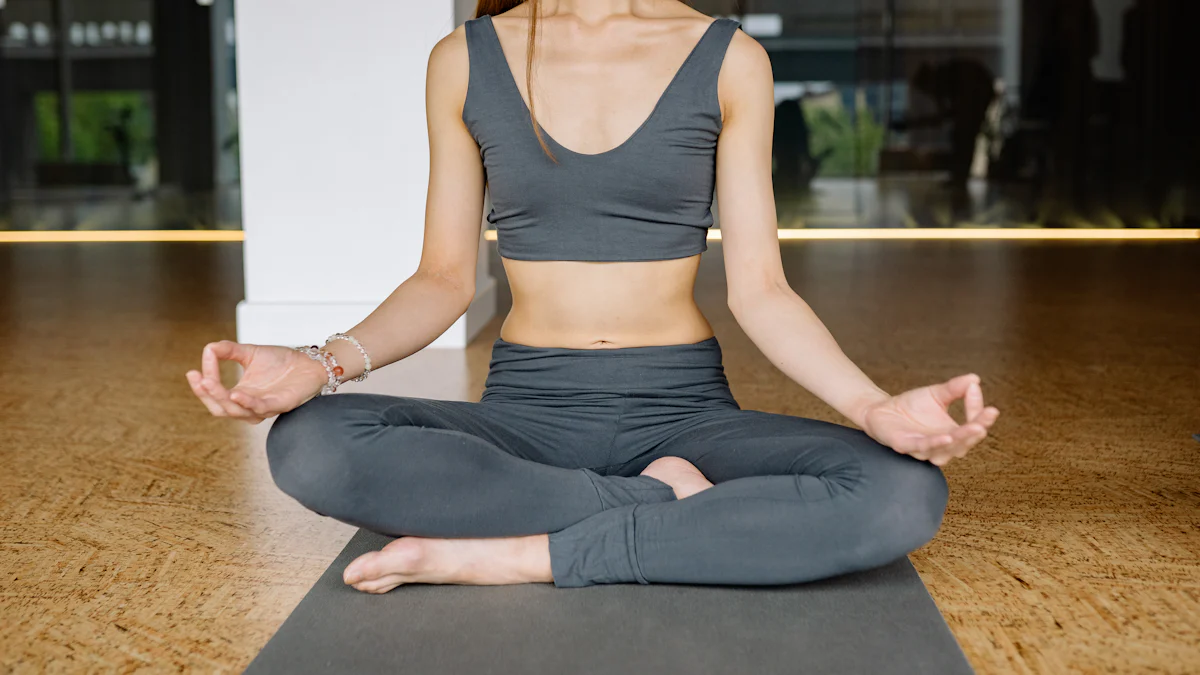
Bikram yoga stands out with its unique approach. You practice a series of 26 postures in a heated room, typically set to around 105°F (40°C). This heat helps your muscles warm up, allowing for deeper stretches and increased flexibility. Each class lasts about 90 minutes, and you’ll find that the sequence remains consistent, which helps you track your progress over time. The focus on breath and movement creates a dynamic experience that challenges both your body and mind.
Benefits of Bikram Yoga
Engaging in Bikram yoga offers several benefits that can enhance your overall well-being. Research indicates that this style can improve strength and flexibility. A study published in the Journal of Strength and Conditioning Research found that participants experienced improved deadlift strength after attending Bikram classes.
Additionally, Bikram yoga may help reduce symptoms of depression. An eight-week course showed significant improvements in middle-aged women, highlighting its potential as a mental health tool.
Here are some key benefits you can expect from practicing Bikram yoga:
Increased Flexibility: The heat allows your muscles to stretch more effectively, leading to greater flexibility over time.
Enhanced Strength: Regular practice builds muscle strength, particularly in your core and lower body.
Improved Mental Health: Many practitioners report reduced anxiety and improved mood after classes.
Bone Health: Some studies suggest that Bikram yoga may increase bone mineral density in premenopausal women, promoting better bone health.
Who Should Practice Bikram Yoga
Bikram yoga suits individuals who enjoy a structured and challenging workout. If you thrive in a heated environment and seek to push your physical limits, this style might be perfect for you.
Consider Bikram yoga if you:
Want to improve your flexibility and strength in a consistent setting.
Enjoy the challenge of practicing in a heated room.
Seek a workout that also supports mental well-being.
Whether you’re new to yoga or have experience, Bikram yoga can provide a unique and rewarding practice that aligns with your fitness goals.
Yin Yoga
Characteristics of Yin Yoga
Yin yoga offers a unique approach to your practice. This style focuses on long-held postures that target deep connective tissues and muscles. You typically hold each pose for several minutes, allowing your body to relax and release tension. Unlike more dynamic styles, Yin yoga encourages you to slow down and tune into your body.
In a typical class, you might find poses like the butterfly or dragon, which promote deep stretching. The gentle nature of this practice helps you cultivate mindfulness and awareness. You’ll notice that Yin yoga emphasizes stillness, inviting you to explore your limits without rushing.
Benefits of Yin Yoga
Practicing Yin yoga brings a wealth of benefits for both your body and mind. Research shows that this style can significantly improve flexibility. By holding poses for extended periods, you stretch not only your muscles but also your connective tissues. This practice enhances your overall range of motion, making daily activities easier.
Additionally, Yin yoga can reduce muscle soreness and improve recovery. A study highlighted its effectiveness in helping athletes recover after intense workouts. You may also experience improved mental health, as this practice promotes relaxation and stress relief. Here are some key benefits you can expect:
Enhanced Flexibility: Long-held stretches increase your flexibility over time.
Reduced Muscle Soreness: Yin yoga aids in muscle recovery, making it ideal after strenuous activities.
Improved Mental Clarity: The meditative aspect of Yin yoga fosters mindfulness, helping you stay present.
Stress Relief: Engaging in this practice can lower anxiety levels and promote emotional balance.
Who Should Practice Yin Yoga
Yin yoga suits a variety of individuals, especially those seeking a calming and restorative experience. If you often feel stressed or overwhelmed, this practice can provide a much-needed break. You might consider Yin yoga if you:
Want to improve your flexibility without the intensity of other styles.
Seek a practice that encourages relaxation and mindfulness.
Enjoy a slower-paced class that allows for deep exploration of poses.
Whether you’re new to yoga or have years of experience, Yin yoga can enrich your practice and enhance your well-being.
Restorative Yoga
Characteristics of Restorative Yoga
Restorative yoga focuses on relaxation and recovery. You’ll find this practice uses props like blankets, bolsters, and blocks to support your body in gentle poses. Each pose encourages you to hold it for an extended period, often five minutes or more. This slow pace allows your body to release tension and promotes deep relaxation.
In a typical class, you might experience poses such as supported child’s pose or legs-up-the-wall. These positions help calm your nervous system and create a sense of peace. You’ll notice that restorative yoga emphasizes stillness, inviting you to connect with your breath and inner self.
Benefits of Restorative Yoga
Practicing restorative yoga offers numerous benefits for your body and mind. Research shows that this style can significantly improve your overall well-being. For instance, a study found that restorative yoga helps decrease the stress hormone cortisol, leading to lower anxiety levels.
You may also experience improved sleep quality. According to a survey by the National Institutes of Health, 55 percent of people who practice yoga report better sleep. This practice can also enhance your cognitive function. A meta-analysis revealed that restorative yoga alters brain structure and function, slowing cognitive decline.
Here are some key benefits you can expect:
Reduced Stress: Restorative yoga puts your nervous system at ease, helping you feel more relaxed and less burnt out.
Enhanced Focus: Regular practice can lead to better concentration and reduced brain fog.
Improved Flexibility: Holding poses for longer periods allows your muscles to stretch deeply, increasing flexibility over time.
Better Quality of Life: Engaging in restorative yoga correlates with enhanced muscular strength and improved respiratory function.
Who Should Practice Restorative Yoga
Restorative yoga suits anyone seeking a calming and nurturing experience. If you often feel stressed or overwhelmed, this practice can provide a much-needed break. You might consider restorative yoga if you:
Want to unwind after a long day.
Seek a gentle approach to yoga that emphasizes relaxation.
Enjoy a slower-paced class that allows for deep exploration of poses.
Whether you’re new to yoga or have years of experience, restorative yoga can enrich your practice and enhance your well-being.
Kundalini Yoga
Characteristics of Kundalini Yoga
Kundalini yoga offers a unique blend of physical postures, breath control, and meditation. This style aims to awaken your inner energy, known as kundalini, which lies dormant at the base of your spine. In a typical class, you’ll engage in dynamic movements, chanting, and specific breathing techniques. These elements work together to elevate your consciousness and promote spiritual growth.
Classes often include a series of kriyas, which are specific sets of exercises designed to achieve particular outcomes. You might find yourself practicing poses that challenge your body while also calming your mind. The focus on breath and movement creates a powerful experience that encourages self-discovery and transformation.
Benefits of Kundalini Yoga
Practicing Kundalini yoga can bring numerous benefits to your life. Research highlights its effectiveness in reducing stress and anxiety. A 2018 study found that this practice may alleviate symptoms of generalized anxiety disorder. You’ll likely notice a sense of calm and clarity after each session.
Additionally, Kundalini yoga can enhance cognitive function. A 2017 study indicated that it helps improve executive functioning in older adults. This means you can sharpen your focus and decision-making skills through regular practice.
Here are some key benefits you can expect:
Stress Relief: Kundalini yoga may offer immediate stress relief and help with conditions linked to high stress.
Emotional Balance: Engaging in this practice can reduce feelings of anxiety and depression, promoting overall happiness.
Increased Energy: You might experience a boost in energy levels as you awaken your kundalini energy.
Spiritual Growth: This practice encourages a deeper connection to your inner self, fostering personal growth and self-awareness.
Who Should Practice Kundalini Yoga
Kundalini yoga suits individuals seeking a holistic approach to wellness. If you want to explore your spiritual side while improving your mental and physical health, this style might be perfect for you.
Consider Kundalini yoga if you:
Want to reduce stress and anxiety in your life.
Seek a practice that combines physical movement with meditation.
Are open to exploring your spiritual journey and personal growth.
Whether you’re new to yoga or have experience, Kundalini yoga can enrich your practice and enhance your overall well-being.
In this blog, you explored the most popular types of yoga. Each style offers unique benefits, catering to different needs and preferences. Whether you seek relaxation, strength, or spiritual growth, there's a practice for you. Don't hesitate to try various styles to find what resonates with you. Consider joining a class or workshop to experience the benefits firsthand. You might discover a new passion that enhances your well-being and enriches your life.
FAQ
What are the different types of yoga?
You’ll find various types of yoga that cater to different needs. Each style offers unique techniques and benefits. A certified yoga trainer can help you discover which one works best for you.
What are the significant types of yoga?
Some of the most significant types of yoga include Ashtanga, Hatha, Vinyasa, and Kundalini. Each style has its own focus and approach, making it essential to explore them to find your fit.
Are there many different yoga styles?
Absolutely! Yoga styles range from gentle practices to physically demanding ones. The variety can make it challenging to evaluate research on the health effects of yoga since different styles may yield different results.
Does the effectiveness of yoga depend on the type?
Yes, the effectiveness of yoga often depends on the type you choose. For instance, gentle classes may not build muscle, while more strenuous styles like Ashtanga can provide a vigorous workout similar to other forms of exercise.
What are the distinct characteristics of different forms of yoga?
Each form of yoga has its own distinct characteristics. Some styles move quickly from one pose to another, while others hold poses for longer durations. While some focus on flexibility and relaxation, others are dynamic and strenuous. Regardless, they all emphasize the mind-body-breath connection.
What can be very different depending on where you practice yoga?
Your yoga experience can vary significantly based on where you practice. You might find calm and relaxing environments or up-tempo, dynamic settings. The evolution of yoga across the globe has led to diverse practices, each with its own focus and benefits.
What is one of the most popular ways to practice yoga in modern western cultures?
If you’re new to yoga, chances are you’ll start with Hatha yoga. This style remains the most common in the U.S., even if the class name doesn’t include "Hatha." You can find many varieties, from hot and power yoga to flow or restorative classes.
What should you keep in mind when deciding which yoga approach is best for you?
When choosing the best yoga approach, remember that you can always try one style and switch to another if it doesn’t align with your fitness or wellness goals. Your journey in yoga is personal, so feel free to explore until you find what resonates with you.
See Also
Unveiling 11 Distinct Yoga Styles And Their Advantages
A Journey Through Different Yoga Asana Variations
Popular Yoga Practices Among Tamil Girls Uncovered

Hi my name is Lia and i am your host in this yoga journey in Portugal, Subscribe to our newsletter to receive every week the best of Yoga in Portugal.

We bring back the importance of initiation into womanhood by Roos-Veerle Krijnen & Ella-June Henrard
Welcome to the Women’s Initiation Retreat by Naked Truth Retreats, a transformative journey into the depths of your True Feminine Nature. This retreat invites you to remember the sacredness and wholeness of your being.
Roos-Veerle Krijnen & Ella-June Henrard