Discover the Most Effective Yoga Poses for Beginners

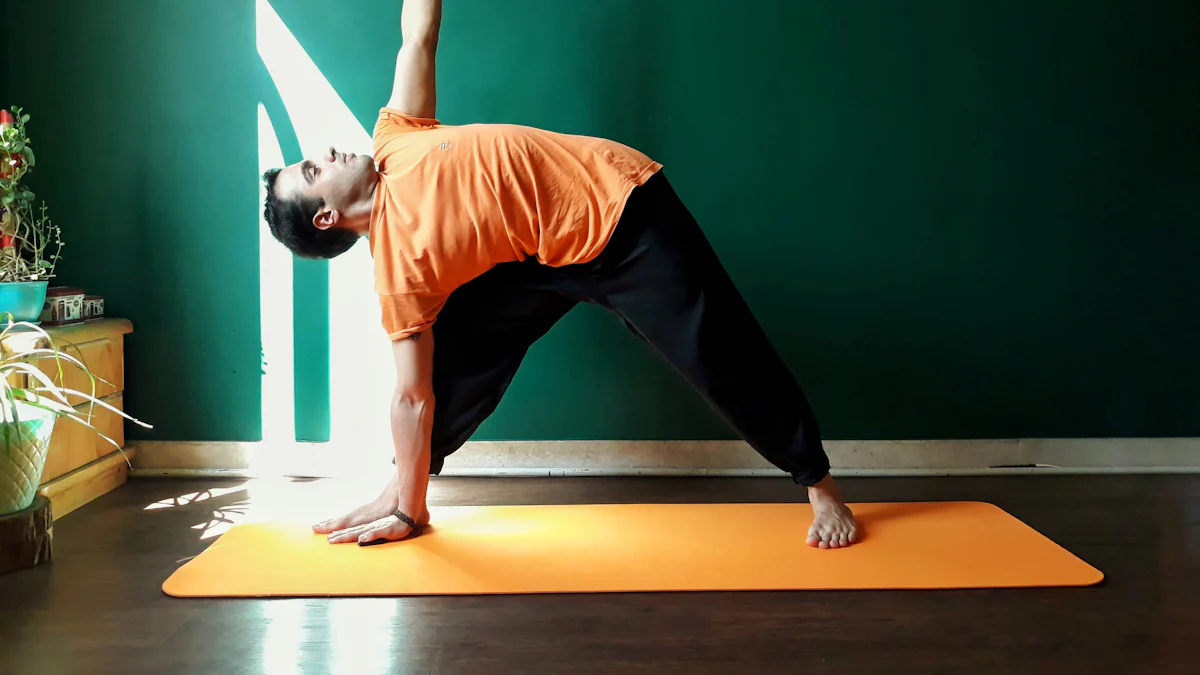
Starting your yoga journey with the most effective yoga poses can make all the difference. You’ll find that yoga is accessible, welcoming everyone, regardless of experience. Certain poses not only enhance your flexibility and strength but also promote relaxation. Imagine feeling more balanced and centered as you practice. Embrace this opportunity to improve your overall well-being and discover the joy that yoga brings to your life.
Key Takeaways
Start your yoga journey with foundational poses like Mountain Pose and Downward Facing Dog to enhance flexibility and strength.
Practice mindfulness and deep breathing to deepen your connection with each pose and enhance relaxation.
Avoid overexertion by listening to your body; yoga is about personal growth, not competition.
Focus on proper alignment in each pose to prevent injuries and maximize benefits.
Prepare for your practice by creating a comfortable space and setting a clear intention to stay motivated.
Incorporate regular practice into your routine, aiming for at least two to three sessions per week for optimal results.
Celebrate your progress, no matter how small, and enjoy the journey of self-discovery through yoga.
Most Effective Yoga Poses for Beginners
Mountain Pose (Tadasana)
Mountain Pose, or Tadasana, serves as a great starting point for your yoga practice. Stand tall with your feet together and arms at your sides. Feel the ground beneath your feet. This pose helps improve your alignment and balance. It strengthens your legs and core while promoting good posture. Mentally, it encourages focus and inner peace. You might find that practicing this pose regularly enhances your overall stability.
Downward Facing Dog (Adho Mukha Svanasana)
Next up is Downward Facing Dog, known as Adho Mukha Svanasana. Start on your hands and knees, then lift your hips up and back. Your body should form an inverted V shape. This pose stretches your entire body, especially your spine, hamstrings, and calves. It also builds strength in your arms and shoulders. As you hold this pose, take deep breaths. You’ll feel the tension melt away, leaving you refreshed and energized.
Child’s Pose (Balasana)
Finally, let’s explore Child’s Pose, or Balasana. Kneel on the floor, sit back on your heels, and stretch your arms forward on the mat. This restorative pose gently stretches your hips, thighs, and back. It’s perfect for reducing stress and fatigue. Use this pose to relax during or after your practice. You’ll find it brings a sense of calm and tranquility, allowing you to reconnect with your breath.
Warrior I (Virabhadrasana I)
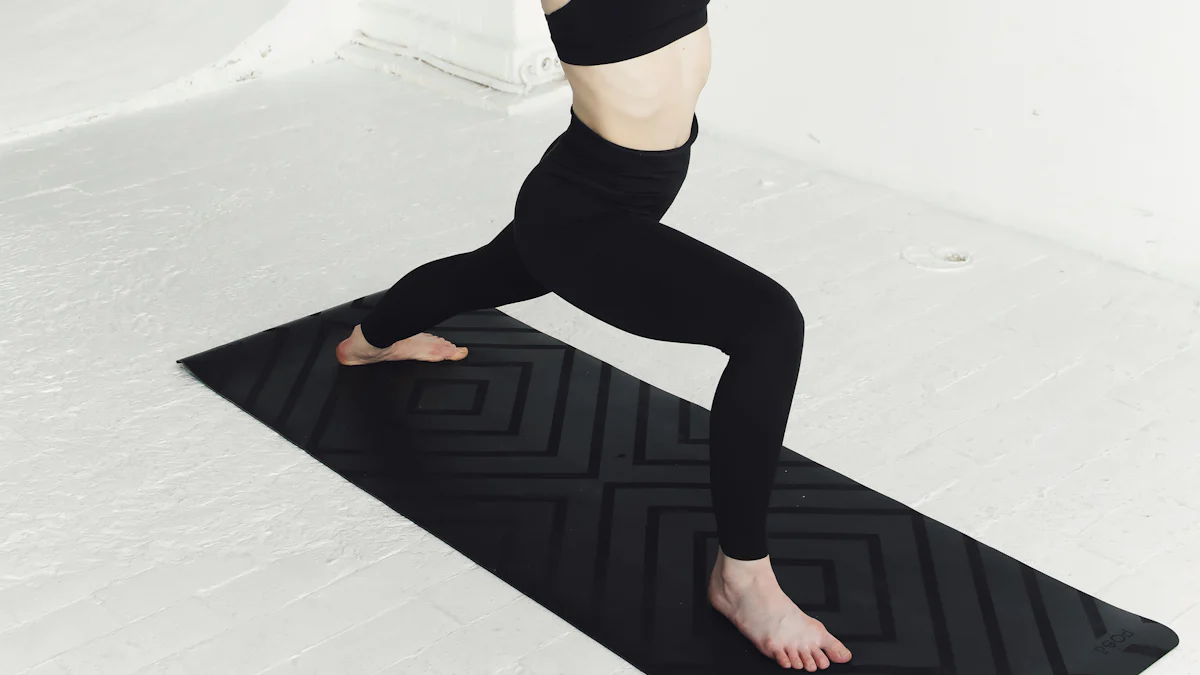
Warrior I, or Virabhadrasana I, is a powerful pose that builds strength and stability. To begin, stand tall and step one foot back while bending your front knee. Keep your back leg straight and your hips facing forward. Raise your arms overhead, palms together. This pose strengthens your legs, opens your hips, and stretches your chest. As you hold this pose, focus on your breath. Feel the energy flow through your body. Warrior I not only enhances your physical strength but also boosts your confidence and determination.
Cat-Cow Stretch (Marjaryasana-Bitilasana)
The Cat-Cow Stretch, known as Marjaryasana-Bitilasana, is a fantastic way to warm up your spine. Start on your hands and knees in a tabletop position. Inhale deeply, arch your back, and lift your head and tailbone toward the sky for Cow Pose. Then, exhale and round your back, tucking your chin to your chest for Cat Pose. Repeat this flow several times. This stretch increases flexibility in your spine and relieves tension in your back. It also encourages mindfulness as you connect your breath with movement.
Tips for Beginners
Preparing for Your Practice
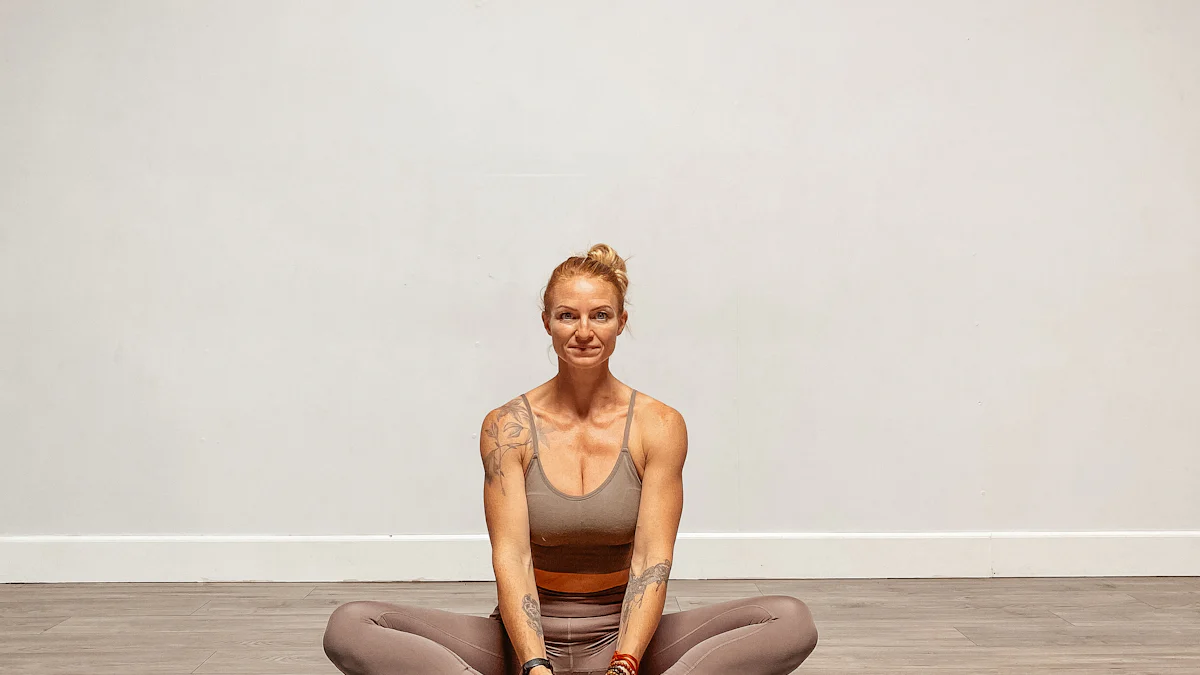
Before you step onto your mat, take a moment to prepare. Find a quiet space where you feel comfortable. Gather any props you might need, like a yoga mat, blocks, or straps. These tools can help you achieve the most effective yoga poses with ease.
Consider wearing comfortable clothing that allows for movement. Loose-fitting clothes can help you focus on your practice without distractions. Hydrate well before you start. Drinking water keeps your body energized and ready for the session ahead.
Set an intention for your practice. This could be anything from finding peace to building strength. Having a clear goal helps you stay focused and motivated. Remember, yoga is a personal journey. Embrace what feels right for you.
Mindfulness and Breathing
Mindfulness plays a crucial role in yoga. As you move through each pose, pay attention to your body and breath. Notice how your muscles feel and how your breath flows. This awareness enhances your practice and deepens your connection to yourself.
Breathing deeply can transform your experience. Inhale through your nose, filling your lungs completely. Exhale slowly through your mouth, releasing any tension. This rhythmic breathing calms your mind and helps you stay present.
Try to synchronize your breath with your movements. For example, inhale as you lift your arms in Warrior I, and exhale as you lower them. This practice not only improves your focus but also enhances the benefits of each pose.
Incorporating mindfulness and breath awareness into your routine will elevate your yoga practice. You’ll find that it brings a sense of peace and clarity, making each session more rewarding.
Common Mistakes to Avoid
Overexertion
When you start your yoga journey, it’s easy to push yourself too hard. You might feel tempted to keep up with more experienced practitioners or try advanced poses right away. However, overexertion can lead to injuries and frustration.
Instead, listen to your body. If a pose feels uncomfortable or painful, ease back. Yoga is not about competition; it’s about personal growth. Focus on your own progress. Remember, every small step counts.
Take breaks when needed. Resting allows your body to recover and helps you stay connected to your breath. You’ll find that practicing at your own pace leads to a more enjoyable experience.
Neglecting Alignment
Proper alignment is crucial in yoga. Neglecting it can lead to strain and injuries. Each pose has specific alignment cues that help you maintain safety and effectiveness.
Pay attention to your body’s positioning. For example, in Warrior I, ensure your front knee stays directly above your ankle. This alignment protects your joints and enhances the benefits of the pose.
If you’re unsure about your alignment, don’t hesitate to ask for help. Many instructors are happy to provide guidance. You can also use mirrors or take videos of yourself to check your form.
“Practicing yoga with proper alignment helps you build strength and flexibility safely,” says a seasoned yoga instructor. Prioritize alignment to enjoy a fulfilling practice.
By avoiding overexertion and focusing on alignment, you’ll create a safer and more rewarding yoga experience. Embrace these tips as you continue your journey.
Starting your yoga journey with the most effective yoga poses sets a strong foundation. Regular practice leads to better results and deeper benefits. Remember, yoga is a personal journey. Enjoy each moment on your mat. Celebrate your progress, no matter how small. Embrace the process, and let it guide you toward greater strength and flexibility. You’ll find that every session brings you closer to your goals.
FAQ
What are the benefits of practicing yoga?
Practicing yoga offers numerous benefits. You can improve your flexibility, balance, and strength. Many people also find that yoga helps reduce stress and anxiety. In fact, studies show that regular yoga practice significantly enhances overall well-being. You might even notice a boost in your mental health, as yoga can help alleviate symptoms of depression.
How often should beginners practice yoga?
As a beginner, aim for at least two to three sessions per week. This frequency allows your body to adapt and grow stronger. You can gradually increase your practice as you become more comfortable. Consistency is key, so find a routine that fits your lifestyle.
Do I need any special equipment to start yoga?
You don’t need much to begin your yoga journey. A yoga mat is essential for comfort and stability. You might also consider using props like blocks or straps to assist with certain poses. Comfortable clothing that allows for movement is also important. Keep it simple and focus on your practice.
Can yoga help with stress relief?
Absolutely! Many people turn to yoga specifically for stress relief. The combination of movement, mindfulness, and deep breathing promotes relaxation. Research indicates that yoga can significantly reduce stress levels. You may find that incorporating yoga into your routine helps you manage daily challenges more effectively.
Is yoga safe for everyone?
Yoga is generally safe for most people. However, if you have specific health concerns or injuries, consult with a healthcare professional before starting. Many yoga classes cater to different skill levels and physical abilities. You can always modify poses to suit your needs.
How long does it take to see results from yoga?
Results vary from person to person. Some individuals notice improvements in flexibility and strength within a few weeks. Others may take longer to experience significant changes. Regular practice is crucial. The more you practice, the more benefits you’ll likely see.
What should I do if I feel pain during a pose?
If you feel pain, stop immediately. Yoga should never cause discomfort or pain. Listen to your body and modify the pose as needed. You can also ask an instructor for guidance. Remember, yoga is about personal growth, not pushing through pain.
Can I practice yoga at home?
Yes, practicing yoga at home is a great option! You can follow online classes or use yoga apps to guide you. Create a comfortable space where you can focus. Just remember to stay consistent and maintain proper form.
What if I can’t do a pose correctly?
Don’t worry! Everyone starts somewhere. Focus on your breath and listen to your body. You can modify poses or use props to help you. With time and practice, you’ll improve. Yoga is a personal journey, so embrace your progress.
How can I stay motivated to practice yoga regularly?
Staying motivated can be challenging. Set realistic goals for yourself and track your progress. Join a class or find a yoga buddy to keep you accountable. Most importantly, remember to enjoy the process. Celebrate your achievements, no matter how small!
See Also
Essential Standing Yoga Poses for New Practitioners
Best Yoga Poses to Enjoy with a Partner
A Beginner's Approach to Yoga Asanas in Hindi

Hi my name is Lia and i am your host in this yoga journey in Portugal, Subscribe to our newsletter to receive every week the best of Yoga in Portugal.

We bring back the importance of initiation into womanhood by Roos-Veerle Krijnen & Ella-June Henrard
Welcome to the Women’s Initiation Retreat by Naked Truth Retreats, a transformative journey into the depths of your True Feminine Nature. This retreat invites you to remember the sacredness and wholeness of your being.
Roos-Veerle Krijnen & Ella-June Henrard