Tips to Maximize Your Outdoor Yoga Experience

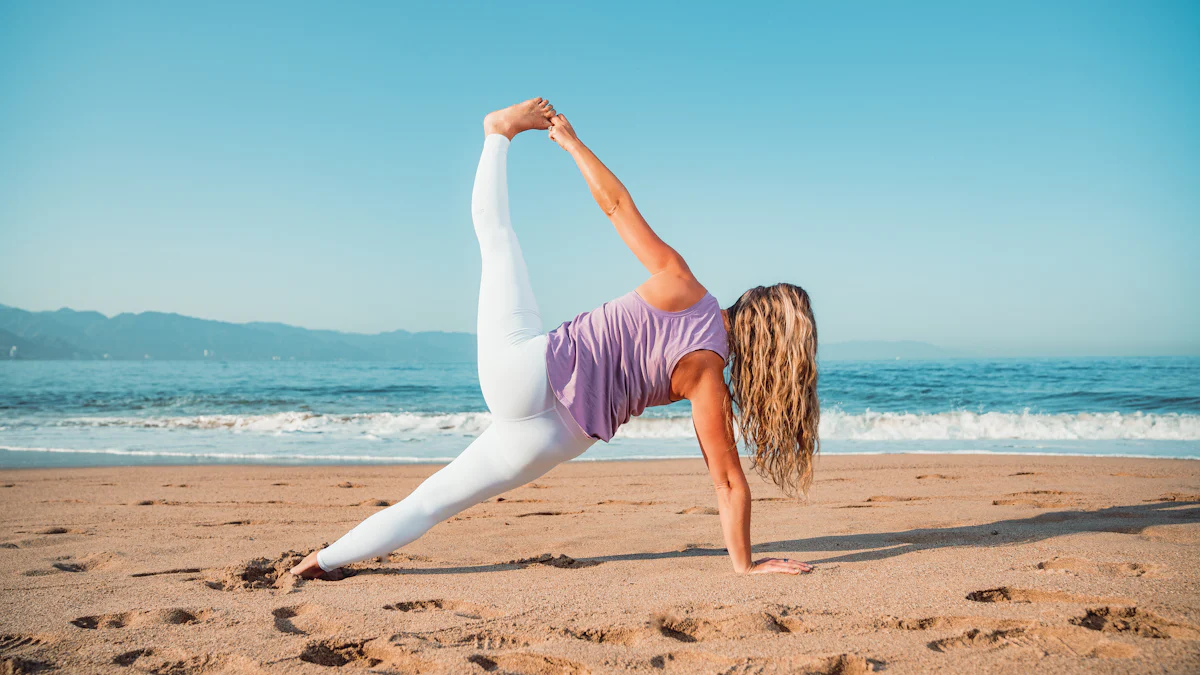
Imagine the gentle rustle of leaves, the warmth of sunlight on your skin, and the fresh scent of grass as you flow through your yoga poses. Practicing yoga outdoors offers more than just a change of scenery. It connects you with nature, helping you feel grounded and at peace. The fresh air enhances your breathing, while sunlight boosts your vitamin D levels, improving your mood and energy. Outdoor yoga also reduces stress and sharpens your focus, creating a perfect balance of mental clarity and physical well-being. Step outside and let nature elevate your practice.
Key Takeaways
Choose a quiet, distraction-free location for your outdoor yoga to enhance focus and connection with nature.
Check the weather forecast before your session to ensure a comfortable and safe practice environment.
Inspect your surroundings for potential hazards like sharp objects or uneven ground to prevent injuries.
Use a yoga mat for stability on hard surfaces, or practice directly on grass or sand for a deeper connection with nature.
Protect yourself from the elements with sunscreen, breathable clothing, and a wide-brimmed hat to ensure comfort during your practice.
Incorporate mindfulness techniques, such as deep breathing and meditation, to deepen your connection with nature and enhance relaxation.
Experiment with alternative outdoor yoga techniques like walking meditation or yoga hikes to add variety and excitement to your practice.
Preparing for Your Outdoor Yoga Session
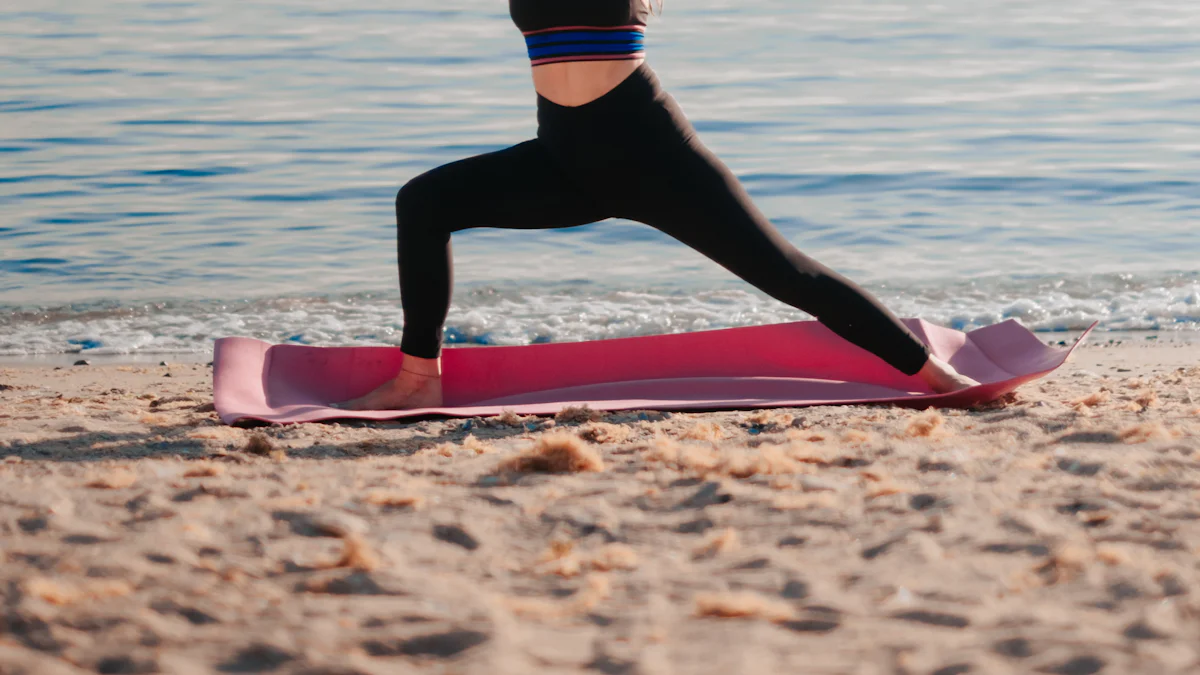
Stepping outside for yoga can feel refreshing, but preparation is key to making the most of your session. Let’s explore how you can set yourself up for a peaceful and fulfilling outdoor yoga experience.
Choosing the Right Location
The location you choose can make or break your session. Look for spots that are quiet and free from distractions. Parks with open grassy areas, serene beaches, or even your own backyard can be ideal. These spaces provide a sense of calm and safety, allowing you to focus on your practice.
Avoid crowded areas or places with heavy foot traffic. Noise and interruptions can pull your attention away from the moment. Instead, aim for locations where you can hear the rustling of leaves or the gentle sound of waves. These natural elements enhance your connection with the environment and deepen your practice.
Checking Weather Conditions
Weather plays a huge role in outdoor yoga. Always check the forecast before heading out. Mild weather works best, as extreme heat, cold, or rain can make your session uncomfortable or even unsafe. A sunny day with a light breeze creates the perfect setting.
Time of day matters too. Early mornings or late afternoons often provide the most comfortable temperatures and soft lighting. Practicing during these times also lets you avoid the harsh midday sun. If you’re an early riser, the morning air can feel invigorating, while sunsets add a magical touch to your practice.
Being Aware of Potential Hazards
Before unrolling your mat, take a moment to inspect the area. Look for sharp objects like rocks or broken glass that could harm you. Uneven ground can also affect your balance, so choose a flat surface for stability.
Nature is beautiful, but it comes with its challenges. Be mindful of allergens like pollen or grass that might irritate you. Keep an eye out for wildlife or insects, especially in wooded areas. A little awareness goes a long way in ensuring a safe and enjoyable session.
“Yoga is the journey of the self, through the self, to the self.” Practicing outdoors adds another layer to this journey by connecting you with the natural world. By choosing the right location, checking the weather, and staying aware of your surroundings, you create the foundation for a truly enriching experience.
Essential Equipment and Safety Tips
When practicing outdoor yoga, having the right equipment and taking safety precautions can make your session more enjoyable and stress-free. Let’s dive into some essential tips to ensure you’re fully prepared.
Deciding Whether to Use a Yoga Mat
A yoga mat can provide stability and comfort, especially on uneven or hard surfaces. It helps you maintain balance during poses and protects your joints from rough terrain. If you’re practicing on rocky ground or a wooden deck, a mat becomes almost indispensable.
However, practicing directly on grass or sand offers a unique grounding experience. Feeling the earth beneath your feet can deepen your connection with nature and enhance mindfulness. If you choose this option, ensure the surface is clean and free of debris. For those who like to keep their options open, lightweight yoga mats are easy to carry and perfect for outdoor sessions.
Protecting Yourself from the Elements
Outdoor yoga exposes you to the sun, wind, and changing temperatures. Protecting yourself from these elements ensures a comfortable practice. Sunscreen is a must to shield your skin from harmful UV rays. A wide-brimmed hat can provide additional protection while keeping you cool.
Dressing in layers is another smart move. Early mornings might feel chilly, but as the sun rises, you’ll want to shed a layer or two. Opt for breathable fabrics that wick away sweat and keep you comfortable throughout your session. A weather-resistant yoga pack can also come in handy for storing extra clothing and gear.
Dealing with Pests and Insects
Nature’s beauty often comes with a few unwelcome guests—pests and insects. To keep bugs at bay, use natural insect repellents. Essential oils like citronella or eucalyptus work well without exposing you to harsh chemicals.
Avoid practicing near stagnant water, as it attracts mosquitoes and other pests. If you’re in a wooded area, check your surroundings for ant hills or wasp nests. Staying mindful of your environment helps you focus on your practice without interruptions.
“Yoga teaches us to cure what need not be endured and endure what cannot be cured.” By equipping yourself with the right tools and taking precautions, you can embrace the joys of outdoor yoga while staying safe and comfortable.
Enhancing Your Outdoor Yoga Experience
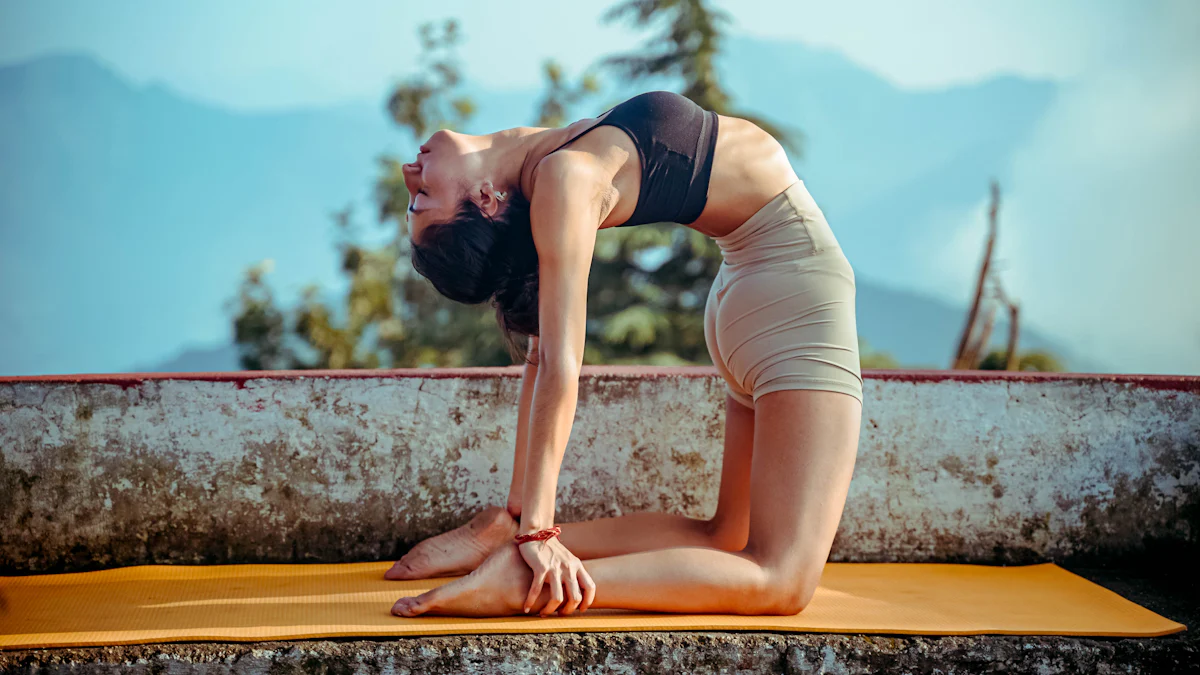
Outdoor yoga offers more than just physical benefits. It’s a chance to immerse yourself in nature, calm your mind, and elevate your practice. By connecting with your surroundings and exploring new techniques, you can transform your yoga sessions into truly memorable experiences.
Connecting with Nature
Nature has a unique way of grounding us. When you practice yoga outdoors, take a moment to tune into your environment. Listen to the rustling leaves, chirping birds, or the gentle crash of waves. Let these sounds guide your breath and movements. Look around and notice the vibrant colors of the sky, trees, or flowers. Inhale deeply and take in the fresh, earthy scents that surround you. These sensory experiences can deepen your connection to the present moment.
Try grounding techniques to feel even more connected. Stand barefoot on the grass or sand and let the earth support you. This simple act can help you feel balanced and centered. Many practitioners find that this direct contact with nature enhances their focus and mindfulness. As one yoga enthusiast shared, “Yoga has a way of connecting you with yourself, which makes you experience nature in a whole new way.”
Incorporating Mindfulness Practices
Mindfulness is at the heart of yoga, and practicing outdoors amplifies its effects. Use deep breathing exercises to sync with the rhythm of nature. For example, match your inhales and exhales to the sound of ocean waves or the rustle of trees in the wind. This practice not only calms your mind but also helps you feel more in tune with your surroundings.
Meditation can also enhance your outdoor yoga experience. Sit quietly and focus on the beauty around you. Observe how the sunlight filters through the leaves or how the clouds drift across the sky. Let these observations bring a sense of peace and gratitude. Outdoor yoga, combined with mindfulness, creates a powerful remedy for stress. Studies show that being in nature reduces cortisol levels and promotes relaxation, making it easier to find inner calm.
“Combining yoga with the soothing effect of being outdoors is a natural remedy for stress and other emotional distress,” as one expert noted. This fusion of mindfulness and nature can leave you feeling refreshed and rejuvenated.
Trying Alternative Outdoor Yoga Techniques
Outdoor yoga doesn’t have to stick to traditional poses. Experimenting with alternative techniques can add variety and excitement to your practice. Walking meditation is a great option. Find a quiet trail or path and move slowly, focusing on each step and breath. This practice combines the benefits of yoga and nature walks, offering a unique way to clear your mind.
Yoga hikes are another fun option. Choose a scenic route and pause along the way to perform poses that complement the landscape. Warrior poses on a mountain trail or tree pose in a forest can make your practice feel more connected to the environment. If you enjoy socializing, try partner yoga or join a group session. Practicing with others outdoors fosters a sense of community and shared energy.
Outdoor yoga is about more than just exercise. It’s an opportunity to explore, connect, and grow. Whether you’re focusing on nature, mindfulness, or new techniques, each session can bring something special to your practice.
Outdoor yoga offers a unique way to elevate your practice by blending the benefits of yoga with the calming energy of nature. By preparing thoughtfully, staying safe, and embracing mindfulness, you can create a truly enriching experience. Choose a serene location, protect yourself from the elements, and connect deeply with your surroundings. These small steps can transform your session into a moment of peace and clarity.
Take that first step today. Explore a local park, beach, or backyard, and let outdoor yoga help you feel grounded, balanced, and rejuvenated. Nature is waiting to inspire your next pose.
See Also
Key Advice for Practicing Yoga in Nature
Boost Your Yoga Skills Using Kayang Methods
Beginner's Guide to SUP Yoga Made Simple

Hi my name is Lia and i am your host in this yoga journey in Portugal, Subscribe to our newsletter to receive every week the best of Yoga in Portugal.

We bring back the importance of initiation into womanhood by Roos-Veerle Krijnen & Ella-June Henrard
Welcome to the Women’s Initiation Retreat by Naked Truth Retreats, a transformative journey into the depths of your True Feminine Nature. This retreat invites you to remember the sacredness and wholeness of your being.
Roos-Veerle Krijnen & Ella-June Henrard