Mastering the Yoga Triangle Pose: Step-by-Step Guide

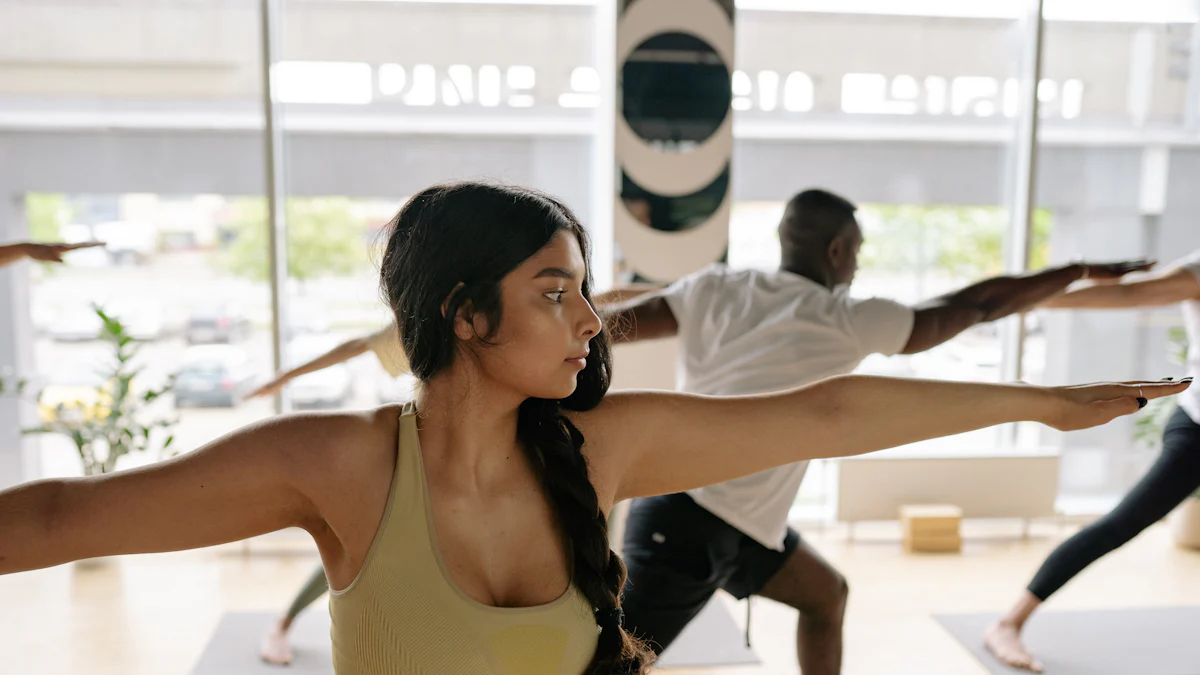
Mastering the yoga triangle pose is crucial for enhancing your practice and preventing injuries. This pose, when executed correctly, offers numerous benefits, including improved flexibility and balance. However, incorrect technique can lead to strains or sprains. A study in the Orthopaedic Journal of Sports Medicine highlights a rise in yoga-related injuries, especially among those over 65. To avoid such risks, focus on proper alignment and listen to your body. If you experience persistent aches, consult a professional to prevent serious issues. Prioritizing technique ensures you reap the full benefits of the yoga triangle pose.
Understanding the Yoga Triangle Pose
What is the Yoga Triangle Pose?
The yoga triangle pose, also known as Trikonasana, is a fundamental standing posture in yoga practice. You begin this pose by standing with your feet wide apart. Turn one foot out at a 90-degree angle while keeping the other foot slightly inward. Extend your arms parallel to the floor, reaching them out to the sides. As you bend at the hip, lower one hand towards your shin, ankle, or a yoga block. The other arm reaches upwards, creating a straight line from one hand to the other. Your chest should remain open, facing the side, and your gaze can be directed upwards or forward, depending on your comfort level. This pose emphasizes alignment and balance, making it essential for building a strong foundation in yoga.
Benefits of the Yoga Triangle Pose
The yoga triangle pose offers numerous benefits that enhance both physical and mental well-being. Here are some key advantages:
Improves Flexibility: Regular practice of the yoga triangle pose stretches the hamstrings, hips, and groin. This increased flexibility can aid in performing other yoga poses with greater ease.
Enhances Balance and Stability: By engaging your core and leg muscles, the yoga triangle pose helps improve your overall balance and stability. This can be particularly beneficial in preventing falls and maintaining posture.
Strengthens Muscles: The pose targets various muscle groups, including the thighs, knees, and ankles. Strengthening these areas contributes to better support and endurance in your yoga practice.
Promotes Mental Clarity: Holding the yoga triangle pose requires focus and concentration. This mental engagement can help clear your mind, reduce stress, and promote a sense of calmness.
Encourages Proper Alignment: Practicing the yoga triangle pose with attention to alignment helps prevent injuries. It teaches you to listen to your body and make necessary adjustments for safe practice.
Incorporating the yoga triangle pose into your routine can significantly enhance your yoga journey. By understanding its execution and benefits, you can maximize the positive impact on your body and mind.
Step-by-Step Guide to Performing the Yoga Triangle Pose
Preparation
Before you dive into the Yoga Triangle Pose, it's essential to prepare your body and mind. Follow these steps to ensure a smooth transition into the pose:
Warm-Up: Begin with a gentle warm-up to loosen your muscles. Simple stretches or a few rounds of Sun Salutations can help increase blood flow and flexibility.
Choose Your Space: Find a quiet, spacious area where you can practice without distractions. Ensure your yoga mat is laid out on a flat surface to maintain balance.
Gather Props: If you're new to this pose or need extra support, have a yoga block nearby. It can assist in maintaining proper alignment and prevent strain.
Focus on Breath: Take a few deep breaths to center yourself. Inhale deeply through your nose and exhale slowly. This practice calms your mind and prepares you for the pose.
Set Your Intention: Decide what you want to achieve with this practice. Whether it's improving flexibility or finding mental clarity, setting an intention can enhance your focus.
Executing the Pose
Once you're prepared, follow these steps to perform the Yoga Triangle Pose correctly:
Position Your Feet: Stand with your feet more than shoulder-width apart. Turn your left foot out at a 90-degree angle while keeping your right foot slightly inward.
Engage Your Muscles: Activate your right thigh muscles. Draw your right femur into its socket to stabilize your stance.
Extend Your Arms: Stretch your arms out to the sides, parallel to the floor. Create a straight line from your left hand to your right hand.
Lean Forward: Shift your torso forward over your left leg. Lower your right hand down onto your shin, ankle, or a yoga block. Keep your chest open and facing the long edge of your mat.
Align Your Spine: Avoid bending your back. Maintain a straight spine and ensure your torso aligns over your legs.
Adjust Your Head: Keep your head in a neutral position or rotate it to look up at your left hand. Choose the position that feels most comfortable for you.
Breathe Deeply: Inhale and exhale deeply as you hold the pose. Feel the stretch in your hamstrings and the opening in your hips and chest.
Release Gently: To exit the pose, inhale and lift your torso back to a standing position. Repeat the steps on the opposite side.
By following these steps, you can perform the Yoga Triangle Pose with confidence and precision. Remember to listen to your body and make adjustments as needed to ensure a safe and effective practice.
Common Mistakes and How to Avoid Them
Misalignment Issues
Misalignment often occurs when you first learn the Yoga Triangle Pose. Incorrect alignment of your feet and knees can compromise the entire pose. This misstep leaves you open to discomfort and possible injury. To avoid this, focus on creating a solid foundation. Ensure your front foot points directly forward while your back foot turns slightly inward. Your knees should align with your toes to maintain stability.
Another common mistake involves the position of your torso. Many practitioners tend to lean too far forward or backward. This disrupts the balance and alignment of the pose. Keep your spine straight and your torso aligned over your legs. Visualize a straight line from the crown of your head to your tailbone. This mental image helps maintain proper alignment.
Balance and Stability Challenges
Maintaining balance in the Yoga Triangle Pose can be challenging. You might find yourself wobbling or struggling to hold the pose. This often happens when your core muscles are not engaged. To improve stability, activate your core by drawing your navel towards your spine. This engagement provides a strong center of gravity.
Your stance also plays a crucial role in balance. If your feet are too close together, you may feel unstable. Widen your stance to more than shoulder-width apart. This broader base offers better support and enhances your balance.
Using props like a yoga block can also aid in maintaining stability. Place the block under your lower hand if you cannot reach your shin or ankle comfortably. This support helps you focus on alignment and balance without straining your body.
By addressing these common mistakes, you can perform the Yoga Triangle Pose with greater confidence and precision. Remember, practice makes perfect. Regularly revisit these tips to refine your technique and enjoy the full benefits of this foundational yoga pose.
Modifications and Variations
Beginner Modifications
If you're new to the Yoga Triangle Pose, you might find it challenging to achieve the full expression of the pose. Here are some beginner-friendly modifications to help you ease into it:
Use a Yoga Block: Place a yoga block under your lower hand. This prop provides support and helps maintain proper alignment. Adjust the block's height to match your flexibility level.
Shorten Your Stance: Reduce the distance between your feet. A narrower stance can make it easier to balance and stabilize your body.
Rest on Your Shin: Instead of reaching for the floor, rest your lower hand on your shin. This modification reduces strain and allows you to focus on keeping your torso aligned with your thigh.
Avoid Knee Pressure: Ensure your lower hand does not rest directly on your knee. This position can create unnecessary pressure on the knee joint.
These modifications allow you to practice the Yoga Triangle Pose safely and effectively. As your flexibility and strength improve, you can gradually work towards the full pose.
Advanced Variations
For those who have mastered the basic Yoga Triangle Pose, exploring advanced variations can deepen your practice. Consider trying these options:
Bind Variation: Wrap your lower arm behind your back and reach for your opposite thigh. This variation increases the stretch in your shoulders and chest.
Revolved Triangle Pose: Rotate your torso towards your front leg and place your opposite hand on the floor or a block. This variation challenges your balance and enhances spinal flexibility.
Extended Arm Variation: Reach your upper arm over your head, creating a long line from your fingertips to your back foot. This extension intensifies the stretch along your side body.
Lifted Leg Variation: Lift your back leg off the ground while maintaining the triangle shape with your upper body. This variation requires strong core engagement and balance.
Advanced variations offer an opportunity to challenge yourself and explore new dimensions of the Yoga Triangle Pose. Always listen to your body and practice with mindfulness to prevent injury.
Safety Precautions and Tips
Listening to Your Body
Practicing yoga requires you to listen to your body. This awareness helps prevent injuries and enhances your practice. When you engage in the Yoga Triangle Pose, pay attention to how your body feels. If you experience discomfort or pain, adjust your position. Your body communicates its limits, and respecting these signals is crucial for safe practice.
"Yoga can help us learn skills such as equanimity, acceptance, and embracing imperfection, which are crucial for injury prevention."
This quote highlights the importance of being mindful during your practice. Yoga teaches you to accept your body's current state and work within its boundaries. By doing so, you cultivate a practice that is both safe and effective.
Proper alignment is another key aspect of listening to your body. The Triangle Pose emphasizes alignment to maintain balance and prevent strain. Ensure your feet are positioned correctly, and your spine remains straight. This alignment supports your body's natural structure and reduces the risk of injury.
Integrating the Triangle Pose into Your Practice
Incorporating the Yoga Triangle Pose into your routine offers numerous benefits. Regular practice improves balance, focus, and flexibility. It strengthens various muscle groups and opens your hips and shoulders. These physical benefits contribute to overall well-being and enhance your yoga journey.
To integrate the Triangle Pose effectively, start by including it in your warm-up sequence. This approach prepares your body for more challenging poses and helps establish a strong foundation. As you become more comfortable, explore different variations to deepen your practice.
Consider setting specific goals for your Triangle Pose practice. Whether you aim to improve flexibility or increase mental clarity, having a clear intention enhances your focus. This focus allows you to track your progress and celebrate your achievements.
Remember, yoga is a personal journey. Your practice should reflect your unique needs and goals. By listening to your body and integrating the Triangle Pose mindfully, you create a practice that supports your physical and mental health.
Mastering the Yoga Triangle Pose enriches your yoga practice by enhancing strength, flexibility, and balance. Regular and mindful practice allows you to experience these benefits fully. As Tom Myers emphasizes, understanding the interconnected nature of anatomy in yoga postures deepens your practice. By integrating this pose into your routine, you contribute to your overall well-being.
"Yoga enhances strength, flexibility, cardiovascular fitness, and stress reduction," says Reif.
We invite you to share your experiences and questions. Your insights can inspire others on their yoga journey.
See Also
A Comprehensive Guide to Perfecting Eagle Pose
Step-by-Step Instructions for Mastering Fish Pose
Achieving the Perfect Bridge Pose in Yoga

Hi my name is Lia and i am your host in this yoga journey in Portugal, Subscribe to our newsletter to receive every week the best of Yoga in Portugal.

We bring back the importance of initiation into womanhood by Roos-Veerle Krijnen & Ella-June Henrard
Welcome to the Women’s Initiation Retreat by Naked Truth Retreats, a transformative journey into the depths of your True Feminine Nature. This retreat invites you to remember the sacredness and wholeness of your being.
Roos-Veerle Krijnen & Ella-June Henrard