Mastering the Yoga Tree Pose: Step-by-Step Guide


Mastering the yoga tree pose can significantly enhance your balance and focus. This pose isn't just about standing on one leg; it's about finding your center and grounding yourself like a tree. When you practice regularly, you improve your overall stability and concentration. Yoga, especially the tree pose, offers small improvements in balance and medium enhancements in physical mobility, particularly for older adults. Imagine yourself standing tall, with your foot rooted firmly, as you embrace the calm and strength that this pose brings to your life.
Benefits of the Yoga Tree Pose
The yoga tree pose offers a wealth of benefits that can enhance both your physical and mental well-being. By incorporating this pose into your routine, you can experience improvements in balance, strength, and focus.
Physical Benefits
When you practice the yoga tree pose, you engage multiple muscle groups. This pose strengthens your legs, ankles, and feet, providing a solid foundation for your body. As you hold the pose, your core muscles activate, helping to improve your overall stability. The yoga tree pose also lengthens your spine and opens your hips, which can counteract the effects of prolonged sitting.
Scientific Research Findings: According to the Yoga Journal, the tree pose enhances posture and alignment. It strengthens not only your legs and glutes but also your core and back. This makes it an excellent exercise for those looking to improve their physical health.
Mental Benefits
Beyond the physical advantages, the yoga tree pose offers significant mental benefits. As you focus on maintaining balance, you naturally enhance your concentration and mental clarity. This pose encourages you to find a sense of calm and steadiness, which can translate into improved mental well-being.
Scientific Research Findings: The One Peloton Blog highlights that the tree pose challenges your focus and concentration. It symbolizes strength and stability, connecting you to nature and promoting a sense of inner peace.
Practicing the yoga tree pose regularly can help you achieve a harmonious balance between body and mind. By dedicating time to this pose, you nurture both your physical and mental health, paving the way for a more centered and focused life.
Step-by-Step Instructions for the Yoga Tree Pose

Preparing for the Pose
Before you dive into the yoga tree pose, it's essential to prepare your body and mind. Start by standing tall in Tadasana, or Mountain Pose. Keep your feet together and distribute your weight evenly. This stance helps you find your center and sets the foundation for balance. Take a few deep breaths to calm your mind and focus your attention.
Kristin, a Yoga Instructor, emphasizes the importance of feeling grounded and centered. She suggests that this preparation phase helps you engage your core and legs, which are crucial for maintaining stability.
Performing the Yoga Tree Pose
Now, let's move into the yoga tree pose. Follow these steps:
Shift Your Weight: Gradually transfer your weight onto one leg. Keep this leg straight but avoid locking your knee.
Lift the Opposite Foot: Gently lift your other foot off the ground. Place it on the inner thigh or calf of your standing leg. Avoid placing it on the knee joint to prevent injury.
Engage Your Core: Draw your shoulder blades down your back and lift your chest. This posture helps maintain proper alignment.
Focus Your Gaze: Find a fixed point in front of you to help with balance. This technique, known as Drishti, enhances concentration.
Open Your Hips: Ensure your lifted knee opens to the side. This position allows for hip flexibility without forcing the movement.
Yoga Instructors often highlight that the tree pose challenges your balance. By engaging your ankles, legs, and core, you can notice the tiny adjustments your body makes to stay steady.
Tips for Maintaining Balance
Balancing in the yoga tree pose can be tricky, but with practice, you'll improve. Here are some tips to help you maintain balance:
Visualize Roots: Imagine roots extending from your standing foot into the ground. This visualization grounds you like a tree.
Lift Your Toes: If you feel wobbly, try lifting your toes off the mat. This action engages all four corners of your standing foot for better balance.
Practice Regularly: Consistent practice strengthens your balance and stability. Remember, it's normal to have one side stronger than the other.
A Yoga Instructor notes that the tree pose may not require major twists, but it challenges you to slow down and focus. This posture highlights any imbalances and encourages you to find steadiness.
By following these steps and tips, you can master the yoga tree pose. Embrace the journey of finding your balance and enjoy the sense of calm and strength it brings to your practice.
Common Mistakes and How to Avoid Them
Even though the yoga tree pose seems simple, it's easy to make mistakes that can affect your balance and alignment. Let's explore some common errors and how you can avoid them.
Incorrect Foot Placement
One of the most frequent mistakes in the yoga tree pose is placing your foot incorrectly. You might be tempted to rest your foot on your knee, but this can lead to injury. Instead, place your foot on your inner thigh or calf. This placement provides a stable base and protects your knee joint.
"One day my yoga teacher had us step onto a block with one foot before coming into tree. I had grown so accustomed to the 'ease of tree' that my brain would shift into autopilot mode whenever I assumed that pose, hence my fall." - Anonymous Contributor
Tip: Always check your foot placement before you start. Make sure your foot is secure and not pressing against your knee.
Loss of Balance
Losing balance is another common issue when practicing the yoga tree pose. You might find yourself wobbling or even falling. This often happens when you don't engage your core or focus your gaze.
"Practicing tree pose, because it is a mental challenge, also gives us an opportunity to develop patience we can take into our lives off the mat." - Anonymous Contributor
Tip: Engage your core muscles and fix your gaze on a point in front of you. This focus helps stabilize your body and mind.
Misalignment of the Body
Misalignment can occur if you don't maintain proper posture. You might lean too far forward or backward, disrupting your balance. Keeping your spine straight and shoulders relaxed is crucial.
"Think of how strong trees are. While tree may seem like a routine pose, its simplicity can make it easier to 'zone out' than in other poses." - Anonymous Contributor
Tip: Imagine a straight line running from the top of your head to your standing foot. This visualization helps you maintain alignment and balance.
By being mindful of these common mistakes, you can improve your practice of the yoga tree pose. Remember, it's not just about standing still; it's about finding your center and staying grounded. With patience and practice, you'll master this pose and enjoy its many benefits.
Modifications and Variations
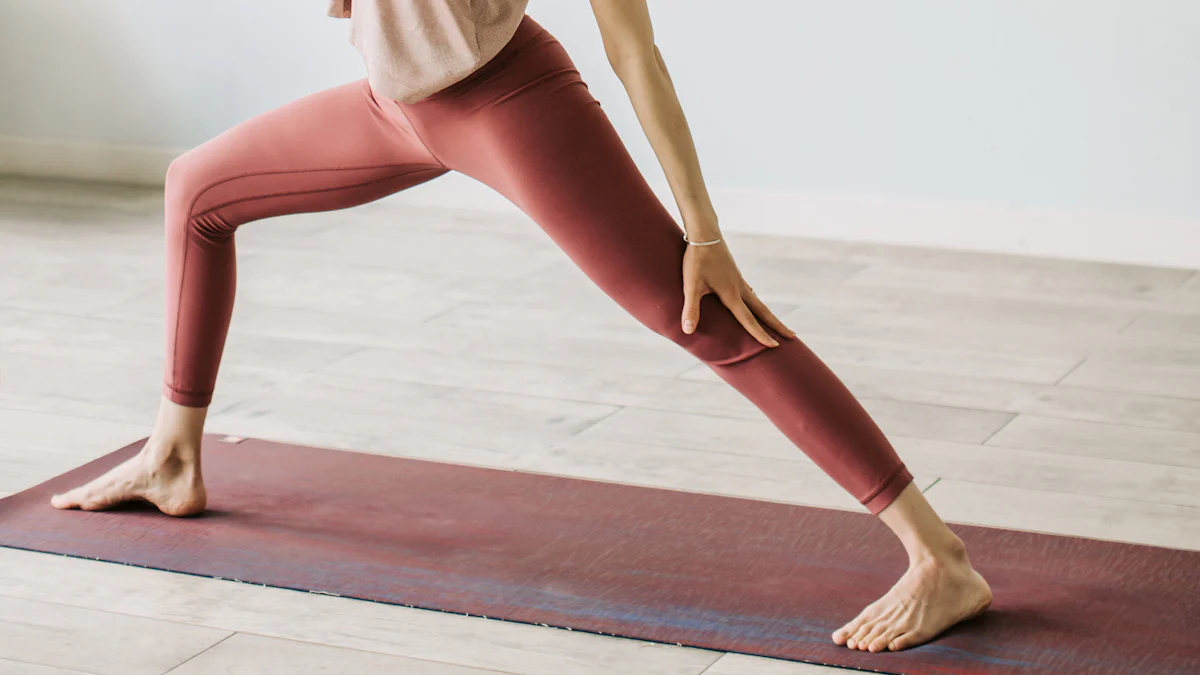
Beginner Modifications
Starting with the yoga tree pose can feel challenging, but you can make it easier with a few modifications. If you're new to this pose, try these beginner-friendly adjustments:
Use a Wall for Support: Stand near a wall and lightly touch it with your fingertips. This support helps you find balance without fear of falling.
Lower Foot Placement: Instead of placing your foot on your inner thigh, rest it on your ankle or calf. This lower position reduces the difficulty while still engaging your muscles.
Keep Your Hands on Hips: Instead of raising your arms overhead, keep your hands on your hips. This position helps you focus on balance without worrying about arm placement.
Research Team suggests that these modifications help beginners build confidence and stability. By starting with simpler versions, you gradually strengthen your muscles and improve your balance.
Advanced Variations
Once you feel comfortable with the basic tree pose, you can explore advanced variations to deepen your practice. These options challenge your balance and concentration:
Floating Leg Tree Pose: Lift your foot off your standing leg and hold it in front of you. This variation intensifies focus and requires greater core strength.
Arm Variations: Try different arm positions, like extending them out to the sides or bringing them into a prayer position. These changes test your balance and coordination.
Closed Eyes: For an extra challenge, close your eyes while holding the pose. This variation enhances your sense of balance by relying on your inner awareness.
"Modifications and variations cater to practitioners of all levels, allowing them to tailor their Tree Pose practice to suit their individual needs and goals." - Unknown
Adaptations for Physical Conditions
If you have physical conditions that affect your balance or flexibility, you can adapt the tree pose to suit your needs. Here are some adaptations:
Chair Support: Sit on a chair and place one foot on the opposite knee. This seated version provides stability while still engaging your core and leg muscles.
Use a Yoga Strap: Wrap a yoga strap around your lifted foot and hold the ends with your hands. This tool helps you maintain balance and alignment without straining.
Gentle Hip Opening: If you have limited hip flexibility, keep your lifted knee slightly bent. This adjustment allows for a comfortable stretch without forcing the joint.
Biomechanical insights highlight the importance of selecting appropriate pose modifications. These adaptations ensure that everyone, regardless of physical condition, can enjoy the benefits of the yoga tree pose.
By incorporating these modifications and variations, you can personalize your yoga tree pose practice. Whether you're a beginner or an advanced practitioner, these options help you progress at your own pace and meet your individual goals.
Safety Precautions
When practicing the yoga tree pose, safety should always be your top priority. By taking a few precautions, you can enjoy the benefits of this pose while minimizing the risk of injury.
Listening to Your Body
Your body is your best guide during yoga practice. Pay attention to how you feel in each pose. If you experience discomfort or pain, it's important to adjust your position. Remember, yoga is not about pushing yourself to the limit; it's about finding balance and harmony within your body.
Trust Your Instincts: If something doesn't feel right, don't force it. Modify the pose to suit your comfort level.
Be Mindful of Your Limits: Everyone's body is different. What works for one person might not work for another. Respect your body's unique needs and capabilities.
"Yoga is not about touching your toes, it’s about what you learn on the way down." - Jigar Gor
Practicing on a Stable Surface
A stable surface is crucial for maintaining balance in the tree pose. Practicing on an uneven or slippery surface can increase the risk of falls and injuries.
Choose the Right Spot: Find a flat, non-slip surface for your practice. A yoga mat provides a good grip and cushioning.
Use Support if Needed: If you're new to the pose or feel unsteady, use a wall or chair for support. This can help you build confidence and stability.
"Using a wall or chair can provide additional support and confidence during Tree Pose."
By listening to your body and practicing on a stable surface, you can safely enjoy the benefits of the yoga tree pose. These precautions help you focus on improving your balance and strength without unnecessary risks.
Regular practice of the yoga tree pose can transform your balance and focus. By incorporating this pose into your routine, you unlock long-term benefits for both your body and mind. Imagine standing tall, rooted like a tree, as you embrace the calm and strength this pose brings. Enjoy the journey of mastering the yoga tree pose, and watch as your stability and concentration improve over time. Remember, each practice session is a step toward a more centered and focused life. So, keep practicing and enjoy the growth you experience along the way.
See Also
A Comprehensive Guide to Perfecting Eagle Pose
Step-by-Step Instructions for Mastering Fish Pose
Your Ultimate Guide to Achieving Crow Pose

Hi my name is Lia and i am your host in this yoga journey in Portugal, Subscribe to our newsletter to receive every week the best of Yoga in Portugal.

We bring back the importance of initiation into womanhood by Roos-Veerle Krijnen & Ella-June Henrard
Welcome to the Women’s Initiation Retreat by Naked Truth Retreats, a transformative journey into the depths of your True Feminine Nature. This retreat invites you to remember the sacredness and wholeness of your being.
Roos-Veerle Krijnen & Ella-June Henrard