Mastering the Yoga Plank Pose: Step-by-Step Guide

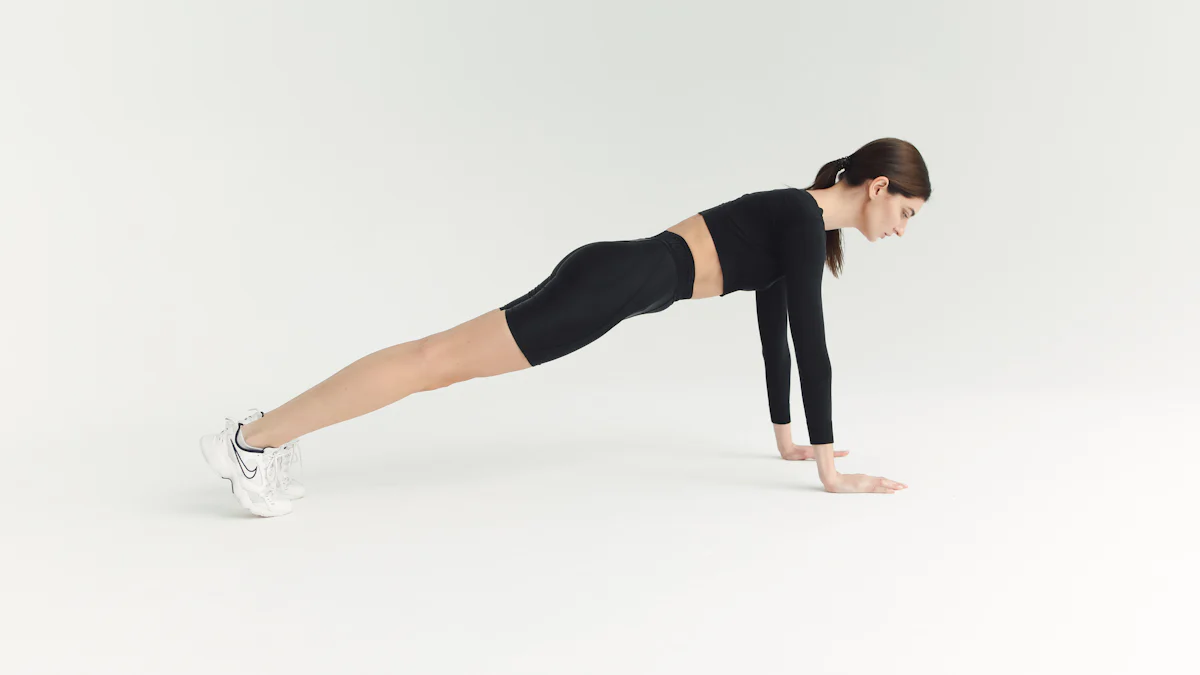
The yoga plank pose is more than just a simple exercise; it's a powerhouse for building strength and stability. When you practice this pose, you engage your core muscles, including the rectus abdominis and obliques. This engagement helps improve your posture and reduces the risk of back pain. Additionally, mastering the plank can boost your metabolism by increasing muscle mass, leading to greater calorie burn. By incorporating the plank into your routine, you not only strengthen your arms, back, and core but also enhance your overall fitness and bone health.
Understanding the Yoga Plank Pose
What is the Yoga Plank Pose?
Definition and significance
The yoga plank pose is a fundamental position in yoga that focuses on building strength and stability. You start by positioning yourself on your hands and toes, forming a straight line from head to heels. This pose is significant because it engages multiple muscle groups, including your core, arms, and shoulders. By practicing the plank, you enhance your overall body strength and improve your posture. It's a versatile pose that can be incorporated into various yoga sequences, making it a staple in many fitness routines.
Historical context in yoga practice
The plank pose has roots in ancient yoga traditions. Historically, yogis used it to build endurance and prepare the body for more advanced postures. Over time, the plank has evolved into a popular exercise in modern yoga practices. Its simplicity and effectiveness make it a favorite among practitioners of all levels. By mastering the plank, you connect with a long-standing tradition of strength and discipline in yoga.
Anatomy of the Yoga Plank Pose
Muscles engaged
When you perform the yoga plank pose, you activate several key muscle groups. Your core muscles, including the rectus abdominis and obliques, work hard to maintain stability. Your arms and shoulders also engage, providing support and balance. Additionally, your back muscles help keep your spine aligned, while your thighs and glutes contribute to maintaining the straight line of your body. This comprehensive engagement makes the plank an excellent full-body workout.
Body alignment and posture
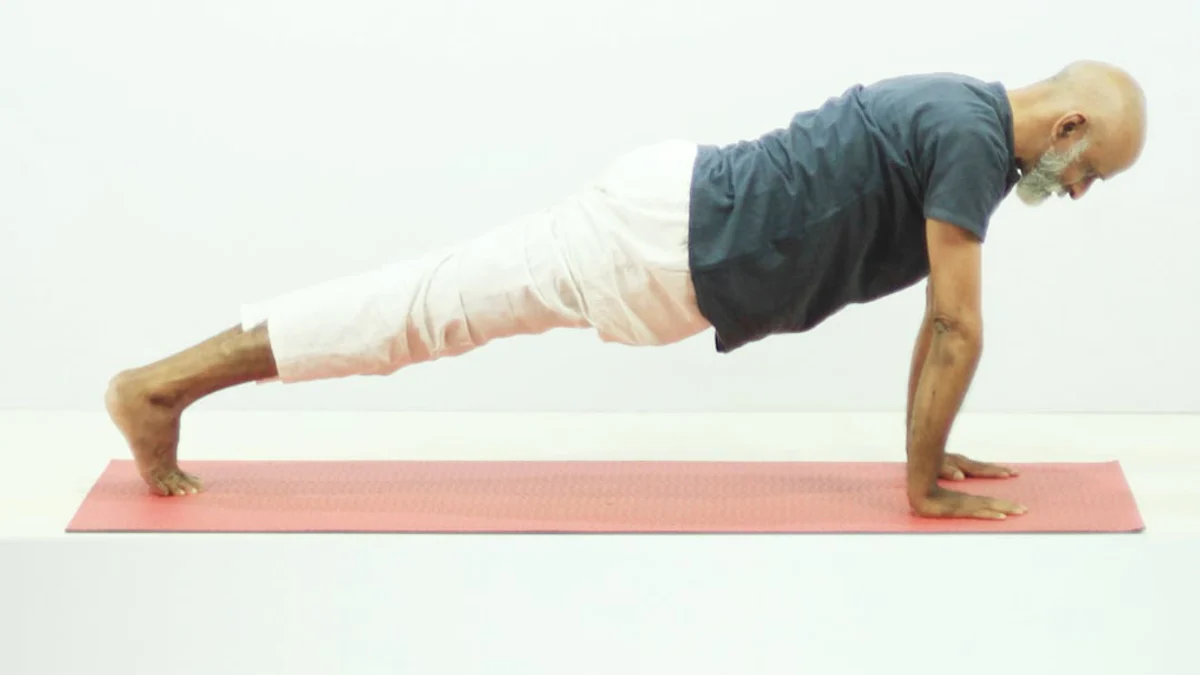
Proper alignment is crucial in the yoga plank pose. You should ensure your wrists are directly under your shoulders, creating a stable base. Your body should form a straight line from your head to your heels. Engage your core and thigh muscles to prevent sagging or arching. Keep your shoulder blades down along your spine and press the space between them up towards the ceiling. This alignment not only maximizes the benefits of the pose but also helps prevent injuries. By focusing on correct posture, you enhance your balance and coordination, contributing to improved overall fitness.
Step-by-Step Instructions for the Yoga Plank Pose
Preparing for the Pose
Before diving into the yoga plank pose, it's essential to prepare your body. A good warm-up helps prevent injuries and enhances your performance.
Warm-up exercises
Start with some light cardio, like jogging in place or jumping jacks, to get your blood flowing. Follow this with dynamic stretches focusing on your wrists, shoulders, and core. Arm circles and torso twists are excellent choices. These exercises loosen up your muscles and joints, making it easier to hold the plank position.
Setting up the mat and space
Choose a flat, non-slip surface for your practice. Lay down a yoga mat to provide cushioning and grip. Ensure you have enough space around you to move freely. A clutter-free area helps you focus better on your form and breathing.
Executing the Yoga Plank Pose
Now that you're warmed up and your space is ready, it's time to execute the yoga plank pose. Follow these steps to ensure proper form and alignment.
Starting position
Begin on your hands and knees. Position your wrists directly under your shoulders. Spread your fingers wide to create a stable base. This setup ensures your weight is evenly distributed.
Transitioning into the plank
Tuck your toes under and lift your knees off the ground. Extend your legs behind you. Your body should form a straight line from head to heels. Engage your core and thigh muscles to maintain this alignment. Keep your gaze slightly ahead of your hands to avoid straining your neck.
Holding the pose
Hold the yoga plank pose for a predetermined time. Beginners might start with 20-30 seconds, gradually increasing as strength builds. Focus on your breathing. Inhale deeply through your nose and exhale through your mouth. This helps maintain stability and concentration.
Exiting the pose safely
To exit, gently lower your knees to the mat. Sit back on your heels and stretch your arms forward into a child's pose. This transition allows your muscles to relax and recover. If you have any concerns or questions about your plank practice, consider consulting with a yoga instructor. They can provide personalized guidance and adjustments.
By following these steps, you can master the yoga plank pose and enjoy its numerous benefits. Remember, practice makes perfect. Keep challenging yourself and watch your strength and stability grow.
Benefits of the Yoga Plank Pose
The yoga plank pose isn't just about building physical strength; it offers a wealth of benefits for both your body and mind. Let's dive into how this simple yet powerful pose can enhance your overall well-being.
Physical Benefits
Core Strengthening
When you practice the yoga plank pose, you engage your core muscles intensely. This engagement strengthens your abs, obliques, and lower back. A strong core supports your spine and reduces the risk of injuries. By regularly incorporating the plank into your routine, you build a solid foundation that enhances your overall physical stability.
Improved Posture
Good posture is crucial for maintaining a healthy body. The yoga plank pose helps improve your posture by strengthening the muscles that support your spine. As you hold the plank, you align your body from head to heels, which encourages proper posture. Over time, this can alleviate lower back pain and prevent slouching, making you stand taller and feel more confident.
Mental and Emotional Benefits
Increased Focus
Holding the yoga plank pose requires concentration and mental endurance. As you focus on maintaining your alignment and breathing steadily, you sharpen your mental clarity. This increased focus can translate into other areas of your life, helping you stay attentive and present in daily tasks.
Stress Reduction
The yoga plank pose also offers emotional benefits. When you engage in this pose, you release tension from your body, which can help reduce stress levels. The act of focusing on your breath and holding the pose creates a meditative state, promoting relaxation and calmness. By practicing the plank regularly, you can cultivate a sense of inner peace and resilience against stress.
Incorporating the yoga plank pose into your routine can transform your physical and mental health. Whether you're looking to strengthen your core, improve your posture, or find a moment of calm, the plank offers a comprehensive approach to wellness. So, roll out your mat and embrace the benefits of this powerful pose.
Contraindications and Modifications
When practicing the yoga plank pose, it's crucial to understand who should avoid it and how to modify it for different skill levels. This ensures a safe and effective practice for everyone.
Who Should Avoid the Pose?
Health conditions to consider
The yoga plank pose is a powerful exercise, but not everyone should attempt it. If you have wrist injuries or conditions like carpal tunnel syndrome, you should avoid this pose. Yoga Instructor advises,
"Avoid practicing Plank pose if you have any wrist injury or carpal tunnel syndrome."
Additionally, those with injuries in the arms, legs, or upper thighs should steer clear of the full plank. It's always wise to consult with a healthcare professional or a qualified yoga instructor if you have specific health concerns. Healthcare Professionals and Yoga Instructors emphasize,
"It’s important to consult with a healthcare professional or a qualified yoga instructor if you have any specific concerns or medical conditions."
Alternative poses
If the yoga plank pose isn't suitable for you, consider alternative poses. The Half Plank Pose, where you rest on your knees, can be a gentler option. Practicing on your forearms instead of your wrists can also alleviate pressure and prevent injury. These alternatives allow you to engage similar muscle groups without risking harm.
Modifications for Different Skill Levels
Beginner modifications
For beginners, the yoga plank pose might seem challenging. Start by holding the pose for shorter durations, like 10-15 seconds, and gradually increase the time as your strength builds. You can also perform the plank on your knees to reduce the intensity. This modification helps you focus on maintaining proper alignment without overstraining your muscles.
Advanced variations
If you're more experienced, you can explore advanced variations of the yoga plank pose. Try lifting one leg or arm to increase the challenge and engage your core further. Side Plank Pose is another variation that targets your obliques and enhances balance. These advanced options keep your practice dynamic and help you continue building strength and stability.
By understanding who should avoid the yoga plank pose and how to modify it, you can tailor your practice to suit your needs. Whether you're a beginner or an advanced practitioner, these insights ensure you enjoy the benefits of the plank safely and effectively.
You've explored the ins and outs of the yoga plank pose, from its historical roots to its modern-day benefits. Practicing this pose regularly can transform your strength, posture, and mental clarity. Remember, consistency is key. As one practitioner shared,
"Granted, it is often the longest and most grueling 60 seconds of my life. I sweat, I shake, and I often collapse in relief when it’s over. But spending quality time in a plank pose always pays off."
So, roll out your mat and embrace the challenge. Dive deeper into yoga and discover more poses that enhance your well-being.
See Also
Simple Sketching Guide for Yoga Beginners
Best Yoga Positions for Deepening Intimacy
Hi my name is Lia and i am your host in this yoga journey in Portugal, Subscribe to our newsletter to receive every week the best of Yoga in Portugal.

We bring back the importance of initiation into womanhood by Roos-Veerle Krijnen & Ella-June Henrard
Welcome to the Women’s Initiation Retreat by Naked Truth Retreats, a transformative journey into the depths of your True Feminine Nature. This retreat invites you to remember the sacredness and wholeness of your being.
Roos-Veerle Krijnen & Ella-June Henrard