Mastering the Pigeon Pose in Yoga

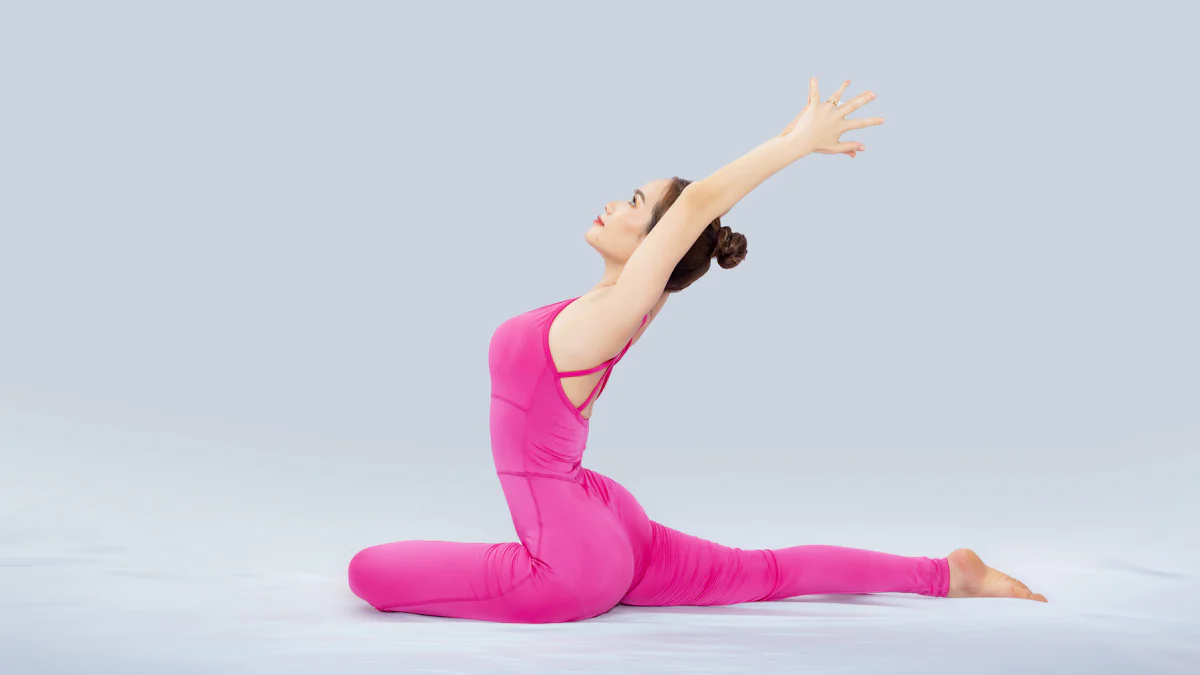
Have you ever wondered why the yoga pigeon pose is a favorite among yogis? This pose is not just about flexibility; it’s a powerhouse for your body. By mastering the pigeon pose, you open up your hips, enhance femur bone rotation, and protect your knees and lower back. It’s especially beneficial if you spend long hours sitting, as it counteracts the negative effects of prolonged sitting. Plus, it gives your lower back and core a gentle tune-up, promoting better posture and overall well-being.
Understanding the Yoga Pigeon Pose
What is the Yoga Pigeon Pose?
The yoga pigeon pose, also known as Eka Pada Rajakapotasana, is a classic hip-opening posture in yoga. This pose has deep roots in the practice of yoga and holds significant importance for both physical and mental well-being.
Origins and significance in yoga
The pigeon pose has its origins in ancient yoga traditions. It symbolizes the grace and beauty of a pigeon, reflecting the elegance and fluidity of the pose itself. Practicing this pose can help you connect with the deeper aspects of yoga, fostering a sense of peace and mindfulness.
Benefits of practicing the pigeon pose
Engaging in the pigeon pose offers numerous benefits. It primarily targets the hip flexors, glutes, and piriformis muscles, which can improve your hip flexibility and range of motion. This pose also strengthens the muscles supporting your hips and lower back, making it an excellent choice for those who spend long hours sitting. Additionally, the pigeon pose can facilitate emotional release, providing healing effects in the context of yoga and trauma. By incorporating this pose into your routine, you may experience enhanced mental well-being and improved digestion.
Anatomy of the Pose
Understanding the anatomy of the pigeon pose can help you perform it more effectively and safely.
Muscles engaged
When you practice the pigeon pose, you engage several key muscles. The hip flexors, which often become tight from prolonged sitting, are stretched and lengthened. Your glutes and piriformis, a small muscle located behind the gluteus maximus, also benefit from this stretch. By loosening these muscles, you can alleviate tension and discomfort in the hip area.
Body alignment and posture
Proper body alignment is crucial for maximizing the benefits of the pigeon pose. Start by ensuring your front leg is bent at a right angle, with your shin parallel to the mat. Your back leg should extend straight behind you, with the top of your foot resting on the mat. Focus on keeping your hips level by drawing your legs in towards each other. This alignment helps maintain stability and prevents injury. Remember to listen to your body and use props like blocks or cushions if needed to support your hips and maintain balance.
Step-by-Step Guide to Performing the Yoga Pigeon Pose
Preparation
Before diving into the yoga pigeon pose, it's essential to prepare your body. A good warm-up can make a significant difference in your practice.
Warm-up exercises
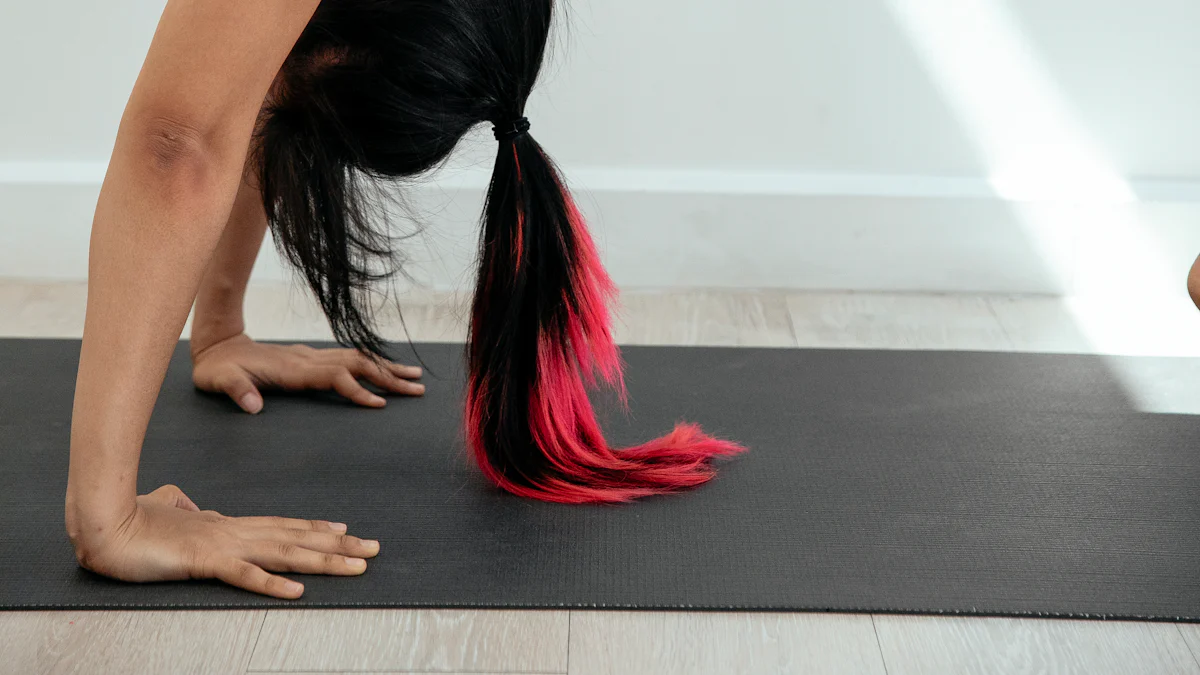
Start with some gentle stretches to loosen up your muscles. You might try cat-cow stretches to warm up your spine and hips. Another great option is the downward-facing dog, which helps stretch your hamstrings and calves. Spend a few minutes in each position, focusing on your breath and easing into the movements. These exercises will prepare your body for the deeper stretch of the yoga pigeon pose.
Necessary equipment or props
Props can be incredibly helpful, especially if you're new to the yoga pigeon pose. Consider using a yoga mat for comfort and stability. Blocks or cushions can provide support under your hips, helping you maintain proper alignment. If you have tight hips, a strap might assist in reaching your foot during advanced variations. Having these tools on hand ensures a safer and more comfortable experience.
Executing the Pose
Now that you're warmed up and equipped, it's time to execute the yoga pigeon pose. Follow these steps to get into the pose correctly.
Initial positioning
Begin in a tabletop position on your mat. Bring your right knee forward, placing it behind your right wrist. Your right shin should be as parallel to the front of the mat as possible. Extend your left leg straight back, keeping the top of your foot on the mat. Align your hips squarely to the front, ensuring they remain level.
Transitioning into the full pose
Slowly lower your torso over your right leg, using your arms for support. You can rest your forearms on the mat or extend your arms forward for a deeper stretch. Keep your back leg straight and your hips aligned. If you feel any discomfort, adjust your position or use props for support. The key is to find a balance between effort and ease.
Holding and breathing techniques
Once you're in the full yoga pigeon pose, focus on your breath. Inhale deeply through your nose, filling your lungs completely. Exhale slowly, allowing your body to relax into the stretch. Hold the pose for several breaths, aiming for at least 30 seconds to a minute. As you breathe, visualize tension melting away from your hips and lower back. Remember, the goal is to feel a gentle stretch, not pain.
By following these steps, you can safely and effectively perform the yoga pigeon pose. With practice, you'll notice increased flexibility and a greater sense of calm.
Safety Tips and Common Mistakes
Safety Precautions
Avoiding injury
When practicing the pigeon pose, safety should be your top priority. Injuries often occur when you push your body beyond its limits. One yoga enthusiast shared how they got caught up in the excitement and pushed too hard, leading to an injury. To avoid this, always warm up properly before attempting the pose. Use props like blocks or cushions to support your hips if needed. These tools help maintain proper alignment and prevent strain on your joints.
Listening to your body
Your body knows best. Pay attention to any signals it sends during your practice. If you feel pain or discomfort, ease out of the pose immediately. Adjust your position or use additional support to find a comfortable stretch. Remember, yoga is not about forcing your body into a position; it's about finding balance and harmony. By listening to your body, you can enjoy a safe and fulfilling yoga practice.
Common Mistakes
Incorrect alignment
Incorrect alignment is a common mistake in the pigeon pose. Ensure your front shin is parallel to the mat and your back leg extends straight behind you. Keep your hips level by drawing your legs in towards each other. Misalignment can lead to unnecessary strain on your knees and lower back. Regularly check your posture and make adjustments as needed. Practicing in front of a mirror or with a partner can help you maintain correct alignment.
Overstretching
Overstretching is another pitfall to watch out for. It's easy to get carried away and push too far, especially when you're eager to improve flexibility. However, overstretching can lead to injuries and setbacks. Focus on gradual progress and respect your body's current limits. Hold the pose for a comfortable duration and breathe deeply to relax into the stretch. With patience and consistency, you'll see improvement without risking injury.
Modifications and Variations
The yoga pigeon pose offers a range of modifications and variations to suit different skill levels and body types. Whether you're a beginner or an advanced practitioner, you can adapt this pose to meet your needs and enhance your practice.
Beginner Modifications
Starting with the yoga pigeon pose can feel challenging, especially if you're new to yoga or have tight hips. Here are some beginner-friendly modifications to help you ease into the pose.
Using props for support
Props can be your best friend when you're learning the yoga pigeon pose. A yoga block or cushion under your hip can provide the support you need to maintain proper alignment. This support helps keep your hips level and prevents unnecessary strain on your knees and lower back. By using props, you can focus on the stretch without worrying about balance.
Simplified versions of the pose
If the full yoga pigeon pose feels too intense, try a simplified version. Start by lying on your back and crossing one ankle over the opposite knee. This position, known as the reclined pigeon pose, offers a gentle hip stretch without the pressure of balancing. You can also perform the seated pigeon pose by sitting on a chair and crossing one leg over the other. These variations allow you to experience the benefits of the yoga pigeon pose while building flexibility and strength.
Advanced Variations
Once you feel comfortable with the basic yoga pigeon pose, you can explore advanced variations to deepen your practice.
Adding twists or binds
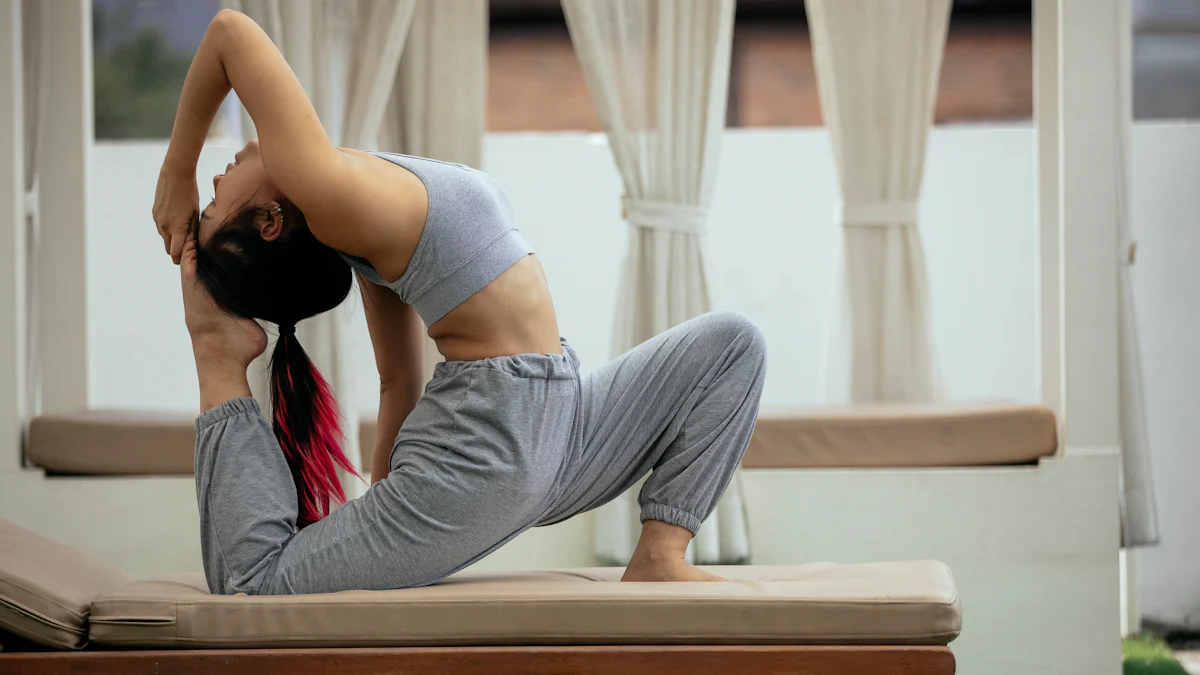
Adding twists or binds to the yoga pigeon pose can increase the intensity and challenge your flexibility. For a twist, place one hand on the mat and rotate your torso towards the opposite side. This movement engages your core and enhances the stretch in your hips and lower back. To incorporate a bind, reach back with one hand to grasp your foot, creating a deeper stretch in your quadriceps and hip flexors. These variations require balance and control, so take your time and listen to your body.
Transitioning to related poses
The yoga pigeon pose serves as a gateway to other poses that build on its foundation. From the pigeon pose, you can transition into the king pigeon pose by lifting your chest and reaching back for your foot with both hands. This advanced pose opens your chest and shoulders, providing a full-body stretch. Another option is to move into the mermaid pose, which involves bending your back knee and holding your foot with one hand while extending the other arm overhead. These transitions offer a dynamic flow that enhances your yoga practice.
By incorporating these modifications and variations, you can tailor the yoga pigeon pose to your unique needs and goals. Remember, the key is to practice mindfully and enjoy the journey of exploration and growth.
Mastering the pigeon pose is more than just a physical achievement; it's a gateway to enhanced flexibility and emotional release. Regular practice can significantly improve your hip mobility and overall well-being. To truly benefit, make it a part of your routine and explore its variations. This will keep your practice fresh and challenging.
For further growth, consider exploring related poses like the king pigeon or mermaid pose. These can deepen your understanding and enhance your yoga journey. Dive into resources or join a class to continue learning and refining your skills. Keep practicing, and enjoy the journey!
See Also
Mastering Fundamental Yoga Positions for Novices
Enhancing Health Through Yoga Asanas
Elevate Your Practice with 10 Inspirational Yoga Quotes

Hi my name is Lia and i am your host in this yoga journey in Portugal, Subscribe to our newsletter to receive every week the best of Yoga in Portugal.

We bring back the importance of initiation into womanhood by Roos-Veerle Krijnen & Ella-June Henrard
Welcome to the Women’s Initiation Retreat by Naked Truth Retreats, a transformative journey into the depths of your True Feminine Nature. This retreat invites you to remember the sacredness and wholeness of your being.
Roos-Veerle Krijnen & Ella-June Henrard