Mastering the Pigeon Pose in Yoga

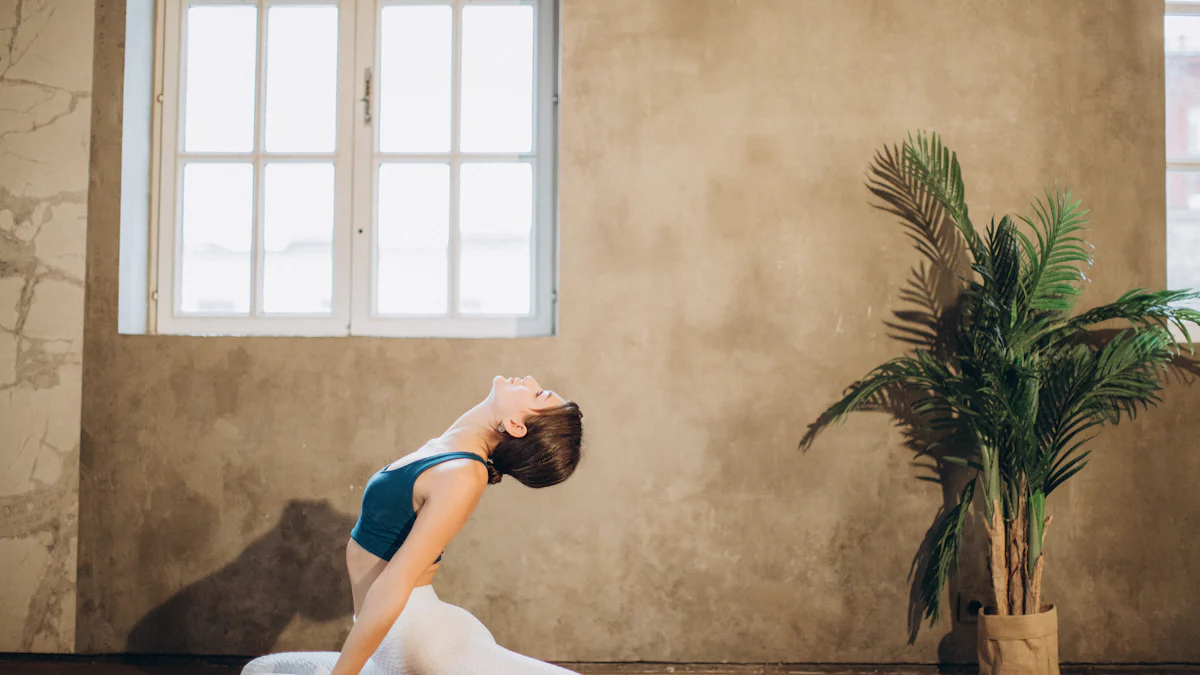
The yoga pigeon pose offers a unique blend of flexibility and strength. As you delve into mastering this pose, you enhance your overall yoga practice. This pose stretches the hip flexors and opens up the hips, providing relief from tension. Mastering it can improve your posture and balance. Regular practice of the pigeon pose can also aid in reducing stress and anxiety, making it an essential addition to your yoga routine.
Understanding the Yoga Pigeon Pose
Origins and Significance
The yoga pigeon pose, known as Kapotasana, has a rich history that dates back to ancient India. Traditionally, practitioners used this pose to prepare their bodies for meditation and relaxation. The pose was first described in the 20th century by B.K.S Iyengar in his influential book, Light on Yoga. This historical context highlights its enduring significance in yoga practice.
In modern yoga classes, the pigeon pose remains a staple due to its versatility and benefits. It serves as a symmetrical backbend and shoulder opener, with various adaptations taught to suit different levels of practice. The pose is renowned for its ability to open the hips and ease lower back pain, making it a valuable addition to any yoga routine. By regularly practising the yoga pigeon pose, you can experience improved flexibility and stress relief, which are essential for maintaining a balanced lifestyle.
Anatomy of the Yoga Pigeon Pose
Understanding the anatomy of the yoga pigeon pose can enhance your practice. This pose primarily targets the hip flexors and external rotators, promoting flexibility and mobility in the hips. As you engage in this pose, you will feel a deep stretch in these areas, which can help alleviate tension in the lower back and improve overall posture.
The benefits of the yoga pigeon pose extend beyond physical flexibility. By opening the hips, you release emotional stress stored in this region, providing a sense of mental relief. This pose is particularly beneficial for individuals with tight hips, as it counteracts the effects of prolonged sitting. Regular practice of the pigeon pose can lead to a greater range of motion and a reduction in stress levels, making it an essential component of a holistic yoga practice.
Step-by-Step Guide to Performing the Yoga Pigeon Pose
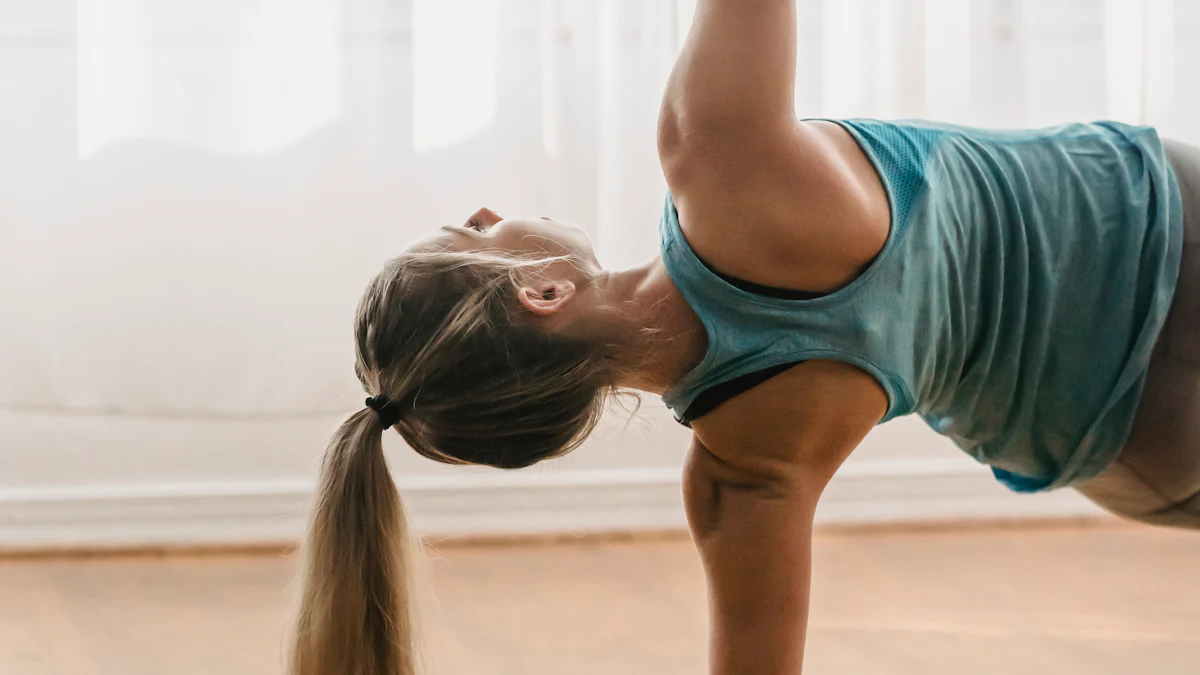
Preparation
Before you dive into the yoga pigeon pose, it's crucial to prepare your body. Proper preparation ensures you perform the pose safely and effectively.
Warm-up exercises
Start with a few warm-up exercises to loosen your muscles. Focus on dynamic stretches that target the hips and lower back. You might begin with cat-cow stretches to mobilise your spine. Follow this with gentle hip circles to increase blood flow to the hip area. These exercises will help prevent injury and make the transition into the yoga pigeon pose smoother.
Necessary equipment or props
Consider using props to support your practice. A yoga mat provides cushioning and stability. If you find it challenging to maintain balance, a yoga block can offer additional support under your hip. A strap might also be useful if you need assistance in reaching your foot during advanced variations of the pose.
Executing the Pose
Once you're warmed up and have your props ready, you can begin executing the yoga pigeon pose. Follow these steps to ensure proper alignment and maximise the benefits.
Initial positioning
Begin in a low lunge position with your right leg forward. Your left leg should extend straight back. Ensure your right shin is parallel to the front of the mat. This alignment is key to engaging the correct muscles and achieving the full stretch.
Transitioning into the full pose
Slowly lower your hips towards the mat. Keep your back leg straight and the top of your foot resting on the mat. Draw your legs in towards each other to stabilise your hips. If needed, place a block under your right buttock to keep your hips level. This support helps maintain balance and prevents overstretching.
Holding and breathing techniques
Once in position, focus on your breath. Inhale deeply and exhale slowly. Aim to bring your torso closer to your front leg with each exhale. Hold the pose for several breaths, allowing your body to relax into the stretch. Remember, the yoga pigeon pose should not cause pain. If you experience discomfort, adjust your position or use additional props.
By following these steps, you can master the yoga pigeon pose and enjoy its numerous benefits. Regular practice will enhance your flexibility, reduce stress, and improve your overall yoga experience.
Safety and Modifications
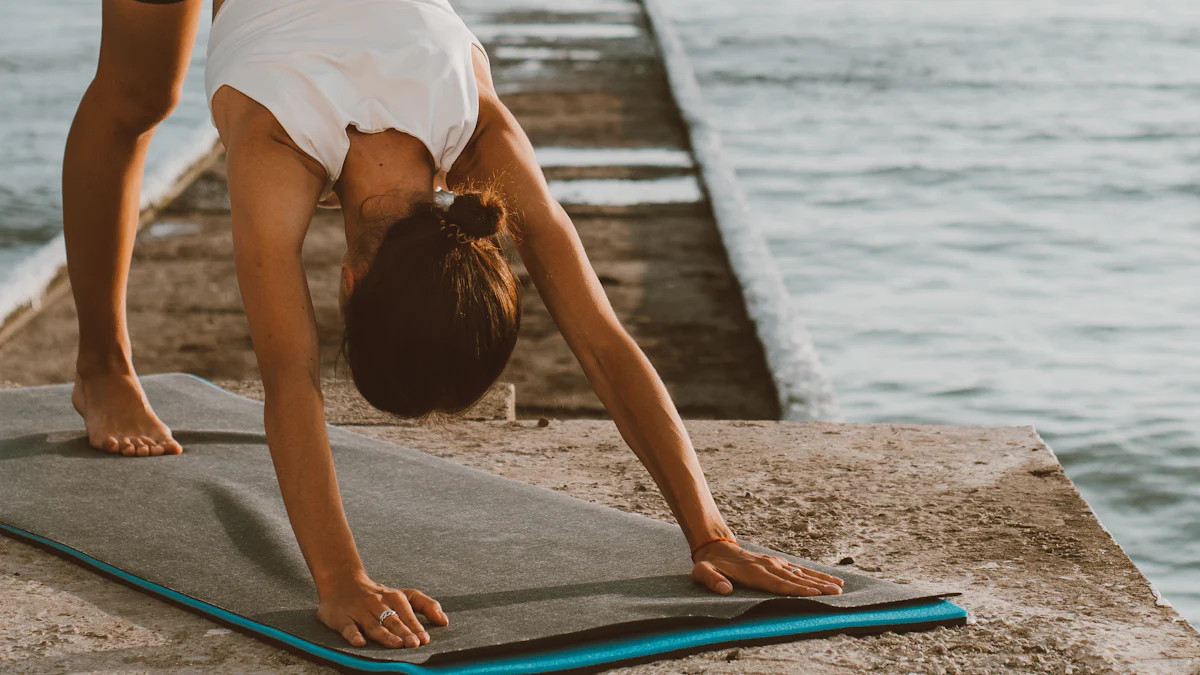
Common Mistakes to Avoid
When practising the yoga pigeon pose, you must pay attention to your body's alignment. Incorrect alignment can lead to unnecessary strain on your joints. Ensure your front knee remains bent and avoid overextending it, as this can stress the knee joint. Keep your back leg straight and aligned with your hip to prevent lower back strain. Maintaining a straight spine is crucial; rounding your back can cause discomfort.
Overstretching poses another risk. You might feel a deep stretch in your hips, but it should never be painful. Listen to your body and adjust the pose if you experience discomfort. If you have chronic hip, knee, or lower back issues, consult a healthcare professional before attempting this pose.
Modifications for Beginners
If you're new to the yoga pigeon pose, using props can provide valuable support. A yoga block under your hip can help maintain balance and prevent overstretching. This support ensures your hips stay level, allowing you to focus on the stretch without straining.
For those who find the full pose challenging, consider alternative poses that offer similar benefits. The reclining pigeon pose, for instance, provides a gentler stretch while still targeting the hip flexors. These modifications allow you to enjoy the benefits of the pose without risking injury.
Variations for Advanced Practitioners
Once you feel comfortable with the basic yoga pigeon pose, you can explore deeper stretches. Try extending your arms forward to increase the intensity of the stretch. This variation enhances flexibility and challenges your balance.
Incorporating balance challenges can also elevate your practice. Lift your back leg and reach for your foot with your opposite hand. This advanced variation requires strength and stability, offering a comprehensive workout for your core and lower body.
By understanding these safety tips and modifications, you can tailor the yoga pigeon pose to suit your needs. Whether you're a beginner or an advanced practitioner, these adjustments ensure a safe and effective practice.
In mastering the yoga pigeon pose, you unlock a multitude of benefits. This pose not only enhances flexibility and mobility in your hips but also alleviates tension in your lower back and glutes. Regular practice can significantly improve your posture and provide emotional release, as energy often resides in the hips. Embrace the pigeon pose as a staple in your routine to experience these advantages. As you grow more confident, explore other yoga poses to further enrich your practice and deepen your connection with your body.
See Also
Perfecting Child's Pose: An In-Depth Tutorial
Best 10 Partner Yoga Poses: An Extensive Manual
Leading 10 Yoga Asanas for Couples

Hi my name is Lia and i am your host in this yoga journey in Portugal, Subscribe to our newsletter to receive every week the best of Yoga in Portugal.

We bring back the importance of initiation into womanhood by Roos-Veerle Krijnen & Ella-June Henrard
Welcome to the Women’s Initiation Retreat by Naked Truth Retreats, a transformative journey into the depths of your True Feminine Nature. This retreat invites you to remember the sacredness and wholeness of your being.
Roos-Veerle Krijnen & Ella-June Henrard