Mastering the Pigeon Pose in Yoga

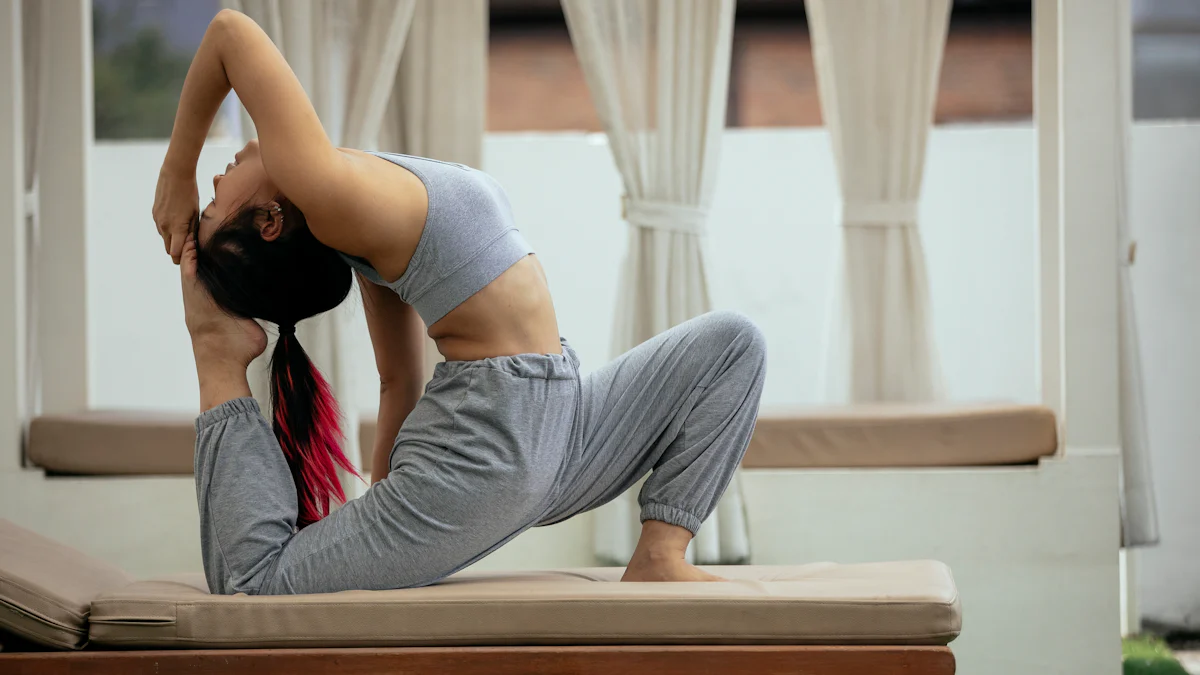
The yoga pigeon pose stands as a cornerstone in the world of yoga, renowned for its ability to open up your hip flexors and stretch your glutes. This pose helps release unconscious tension and old emotions stored in these areas. By mastering this pose, you enhance flexibility and promote relaxation. It also supports a healthy neck, shoulders, back, and posture, while increasing lung capacity. Often referred to as the king of hip openers, the pigeon pose is particularly beneficial for those with tight hips. Incorporating it into your routine can transform both the start and end of your yoga sessions.
Understanding the Yoga Pigeon Pose
Origins and Purpose
The yoga pigeon pose, a staple in many yoga practices, has a rich history. B.K.S. Iyengar first described it in his influential book, 'Light on Yoga', during the 20th century. This pose has since evolved into a key component of modern yoga classes. Known for its symmetrical backbend and shoulder-opening capabilities, the pigeon pose offers numerous benefits.
Incorporating the yoga pigeon pose into your routine can significantly enhance your practice. It is often referred to as "the king of hip openers" by Yoga Journal. This title highlights its effectiveness in stretching and opening the hip muscles. If you have tight hips, this pose can provide much-needed relief and flexibility. Regular practice can also improve your overall posture and balance.
Anatomy of the Yoga Pigeon Pose
Understanding the anatomy involved in the yoga pigeon pose can help you perform it more effectively. Several muscles engage during this pose, including the hip flexors, glutes, and lower back muscles. These muscles work together to support your body as you stretch and open your hips.
Proper alignment and posture are crucial when practising the yoga pigeon pose. Here are some tips to help you maintain correct form:
Keep your front shin parallel to the mat. This alignment ensures that you engage the right muscles and avoid unnecessary strain.
Extend your back leg straight behind you. This position helps maintain balance and stability.
Level your hips by drawing your legs towards each other. This action, known as "scissoring," keeps your hips aligned and prevents injury.
Use props if needed. Placing a block or pillow under your hip can provide additional support and comfort, especially if you have tight hips.
By focusing on these alignment tips, you can maximise the benefits of the yoga pigeon pose and reduce the risk of injury. Regular practice will help you develop greater flexibility and strength, enhancing your overall yoga experience.
Step-by-Step Guide to Performing the Yoga Pigeon Pose
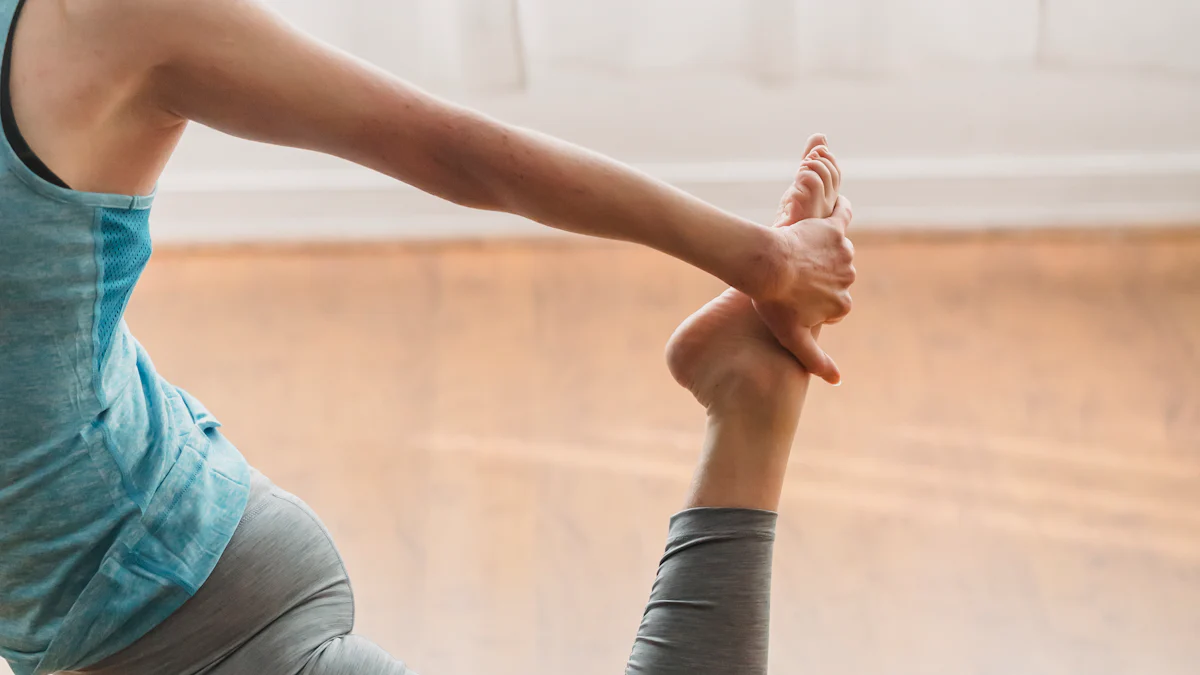
Preparation
Before diving into the yoga pigeon pose, you need to prepare your body and environment. Proper preparation ensures a safe and effective practice.
Warm-up exercises
Warming up is crucial. It prepares your muscles and joints for the stretch. Start with gentle movements:
Cat-Cow Stretch: This exercise warms up your spine and hips. Begin on all fours. Inhale as you arch your back (Cow), and exhale as you round it (Cat).
Hip Circles: Stand with feet hip-width apart. Place hands on hips. Move your hips in a circular motion. This loosens the hip joints.
Lunges: Perform a few lunges. Step forward with one leg, bending both knees. This stretches the hip flexors.
These exercises increase blood flow and flexibility, making the yoga pigeon pose more accessible.
Setting up your yoga space
A calm and organised space enhances your practice. Follow these steps:
Choose a Quiet Area: Find a space free from distractions. This helps you focus on your practice.
Use a Yoga Mat: A mat provides cushioning and grip. It prevents slipping during the pose.
Gather Props: Have a block or pillow nearby. These props offer support if needed.
Creating a dedicated space sets the tone for a mindful yoga session.
Executing the Pose
With preparation complete, you can now execute the yoga pigeon pose. Follow these steps for a smooth transition into the pose.
Initial positioning
Begin in a low lunge position:
Start on All Fours: Position yourself on hands and knees.
Bring Right Knee Forward: Move your right knee towards your right wrist.
Extend Left Leg Back: Slide your left leg straight behind you. Keep the top of your foot on the mat.
This initial positioning sets the foundation for the full yoga pigeon pose.
Transitioning into the full pose
Transitioning requires attention to detail:
Align Your Shin: Aim to have your right shin parallel to the front of the mat.
Square Your Hips: Draw your legs towards each other. This action, known as "scissoring," keeps your hips level.
Lower Your Torso: Gently lower your torso over your right leg. Use your arms for support.
This transition deepens the stretch and engages the correct muscles.
Holding and breathing techniques
Holding the pose involves focus and breath control:
Hold the Pose: Stay in the position for 5-10 breaths. Focus on relaxing your muscles.
Breathe Deeply: Inhale deeply through your nose. Exhale slowly. This calms your mind and enhances the stretch.
Listen to Your Body: If you feel discomfort, adjust your position. Use a block under your hip for support if needed.
Proper breathing and awareness maximise the benefits of the yoga pigeon pose.
By following this guide, you can master the yoga pigeon pose. Regular practice improves flexibility and relaxation. Remember, consistency is key to progress.
Modifications and Variations
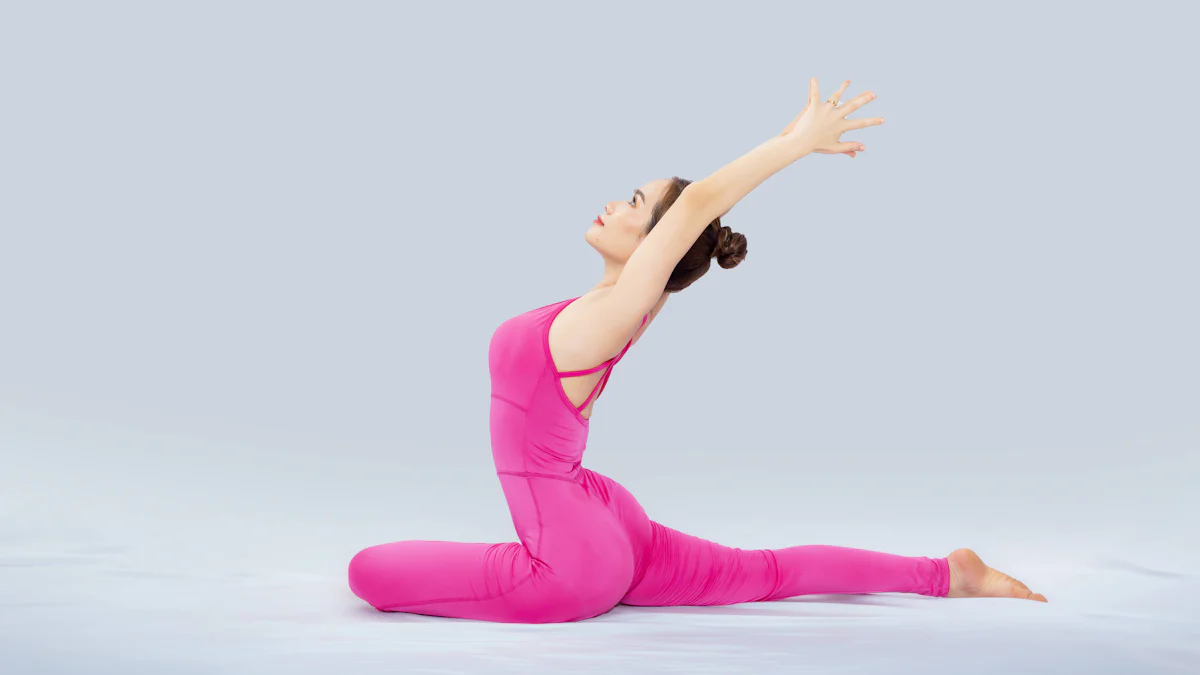
The yoga pigeon pose can be challenging, especially if you're new to yoga or have tight hips. Fortunately, there are several modifications and variations to help you ease into the pose and deepen your practice.
Adjustments for Beginners
Using props for support
Props can be incredibly helpful when you're starting with the yoga pigeon pose. They provide support and help maintain proper alignment. Consider using a yoga block or a cushion under your hip. This support can prevent strain and make the pose more comfortable. One practitioner shared that using blocks for their wrists and a wider stance made the pose more accessible and enjoyable. By incorporating props, you can focus on the stretch without discomfort.
Simplified versions of the pose
If the full yoga pigeon pose feels too intense, try a simplified version. Begin by lying on your back and bringing one ankle over the opposite knee, forming a figure-four shape. This position, often called the "Dead Pigeon" pose, offers a gentler stretch. A yoga enthusiast found relief from lower back pain by practising this variation, along with other poses like the Penguin pose. Simplified versions allow you to gradually build flexibility and confidence.
Advanced Variations
Deepening the stretch
Once you're comfortable with the basic yoga pigeon pose, you can explore ways to deepen the stretch. One method is to extend your arms forward, lowering your chest closer to the mat. This movement increases the intensity of the stretch in your hips and glutes. Ensure you maintain proper alignment to avoid injury. Deepening the stretch can enhance your flexibility and provide a more profound release of tension.
Incorporating additional movements
For those seeking a more dynamic practice, consider incorporating additional movements into the yoga pigeon pose. You might add a gentle twist by reaching one arm across your body or lift your back leg for a quad stretch. These variations challenge your balance and engage different muscle groups. Exploring these movements can transform your practice and offer new insights into your body's capabilities.
By experimenting with these modifications and variations, you can tailor the yoga pigeon pose to suit your needs and goals. Whether you're a beginner or an advanced practitioner, these adjustments ensure a safe and effective practice. Remember, your body is unique, and listening to it is key to a fulfilling yoga journey.
Common Mistakes and Safety Precautions
Mastering the yoga pigeon pose requires attention to detail and awareness of your body's signals. Avoiding common mistakes and adhering to safety precautions ensures a beneficial and injury-free practice.
Avoiding Injury
Recognising Incorrect Alignments
Incorrect alignment in the yoga pigeon pose can lead to discomfort or injury. Ensure your front shin remains parallel to the mat. This alignment engages the correct muscles and prevents unnecessary strain. Your back leg should extend straight behind you, with the top of your foot resting on the mat. This position maintains balance and stability. If you notice your hips tilting, adjust by drawing your legs towards each other, a technique known as "scissoring." This action keeps your hips level and aligned.
Listening to Your Body
Your body communicates its limits. Pay attention to any signs of discomfort or pain during the yoga pigeon pose. If you experience sharp pain, especially in your knees or hips, ease out of the pose. Use props like blocks or cushions for support if needed. Gillian Walker, a yoga teacher, suggests incorporating other hip-opening poses such as the happy baby pose or butterfly pose if the pigeon pose feels too intense. These alternatives can help you gradually build flexibility and comfort.
Tips for Safe Practice
Importance of Gradual Progression
Progress in yoga should be gradual. Rushing into advanced variations of the yoga pigeon pose can lead to injury. Start with the basic pose and focus on maintaining proper alignment. As your flexibility improves, you can explore deeper stretches and variations. Consistency in practice is key to mastering the pose safely.
Consulting with a Yoga Instructor
Guidance from a qualified yoga instructor can enhance your practice. They can provide personalised feedback on your alignment and suggest modifications tailored to your needs. If you're new to the yoga pigeon pose or have existing injuries, consulting with an instructor ensures a safe and effective practice. They can also introduce you to other beneficial poses, enriching your yoga journey.
By recognising common mistakes and following these safety precautions, you can enjoy the full benefits of the yoga pigeon pose. Remember, yoga is a personal journey. Listen to your body and progress at your own pace.
In mastering the pigeon pose, you have explored its origins, anatomy, and execution. Regular practice enhances flexibility, reduces stress, and supports overall well-being. Yoga offers numerous benefits, including improved strength, mental health, and quality sleep.
To deepen your practice, consider exploring additional yoga poses. This journey can transform your physical and mental health.
For further guidance, seek out yoga classes or resources. Engaging with a community or instructor can enrich your experience and provide valuable insights. Embrace the journey of yoga and discover its profound impact on your life.
See Also
Perfecting the Dove Position in Yoga
Mastery of Child's Pose: An Easy Tutorial
Best 15 Yoga Positions for Pair Practice

Hi my name is Lia and i am your host in this yoga journey in Portugal, Subscribe to our newsletter to receive every week the best of Yoga in Portugal.

We bring back the importance of initiation into womanhood by Roos-Veerle Krijnen & Ella-June Henrard
Welcome to the Women’s Initiation Retreat by Naked Truth Retreats, a transformative journey into the depths of your True Feminine Nature. This retreat invites you to remember the sacredness and wholeness of your being.
Roos-Veerle Krijnen & Ella-June Henrard