Mastering the Lotus Pose in Yoga

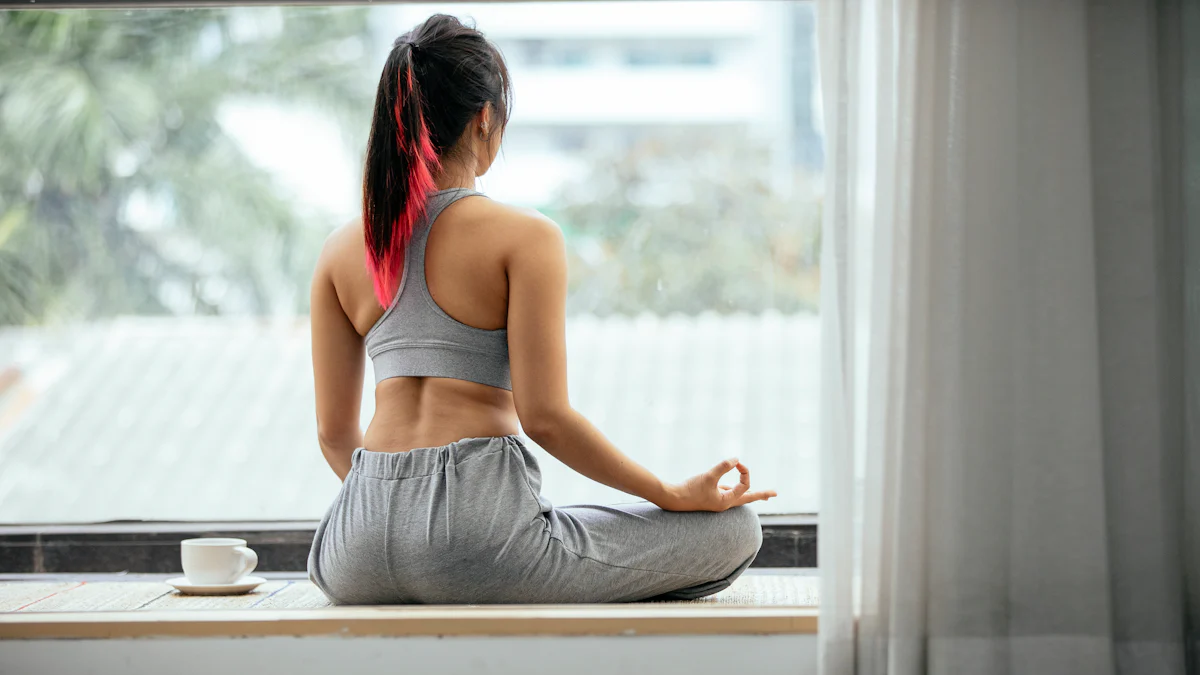
The yoga lotus pose holds a special place in yoga practice. It serves as a gateway to meditation and relaxation. This pose, often seen as the archetypal yoga posture, helps improve sleep quality and overall well-being. Its symbolic significance lies in its representation of purity and enlightenment. As you embark on mastering this pose, embrace self-acceptance and patience. Your journey will not only enhance flexibility and strength but also nurture a deeper connection with your inner self. Remember, progress in yoga is personal, and every step forward is a victory.
Preparing for the Yoga Lotus Pose
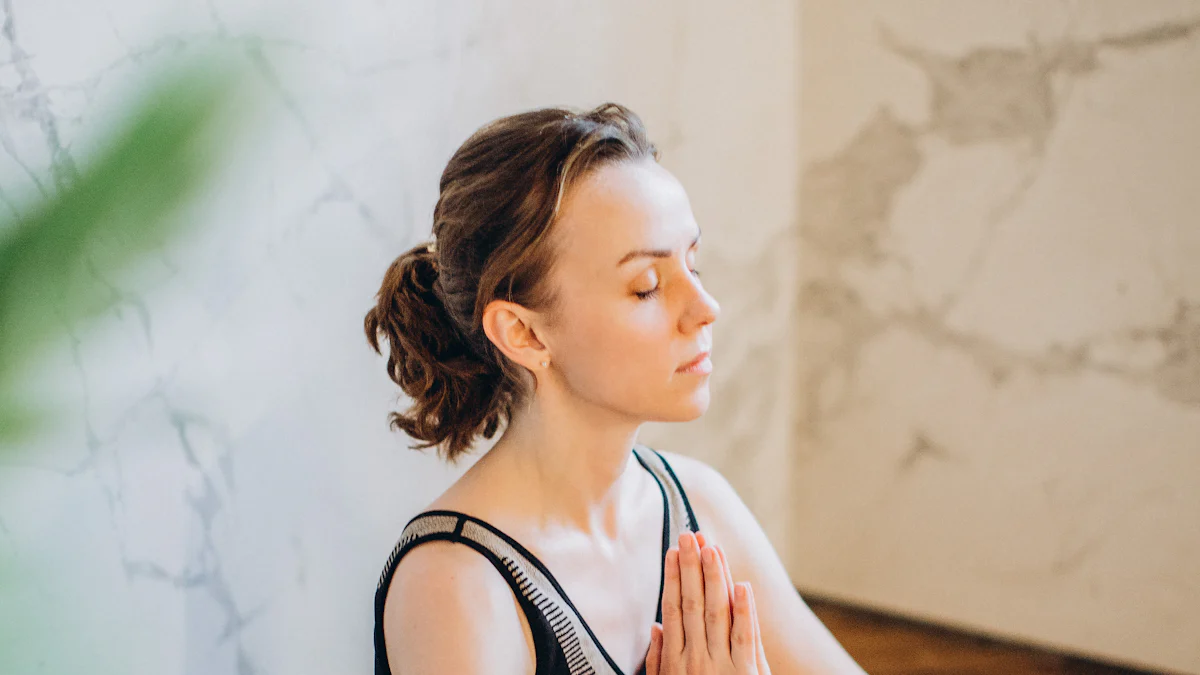
Embarking on the journey to master the yoga lotus pose requires preparation. This preparation involves building flexibility and strengthening your body. By focusing on these areas, you will create a solid foundation for achieving this iconic posture.
Building Flexibility for the Yoga Lotus Pose
Flexibility is crucial for the yoga lotus pose. You should incorporate specific stretches and exercises into your routine to enhance your flexibility.
Recommended Stretches and Exercises
Forward Fold: This stretch targets your hamstrings and lower back. Stand with feet hip-width apart, bend at the hips, and reach for your toes. Keep your knees slightly bent if needed.
Crescent Pose: This pose opens up your hips and stretches your thighs. Step one foot forward, bend the knee, and extend the other leg back. Raise your arms overhead for balance.
Warrior 2: Strengthen your legs and improve hip flexibility with this pose. Stand with feet wide apart, turn one foot out, and bend the knee. Extend your arms parallel to the ground.
Extended Side Angle: This pose enhances flexibility in your hips and sides. From Warrior 2, lower your front arm to the ground or a block, and extend the other arm overhead.
Crisscross Pyramid: This unique stretch targets your abductors. Cross one leg over the other, bend forward, and reach for your toes.
Expert Testimony: Matt, a seasoned yoga instructor, emphasises the importance of these standing postures. He notes that the execution and intention behind them are key to increasing hip mobility, which is essential for the yoga lotus pose.
Importance of Consistent Practice
Consistency is vital in yoga. Regular practice of these stretches will gradually increase your flexibility. Aim to incorporate them into your routine several times a week. Over time, you will notice improvements in your range of motion, making the yoga lotus pose more accessible.
Strengthening the Body
Strengthening your body is equally important as flexibility when preparing for the yoga lotus pose. Focus on core and leg muscles to provide the necessary support and stability.
Core Strengthening Exercises
Plank Pose: This exercise strengthens your core and shoulders. Hold a plank position with your body in a straight line from head to heels.
Boat Pose: Sit on the floor, lift your legs, and balance on your sit bones. Extend your arms forward and engage your core.
Bridge Pose: Lie on your back, bend your knees, and lift your hips. This pose strengthens your lower back and glutes.
Leg and Hip Strengthening Tips
Squats: Perform squats to strengthen your thighs and glutes. Stand with feet shoulder-width apart, lower your hips, and keep your back straight.
Lunges: Step forward with one leg, bend both knees, and lower your hips. This exercise targets your thighs and improves balance.
Hip Abduction: Lie on your side and lift your top leg. This exercise strengthens your hip abductors, which are crucial for the yoga lotus pose.
Expert Testimony: Matt highlights the importance of strengthening the gluteal and abductor muscles. He suggests using techniques in standing postures to create a solid foundation for the yoga lotus pose.
By focusing on flexibility and strength, you prepare your body for the yoga lotus pose. Remember, progress takes time, so be patient and consistent in your practice.
Steps to Achieve the Yoga Lotus Pose

Mastering the yoga lotus pose requires a step-by-step approach. By focusing on initial positioning and executing the pose correctly, you can achieve this iconic posture with ease and safety.
Initial Positioning
Sitting posture and alignment
Begin by sitting on the floor with your legs extended in front of you. This position, known as Dandasana, serves as the foundation for the yoga lotus pose. Ensure your spine remains straight and your shoulders relaxed. Engage your core muscles to support your back. This alignment helps maintain balance and prevents strain.
Breathing techniques for relaxation
Breathing plays a crucial role in achieving the yoga lotus pose. Focus on deep, controlled breaths to calm your mind and body. Inhale deeply through your nose, allowing your abdomen to expand. Exhale slowly, releasing any tension. This practice not only aids relaxation but also enhances concentration, making it easier to enter the pose.
Executing the Pose
Step-by-step guide to entering the pose
Bend your left knee: Rotate your thigh outward from the hip. Place your left foot on your right thigh, ensuring the sole faces upwards.
Bend your right knee: Position your right foot on your left thigh, again with the sole facing upwards. Your knees should be close together.
Align your spine: Keep your spine long and straight. This alignment is essential for maintaining balance in the yoga lotus pose.
Position your hands: Rest the backs of your hands on your knees. Form Jnana mudra by touching the tips of your thumbs and index fingers.
Andrew Weil, M.D., highlights the calming effect of the yoga lotus pose, noting its ability to focus the mind and stretch the muscles of the hips and back.
Maintaining balance and posture
Maintaining balance in the yoga lotus pose requires focus and practice. Engage your core muscles to support your posture. Keep your shoulders relaxed and your chest open. If you feel any discomfort, adjust your position slightly. Listening to your body is key to avoiding injury and ensuring a safe practice.
A seasoned yoga practitioner shares their experience from ashrams, emphasising the benefits of the yoga lotus pose for meditation.
By following these steps, you can achieve the yoga lotus pose with confidence. Remember, patience and consistency are vital. Each attempt brings you closer to mastering this powerful posture.
Safety Considerations and Modifications
When practising the yoga lotus pose, prioritising safety is essential. This iconic posture can offer numerous benefits, but it also poses risks if not executed correctly. By understanding how to avoid common injuries and exploring modifications for different skill levels, you can enjoy a safe and rewarding practice.
Avoiding Common Injuries
Tips for Safe Practice
To practise the yoga lotus pose safely, focus on proper alignment and technique. Begin by ensuring your spine remains straight and your shoulders relaxed. Engage your core muscles to support your posture. This alignment helps prevent strain and enhances balance.
Expert Insight: Practising the yoga lotus pose correctly enhances overall posture and helps in avoiding injuries by listening to your body.
Flexibility in the hips, knees, and ankles is crucial. Incorporate preparatory stretches and exercises into your routine to improve flexibility. If you experience discomfort, adjust your position slightly. Never force yourself into the pose, as this can lead to injury.
Listening to Your Body
Listening to your body is vital when practising the yoga lotus pose. Pay attention to any signals of discomfort or pain. If you feel any strain in your knees or hips, ease out of the pose and try a gentler variation. Your body knows its limits, and respecting them is key to a safe practice.
Health Advisory: Lower extremity injuries such as epiphyseal fracture of the distal tibia and lateral femoral cutaneous neuropathy are associated with the yoga lotus pose. Always prioritise safety and listen to your body.
Modifications for Different Skill Levels
Beginner-Friendly Alternatives
For beginners, the full yoga lotus pose may seem challenging. Start with Ardha Padmasana, or Half Lotus Pose. This variation involves placing one foot on the opposite thigh while keeping the other leg extended. It offers a gentler introduction to the posture, allowing you to build flexibility and strength gradually.
Consider using props like yoga blocks or cushions to support your knees and hips. These aids can help you maintain proper alignment and reduce strain, making the pose more accessible.
Advanced Variations for Experienced Practitioners
If you are an experienced practitioner, explore advanced variations of the yoga lotus pose to deepen your practice. Try incorporating arm balances or transitions into other poses. These variations challenge your balance and strength, offering a new dimension to your practice.
Advanced Tip: Experienced practitioners can explore variations like the Bound Lotus Pose, which involves binding the hands behind the back while in the yoga lotus pose. This variation enhances flexibility and focus.
By understanding safety considerations and exploring modifications, you can tailor the yoga lotus pose to suit your skill level. Remember, progress in yoga is personal, and each step forward is a testament to your dedication and patience.
Enriching Your Practice
Mindfulness and Yoga Philosophy
Incorporating mindfulness into practice
Incorporating mindfulness into your yoga practice can transform your experience. Mindfulness involves paying attention to the present moment without judgement. As you engage in the Lotus Pose, focus on your breath and the sensations in your body. This awareness helps you connect deeply with your practice, enhancing both relaxation and concentration. By being mindful, you cultivate a sense of peace and clarity, which extends beyond the yoga mat into your daily life.
Understanding the symbolic meaning of the Lotus Pose
The Lotus Pose, or Padmasana, holds profound symbolic significance in yoga. It represents purity and enlightenment, embodying the journey towards spiritual awakening. Ancient yogis and sages revered this pose as the archetypal posture for meditation, mantra chanting, and pranayama. The Lotus Pose symbolises the blossoming of the human spirit, rising above the murky waters of material existence. By practising this pose, you embrace the unity of body, mind, and spirit, recognising that these divisions are mere illusions.
Andrew Weil, M.D., highlights the Lotus Pose's ability to foster a deep mind-body connection, allowing you to transcend perceived boundaries and experience holistic well-being.
Additional Resources
Suggested readings and articles
To deepen your understanding of the Lotus Pose and its significance, explore a variety of readings and articles. These resources offer insights into the history, philosophy, and practice of yoga. Consider the following:
"The Heart of Yoga" by T.K.V. Desikachar: This book provides a comprehensive guide to yoga philosophy and practice, including the Lotus Pose.
"Light on Yoga" by B.K.S. Iyengar: A classic text that delves into the intricacies of yoga postures, offering detailed instructions and insights.
Articles on Yoga Journal: Explore online articles that discuss the benefits and techniques of the Lotus Pose, as well as its symbolic meaning.
Online classes and video tutorials
Enhance your practice with online classes and video tutorials. These resources provide visual guidance and expert instruction, making it easier to master the Lotus Pose. Consider the following platforms:
Yoga with Adriene: A popular YouTube channel offering free yoga classes, including sessions focused on flexibility and meditation.
Glo: An online platform with a wide range of yoga classes, from beginner to advanced levels, taught by experienced instructors.
Gaia: Offers a library of yoga videos, including tutorials on the Lotus Pose and other meditative practices.
By exploring these additional resources, you enrich your yoga journey, gaining valuable knowledge and inspiration. Remember, the path to mastering the Lotus Pose is unique to each individual, and every step forward is a testament to your dedication and growth.
Mastering the Lotus Pose holds immense value in your yoga journey. This iconic posture not only enhances flexibility and strength but also deepens your meditation practice. As you continue to explore and practise, remember that each attempt brings you closer to personal growth and spiritual enlightenment.
Testimonial: "During my time in ashrams, I discovered the profound benefits of the Lotus Pose. It focused my mind and led to deeper spiritual experiences."
We invite you to share your experiences and insights. Your journey can inspire others and foster a supportive yoga community.
See Also
Perfecting the Pigeon Position in Yoga
Mastery of Balasana: An Easy-to-Follow Tutorial
Best 15 Yoga Positions for Pair Practice

Hi my name is Lia and i am your host in this yoga journey in Portugal, Subscribe to our newsletter to receive every week the best of Yoga in Portugal.

We bring back the importance of initiation into womanhood by Roos-Veerle Krijnen & Ella-June Henrard
Welcome to the Women’s Initiation Retreat by Naked Truth Retreats, a transformative journey into the depths of your True Feminine Nature. This retreat invites you to remember the sacredness and wholeness of your being.
Roos-Veerle Krijnen & Ella-June Henrard