Mastering the Yoga Headstand: A Step-by-Step Guide

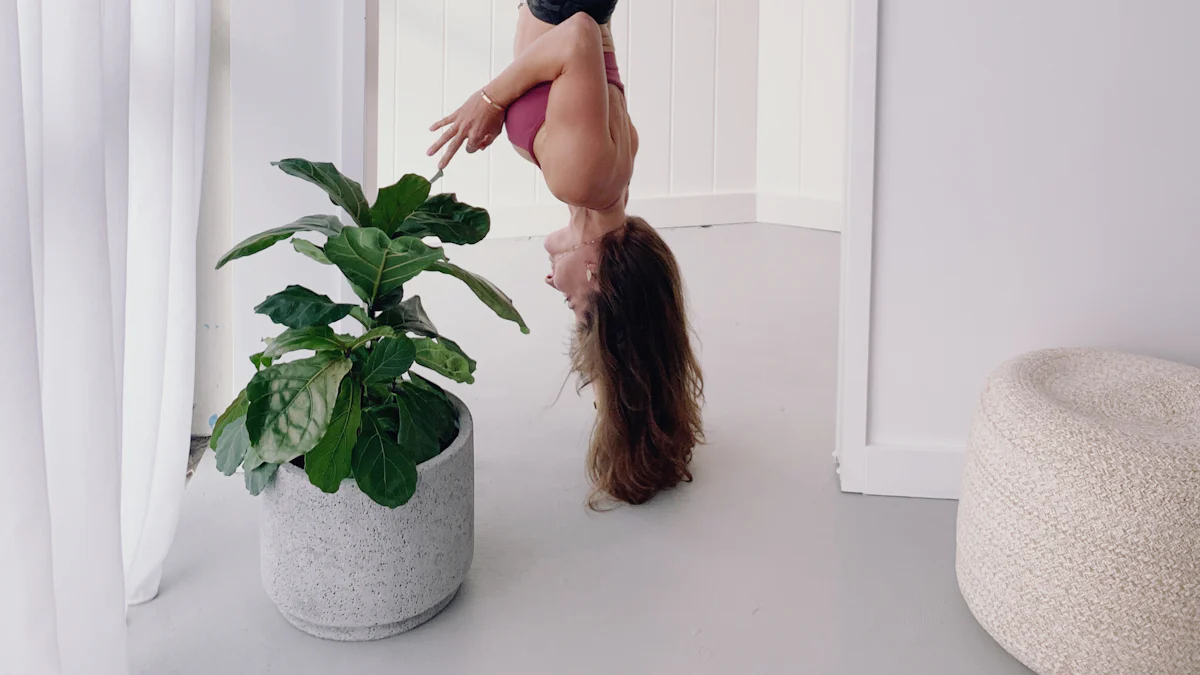
Practicing the yoga headstand poses offers numerous benefits. It enhances circulation to your brain, boosting cognitive function and mental clarity. Additionally, it increases heart rate variability while decreasing overall heart rate, promoting cardiovascular health. Mastering the headstand holds significance as it symbolizes balance and strength in yoga practice. This pose challenges you to build core strength and improve focus. Attempting the headstand can be a rewarding journey, motivating you to push boundaries and achieve new heights in your yoga practice. Embrace the challenge and experience the transformative power of the yoga headstand.
Preparatory Steps and Considerations
Understanding the Basics
Importance of Foundational Skills
Before you attempt a yoga headstand, you need to develop foundational skills. These skills include balance, core strength, and body awareness. Mastering these basics ensures that you can perform the headstand safely and effectively. You should practice poses like the plank and downward dog to build these essential skills. These poses help you understand how your body moves and balances, which is crucial for a successful headstand.
Necessary Precautions Before Starting
Safety should always be your priority. You must assess your physical condition before starting. If you have neck or shoulder issues, consult a healthcare professional. Ensure that you practice on a yoga mat to provide cushioning and support. Avoid practicing near hard surfaces or sharp objects. You should also warm up your body with gentle stretches to prevent injuries. Remember, patience and caution are key.
Building Strength and Flexibility
Exercises to Strengthen the Core
A strong core is vital for maintaining stability in a headstand. You can incorporate exercises like boat pose and plank variations into your routine. These exercises target your abdominal muscles, helping you build the strength needed to hold the headstand position. Consistent practice will enhance your core stability, making it easier to balance upside down.
Flexibility Routines for the Neck and Shoulders
Flexibility in your neck and shoulders allows you to align your body correctly during a headstand. You should perform stretches that focus on these areas. Try neck rolls and shoulder shrugs to increase flexibility. Incorporate poses like the cat-cow stretch to improve mobility. These routines prepare your body for the demands of a headstand, reducing the risk of strain or injury.
Step-by-Step Instructions for the Yoga Headstand Poses
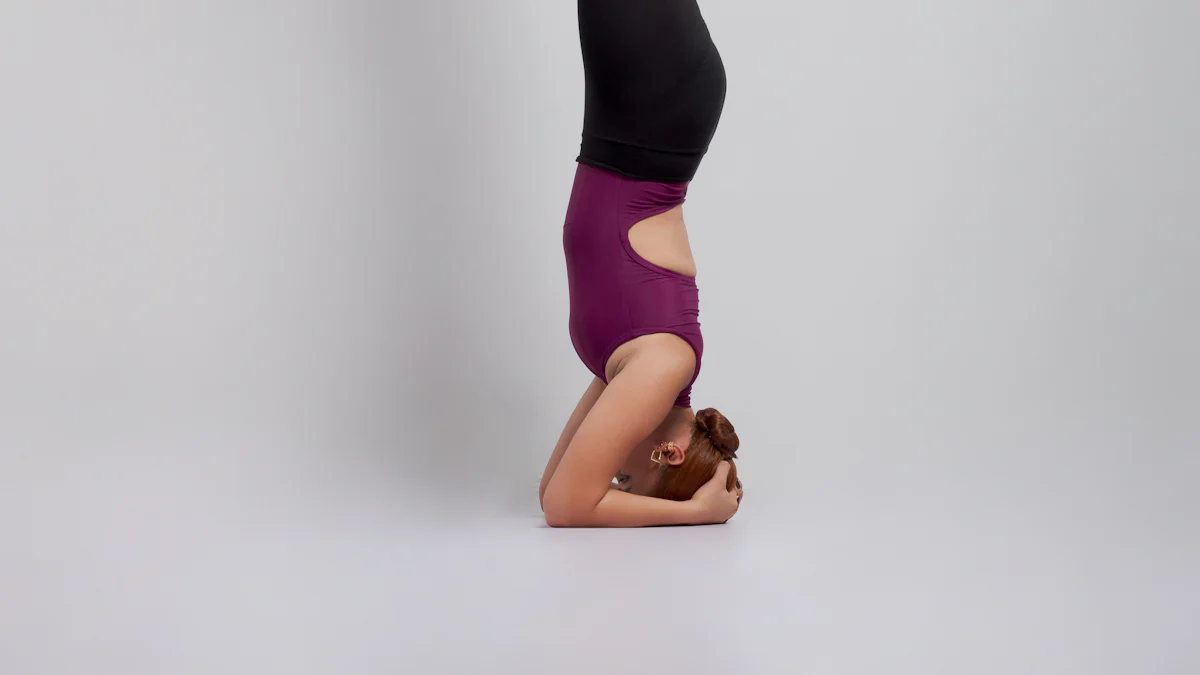
Getting into Position
Setting up the Base
To begin your journey into yoga headstand poses, you must first establish a solid base. Start by kneeling on your yoga mat. Place your forearms on the ground, ensuring that your elbows are directly under your shoulders. Interlace your fingers, creating a firm support for your head. This setup forms the foundation of your pose, providing stability and balance.
Aligning the Body Correctly
Once your base is secure, focus on aligning your body. Place the crown of your head gently on the mat, cradled by your interlaced fingers. Your neck should remain straight, avoiding any undue pressure on the cervical vertebrae. Lift your hips and straighten your legs, forming an inverted "V" shape. This alignment ensures that your body weight is distributed evenly, reducing the risk of strain.
Lifting into the Yoga Headstand Poses
Engaging the Core
With your body aligned, engage your core muscles. A strong core is essential for maintaining balance in yoga headstand poses. Draw your navel towards your spine, activating your abdominal muscles. This engagement provides the strength needed to lift your legs off the ground. Remember, your core acts as the powerhouse, supporting your entire body in the pose.
Balancing Techniques
As you lift your legs, focus on balance. Shift your weight gradually from your feet to your forearms. Keep your gaze fixed on a point in front of you to maintain stability. If you feel unsteady, practice near a wall for added support. Balancing in yoga headstand poses requires patience and practice, so take your time to find your center.
Holding and Exiting the Pose
Maintaining Stability
Once you achieve the headstand position, concentrate on maintaining stability. Keep your core engaged and your legs extended towards the ceiling. Breathe deeply and evenly, allowing your body to relax into the pose. Stability in yoga headstand poses comes from a combination of strength and calmness.
Safely Coming Down
Exiting the pose safely is as important as entering it. Slowly lower one leg at a time, returning to the inverted "V" shape. Gently bring your knees to the ground and rest in a child's pose to release any tension. Practicing safe transitions in yoga headstand poses prevents injuries and ensures a positive experience.
Expert Testimony: Yoga Journal emphasizes the importance of working with an experienced teacher to customize your approach to yoga headstand poses. Each body is unique, and a good teacher can guide you to avoid placing undue pressure on delicate areas like the cervical vertebrae.
By following these step-by-step instructions, you can master yoga headstand poses with confidence and safety. Remember, consistency and patience are key to achieving this challenging yet rewarding pose.
Common Mistakes and Safety Precautions
Avoiding Common Errors
Misalignment Issues
Misalignment often leads to discomfort or injury during a headstand. You must ensure your body is in the correct position. Keep your elbows directly under your shoulders. This alignment distributes weight evenly and prevents strain on your neck. Place the crown of your head on the mat, not your forehead. This position helps maintain balance and reduces pressure on your cervical vertebrae. Regular practice with attention to alignment will help you avoid these common mistakes.
Over-reliance on the Head
Relying too much on your head can cause neck injuries. You should focus on distributing your weight across your forearms and shoulders. Engage your core muscles to support your body. This engagement reduces the load on your head and neck. Practicing with awareness and control helps you develop the strength needed to hold the pose safely.
Ensuring Safety
Using Props for Support
Props can enhance your safety during a headstand. You might use a wall for support. Practicing near a wall provides stability and confidence. Blocks can also assist in maintaining proper alignment. Place them under your shoulders to help distribute weight evenly. These tools offer additional support, allowing you to focus on building strength and balance.
Practicing with a Spotter
A spotter can provide valuable assistance. They offer guidance and support as you practice. A spotter can help you maintain alignment and prevent falls. Their presence boosts your confidence, allowing you to focus on technique. Practicing with a spotter ensures a safer experience, especially for beginners.
Guidelines for Avoiding Injuries in Headstand emphasize the importance of avoiding undue pressure on the cervical vertebrae. By following these safety measures, you can enjoy the benefits of headstands while minimizing risks.
Modifications and Variations
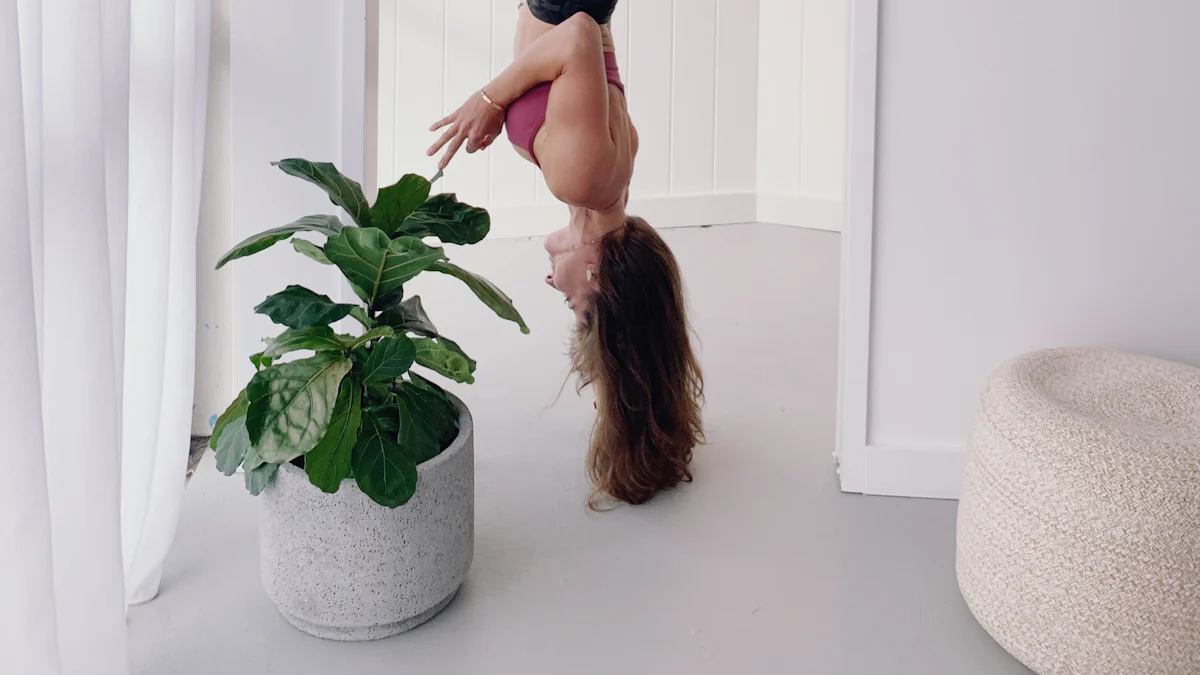
Exploring modifications and variations of yoga headstand poses can enhance your practice, whether you're a beginner or seeking advanced challenges. These adaptations allow you to build confidence and strength at your own pace.
Beginner-Friendly Modifications
Supported Headstand with a Wall
For beginners, using a wall for support can make yoga headstand poses more accessible. Start by positioning yourself a few inches away from the wall. Place your forearms on the ground and interlace your fingers. Gently rest the crown of your head on the mat, cradled by your hands. As you lift your legs, let the wall catch your feet. This support helps you focus on alignment and balance without the fear of falling. Practicing with a wall builds your confidence and prepares you for freestanding headstands.
Using Blocks for Assistance
Blocks can provide additional support in yoga headstand poses. Place a block under each shoulder to elevate your base. This elevation helps distribute your weight more evenly, reducing pressure on your neck. Begin by setting up your base with your forearms on the ground and your head cradled in your hands. As you lift your legs, the blocks offer stability, allowing you to concentrate on engaging your core. Using blocks encourages proper alignment and helps you develop the strength needed for unsupported headstands.
Advanced Variations
Tripod Headstand
Once you feel comfortable with basic yoga headstand poses, you can try the tripod headstand. In this variation, your hands and head form a triangle on the mat. Place your hands shoulder-width apart and rest the crown of your head between them. Lift your legs into the air, balancing on your head and hands. This pose requires greater strength and balance, challenging you to engage your core and maintain stability. Practicing the tripod headstand enhances your upper body strength and deepens your understanding of balance.
One-Legged Headstand
The one-legged headstand offers an advanced challenge for those experienced in yoga headstand poses. Begin in a standard headstand position. Once stable, slowly lower one leg towards the ground while keeping the other extended towards the ceiling. This variation demands precise control and balance, as you must engage your core to prevent tipping over. Practicing the one-legged headstand improves your focus and strengthens your core, providing a rewarding progression in your yoga journey.
Testimonials:
"My regular practice of inversions such as Headstand had strengthened my upper body and given me balance. Headstand had also given me confidence in my ability to remain balanced in a whole range of situations, provided a daily feeling of profound renewal, and lifted my spirits."
"From the time I took this decision, it took me 1 year of daily practice to be able to do a headstand. It made me face my fears and weaknesses every single morning, and taught me how to go through it. What I learned along the way had very little to do with physical exercises and abilities alone."
These modifications and variations of yoga headstand poses offer a pathway to growth and self-discovery. Whether you're just starting or seeking new challenges, these adaptations can enrich your practice and deepen your connection to yoga.
Related Poses for Further Practice
Exploring related poses can enhance your understanding and mastery of yoga headstand poses. These complementary poses build strength, flexibility, and balance, which are essential for a successful headstand practice.
Complementary Poses
Shoulder Stand
The shoulder stand is an excellent pose to complement your yoga headstand practice. It strengthens your shoulders and core while improving balance. To perform a shoulder stand, lie on your back and lift your legs towards the ceiling. Support your lower back with your hands, keeping your elbows on the ground. This pose helps you develop the necessary strength and alignment for headstands.
Forearm Stand
The forearm stand challenges your balance and builds upper body strength. Begin by placing your forearms on the mat, with your elbows shoulder-width apart. Lift your hips and walk your feet closer to your body. Kick one leg up, followed by the other, balancing on your forearms. Practicing the forearm stand enhances your ability to maintain stability in yoga headstand poses.
Building a Headstand Sequence
Integrating Headstands into a Yoga Routine
Incorporating yoga headstand poses into your routine can deepen your practice. Start with preparatory poses like the plank and downward dog to warm up your body. Transition into a headstand when you feel ready. Follow up with complementary poses such as the shoulder stand to cool down. This sequence ensures a balanced practice, promoting strength and flexibility.
Progressing to More Challenging Poses
As you gain confidence in yoga headstand poses, you can progress to more challenging variations. Try incorporating the tripod headstand or one-legged headstand into your routine. These advanced poses require greater strength and balance, pushing you to refine your skills. Consistent practice will help you achieve these challenging poses, enhancing your overall yoga journey.
Yoga Expert Insight: "Integrating headstands into your practice not only builds physical strength but also cultivates mental focus and resilience. Each pose offers a unique opportunity for growth and self-discovery."
By exploring these related poses and building a headstand sequence, you can enrich your yoga practice. These exercises provide a pathway to mastering yoga headstand poses, offering both physical and mental benefits.
Regular practice of the yoga headstand can transform your yoga journey. As you engage in this pose, you strengthen your upper body and build confidence. Each attempt brings you closer to mastering balance and overcoming fears. Embrace the process and witness personal growth. The headstand teaches patience and perseverance, encouraging you to push boundaries. As you progress, explore other yoga practices to deepen your understanding and enhance your skills. Remember, every step forward is a step towards self-discovery and empowerment. Keep practicing, and let the headstand be a gateway to new possibilities in your yoga practice.

Hi my name is Lia and i am your host in this yoga journey in Portugal, Subscribe to our newsletter to receive every week the best of Yoga in Portugal.

We bring back the importance of initiation into womanhood by Roos-Veerle Krijnen & Ella-June Henrard
Welcome to the Women’s Initiation Retreat by Naked Truth Retreats, a transformative journey into the depths of your True Feminine Nature. This retreat invites you to remember the sacredness and wholeness of your being.
Roos-Veerle Krijnen & Ella-June Henrard