Mastering the Downward Dog Pose in Yoga

Mastering the yoga dog pose is essential for anyone serious about their yoga practice. This pose serves as a cornerstone in many yoga sequences, providing a solid foundation for your routine. By focusing on technique and consistency, you can enhance your practice and experience the full benefits of this powerful pose. Whether you're a beginner or an experienced yogi, dedicating time to perfect the yoga dog pose will significantly improve your overall yoga journey.
Step-by-Step Instructions for the Downward Dog Pose
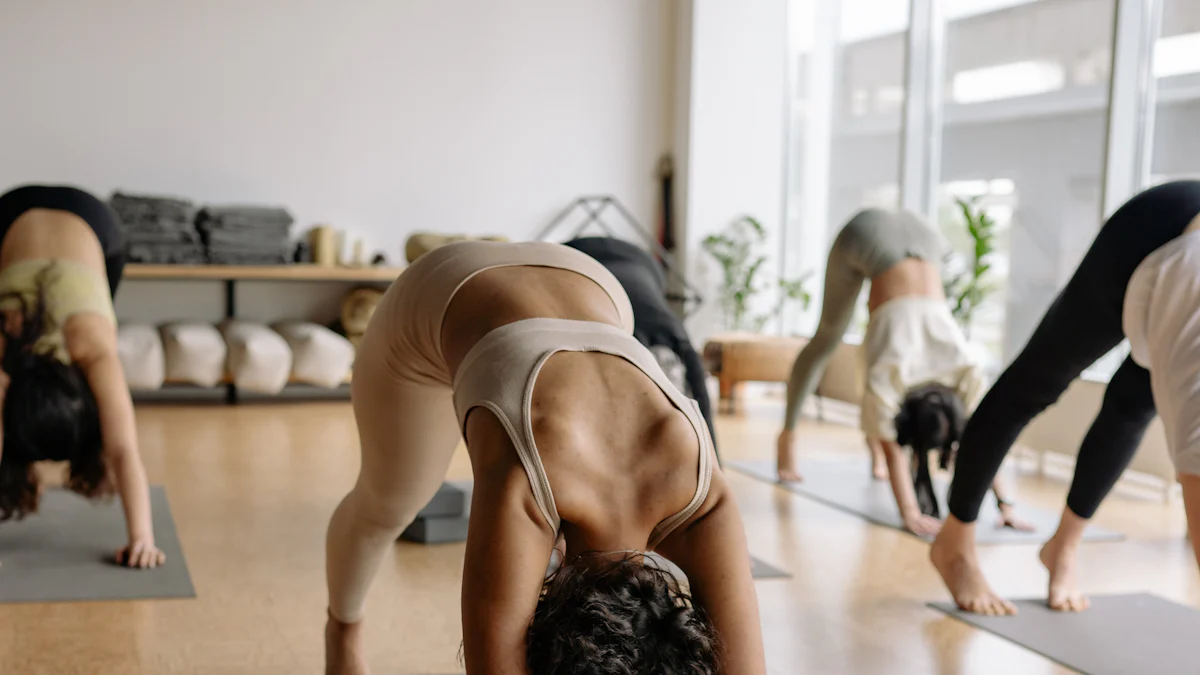
Mastering the yoga dog pose begins with understanding how to get into position correctly. Follow these steps to ensure you start off on the right foot.
Getting into Position
Start on all fours: Place your hands directly under your shoulders and your knees under your hips. This alignment sets the foundation for the yoga dog pose.
Spread your fingers wide: Press your palms firmly into the mat. This action helps distribute your weight evenly and provides stability.
Transitioning to Downward Dog
Tuck your toes under: Lift your hips towards the ceiling. This movement is crucial as it begins to form the inverted V shape characteristic of the yoga dog pose.
Straighten your legs: Aim to create that inverted V shape with your body. Keep your feet hip-width apart for balance and support.
Final Adjustments
Align your ears with your upper arms: Relax your neck. This alignment helps maintain a long spine, which is essential in the yoga dog pose.
Press your heels towards the floor: Engage your core muscles. Even if your heels don't touch the ground, the action of pressing them down enhances the stretch and strengthens your legs.
By following these steps, you can effectively perform the yoga dog pose. Remember, practice makes perfect. With time and consistency, you'll find this pose becoming more comfortable and beneficial in your yoga routine.
Common Mistakes to Avoid
When practicing the Downward Dog pose, you might encounter some common pitfalls. Avoiding these mistakes can enhance your experience and prevent discomfort.
Incorrect Hand Placement
Your hands play a crucial role in maintaining balance and stability in the Downward Dog pose. Placing your hands too close or too far apart can lead to wrist pain and instability. Ensure your hands are shoulder-width apart. Spread your fingers wide and press firmly into the mat. This action distributes your weight evenly and provides a solid foundation.
Overarching the Back
Maintaining a neutral spine is essential in this pose. Overarching your back can cause strain and discomfort. Focus on keeping your spine long and straight. Engage your core muscles to support your back. Imagine a straight line from your tailbone to the crown of your head. This alignment helps you achieve the full benefits of the pose.
Locked Knees
Locking your knees can lead to tension and reduce the effectiveness of the stretch. Keep a slight bend in your knees if needed. This adjustment allows your spine to lengthen and your hamstrings to stretch comfortably. Remember, flexibility varies from person to person. Listen to your body and adjust accordingly.
"Performing downward-facing dog pose helps to correct the mental rhythm, free flowing thought process, and stability," says a yoga expert. This pose not only benefits your physical body but also enhances your mental well-being. By avoiding these common mistakes, you can enjoy a more fulfilling yoga practice.
Benefits of the Downward Dog Pose
The yoga dog pose offers a wide range of benefits that enhance both your physical and mental well-being. By incorporating this pose into your routine, you can experience improvements in strength, flexibility, and mental clarity.
Physical Benefits
Strengthens arms, shoulders, and legs: When you practice the yoga dog pose, you engage multiple muscle groups. Your arms and shoulders bear weight, building strength over time. Your legs also play a crucial role, supporting your body and enhancing muscle tone.
Stretches the hamstrings and calves: The yoga dog pose provides an excellent stretch for your hamstrings and calves. As you press your heels toward the floor, you lengthen these muscles, increasing flexibility. This stretch can help alleviate tension and improve your overall range of motion.
Mental and Emotional Benefits
Calms the mind and relieves stress: The yoga dog pose encourages deep, steady breathing, which helps calm your mind. As you focus on your breath, you can release stress and tension. This calming effect makes the pose a valuable tool for managing daily stressors.
Improves focus and concentration: Holding the yoga dog pose requires concentration and mindfulness. By directing your attention to your alignment and breath, you enhance your ability to focus. This practice can translate to improved concentration in other areas of your life.
Incorporating the yoga dog pose into your practice can lead to significant improvements in both your physical and mental health. By dedicating time to this foundational pose, you can enjoy a more balanced and fulfilling yoga journey.
Variations and Modifications
Exploring different variations and modifications of the Downward Dog pose can enhance your yoga practice. Whether you're a beginner or looking for a challenge, these options can help you tailor the pose to your needs.
Beginner Modifications
Starting with yoga can feel overwhelming, but simple modifications make it accessible.
Use a yoga block under hands for support.
Place a yoga block under each hand. This adjustment elevates your hands, reducing the strain on your wrists and shoulders. It also helps maintain proper alignment, making the pose more comfortable.
Bend knees to reduce strain on hamstrings.
If your hamstrings feel tight, keep a slight bend in your knees. This modification allows your spine to lengthen without discomfort. Over time, as flexibility improves, you can gradually work towards straightening your legs.
Advanced Variations
For those seeking a more challenging practice, try these advanced variations.
Lift one leg for a three-legged Downward Dog.
Raise one leg towards the ceiling while maintaining the inverted V shape. This variation increases the intensity, engaging your core and improving balance. Alternate legs to ensure even strength development.
Transition into a plank for added challenge.
From the Downward Dog pose, shift your weight forward into a plank position. This transition tests your strength and stability. Hold the plank for a few breaths before returning to Downward Dog. This sequence builds endurance and enhances your overall practice.
"Yoga has helped me overcome personal obstacles: the fear of not being good enough; physical pain, anxiety, stressors at work; and the stress of exams, to name a few. As a result, I am passionate about sharing how yoga can help others too."
Incorporating these variations and modifications into your routine can make the Downward Dog pose more adaptable and enjoyable. Whether you're easing into yoga or pushing your limits, these options provide valuable ways to grow in your practice.
Tips for Improving Your Downward Dog Pose
Enhancing your Downward Dog pose can elevate your yoga practice. Here are some practical tips to help you refine this foundational pose.
Consistent Practice
Incorporate the pose into daily yoga routines: Regular practice is key to mastering the Downward Dog pose. Make it a part of your daily yoga routine. Even a few minutes each day can lead to noticeable improvements. Consistency helps build muscle memory, making the pose feel more natural over time.
Focus on Alignment
Use a mirror or instructor feedback to check form: Proper alignment is crucial for maximizing the benefits of the Downward Dog pose. Use a mirror to observe your form. Alternatively, seek feedback from a yoga instructor. They can provide valuable insights and corrections. Correct alignment ensures that you engage the right muscles and avoid unnecessary strain.
"Proper activation of specific sections of the body is crucial for correct pose alignment," say yoga experts. Paying attention to alignment helps you get the most out of your practice.
Breathing Techniques
Synchronize breath with movement for better flow: Breathing plays a vital role in yoga. In the Downward Dog pose, synchronize your breath with your movements. Inhale deeply as you lift your hips and exhale as you settle into the pose. This rhythm enhances the flow and makes the pose more effective. Deep breathing also promotes relaxation and focus.
By incorporating these tips into your practice, you can improve your Downward Dog pose. Remember, yoga is a journey. Embrace the process and enjoy the progress you make along the way.
Regular practice is your key to mastering the Downward Dog pose. Embrace the journey with patience and persistence. You might face challenges, especially as a beginner, but remember that every yogi started somewhere. Modifications and variations can make the pose more accessible, helping you build strength and confidence over time. This foundational pose enhances your overall yoga practice, offering both physical and mental benefits. So, roll out your mat, take a deep breath, and enjoy the process of growth and discovery in your yoga journey.
See Also
A Comprehensive Guide to Perfecting the Yoga Plank
Simple Techniques for Drawing Yoga Poses for Newbies
Beginner-Friendly Tips for Painting Yoga Scenes

Hi my name is Lia and i am your host in this yoga journey in Portugal, Subscribe to our newsletter to receive every week the best of Yoga in Portugal.

We bring back the importance of initiation into womanhood by Roos-Veerle Krijnen & Ella-June Henrard
Welcome to the Women’s Initiation Retreat by Naked Truth Retreats, a transformative journey into the depths of your True Feminine Nature. This retreat invites you to remember the sacredness and wholeness of your being.
Roos-Veerle Krijnen & Ella-June Henrard