Mastering the Yoga Crow Pose: A Step-by-Step Guide

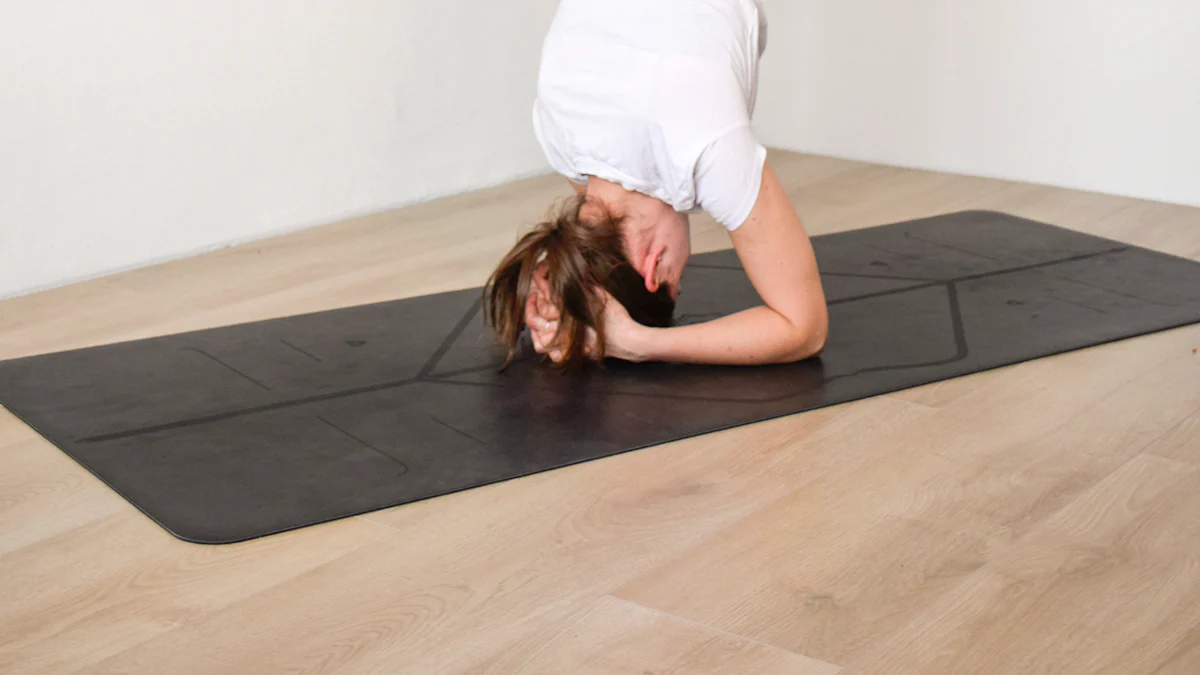
You aspire to master the yoga crow pose, a challenging yet rewarding endeavour. Achieving this requires a focus on correct technique and safety. Proper form ensures you avoid injury while maximising the benefits. The crow pose strengthens your arms, wrists, and hands, enhancing your balance and concentration. It also improves small stabiliser muscles in your hands and forearms. As you progress, you'll notice increased body awareness and control. This pose not only builds physical strength but also cultivates mental focus, opening the door to more advanced arm balance poses.
Building a Strong Foundation
To master the yoga crow pose, you must first build a strong foundation. This involves preparing your body with specific poses that enhance strength, flexibility, and balance. By focusing on these preparatory exercises, you will develop the necessary skills to perform the crow pose with confidence and precision.
Preparatory Poses for Strength
Plank Pose
The plank pose serves as an excellent starting point for building the strength required for the yoga crow pose. In this position, you engage your core, arms, and shoulders, which are crucial for maintaining balance in the crow pose. Begin by placing your hands directly under your shoulders, keeping your body in a straight line from head to heels. Hold this position, ensuring your core remains tight and your back does not sag. Regular practice of the plank pose will significantly enhance your upper body strength.
Chaturanga Dandasana
Chaturanga Dandasana, or the four-limbed staff pose, further strengthens your arms and core. This pose mimics the arm positioning needed in the yoga crow pose. Start in a plank position, then lower your body halfway down, keeping your elbows close to your sides. Your body should remain parallel to the floor. This exercise not only builds strength but also improves your control and stability, essential for achieving the crow pose.
Flexibility and Balance Exercises
Garland Pose
Flexibility plays a vital role in mastering the yoga crow pose. The garland pose, or Malasana, helps open your hips and stretch your lower back. Begin by squatting with your feet slightly wider than your hips. Bring your palms together at your chest and use your elbows to gently press your knees apart. This pose increases flexibility in your hips and ankles, making it easier to transition into the crow pose.
Downward-Facing Dog
The downward-facing dog is a staple in yoga practice, promoting both flexibility and balance. This pose stretches your hamstrings, calves, and shoulders, preparing your body for the demands of the yoga crow pose. Start on your hands and knees, then lift your hips towards the ceiling, forming an inverted V-shape. Keep your hands shoulder-width apart and your feet hip-width apart. This exercise enhances your overall balance and prepares your body for more complex poses.
By incorporating these preparatory poses into your routine, you lay a solid foundation for mastering the yoga crow pose. Each exercise targets specific muscle groups and improves your flexibility, ensuring you approach the crow pose with strength and confidence.
Step-by-Step Guide to the Yoga Crow Pose
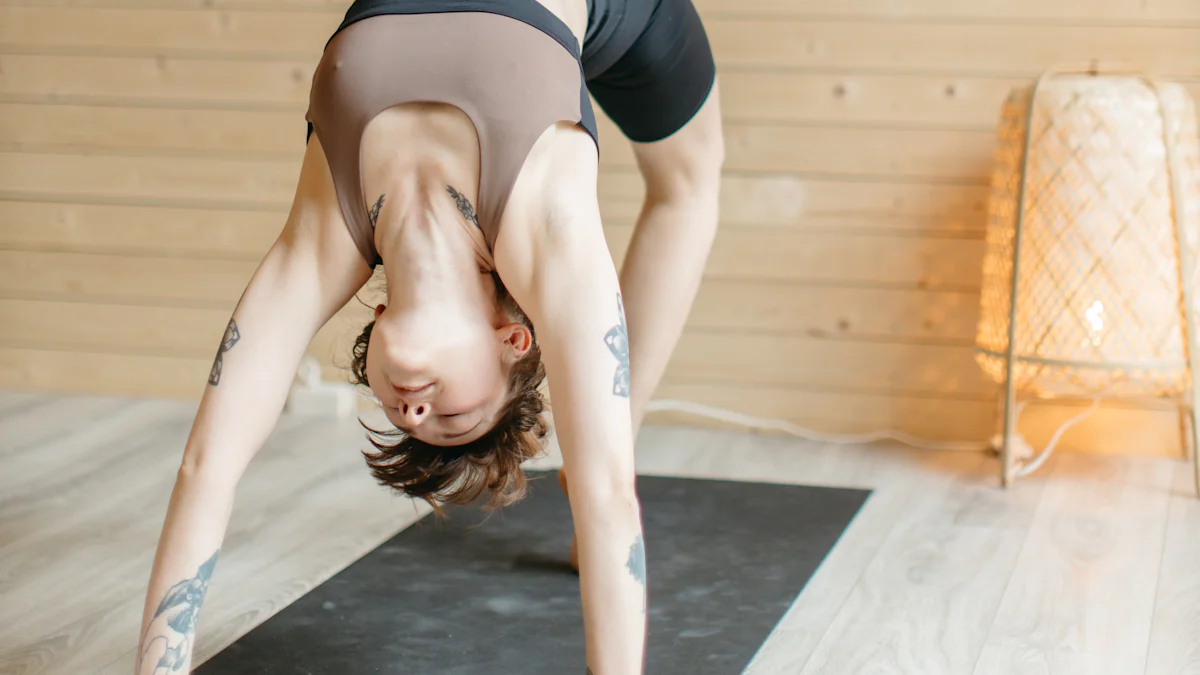
Mastering the yoga crow pose requires a systematic approach. This guide will walk you through each step, ensuring you build confidence and skill.
Getting into Position
Starting from a Squat
Begin by positioning yourself in a squat. Your feet should be slightly apart, wider than your hips. This stance provides a stable base. As you squat, keep your heels on the ground if possible. If not, it's acceptable to rise onto the balls of your feet. This initial position is crucial for transitioning smoothly into the yoga crow pose.
Placing Hands and Knees
Place your hands flat on the floor, about 6 to 8 inches in front of your feet. Ensure they are shoulder-width apart. Spread your fingers wide to create a strong foundation. Your knees should rest on the back of your upper arms, near your triceps. This placement helps distribute your weight evenly, which is essential for balance.
Lifting Off
Engaging Core Muscles
Engage your core muscles by drawing your navel towards your spine. This action stabilises your body and supports your lift. As Gwen Lawrence, a renowned yoga instructor, advises, focus on how the position feels rather than how it looks. This mindfulness enhances your strength and stability, crucial for the yoga crow pose.
Finding Balance
Shift your weight forward gradually. As you do this, lift one foot off the ground, followed by the other. Maintain your gaze on a fixed point ahead to help with balance. Jason Crandell, a respected yoga teacher, suggests that this approach allows you to translate your strength and stability into the traditional crow pose effectively. Keep your elbows bent and your core engaged. This posture helps you find equilibrium and maintain the pose.
“It is much more effective to focus on what a position feels like and not what it looks like,” recommends yoga instructor Gwen Lawrence.
Practising these steps regularly will enhance your ability to perform the yoga crow pose with ease. Remember, consistency is key. As you progress, you'll notice improvements in your balance and strength, making the yoga crow pose a rewarding part of your practice.
Overcoming Common Challenges
Mastering the yoga crow pose can present several challenges, but with the right approach, you can overcome them. This section provides practical tips to help you maintain balance and address the fear of falling, ensuring a smoother journey towards mastering this pose.
Tips for Maintaining Balance
Achieving balance in the yoga crow pose requires focus and strength. Here are some strategies to help you maintain stability:
Focus on a Fixed Point
When you attempt the yoga crow pose, direct your gaze to a fixed point on the floor in front of you. This technique, known as "drishti" in yoga, helps stabilise your mind and body. By concentrating on a single spot, you reduce distractions and enhance your balance. This focus not only aids in maintaining the pose but also improves your overall body awareness and control.
Use of Core Strength
Your core plays a crucial role in balancing during the yoga crow pose. Engage your abdominal muscles by pulling your navel towards your spine. This action provides the necessary support to lift your feet off the ground and maintain the pose. Regularly practising core-strengthening exercises will enhance your ability to hold the crow pose with confidence. As you develop stronger core muscles, you'll find it easier to explore more advanced arm balance poses.
Addressing Fear of Falling
Fear of falling is a common concern when learning the yoga crow pose. However, with the right precautions, you can build confidence and reduce anxiety.
Practising on a Soft Surface
Start practising the yoga crow pose on a soft surface, such as a yoga mat or a carpet. This cushioning provides a safety net, reducing the impact if you lose balance and fall. Knowing that you have a soft landing spot can alleviate fear and encourage you to take risks necessary for progress. As you become more comfortable, you can transition to practising on harder surfaces.
Using a Spotter
Having a spotter nearby can significantly boost your confidence. A friend or yoga instructor can offer physical support and guidance as you attempt the yoga crow pose. They can help you find the correct alignment and provide reassurance, making the learning process less daunting. With their assistance, you can focus on mastering the pose without the fear of falling.
"Mastering the crow pose builds confidence and enhances body control," says yoga expert Jason Crandell. By overcoming these challenges, you open the door to more advanced arm balance poses and improve your awareness of your body in space.
By implementing these strategies, you can tackle the common challenges associated with the yoga crow pose. Remember, persistence and patience are key. With regular practice, you'll gain the confidence and skills needed to master this rewarding pose.
Modifications and Advanced Variations
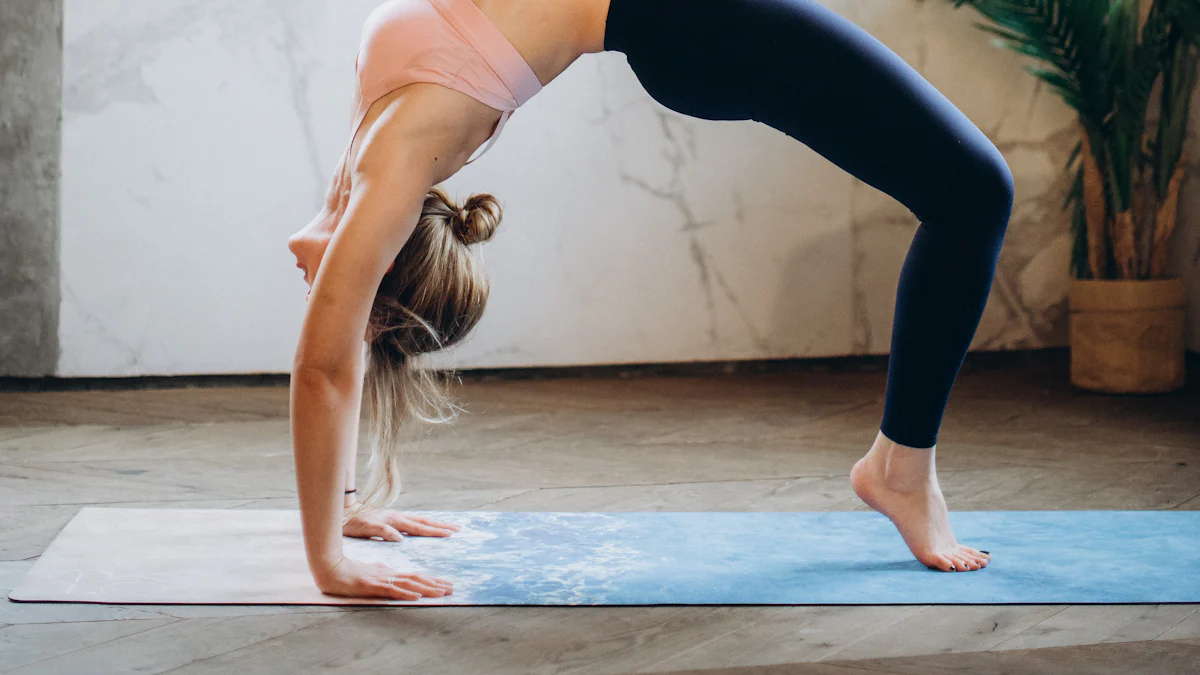
Mastering the yoga crow pose can be a journey, and modifications can make this journey smoother for beginners. Meanwhile, advanced variations offer seasoned practitioners new challenges. Let's explore both.
Beginner-Friendly Modifications
When you're starting with the yoga crow pose, modifications can help you build confidence and strength.
Using Blocks for Support
Yoga blocks provide excellent support as you learn the yoga crow pose. Place a block under your feet to elevate your hips. This elevation makes it easier to find balance. The block acts as a stepping stone, helping you transition into the pose with more ease. As you gain confidence, gradually reduce your reliance on the block until you can perform the pose without it.
Practising with a Wall
A wall can be a valuable tool when practising the yoga crow pose. Position yourself near a wall so that your head faces it. This setup offers a sense of security, reducing the fear of falling forward. As you shift your weight onto your hands, the wall provides a gentle reminder of your boundaries. Over time, you'll develop the strength and balance needed to move away from the wall and perform the pose independently.
"The single best modification I used when learning crow was using a yoga bolster to protect my face from falling flat on the floor in front of me," shares an experienced yogi. A bolster can serve as a safety net, allowing you to focus on balance without the fear of injury.
Advanced Variations for Experienced Yogis
Once you've mastered the basic yoga crow pose, you might seek more challenging variations to enhance your practice.
One-Legged Crow Pose
The one-legged crow pose adds an extra layer of difficulty to the traditional yoga crow pose. Begin in the standard crow position. Gradually extend one leg behind you while maintaining balance on your hands. This variation demands greater core strength and concentration. Practising this pose regularly will improve your overall stability and control.
Flying Crow Pose
The flying crow pose represents a pinnacle of arm balance poses. From the crow position, extend both legs back, parallel to the floor. This advanced variation requires significant upper body strength and balance. As you lift into the flying crow pose, engage your core and focus on a fixed point to maintain stability. Mastering this pose not only enhances your physical strength but also boosts your mental focus and determination.
By incorporating these modifications and advanced variations into your practice, you can tailor the yoga crow pose to your skill level. Whether you're a beginner seeking support or an experienced yogi looking for a challenge, these options provide valuable opportunities for growth and development.
Cooling Down with Counter Poses
After practising the yoga crow pose, it's essential to cool down with counter poses. These exercises help your body recover and maintain balance. They also promote relaxation and flexibility, ensuring you end your session on a positive note.
Gentle Stretches
Gentle stretches play a crucial role in cooling down. They help release tension and improve flexibility.
Child's Pose
The child's pose offers a soothing stretch for your back and hips. Begin by kneeling on the floor. Sit back on your heels and extend your arms forward. Rest your forehead on the mat. This position allows your body to relax and your mind to calm. It gently stretches your spine and shoulders, promoting a sense of peace.
Seated Forward Bend
The seated forward bend stretches your hamstrings and lower back. Sit with your legs extended in front of you. Inhale deeply, then exhale as you reach forward, aiming to touch your toes. Keep your spine straight and focus on your breath. This pose enhances flexibility and helps release any remaining tension from your practice.
Relaxation Techniques
Incorporating relaxation techniques into your routine aids in calming your mind and body. These methods enhance your overall yoga experience.
Savasana
Savasana, or the corpse pose, is a classic relaxation technique. Lie flat on your back with your arms at your sides. Close your eyes and breathe deeply. Allow your body to sink into the mat. This pose encourages complete relaxation and helps integrate the benefits of your practice. It also balances your energy, leaving you refreshed.
Deep Breathing Exercises
Deep breathing exercises further promote relaxation. Sit comfortably and close your eyes. Inhale slowly through your nose, filling your lungs. Exhale gently through your mouth. Focus on your breath and let go of any stress. This practice calms your mind and enhances your body's recovery.
"Counterposes in yoga aim to ensure physical and energetic balance in the body after a yoga practice." By incorporating these counter poses and relaxation techniques, you support your body's recovery and maintain balance. Regular practice of these exercises will enhance your flexibility and overall well-being.
Mastering the crow pose requires regular and patient practice. You must listen to your body and prioritise safety. This journey involves overcoming fears and challenges, but perseverance leads to success. As you progress, you'll build strength and confidence, opening doors to more advanced poses. Remember, each step forward enhances your body awareness and control. With dedication, you can achieve this rewarding pose. Embrace the process, and trust in your ability to master the crow pose. Your commitment will transform your practice and empower you on your yoga journey.
See Also
A Comprehensive Guide To Perfecting The Crow Pose
Solving Crossword Clues For Yoga Poses Made Easy
Essential Advice For Designing An Ideal Yoga Class

Hi my name is Lia and i am your host in this yoga journey in Portugal, Subscribe to our newsletter to receive every week the best of Yoga in Portugal.

We bring back the importance of initiation into womanhood by Roos-Veerle Krijnen & Ella-June Henrard
Welcome to the Women’s Initiation Retreat by Naked Truth Retreats, a transformative journey into the depths of your True Feminine Nature. This retreat invites you to remember the sacredness and wholeness of your being.
Roos-Veerle Krijnen & Ella-June Henrard