Mastering the Balasana Pose in Yoga

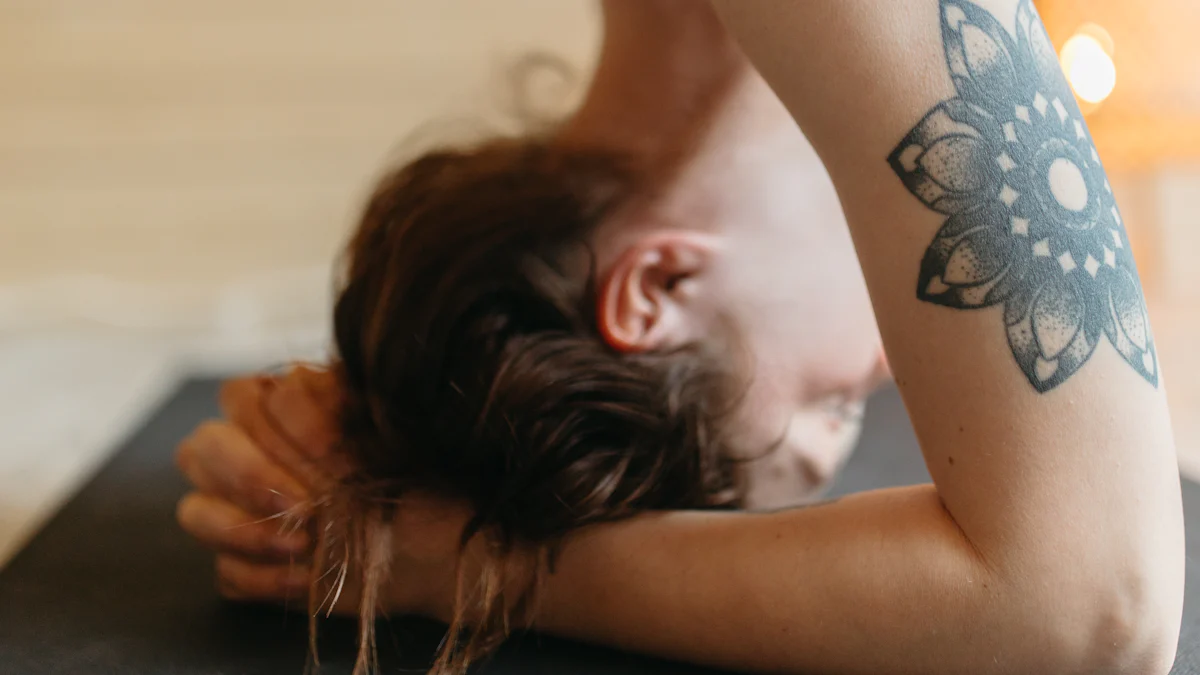
Balasana, or the yoga balasana pose, is a gentle and restorative position that offers numerous benefits. This pose helps you relax and calm your mind, making it an excellent choice for stress relief. By stretching your spine and hips, it alleviates tension in your back and shoulders. Practising Balasana can also improve digestion and enhance mental focus. Additionally, it soothes muscles, promoting better sleep. Whether you're a beginner or an experienced yogi, incorporating this pose into your routine can significantly contribute to your overall well-being.
Understanding the Yoga Balasana Pose
Definition and Origin
The yoga balasana pose, commonly known as Child's Pose, is a gentle resting position that has become a staple in modern yoga practice. Although it is widely practised today, the pose does not appear in ancient yoga texts. Instead, it gained popularity in the 20th century as yoga evolved and adapted to contemporary needs. The name "Balasana" comes from Sanskrit, where "bala" means child and "asana" means pose. This name reflects the pose's resemblance to a foetal position, symbolising innocence and restfulness.
Importance in Yoga Practice
Incorporating the yoga balasana pose into your routine offers numerous benefits. It serves as a restorative posture, allowing you to pause and recharge during a yoga session. This pose gently stretches the hips, thighs, and ankles, promoting flexibility and easing tension. By practising Balasana, you can also enhance your mental focus and mindfulness. The pose encourages you to connect with your breath, fostering a sense of calm and relaxation.
Balasana is particularly valuable for beginners, providing a safe and accessible way to engage with yoga. It allows you to listen to your body and understand its limits. For experienced practitioners, it acts as a transitional pose, offering a moment of rest between more challenging asanas. By integrating Balasana into your practice, you can cultivate a balanced and holistic approach to yoga, enhancing both physical and mental well-being.
How to Perform the Yoga Balasana Pose
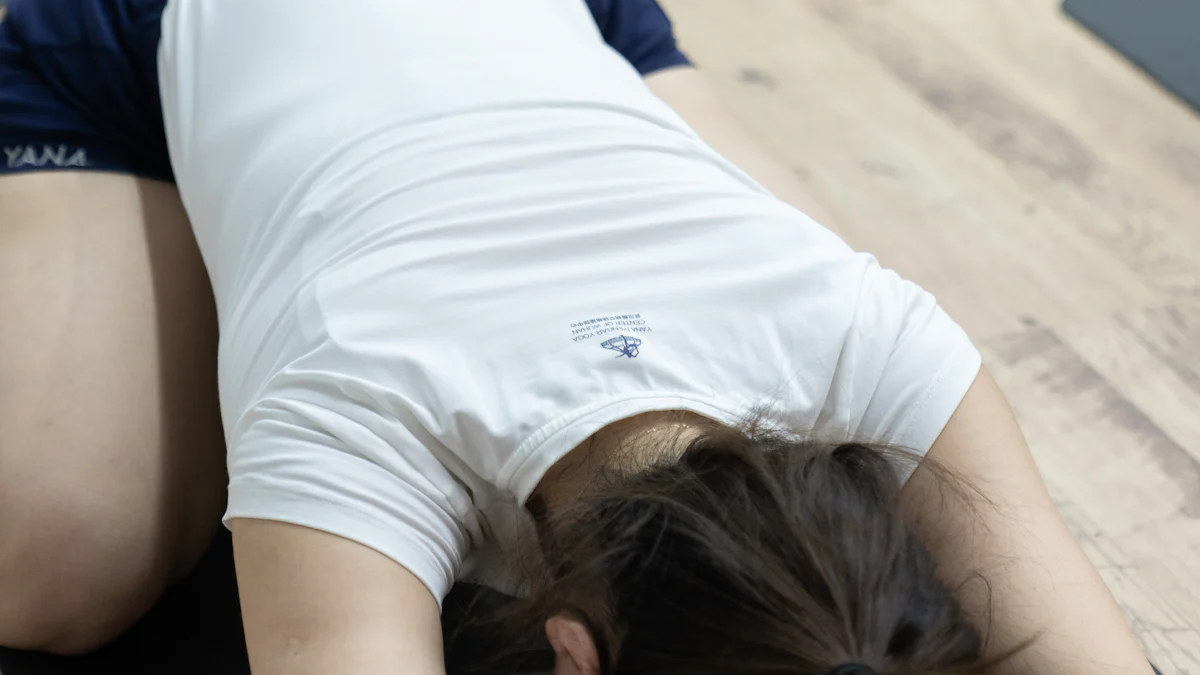
Mastering the yoga balasana pose requires understanding its steps and nuances. This guide will help you perform it effectively, ensuring you gain the maximum benefits.
Step-by-Step Guide
Starting Position
Kneel on the Mat: Begin by kneeling on your yoga mat. Keep your knees hip-width apart and your big toes touching.
Sit Back on Your Heels: Gently lower your hips to rest on your heels. Ensure your spine remains straight.
Transitioning into the Pose
Lean Forward: As you exhale, lean your torso forward. Extend your arms in front of you or let them rest alongside your body.
Rest Your Forehead: Allow your forehead to touch the mat. This position helps calm your mind and focus your breath.
Holding the Pose
Breathe Deeply: Inhale and exhale slowly. Focus on your breath, allowing it to relax your body.
Maintain the Position: Hold the yoga balasana pose for several breaths. Feel the gentle stretch in your back and hips.
Exiting the Pose
Lift Your Torso: Slowly lift your torso back to the starting position.
Return to Kneeling: Sit back on your heels, maintaining a straight spine.
Tips for Beginners
Using Props for Support
Blankets or Cushions: Place a blanket or cushion under your knees or forehead for added comfort. This support can make the yoga balasana pose more accessible.
Blocks: Use yoga blocks under your hands if reaching the floor is challenging.
Adjusting for Comfort
Knee Position: If your knees feel strained, widen them slightly. This adjustment can alleviate pressure.
Breath Awareness: Focus on your breathing. It enhances the calming effects of the yoga balasana pose.
Dr Mickey Mehta, a fitness expert, suggests that the yoga balasana pose not only calms the mind but also stretches the body. This dual benefit makes it an excellent choice for relaxation and mental clarity.
Incorporating these steps and tips will help you perform the yoga balasana pose with ease. Whether you're a beginner or seasoned practitioner, this pose offers a moment of peace and rejuvenation.
Benefits of the Balasana Pose
The yoga balasana pose, also known as Child's Pose, offers a multitude of benefits that enhance both physical and mental well-being. By incorporating this pose into your routine, you can experience a range of positive effects.
Physical Benefits
Stretching and Relaxation
The yoga balasana pose provides a gentle stretch to the hips, thighs, and ankles. This stretch helps in releasing tension and promoting relaxation throughout your body. As you settle into the pose, you will feel the muscles on the front and back of your body relax. This relaxation can alleviate fatigue and soothe any discomfort in your back and neck. By regularly practising this pose, you can maintain flexibility and ease muscle tension.
Improving Flexibility
Flexibility is crucial for overall physical health, and the yoga balasana pose plays a significant role in enhancing it. The pose gently stretches your spine and hips, contributing to improved flexibility over time. As you hold the pose, your muscles gradually become more pliable, allowing for greater range of motion. This increased flexibility can benefit your performance in other yoga poses and physical activities.
Mental Health Benefits
Stress Relief
In today's fast-paced world, stress relief is essential. The yoga balasana pose offers a sanctuary of calmness. As you rest your forehead on the mat, you activate the spot between your eyebrows, known as the third eye. This activation helps calm your mind and reduce stress levels. By focusing on your breath while in the pose, you can further enhance its stress-relieving effects. Regular practice of the yoga balasana pose can lead to a more relaxed and peaceful state of mind.
Promoting Mindfulness
Mindfulness involves being present in the moment, and the yoga balasana pose encourages this practice. As you settle into the pose, you become more aware of your breath and body. This awareness fosters a sense of mindfulness, allowing you to connect with your inner self. By practising mindfulness through the yoga balasana pose, you can improve your mental focus and clarity. This heightened awareness can positively impact various aspects of your life, from decision-making to emotional well-being.
Health Shots highlights that the yoga balasana pose not only relieves stress but also improves mental focus. This dual benefit makes it an excellent choice for those seeking both physical and mental rejuvenation.
Incorporating the yoga balasana pose into your routine can significantly enhance your overall well-being. Whether you seek physical relaxation or mental clarity, this pose offers a holistic approach to health. Embrace the benefits of the yoga balasana pose and experience the positive changes it brings to your life.
Contraindications and Safety Precautions
When practising the yoga balasana pose, you should be aware of certain health conditions and safety measures. This ensures that you perform the pose safely and effectively.
Health Conditions to Consider
Knee or Hip Issues
If you have knee or hip problems, approach the yoga balasana pose with caution. The pose involves kneeling and sitting back on your heels, which can put pressure on your knees. You might experience discomfort if you have existing knee issues. To alleviate this, place a soft cushion or folded blanket under your knees. This support can reduce strain and make the pose more comfortable.
Yogateket advises caution for individuals with knee problems when practising Balasana. The pressure on the knees and kneecap can be significant, so modifications are essential.
Pregnancy Considerations
Pregnant individuals should also take care when performing the yoga balasana pose. As your pregnancy progresses, your belly may make it challenging to lean forward comfortably. You can modify the pose by widening your knees to create space for your belly. Alternatively, use a bolster or pillow to support your torso. This adjustment allows you to enjoy the benefits of the pose without discomfort.
Safety Tips
Listening to Your Body
Always listen to your body when practising yoga. If you feel any pain or discomfort during the yoga balasana pose, stop immediately. Pain is a signal that something is not right. Adjust your position or use props to make the pose more comfortable. Remember, yoga should never cause pain.
Modifying the Pose
Modifications can make the yoga balasana pose accessible to everyone. Use props like blankets, cushions, or yoga blocks to support your body. These tools can help you maintain proper alignment and reduce strain. For example, if reaching the floor is difficult, place a block under your forehead. This modification allows you to experience the calming effects of the pose without overexerting yourself.
Omstars highlights that Balasana is beneficial for relaxation and centering the body. However, modifications are crucial for those with knee issues to avoid unnecessary pressure.
By considering these health conditions and safety tips, you can practise the yoga balasana pose safely. Always prioritise your comfort and well-being during your yoga practice.
Common Mistakes and How to Avoid Them
When practising the Balasana pose, you might encounter some common mistakes. Recognising these errors can help you refine your technique and maximise the benefits of this restorative pose.
Incorrect Alignment
Incorrect alignment often occurs when you do not position your body properly. You might find your hips lifted too high or your forehead not touching the mat. This misalignment can reduce the effectiveness of the pose and cause discomfort.
Solution: Focus on lowering your hips towards your heels. Allow your forehead to rest gently on the mat. If needed, use a cushion or block to support your head. This adjustment ensures proper alignment and enhances relaxation.
Overstretching
Overstretching happens when you push your body beyond its limits. You might feel strain in your back or hips if you stretch too far. This can lead to injury and hinder your progress.
Solution: Listen to your body. Move into the pose slowly and stop when you feel a gentle stretch. Avoid forcing your body into a deeper position. Remember, yoga is about finding balance and comfort, not pushing through pain.
Holding the Breath
Holding your breath is a common mistake that can occur during the Balasana pose. You might forget to breathe deeply as you focus on the pose. This can increase tension and reduce the calming effects of the pose.
Solution: Pay attention to your breath. Inhale deeply through your nose and exhale slowly. Maintain a steady breathing rhythm throughout the pose. This practice enhances relaxation and helps you connect with your body.
Dr Mickey Mehta, a fitness expert, emphasises that Balasana does more than just calm the mind. It also stretches the body, making it crucial to avoid these common mistakes for maximum benefit.
By addressing these common mistakes, you can improve your Balasana practice. Focus on alignment, avoid overstretching, and maintain breath awareness. These adjustments will help you experience the full benefits of this soothing pose.
Variations and Incorporating Balasana into Your Routine
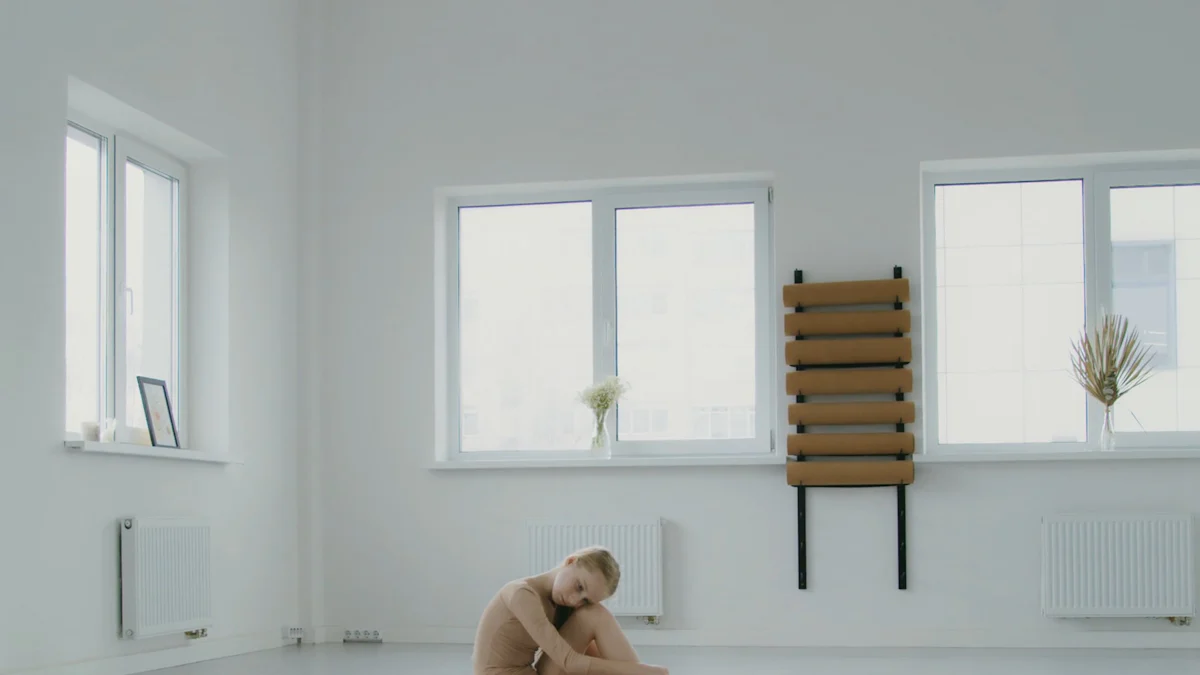
The yoga balasana pose, also known as Child's Pose, offers several variations that can enhance your practice. These variations allow you to tailor the pose to your needs, providing comfort and maximising benefits.
Variations of the Pose
Wide-Knee Child's Pose
In the Wide-Knee Child's Pose, you spread your knees apart while keeping your big toes touching. This variation creates more space for your torso, making it easier to lean forward. It provides a deeper stretch for your hips and can be particularly beneficial if you have tightness in this area. By practising this variation, you can also relieve tension in your lower back and improve flexibility.
Supported Child's Pose
The Supported Child's Pose involves using props like bolsters or cushions to support your body. Place a bolster under your torso to ease pressure on your back and neck. This support allows you to relax more deeply into the yoga balasana pose. You can also use a folded blanket under your knees if you experience discomfort. This variation is excellent for stress relief and can help you unwind after a long day.
Balasana, when supported with props, can significantly reduce back and neck pain. It also enhances relaxation by allowing your body to rest fully.
Integrating into Yoga Practice
Incorporating the yoga balasana pose into your routine can enhance your overall yoga practice. It serves as both a restorative and transitional pose, offering versatility and balance.
As a Restorative Pose
Use the yoga balasana pose as a restorative posture to calm your mind and body. It helps decrease your pulse and allows your muscles to relax. Practising this pose at the end of your yoga session can help you cool down and centre yourself. The gentle stretch it provides can alleviate fatigue and promote a sense of peace.
As a Transition Pose
The yoga balasana pose also acts as an effective transition between more challenging asanas. It offers a moment of rest, allowing you to gather strength before moving on. By integrating it into your practice, you can maintain a balanced flow and prevent overexertion. This approach ensures that you stay connected with your breath and body throughout your session.
Natalia Ningthoujam highlights that the yoga balasana pose is ideal for relaxation and stress relief. Its simplicity makes it a valuable addition to any yoga routine.
By exploring these variations and incorporating the yoga balasana pose into your practice, you can experience its full range of benefits. Whether you seek relaxation or a seamless transition between poses, this versatile pose can enhance your yoga journey.
Mastering the yoga balasana pose is essential for enhancing your yoga practice. This pose offers numerous benefits, including relaxation and stress relief. As Dr Mickey Mehta says, "Doing balasana is like being a child — relaxed, calm and composed." By incorporating the yoga balasana pose into your routine, you can improve your overall well-being. Regular practice helps you connect with your inner self and promotes personal growth. Embrace the journey of yoga and let the yoga balasana pose guide you towards a more balanced and fulfilling life.
See Also
A Comprehensive Guide To Perfecting Balasana
Achieving Mastery In The Pigeon Yoga Pose
Perfecting The Lotus Pose: A Yoga Guide
Hi my name is Lia and i am your host in this yoga journey in Portugal, Subscribe to our newsletter to receive every week the best of Yoga in Portugal.

We bring back the importance of initiation into womanhood by Roos-Veerle Krijnen & Ella-June Henrard
Welcome to the Women’s Initiation Retreat by Naked Truth Retreats, a transformative journey into the depths of your True Feminine Nature. This retreat invites you to remember the sacredness and wholeness of your being.
Roos-Veerle Krijnen & Ella-June Henrard