Mastering Upside Down Yoga Safely at Home

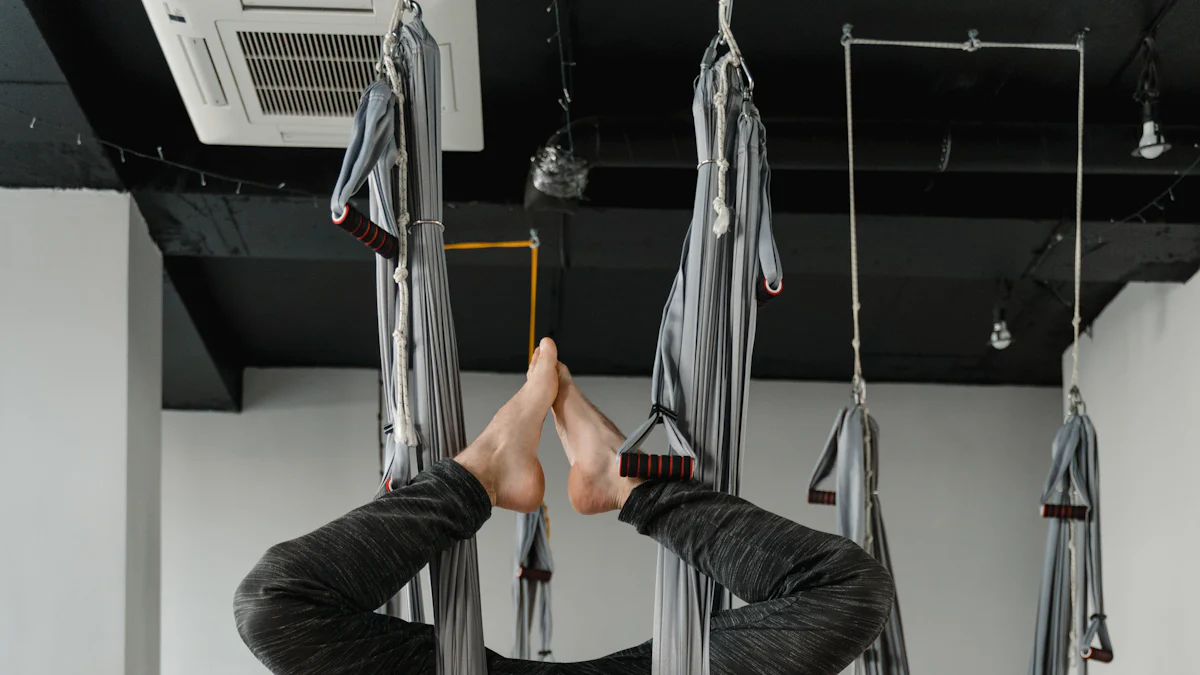
Upside down yoga, often referred to as inversions, involves poses where your heart is above your head. These poses offer numerous benefits. You can experience increased blood circulation, improved flexibility, and enhanced strength. Inversions also stimulate your nervous system, promoting mental clarity and boosting self-confidence. However, practicing these poses safely is crucial. Always prioritize safety and mindfulness to prevent injuries. By focusing on proper alignment and listening to your body, you can enjoy the full benefits of upside down yoga while maintaining a safe practice environment.
Understanding the Basics of Upside Down Yoga
What is Upside Down Yoga?
Definition and history
Upside down yoga, often called inversions, involves poses where your heart is positioned above your head. This practice has roots in ancient yoga traditions, where yogis believed that reversing the body's natural orientation could bring about physical and spiritual benefits. Over time, these poses have evolved, becoming a staple in modern yoga practices. You might find them in various yoga styles, each offering a unique approach to mastering these challenging positions.
Common types of inversions
When you dive into upside down yoga, you'll encounter several common inversions. These include the Headstand (Sirsasana), Shoulder Stand (Sarvangasana), and Handstand (Adho Mukha Vrksasana). Each pose requires different levels of strength and balance. As a beginner, you might start with simpler inversions like the Downward Dog (Adho Mukha Svanasana) before progressing to more advanced poses. Practicing these regularly helps you build the necessary skills and confidence.
Benefits of Inversions
Physical benefits
Engaging in upside down yoga offers numerous physical benefits. By practicing inversions, you can improve your circulation, allowing blood to flow more efficiently throughout your body. This increased circulation can enhance your energy levels and boost your overall vitality. Additionally, inversions help improve flexibility and strength, particularly in your core and upper body. Regular practice can lead to better posture and increased muscle tone.
Mental and emotional benefits
Beyond the physical advantages, upside down yoga also provides mental and emotional benefits. Inversions can stimulate your nervous system, leading to increased alertness and mental clarity. You may find that these poses help reduce stress and anxiety, promoting a sense of calm and relaxation. Moreover, successfully holding an inversion can boost your self-esteem and confidence, empowering you to tackle challenges both on and off the mat.
Safety First: Precautions and Preparations
Assessing Your Space
Choosing a Safe Area
Before you dive into upside down yoga, make sure your practice area is safe. Look for a space with enough room to move freely. Avoid clutter and sharp objects. A clear, open area helps prevent accidents. You might want to practice on a yoga mat for added grip and comfort.
Necessary Equipment
Having the right equipment can make a big difference. Consider using props like yoga blocks or straps. These tools provide support and help you maintain proper alignment. A sturdy wall can also be a great aid, especially for beginners. It offers stability as you build confidence in your inversions.
Health Considerations
Consulting with a Professional
It's wise to consult with a yoga instructor or healthcare professional before starting inversions. They can offer personalized advice based on your health and fitness level. Various Yoga Experts emphasize the importance of practicing under supervision, especially if you're new to these poses.
"It is generally recommended to practice yoga inversion poses under the supervision of a teacher."
Understanding Personal Limits
Knowing your limits is key to a safe practice. Listen to your body and avoid pushing beyond your comfort zone. Yoga experts remind us that maintaining a safe practice involves understanding your body's capabilities.
"Maintaining a safe practice is all about knowing your body and its limits."
By taking these precautions, you create a supportive environment for your yoga journey. Remember, safety and mindfulness go hand in hand.
Starting with Simple Inversions
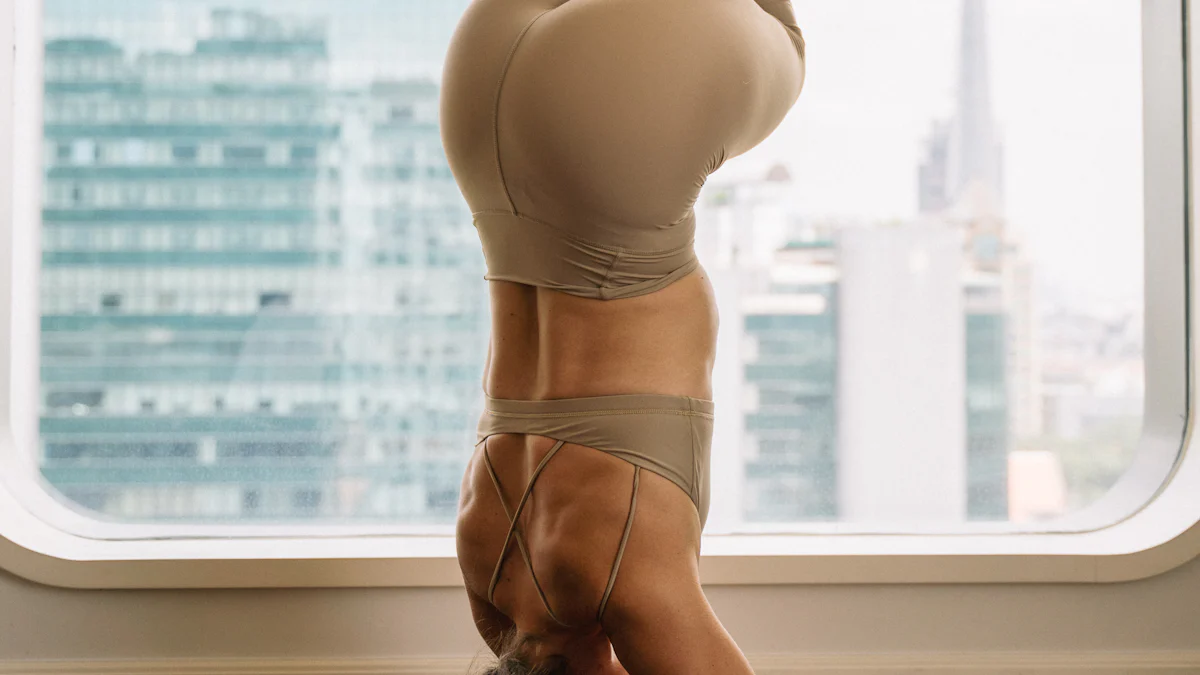
Beginner Poses
Downward Dog
Start your upside down yoga journey with the Downward Dog. This pose is a staple in many yoga practices. Place your hands under your shoulders and your knees under your hips. Press down on your hands and straighten your legs, lifting your pelvis to form an upside-down 'V'. This position helps build strength in your arms and shoulders while stretching your hamstrings and calves. It's a great way to ease into inversions.
Supported Shoulder Stand
The Supported Shoulder Stand offers a gentle introduction to more advanced inversions. Lie on your back and lift your legs toward the ceiling. Use your hands to support your lower back, keeping your elbows on the ground. This pose improves circulation and strengthens your core. Remember to keep your neck relaxed and avoid turning your head to prevent strain.
Building Confidence
Using Props
Props can be your best friends when starting with inversions. Yoga blocks, straps, or even a sturdy wall can provide the support you need. These tools help you maintain proper alignment and balance. For example, placing a block under your hips in the Supported Shoulder Stand can make the pose more accessible. Props give you the confidence to explore new poses safely.
Practicing with a Partner
Practicing with a partner adds an element of fun and safety. A partner can offer support and guidance, helping you find balance in challenging poses. They can also provide feedback on your alignment. Plus, sharing a laugh when you wobble or fall out of a pose can boost your confidence. As one yoga enthusiast noted, mastering new challenges or even having a good laugh when falling can enhance your mental growth.
Progressing to Advanced Poses
As you gain confidence in upside down yoga, you might feel ready to tackle more challenging poses. Progressing to advanced inversions requires patience and practice. Let's explore some intermediate and advanced techniques that can elevate your yoga journey.
Intermediate Inversions
Headstand
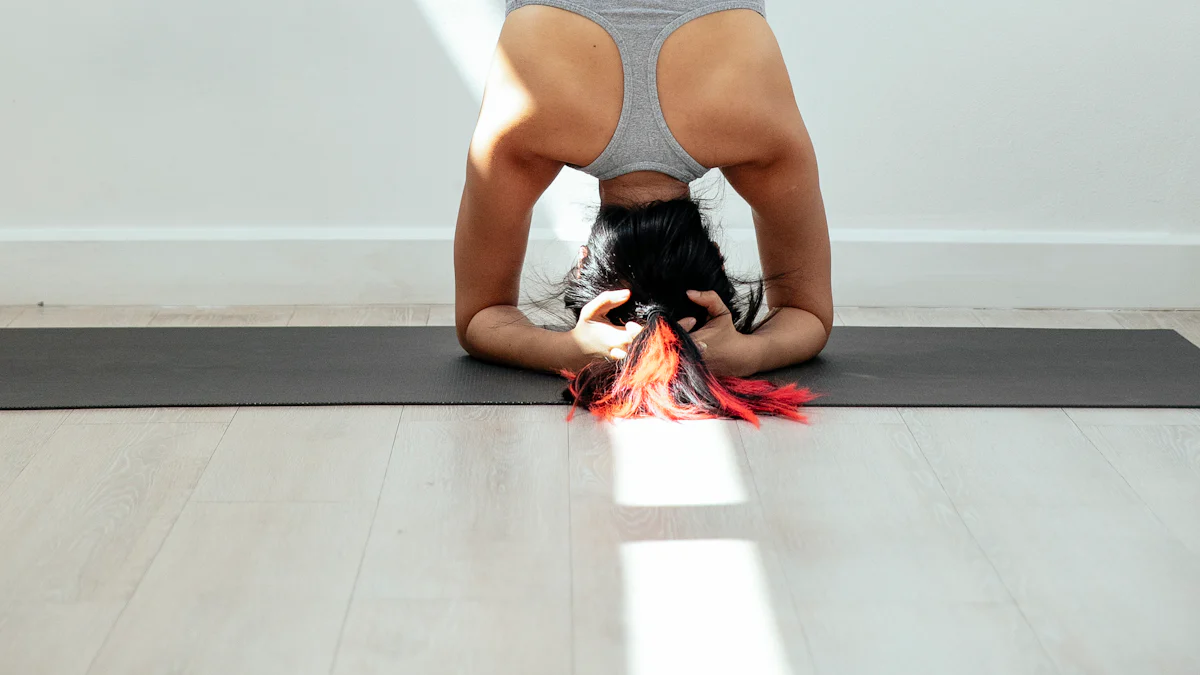
The Headstand, often called the "king of yoga poses," is a significant milestone in upside down yoga. To begin, kneel on your mat and interlace your fingers, placing your forearms on the ground. Rest the crown of your head between your hands. Slowly lift your knees off the floor, straightening your legs as you walk your feet closer to your body. Engage your core and gently lift your legs toward the ceiling. Balance is key here, so take your time. One inspiring story involves a practitioner who conquered the Headstand at age 61 through dedicated Sivananda yoga practice. This shows that with perseverance, you can achieve this pose at any age.
Forearm Stand
The Forearm Stand offers a unique challenge, requiring strength and balance. Start by placing your forearms on the mat, shoulder-width apart. Interlock your fingers and tuck your toes under. Lift your hips and walk your feet closer to your body. Kick one leg up, followed by the other, engaging your core to maintain stability. This pose strengthens your shoulders and core, preparing you for more advanced inversions. Remember, practice makes perfect, so don't rush the process.
Advanced Techniques
Handstand
The Handstand is a pinnacle of upside down yoga, demanding strength, balance, and focus. Begin in a downward dog position, then walk your feet closer to your hands. Shift your weight onto your hands and kick one leg up, followed by the other. Engage your core and find your balance. Practicing against a wall can provide support as you build confidence. Handstands not only enhance physical strength but also boost mental resilience.
Transitioning Between Poses
Transitioning smoothly between inversion poses adds fluidity to your practice. Start by mastering the transitions between simpler poses like Downward Dog and Supported Shoulder Stand. As you progress, work on moving from a Headstand to a Forearm Stand or Handstand. Focus on maintaining control and alignment throughout each transition. This skill enhances your overall yoga practice, allowing you to flow seamlessly from one pose to another.
Embrace the journey of mastering these advanced poses. Upside down yoga challenges your body and mind, offering a rewarding experience. With dedication and practice, you'll find yourself achieving poses you once thought impossible.
Mindfulness and Focus
Staying Present
Breathing Techniques
In upside down yoga, staying present is crucial. Start by focusing on your breath. Deep, controlled breathing helps you maintain balance and calmness. Try inhaling deeply through your nose, holding for a moment, and then exhaling slowly. This technique centers your mind and body, allowing you to concentrate on the pose.
Meditation Practices
Incorporate meditation into your routine. Even a few minutes of mindfulness can make a difference. Sit comfortably, close your eyes, and focus on your breath. Let thoughts come and go like passing clouds. This practice helps you observe your thoughts without getting caught up in them. You become the sky behind the clouds, grounded and aware.
Overcoming Fear
Mental Preparation
Fear often arises when attempting new poses. Prepare mentally by visualizing success. Picture yourself confidently holding the pose. This mental rehearsal builds confidence and reduces anxiety. Remember, fear is just a story your mind tells you. By observing it, you can move past it.
Encouragement and Motivation
Stay motivated by setting small, achievable goals. Celebrate each success, no matter how minor. Practicing with a partner or joining a community can provide support and encouragement. Sharing experiences and laughs makes the journey enjoyable. As you progress, you'll find that overcoming fear becomes easier, and your practice more rewarding.
Practicing upside down yoga regularly can transform your physical and mental well-being. By committing to a consistent routine, you enhance your strength, flexibility, and mindfulness. To deepen your practice, explore resources like Mark Stephens' "Teaching Yoga", which covers yoga philosophy and anatomy. Remember, safety is paramount. Always listen to your body and practice with mindfulness. Enjoy the journey of mastering inversions, and embrace the joy and confidence they bring. Your dedication will lead to a rewarding and enriching yoga experience.
See Also
Beginner's Guide to Yoga Anatomy Essentials
Exploring the Advantages of Active Yoga
Easy Ways to Introduce Yoga to Young Children

Hi my name is Lia and i am your host in this yoga journey in Portugal, Subscribe to our newsletter to receive every week the best of Yoga in Portugal.

We bring back the importance of initiation into womanhood by Roos-Veerle Krijnen & Ella-June Henrard
Welcome to the Women’s Initiation Retreat by Naked Truth Retreats, a transformative journey into the depths of your True Feminine Nature. This retreat invites you to remember the sacredness and wholeness of your being.
Roos-Veerle Krijnen & Ella-June Henrard