Mastering Side Plank Variations in Yoga

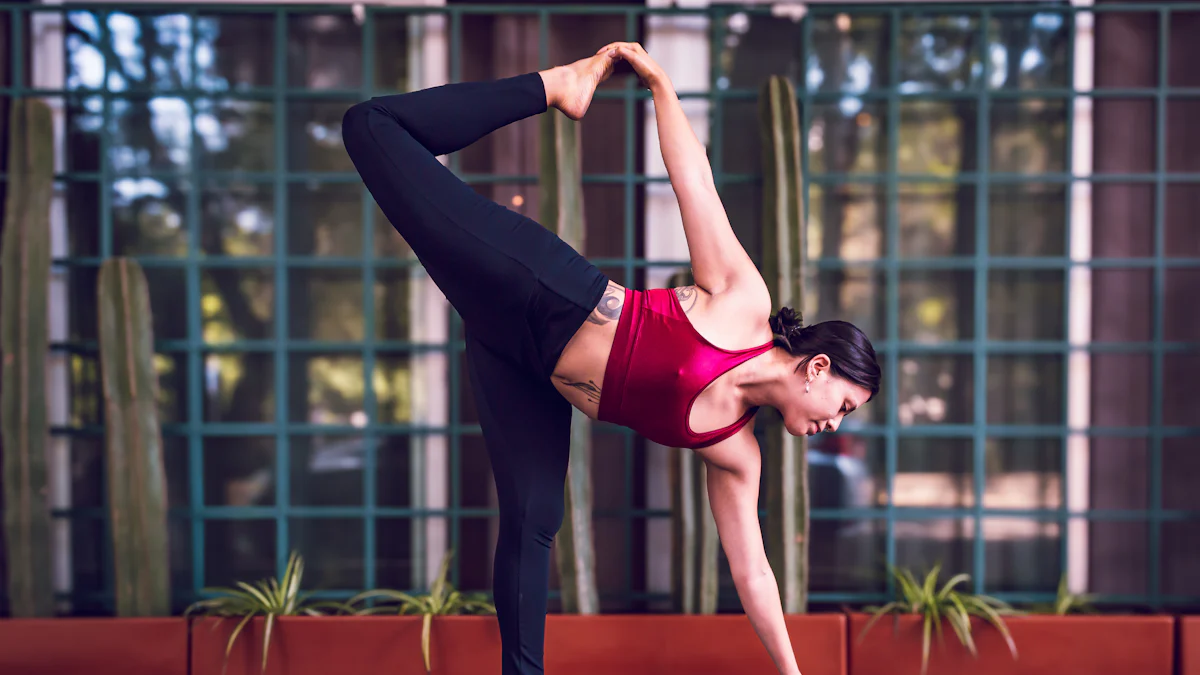
Side plank holds a special place in yoga practice. It stabilizes and strengthens your shoulder, hip, and core muscles while improving balance and coordination without putting pressure on your lower back. Mastering side plank variations in yoga offers even more benefits. A 2014 study by Dr. Loren Fishman found that 19 out of 25 participants showed marked improvement in spinal curvature after practicing side plank daily. By exploring different side plank variations in yoga and techniques, you can enhance your practice and enjoy these benefits.
Understanding the Basics of Side Plank
What is a Side Plank?
Definition and Origin
The side plank, known as Vasisthasana in Sanskrit, is a foundational yoga pose. It involves balancing your body on one side, supported by one arm and the edge of your foot. This pose has roots in ancient yoga practices, where it was used to build strength and stability.
Basic Anatomy Involved
When you perform a side plank, several muscle groups engage. Your shoulder, hip, and core muscles work together to maintain balance. The pose also targets your lower back, abdominal, and chest muscles. This engagement helps in building muscle endurance and core strength.
Benefits of Practicing Side Plank
Physical Benefits
Practicing side plank regularly offers numerous physical benefits. It strengthens three major muscle groups simultaneously: the shoulder, hip, and core. This pose also keeps your spine muscles strong, which can protect your back and reduce the risk of injury. Additionally, side plank improves balance and coordination, making it a valuable addition to any workout routine.
Mental and Emotional Benefits
Beyond the physical advantages, side plank also supports mental and emotional well-being. Holding this pose requires focus and concentration, which can help calm your mind. As you master the side plank, you may notice increased confidence and a sense of accomplishment. This mental clarity and emotional balance can enhance your overall yoga practice.
Exploring Side Plank Variations in Yoga
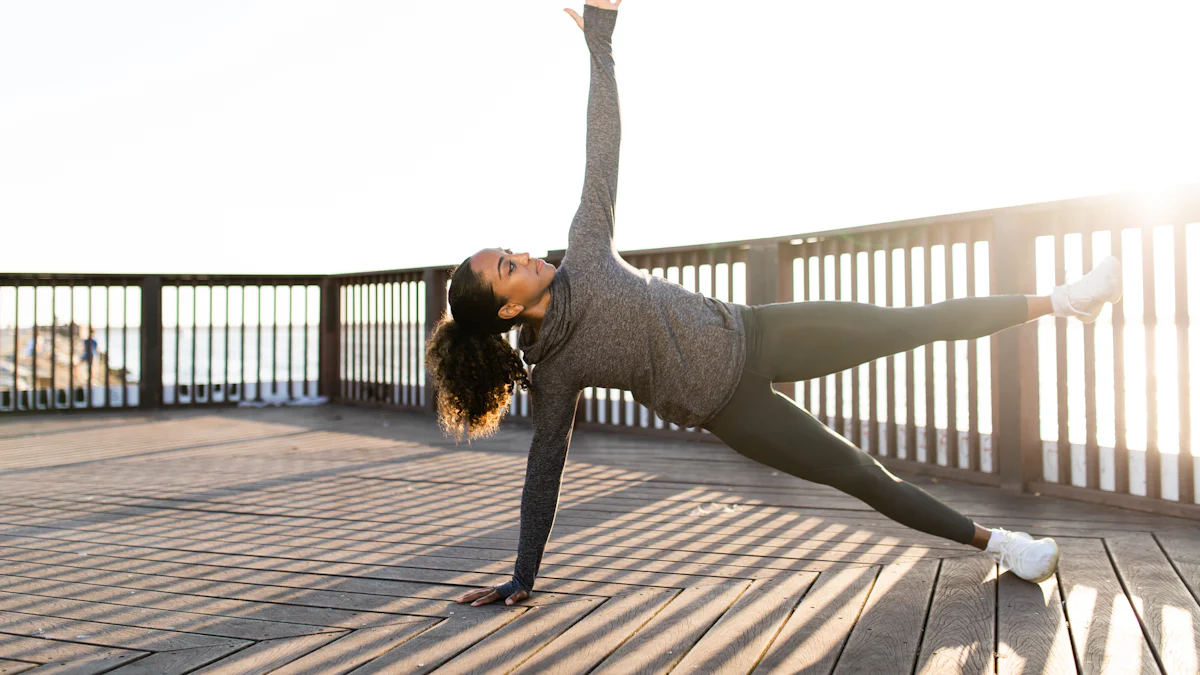
Side plank variations in yoga offer a fantastic way to spice up your practice and challenge your body. By experimenting with different variations, you can engage your oblique muscles and hip abductors, enhancing your core strength and stability. Let's dive into some exciting side plank variations that cater to all levels, from beginners to advanced practitioners.
Beginner Side Plank Variations
Starting with beginner-friendly options is a great way to build confidence and strength. Here are two variations to try:
Supported Side Plank
The supported side plank is perfect for those new to this pose. Begin by lying on your side, then prop yourself up on your forearm. Keep your knees bent and stack them on top of each other. Lift your hips off the ground, creating a straight line from your head to your knees. This variation reduces the load on your supporting arm and allows you to focus on engaging your core.
Bent Knee Side Plank
In the bent knee side plank, you start in a similar position to the supported side plank. However, extend your top leg straight while keeping the bottom knee bent. This modification adds a bit more challenge by engaging your hip abductors and obliques. Remember to keep your hips lifted and your core engaged throughout the pose.
Intermediate Side Plank Variations
Once you feel comfortable with the basics, it's time to explore intermediate variations that add complexity and strength.
Extended Side Plank
The extended side plank takes your practice up a notch. Begin in a traditional side plank position, with your body supported by one arm and the edge of your foot. Extend your top arm overhead, reaching towards the sky. This variation challenges your balance and requires greater core engagement.
Side Plank with Leg Lift
For an added challenge, try the side plank with a leg lift. Start in a standard side plank, then lift your top leg towards the ceiling. This move intensifies the workout for your obliques and hip abductors. Focus on maintaining stability and alignment as you lift your leg.
Advanced Side Plank Variations
Ready to push your limits? Advanced variations demand strength, flexibility, and balance.
Side Plank with Arm Bind
The side plank with an arm bind is a powerful pose that tests your flexibility and strength. Begin in a side plank, then reach your top arm behind your back and try to clasp your supporting wrist. This variation requires a deep stretch in your shoulders and chest, enhancing your overall flexibility.
Revolved Side Plank
The revolved side plank is a dynamic and challenging variation. Start in a side plank, then twist your torso and thread your top arm underneath your body. This move engages your entire core, including the deep core muscles and obliques, while improving your rotational flexibility.
Expert Testimony: "Experiment with different side plank variations to challenge your oblique muscles and hip abductors." - Fitness and Core Strengthening Expert
By incorporating these side plank variations in yoga into your routine, you can elevate your practice and enjoy the benefits of a stronger, more stable core. Remember to listen to your body and progress at your own pace.
Tips for Mastering Side Plank Variations
Mastering side plank variations in yoga requires attention to detail and a commitment to practice. Here are some tips to help you refine your technique and enhance your yoga journey.
Alignment and Form
Proper alignment and form are crucial for maximizing the benefits of side plank variations and preventing injury.
Common Alignment Mistakes
Overarching the Back: Many practitioners tend to arch their back excessively. This misalignment can strain your lower back. Keep your spine neutral and engage your core to maintain a straight line from head to heels.
Misalignment of the Shoulder: Another common mistake is letting the shoulder collapse towards the ear. Ensure your supporting shoulder stays directly above your wrist, creating a strong and stable base.
Dropping the Hips: Allowing your hips to sag can reduce the effectiveness of the pose. Lift your hips high and engage your obliques to maintain proper alignment.
Tips for Maintaining Proper Form
Engage Your Core: A strong core is essential for stability. Focus on pulling your belly button towards your spine to activate your core muscles.
Stack Your Joints: Align your wrist, elbow, and shoulder in a straight line. This alignment distributes weight evenly and reduces strain on your joints.
Use Your Breath: Breathing deeply helps you maintain focus and balance. Inhale to lengthen your spine and exhale to engage your core.
Building Strength and Flexibility
Building strength and flexibility will support your side plank practice and allow you to explore more challenging variations.
Exercises to Support Side Plank Practice
Plank Holds: Regular plank holds strengthen your core, shoulders, and wrists. Start with short holds and gradually increase the duration as you build strength.
Oblique Crunches: These target your side abdominal muscles, enhancing your ability to lift and stabilize your hips during side plank variations.
Shoulder Taps: From a plank position, tap each shoulder with the opposite hand. This exercise improves shoulder stability and core strength.
Stretching Routines for Flexibility
Side Body Stretch: Stand with feet hip-width apart. Reach one arm overhead and lean to the opposite side. This stretch lengthens your obliques and improves flexibility.
Cat-Cow Stretch: Move between arching and rounding your back on all fours. This dynamic stretch increases spinal flexibility and warms up your core muscles.
Thread the Needle: From a tabletop position, slide one arm under your body and rest your shoulder on the ground. This stretch opens your shoulders and upper back.
By focusing on alignment, building strength, and incorporating flexibility exercises, you can master side plank variations yoga offers. Remember, consistency is key. Show up on your mat regularly, and you'll notice improvements in your practice over time.
Safety and Precautions
When practicing side plank variations yoga offers, safety should be your top priority. Let's explore some common mistakes to avoid and essential safety tips to keep your practice injury-free.
Common Mistakes to Avoid
Overarching the Back
You might find yourself overarching your back during side plank variations. This mistake can lead to unnecessary strain on your lower back. Keep your spine neutral by engaging your core muscles. Imagine a straight line running from your head to your heels. This alignment helps distribute weight evenly and protects your back.
Misalignment of the Shoulder
Misalignment of the shoulder is another frequent error. You may notice your shoulder creeping up towards your ear. This position can cause discomfort and instability. Ensure your supporting shoulder stays directly above your wrist. This alignment creates a strong base and reduces the risk of injury.
Safety Tips for Practitioners
Listening to Your Body
Listening to your body is crucial in any yoga practice. Pay attention to how each pose feels. If you experience pain or discomfort, ease out of the pose. Your body knows its limits, so respect them. Progress at your own pace and celebrate small victories along the way.
Modifications for Injuries
If you have existing injuries, modifications can make side plank variations more accessible. For wrist pain, try using a yoga block under your supporting hand. This adjustment reduces pressure on your wrist. If shoulder discomfort arises, practice with your forearm on the ground instead of your hand. These modifications allow you to enjoy the benefits of side plank variations yoga without aggravating injuries.
By avoiding common mistakes and following these safety tips, you can practice side plank variations yoga with confidence. Remember, yoga is a journey, not a destination. Embrace each step and enjoy the process.
Mastering side plank variations yoga offers numerous benefits. You strengthen your core, improve balance, and enhance flexibility. Consistent practice is key. Show up on your mat regularly, and you'll see progress. Mindfulness during practice helps you connect with your body and mind. As you explore these variations, remember to listen to your body. Yoga is a journey, not a destination. Keep challenging yourself and enjoy the process. Dive deeper into yoga practices and discover new poses that enrich your experience.
See Also
Safely Mastering Inverted Yoga Poses at Home
Balancing Svadhisthana Chakra with Effective Yoga Poses
Basic Anatomy of Yoga for Novices

Hi my name is Lia and i am your host in this yoga journey in Portugal, Subscribe to our newsletter to receive every week the best of Yoga in Portugal.

We bring back the importance of initiation into womanhood by Roos-Veerle Krijnen & Ella-June Henrard
Welcome to the Women’s Initiation Retreat by Naked Truth Retreats, a transformative journey into the depths of your True Feminine Nature. This retreat invites you to remember the sacredness and wholeness of your being.
Roos-Veerle Krijnen & Ella-June Henrard