Mastering the Plank Position in Yoga

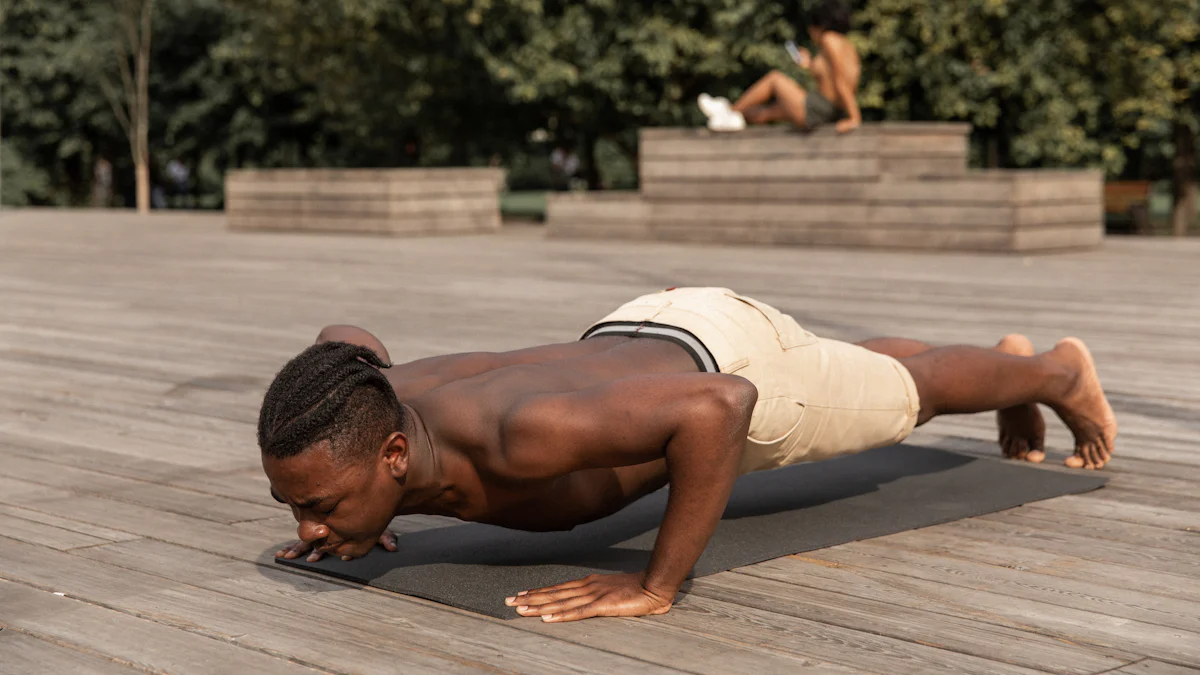
Mastering the plank position yoga begins with understanding its execution. You start by positioning your body parallel to the ground, ensuring your hands align directly under your shoulders. This exercise is one of the best for muscular activation and time under tension, crucial for building strength. Proper form is essential. Engage your core to prevent sagging and maintain a straight line from head to heels. This alignment maximizes benefits and targets the right muscles effectively. By focusing on these elements, you enhance both your physical strength and stability.
How to Perform the Plank Position Yoga
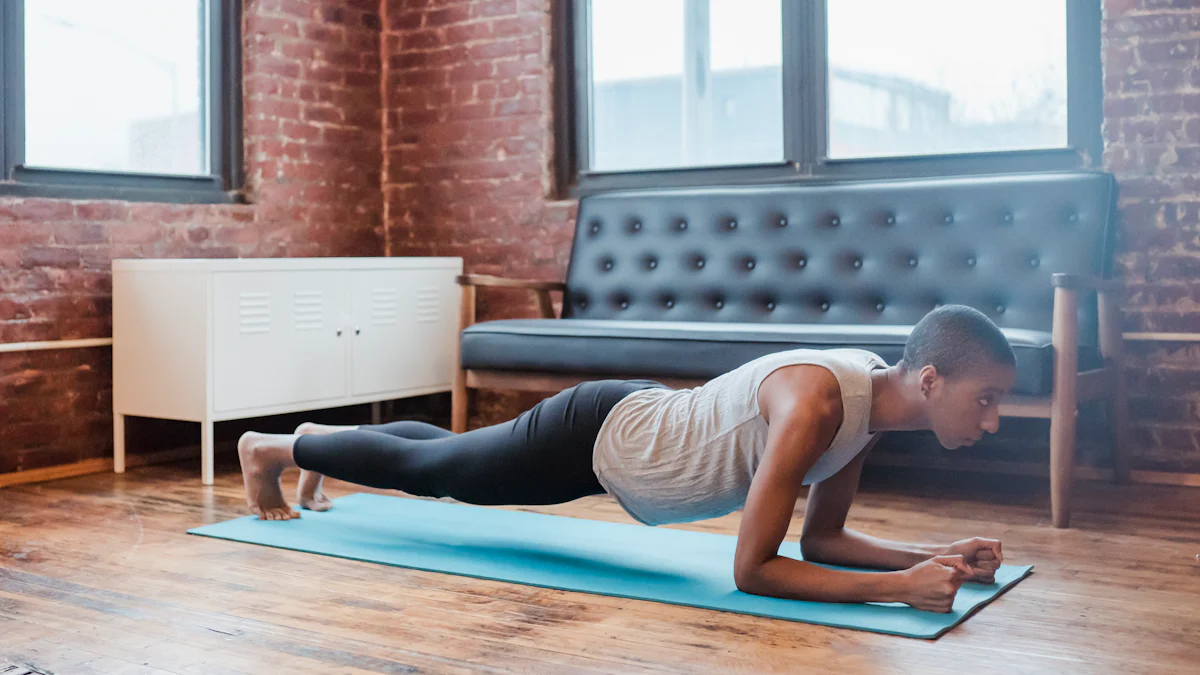
Step-by-Step Guide
Starting Position
Begin by placing your hands directly under your shoulders. Spread your fingers wide for stability. Position your feet hip-width apart. Your body should form a straight line from head to heels. This is the foundation of the plank position yoga.
Engaging the Core
Activate your core muscles by pulling your belly button towards your spine. This engagement prevents your hips from sagging. Keep your glutes and thighs firm. This action supports your lower back and maintains the plank position yoga effectively.
Maintaining Alignment
Ensure your neck stays in line with your spine. Avoid looking up or down. Your gaze should be slightly ahead of your hands. This alignment helps distribute weight evenly across your body. It also reduces strain on your neck and shoulders.
Holding the Position
Hold the plank position yoga for 20 to 30 seconds initially. Gradually increase the duration as your strength improves. Focus on maintaining form rather than time. Quality over quantity ensures you gain the full benefits of this exercise.
Tips for Beginners
Breathing Techniques
Inhale deeply through your nose. Exhale slowly through your mouth. This breathing pattern helps you stay calm and focused. It also provides oxygen to your muscles, aiding endurance in the plank position yoga.
Finding Balance
Distribute your weight evenly between your hands and feet. Shift slightly if you feel off-balance. This adjustment helps you maintain stability. Practicing regularly will improve your balance over time.
Benefits of the Plank Position Yoga
Physical Benefits
Core Strengthening
The plank position yoga is a powerhouse for building core strength. By holding this pose, you engage multiple muscle groups, including the abdominals, obliques, and lower back. Various experts in fitness and health emphasize that performing the plank regularly enhances core stability and endurance. A strong core is more than just having six-pack abs; it supports your entire body, improving balance and reducing the risk of injury. The plank's ability to stabilize the core makes it an essential exercise in any workout regimen.
Improved Posture
Practicing the plank position yoga can significantly improve your posture. When you strengthen your core and the muscles around your spine, you naturally stand taller and more aligned. Experts note that the plank helps prevent lower back pain by reinforcing these crucial muscles. Improved posture not only benefits your physical health but also boosts your confidence and presence.
Mental Benefits
Increased Focus
Holding the plank position requires concentration and mental fortitude. As you maintain alignment and engage your muscles, you sharpen your focus. This mental discipline translates into other areas of life, enhancing your ability to concentrate on tasks and challenges. The plank position yoga encourages mindfulness, helping you stay present and aware of your body's movements.
Stress Reduction
The plank position yoga offers more than just physical benefits; it also aids in stress reduction. Engaging in this pose allows you to channel your energy and release tension. The focus required during the plank helps clear your mind, providing a moment of calm and relaxation. Regular practice can lead to a more balanced and stress-free lifestyle.
Common Mistakes to Avoid in Plank Position Yoga
Incorrect Alignment
Sagging Hips
When you perform the plank position yoga, your hips should remain level with your body. Allowing your hips to sag can strain your lower back and reduce the effectiveness of the exercise. To prevent this, engage your core muscles and keep your body in a straight line from head to heels. Regularly check your form in a mirror or ask someone to observe your alignment.
Rounded Shoulders
Rounded shoulders occur when you let your shoulder blades collapse inward. This mistake can lead to discomfort and potential injury. To correct this, press your hands firmly into the ground and draw your shoulder blades down and back. This action opens your chest and maintains proper alignment, ensuring you get the most out of your plank position yoga.
Overexertion
Holding Too Long
Holding the plank position yoga for too long can lead to fatigue and compromise your form. It's important to prioritize quality over duration. Start with shorter holds and gradually increase the time as your strength improves. Listen to your body and rest when needed to avoid overexertion.
Ignoring Pain
Pain is a signal that something might be wrong. If you experience pain while holding the plank position yoga, stop immediately and assess your form. Pain could indicate improper alignment or overuse of certain muscles. Address any discomfort by adjusting your posture or consulting a fitness professional for guidance.
Modifications for Different Skill Levels in Plank Position Yoga
Beginner Modifications
Knee Plank
The knee plank serves as an excellent starting point for beginners. Begin by positioning yourself on all fours. Align your hands directly under your shoulders and keep your knees on the ground. Engage your core by pulling your belly button towards your spine. This modification reduces the weight on your arms and shoulders, allowing you to focus on building core strength gradually. Remember, it's crucial to maintain a straight line from your head to your knees. This alignment ensures you practice the plank position yoga safely and effectively.
Wall Plank
The wall plank offers another beginner-friendly option. Stand facing a wall and place your hands against it at shoulder height. Walk your feet back until your body forms a diagonal line from head to heels. Engage your core and keep your body straight. This variation helps you build strength and stability without the full weight-bearing challenge of a traditional plank. It's a great way to ease into the plank position yoga while focusing on proper form and alignment.
Advanced Variations
Side Plank
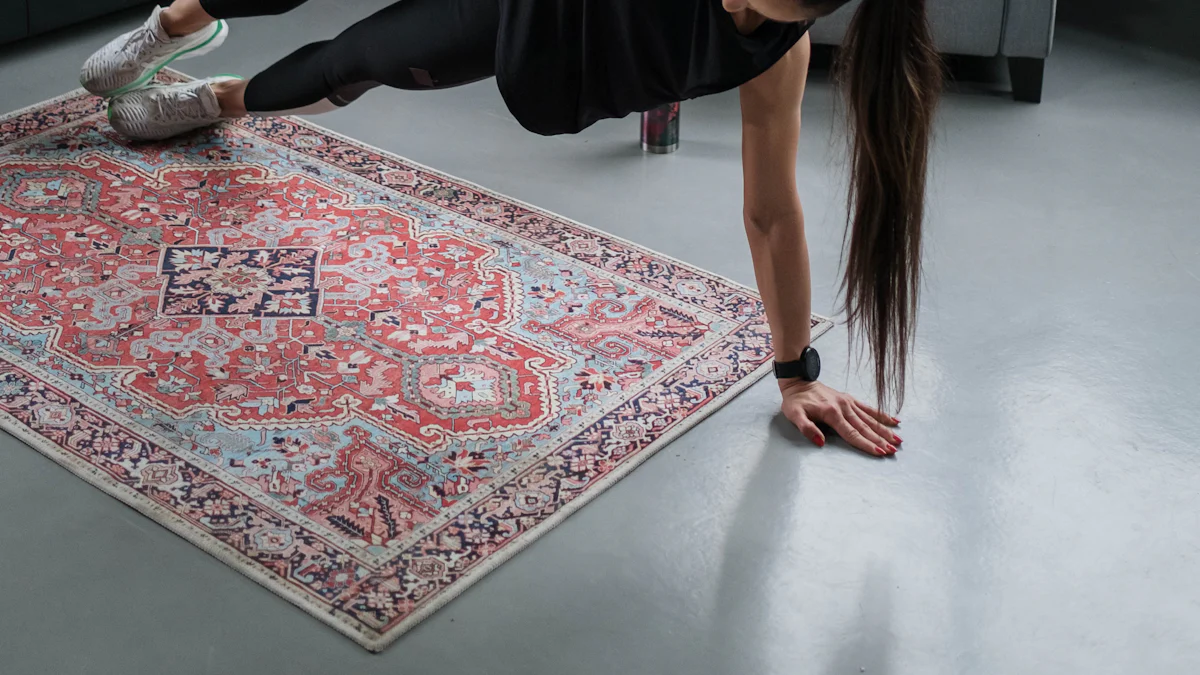
For those seeking a challenge, the side plank provides an excellent progression. Start in a standard plank position. Shift your weight onto one hand and rotate your body to the side. Stack your feet on top of each other and raise your opposite arm towards the ceiling. Engage your core and hold the position. The side plank targets the obliques and enhances balance and stability. It requires concentration and strength, making it a valuable addition to your plank position yoga practice.
Plank with Leg Lift
The plank with leg lift adds an extra layer of difficulty. Begin in a standard plank position. Lift one leg off the ground, keeping it straight and in line with your body. Hold for a few seconds before switching legs. This variation intensifies the core engagement and challenges your balance. It also strengthens the glutes and hamstrings, providing a comprehensive workout. Incorporating this advanced variation into your routine can elevate your plank position yoga practice to new heights.
"It's important to listen to your body and honor its limitations," advises a Healthcare Professional. Modifying the pose allows you to adapt it to your current strength and flexibility levels, ensuring a safe and sustainable practice.
Safety Precautions and When to Avoid Plank Position Yoga
When practicing plank position yoga, prioritizing safety ensures a beneficial experience. Understanding your body's signals and knowing when to modify or avoid the pose can prevent injuries and enhance your practice.
Precautions
Listening to Your Body
Your body communicates its limits. Pay attention to any discomfort or pain during the plank position yoga. If you feel strain in your wrists, shoulders, or back, pause and reassess your form. Consulting a healthcare professional is wise if you have existing injuries. They can provide guidance tailored to your needs.
Using Props for Support
Props can enhance your plank practice. Use yoga blocks under your hands to reduce wrist strain. A folded towel under your knees offers additional support. These adjustments help maintain proper alignment and prevent unnecessary stress on your joints. Incorporating props allows you to focus on building strength safely.
When to Avoid the Plank
Injury Considerations
Avoid the plank if you have shoulder or wrist injuries. These areas bear significant weight during the pose. Modifying the plank or choosing alternative exercises can prevent further injury. Individuals with high blood pressure or cardiovascular conditions should consult a healthcare professional before attempting the plank. Safety should always come first.
Pregnancy Modifications
Pregnancy requires special considerations. As your body changes, modify the plank to accommodate your comfort and safety. A wall plank or knee plank can be more suitable. Always listen to your body and consult with a healthcare provider to ensure your practice aligns with your pregnancy needs.
"It's crucial to adapt your practice to your body's current state," advises a healthcare professional. By taking these precautions, you ensure a safe and effective plank position yoga experience.
Mastering the plank position in yoga requires dedication and attention to detail. By focusing on proper form and alignment, you ensure that each practice session strengthens your core and enhances your overall stability. Regular practice is key. As you progress, remember to listen to your body and make mindful choices based on its signals. Incorporating the plank into your yoga routine not only builds physical strength but also promotes mental clarity and relaxation through controlled breathing. Embrace the journey of improvement and enjoy the numerous benefits this powerful pose offers.
See Also
Achieving Perfection in Yoga Plank Pose: A Guide
Perfecting the Yoga Headstand: Your Comprehensive Guide
Step-by-Step Techniques for Hot Yoga Mastery

Hi my name is Lia and i am your host in this yoga journey in Portugal, Subscribe to our newsletter to receive every week the best of Yoga in Portugal.

We bring back the importance of initiation into womanhood by Roos-Veerle Krijnen & Ella-June Henrard
Welcome to the Women’s Initiation Retreat by Naked Truth Retreats, a transformative journey into the depths of your True Feminine Nature. This retreat invites you to remember the sacredness and wholeness of your being.
Roos-Veerle Krijnen & Ella-June Henrard