Mastering the Lotus Position in Yoga


The Lotus position yoga holds a vital place in your practice. This seated posture not only enhances your physical stability but also sharpens your mental focus. Engaging in this pose can lead to numerous benefits. You may experience improved flexibility, reduced stress, and enhanced clarity of thought. As you delve into the world of yoga, mastering the Lotus position can significantly elevate your overall well-being.
Key Takeaways
Mastering the Lotus position (Padmasana) enhances both physical stability and mental focus, making it a vital part of your yoga practice.
Regular practice of Padmasana can lead to improved flexibility, reduced stress, and greater clarity of thought, contributing to overall well-being.
Incorporate warm-up poses like Butterfly and Pigeon to prepare your body for the Lotus position, ensuring a safer and more comfortable practice.
Listen to your body and avoid forcing yourself into the full Lotus position; modifications like Half Lotus can help you build strength and flexibility gradually.
Maintain proper alignment by keeping your spine straight and knees comfortably resting on the ground to prevent discomfort and injury.
Embrace the journey of learning and growing in your yoga practice; patience is key to mastering the Lotus position over time.
Utilise props such as cushions or yoga blocks to enhance comfort and stability while practising the Lotus position.
Overview of the Lotus Position Yoga

Definition and Purpose
The Lotus position yoga, known as Padmasana, serves as a foundational pose in your practice. This seated posture allows you to create a stable base for extended periods of meditation. You can achieve a deeper state of focus and tranquillity while sitting in this pose. The arrangement of your legs resembles the petals of a lotus flower, symbolising purity and enlightenment. Practising Padmasana not only enhances your physical stability but also promotes mental calmness.
Historical and Cultural Significance
Padmasana holds a revered place in the history of yoga. Ancient texts mention this pose as essential for meditation and pranayama. The earliest surviving yoga sources highlight its importance, showcasing its long-standing presence in yoga philosophy. Many practitioners view the Lotus position as an archetypal yoga posture.
Throughout history, the lotus flower has symbolised spiritual awakening and inner peace. In various cultures, the lotus represents the journey of personal growth, emerging from muddy waters to bloom beautifully. This symbolism resonates deeply within the practice of yoga. As you engage in the Lotus position, you connect with centuries of tradition and wisdom.
Practising Padmasana can help you cultivate a sense of grounding and presence. You may find that the pose encourages you to remain centred amidst life's challenges. Embracing the Lotus position yoga allows you to honour the rich heritage of yoga while enhancing your own practice.
Benefits of the Lotus Position Yoga
Physical Benefits
Practising the lotus position yoga offers numerous physical advantages. This pose strengthens the muscles that support your spine, promoting better posture. You will notice a reduction in back pain as you maintain proper spinal alignment while seated in Padmasana. The act of sitting in this position encourages deep and controlled breathing, which enhances your lung capacity and overall respiratory function.
Moreover, the lotus position increases circulation in the lumbar spine and nourishes your abdominal organs. You may find that your hips become more flexible over time, allowing for greater ease in various movements. The grounding effect of Padmasana stabilises your pelvis, stimulating the nerves in the sacrum. This activation of the parasympathetic nervous system leads to a calming effect, making it easier for you to relax and focus during your practice.
Mental and Emotional Benefits
The mental and emotional benefits of the lotus position yoga are equally significant. Engaging in Padmasana helps you cultivate a sense of inner peace and balance. This pose serves as a foundation for meditation, allowing your senses to turn inward. As you sit in stillness, you can manage stress more effectively. The calming nature of the lotus position activates the relaxation response, helping to alleviate anxiety and tension.
Regular practice of Padmasana fosters enhanced mental clarity and focus. You may experience improved concentration and a greater ability to remain present in the moment. This connection to your inner self can lead to profound emotional stability, allowing you to navigate life's challenges with grace. By embracing the lotus position, you unlock a deeper understanding of yourself and your emotions, paving the way for personal growth and transformation.
Preparation for the Lotus Position Yoga
Assessing Flexibility
Before you attempt the lotus position yoga, assess your flexibility. This pose requires significant flexibility in your hips, knees, and spine. Many practitioners find that tight hips can lead to stress on the knees, making the pose uncomfortable or even risky. You should take time to evaluate your current range of motion.
To assess your flexibility, sit on the floor with your legs extended. Try to bend forward and reach for your toes. If you struggle to touch them, you may need to work on your flexibility before attempting Padmasana. Remember, achieving the full lotus position can take years of practice. Patience is essential as you develop the necessary flexibility.
Warm-Up Poses
Incorporating warm-up poses into your routine can significantly enhance your readiness for the lotus position yoga. These poses help to loosen your hips and prepare your body for the demands of Padmasana. Consider including the following warm-up poses in your practice:
Butterfly Pose (Baddha Konasana): Sit with the soles of your feet together and gently press your knees towards the ground. This pose opens your hips and increases flexibility.
Seated Forward Bend (Paschimottanasana): Sit with your legs extended and reach for your toes. This pose stretches your hamstrings and lower back, promoting overall flexibility.
Pigeon Pose (Eka Pada Rajakapotasana): This pose targets the hip flexors and helps to release tension in the hips. It prepares your body for the deep hip opening required in the lotus position.
Lizard Pose (Utthan Pristhasana): This pose stretches the hip flexors and groin, further enhancing your flexibility.
Incorporating these warm-up poses into your routine will help you ease into the lotus position. As you progress, you will notice improvements in your flexibility and comfort level. Always listen to your body and avoid pushing yourself too hard.
Step-by-Step Instructions for the Lotus Position Yoga
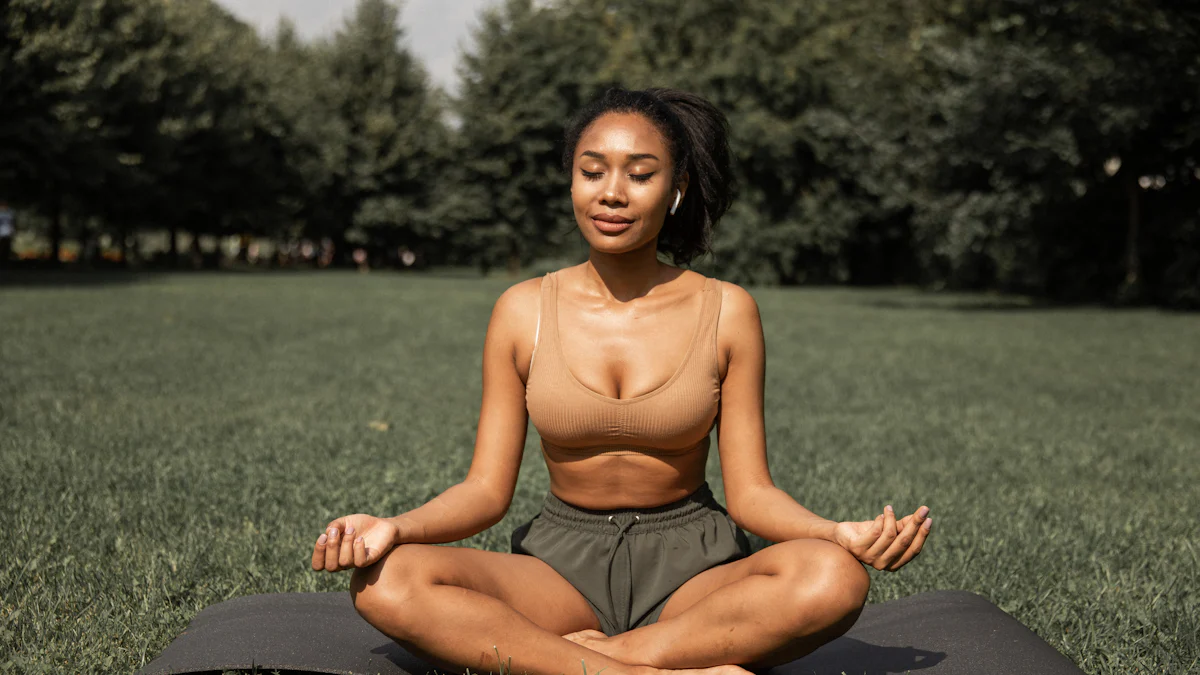
Entering the Pose
To enter the lotus position yoga, begin by sitting in the staff pose (Dandasana). Keep your legs extended straight in front of you. Take a moment to centre yourself and focus on your breath. This preparation helps you establish a calm mindset.
Cross your right leg over your left thigh. Ensure that your right foot rests on your left thigh, with the sole facing upwards.
Guide your left foot over your right thigh. Place it on your right thigh, also with the sole facing upwards.
Align your spine. Sit up tall, keeping your back straight. Avoid curving your spine, as this can lead to discomfort.
Rest your hands on your knees. You can place your palms facing upwards or downwards, depending on what feels comfortable for you.
Focus on your breath. Inhale deeply and exhale slowly. This practice enhances your meditation experience.
If you find it challenging to achieve the full lotus position, consider using a modified version. Practising hip-opening poses, such as Bound Angle Pose or Hero Pose, can help prepare your body for Padmasana.
Exiting the Pose
Exiting the lotus position yoga requires care to avoid straining your knees or hips. Follow these steps to safely return to a seated position:
Release your legs gently. Start by uncrossing your left leg, followed by your right leg. Allow your feet to rest on the floor.
Return to Dandasana. Sit with your legs extended straight in front of you. This position helps you regain stability.
Take a few deep breaths. Use this time to reflect on your practice and notice how your body feels after the pose.
Gradually rise. When you feel ready, transition to a standing position or move into another pose.
Always listen to your body during this process. If you experience discomfort, take your time and adjust your movements accordingly. Practising mindfulness during both entry and exit enhances your overall experience in the lotus position yoga.
Variations and Modifications for the Lotus Position Yoga
For Beginners
If you find the full lotus position yoga challenging, consider starting with modifications. These variations help you build flexibility and strength gradually. One effective option is the Half Lotus Pose. In this variation, you place one foot on the opposite thigh while keeping the other leg extended. This adjustment reduces strain on your knees and hips, making it more accessible.
Another beginner-friendly modification is the Bound Angle Pose (Baddha Konasana). Sit with the soles of your feet together and let your knees fall outward. This pose opens your hips and prepares your body for the lotus position. You can also use props like cushions or yoga blocks to support your knees and provide comfort.
Always remember to listen to your body. If you experience discomfort, consult a healthcare provider or a certified yoga instructor. They can guide you in practising the Modified Lotus Pose safely and effectively.
For Advanced Practitioners
As you progress in your practice, you may want to explore deeper variations of the lotus position yoga. One advanced option is the Full Lotus Pose with a forward bend. In this variation, you enter the full lotus position and then gently lean forward, extending your arms in front of you. This pose enhances your stretch and deepens your meditation experience.
Another advanced modification involves adding a twist. While seated in the lotus position, you can place one hand on your knee and the other behind you on the floor. This twist promotes spinal flexibility and encourages deeper breathing.
Practising these advanced variations requires a solid foundation in the basic lotus position. Ensure you maintain proper alignment and avoid forcing your body into uncomfortable positions. As always, focus on your breath and remain mindful of your limits.
Safety Precautions and Tips for the Lotus Position Yoga
Common Mistakes to Avoid
Practising the lotus position yoga can be rewarding, but you must remain mindful of common mistakes. Many practitioners rush into the pose without proper preparation. This approach can lead to discomfort or injury. Always take time to warm up your body before attempting Padmasana.
Another mistake involves forcing your body into the full lotus position. If you struggle to achieve the pose, consider using modifications. Forcing your knees into a position they are not ready for can cause strain. Remember, yoga should never hurt. If you feel pain, your body is sending you a clear message.
You should also pay attention to your alignment. Keeping your spine straight is crucial. A curved back can lead to tension and discomfort. Ensure that your knees rest comfortably on the ground. If they lift off the floor, this may indicate a lack of flexibility.
As someone who has spent the last year recovering from medial meniscus problems, I implore you to treat your knees as your best friends. You will not realise how much you miss them until they cannot do what you need them to do. This personal experience highlights the importance of listening to your body during yoga practice.
Listening to Your Body
Listening to your body is essential when practising the lotus position yoga. Each person’s body is unique, and what works for one individual may not work for another. Pay attention to any sensations you feel in your hips, knees, and ankles. If you experience discomfort, stop and reassess your position.
You may find that you have a natural tendency to push yourself too hard. This can lead to overstretching, especially if you possess a high degree of flexibility. I have loved this pose from the beginning, but I must be careful not to overstretch my ankles. This caution is vital for maintaining your overall health and safety.
Consider using props like cushions or blocks to support your body. These tools can help you find comfort in the pose while you build strength and flexibility. Always remember that yoga is a journey. Progress takes time, and patience is key.
By listening to your body and respecting its limits, you create a safe and enjoyable practice. Embrace the process of learning and growing in your yoga journey.
Mastering the lotus position yoga requires dedication and practice. You should recap the essential steps and benefits discussed throughout this blog. Regular and mindful practice will enhance your experience and deepen your connection to this pose. Remember, patience is vital. Progress takes time, and each session brings you closer to mastery. Embrace the journey, honour your body, and enjoy the transformative power of Padmasana.
FAQ
How do I do the lotus position?
To enter the lotus position, start by propping one foot on your opposite thigh. This creates a Half Padmasana. If lifting one leg causes pain in your knees, stop immediately. You can try other meditative postures, such as the basic cross-legged posture (Sukhasana). Once you find comfort in this position, transitioning to the full lotus pose will become easier.
How long can I stay in the full lotus position?
You can remain in the full lotus position for as long as you feel comfortable. If you experience any pain or discomfort, gently release the pose. For meditation, you can hold the pose for the duration of your session, provided it remains comfortable. If you wish to deepen your practice, consider enrolling in courses at a reputable yoga school, such as those offered in Rishikesh.
Is the lotus pose beneficial for meditation?
Yes, the lotus pose is highly beneficial for meditation. The upturned soles of your feet resemble lotus petals, symbolising purity and enlightenment. Ancient texts highlight this posture as essential for meditation. While the ability to sit in lotus for extended periods once represented enlightenment, modern practitioners view it as an advanced pose. It requires significant hip flexibility to avoid straining your knees.
Can anyone practice the lotus position?
While many can attempt the lotus position, not everyone may find it suitable. Flexibility in the hips and knees plays a crucial role. If you struggle with the full pose, consider starting with modifications like Half Lotus or Bound Angle Pose. Always listen to your body and avoid pushing yourself into discomfort.
What should I do if I feel pain in my knees while practising?
If you feel pain in your knees, stop immediately. Pain signals that your body may not be ready for the full lotus position. Instead, try gentler poses or modifications. Practising hip-opening exercises can help improve your flexibility over time. Always prioritise your comfort and safety during your practice.
How can I improve my flexibility for the lotus position?
To enhance your flexibility, incorporate specific stretches into your routine. Focus on hip openers like Butterfly Pose, Pigeon Pose, and Lizard Pose. These poses target the muscles around your hips and thighs, making it easier to achieve the lotus position. Consistent practice will yield gradual improvements.
Is it necessary to warm up before attempting the lotus position?
Yes, warming up is essential before attempting the lotus position. Warm-up poses prepare your body and reduce the risk of injury. Incorporate stretches that target your hips, hamstrings, and lower back. This preparation allows you to ease into the lotus position more comfortably.
Can I use props while practising the lotus position?
Absolutely! Using props can enhance your comfort and stability in the lotus position. Consider using cushions or yoga blocks to support your knees or hips. Props help you maintain proper alignment while you build strength and flexibility. They make the practice more accessible and enjoyable.
What are some common mistakes to avoid in the lotus position?
Common mistakes include rushing into the pose without proper preparation and forcing your body into the full lotus position. Always take time to warm up and listen to your body. Ensure your spine remains straight and your knees rest comfortably on the ground. Avoid pushing yourself into discomfort, as yoga should never hurt.
How can I stay motivated to practise the lotus position regularly?
Staying motivated requires setting realistic goals and tracking your progress. Celebrate small achievements, such as improved flexibility or comfort in the pose. Join a yoga community or class to connect with others who share your interests. Regular practice will deepen your connection to the lotus position and enhance your overall experience.
See Also
Achieving Proficiency in the Lotus Yoga Pose
Perfecting the Full Lotus Position in Yoga
Conquering the Pigeon Pose in Your Yoga Practice

Hi my name is Lia and i am your host in this yoga journey in Portugal, Subscribe to our newsletter to receive every week the best of Yoga in Portugal.

We bring back the importance of initiation into womanhood by Roos-Veerle Krijnen & Ella-June Henrard
Welcome to the Women’s Initiation Retreat by Naked Truth Retreats, a transformative journey into the depths of your True Feminine Nature. This retreat invites you to remember the sacredness and wholeness of your being.
Roos-Veerle Krijnen & Ella-June Henrard