Mastering the Lotus Pose in Yoga

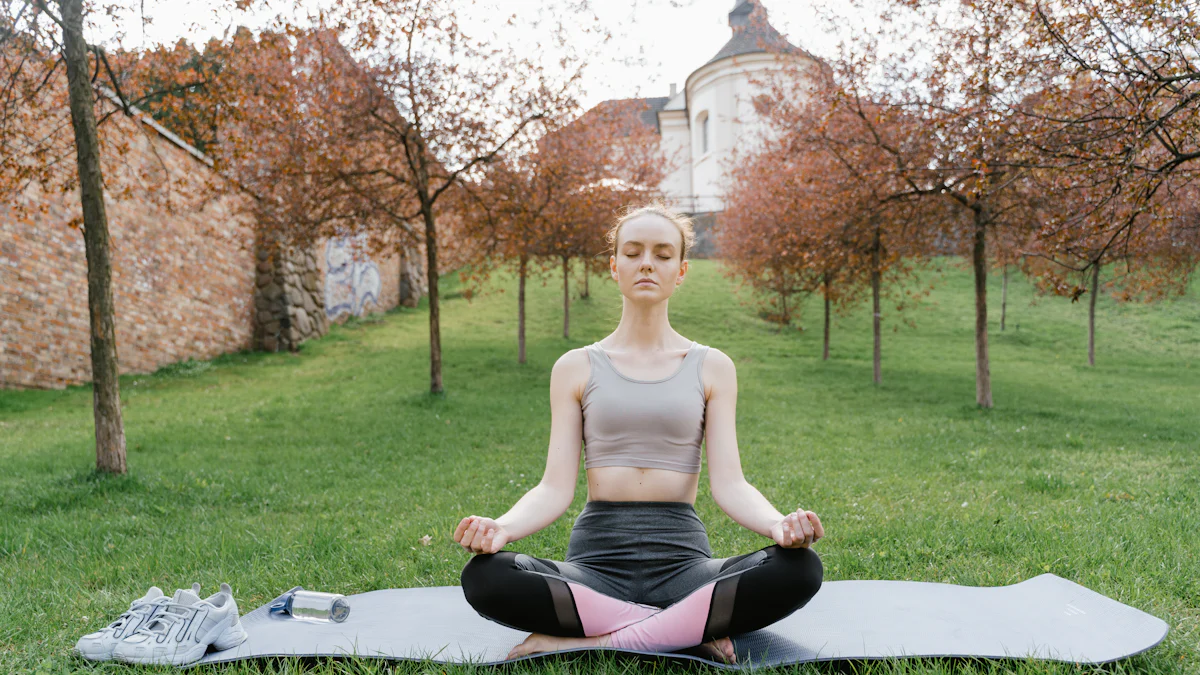
Mastering the Lotus Pose requires attention to alignment and comfort. You must follow essential steps to achieve the correct posture. This pose, known for its calming effects, opens the hips and strengthens your spine. Understanding modifications is crucial for your safety and effectiveness in practice. If you find it challenging to reach the full position, consider using props like blankets for support. Embrace these adjustments to enhance your experience and deepen your connection with this classic position yoga.
Key Takeaways
Master the Lotus Pose by following step-by-step instructions, focusing on alignment and comfort to enhance your practice.
Utilise props like blankets or cushions to support your knees and maintain proper alignment, especially if you're a beginner.
Incorporate hip-opening stretches into your routine to improve flexibility and prepare your body for the Lotus Pose.
Listen to your body and avoid pushing beyond your limits to prevent injuries, particularly to your knees and hips.
Explore modifications for different skill levels, such as the Easy Seat for beginners or advanced variations for experienced practitioners.
Regular practice of the Lotus Pose can enhance your physical flexibility, strengthen your spine, and promote mental clarity.
Always consult a qualified instructor if you have concerns about your ability to perform the Lotus Pose safely.
How to Perform the Lotus Pose
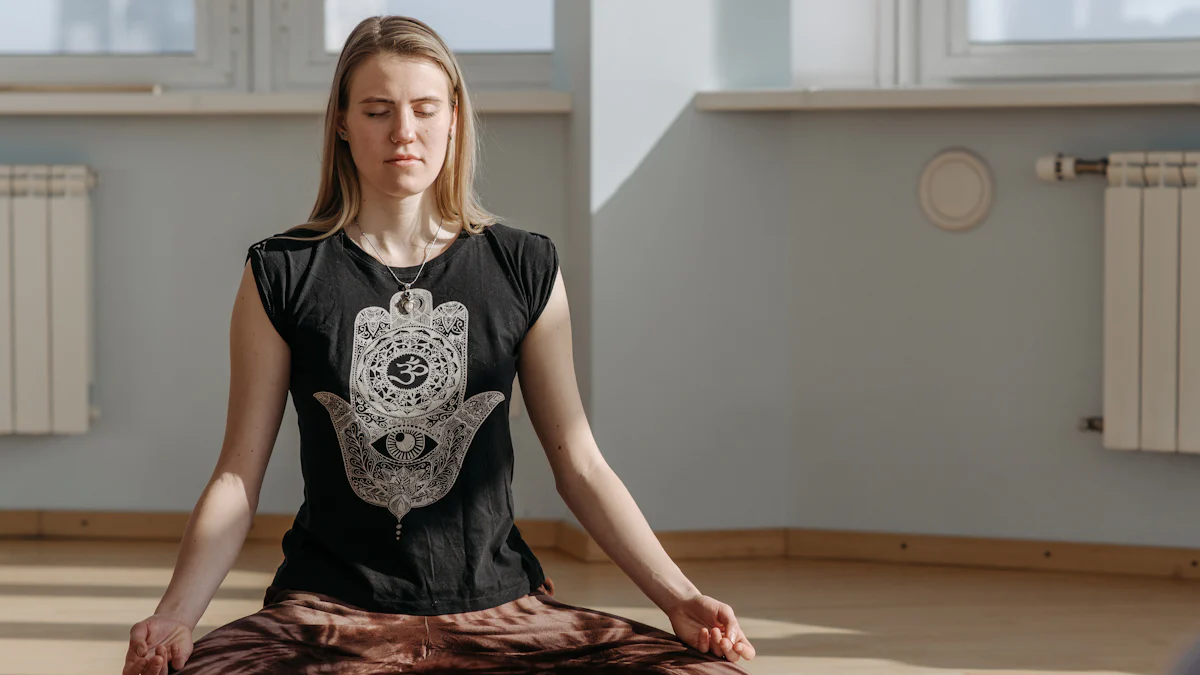
Step-by-Step Instructions
To begin, sit on the floor with your legs extended in front of you. Keep your spine straight and your shoulders relaxed. Follow these steps to achieve the Lotus Pose:
Bend your right knee and draw your foot towards your left thigh. Position your right heel close to your sitting bone.
Rotate your right thigh outward from the hip socket. Ensure that your knee points down towards the floor.
Bend your left knee and bring your left foot towards your right thigh. Place your left heel near your right sitting bone.
Rotate your left thigh outward as well. Both knees should rest comfortably on the ground.
Adjust your posture. Sit up tall, aligning your head, neck, and spine. Your hands can rest on your knees or in your lap, palms facing up or down.
If you find it difficult to reach the full position, consider using a blanket or cushion under your knees for support. This adjustment helps maintain comfort and alignment.
Getting Out of the Pose
When you finish practising the Lotus Pose, exit the position carefully to avoid strain. Follow these steps:
Release your hands from your knees or lap.
Straighten your legs one at a time. Start with your left leg, then extend your right leg.
Gently shake out your legs to relieve any tension.
Sit quietly for a moment. Allow your body to adjust before moving on to another pose.
Always remember to stretch before attempting the Lotus Position. This preparation reduces the risk of injury. Experienced instructors recommend that anyone with recent injuries to the hips, knees, or ankles should avoid this pose. If you have a chronic injury, consult a professional before practising. Supervision from an instructor can help you correct any misalignments and ensure a safe practice.
Modifications for Different Skill Levels
Modifications for Beginners
If you are new to the Lotus Pose, you might find it challenging to achieve the full position yoga. Start with simpler modifications to build your flexibility and comfort. Here are some effective adjustments:
Easy Seat: Sit cross-legged with your feet resting on the floor. This position allows you to focus on your posture without straining your hips or knees.
Use Props: Incorporate yoga blocks or cushions under your knees. These props provide support and help you maintain alignment.
Gentle Hip Openers: Before attempting the Lotus Pose, practice hip-opening stretches. Poses like Butterfly or Seated Forward Bend can prepare your body for deeper flexibility.
Always listen to your body. If you feel discomfort, ease out of the pose. A qualified yoga instructor can guide you through these modifications, ensuring a safe practice tailored to your needs.
Advanced Variations
For experienced practitioners, the Lotus Pose offers opportunities to deepen your practice. Here are some advanced variations to explore:
Bound Lotus Pose: In this variation, you bind your hands behind your back while in the Lotus position. This enhances your spinal alignment and opens your chest.
Lotus with Forward Bend: From the Lotus position, gently lean forward, bringing your torso towards the ground. This variation increases the stretch in your hips and lower back.
Lotus with Arm Variations: Experiment with different arm placements. You can extend your arms overhead or place them in front of you, enhancing your balance and focus.
These advanced variations require strong flexibility in your hips, knees, and ankles. Always ensure you warm up adequately before attempting them. Practising under the supervision of a qualified instructor can help you refine your technique and avoid injury.
Safety Precautions and Contraindications
Common Risks
Practising the Lotus Pose can lead to several risks, especially if you do not approach it with caution. You should always listen to your body and avoid pushing beyond your limits. Forcing your legs into position yoga without proper preparation can result in injuries, particularly to your knees and hips.
Common issues include:
Knee Injuries: Incorrect alignment or excessive force can strain your knee joints.
Hip Rotation Problems: Improper technique may lead to discomfort in your hip joints.
Back Pain: If your spine does not maintain its natural curve, you might experience back pain.
New practitioners should take extra care. Inexperience and inflexibility can increase the risk of injury. Always consult a healthcare provider or a certified yoga instructor before attempting the pose, especially if you have any concerns.
Who Should Avoid the Pose
Certain individuals should avoid the Lotus Pose altogether. If you have any of the following conditions, it is best to steer clear of this position:
Knee Injuries: If you have existing injuries to your knees, practising this pose can exacerbate your condition.
Hip or Ankle Injuries: Similar to knee injuries, issues with your hips or ankles can worsen with the Lotus Pose.
Weak Joints: Individuals with weak joints should refrain from attempting this pose to prevent further strain.
Sciatica Pain: If you experience sciatica, the pose may aggravate your symptoms.
Nerve Infections: Infections affecting the nerves that control your pelvis and legs can make this pose unsafe.
Always prioritise your safety. If you are unsure about your ability to perform the Lotus Pose, seek guidance from a qualified instructor. They can help you assess your readiness and suggest alternative poses that suit your current level of flexibility and strength.
Benefits of the Lotus Pose

Physical Benefits
Practising the Lotus Pose offers numerous physical advantages. This position yoga stretches your knees, ankles, and hips, promoting flexibility. You will also strengthen your spine and upper back, which enhances your posture. Improved circulation occurs as you sit in this pose, benefiting your overall health.
Incorporating the Lotus Pose into your routine can aid digestion. The gentle compression of your abdomen during the pose stimulates digestive organs. Additionally, this pose helps alleviate tension in your body, reducing stress levels. Regular practice can lead to enhanced joint health, making your movements smoother and more fluid.
Mental and Emotional Benefits
The mental and emotional benefits of the Lotus Pose are equally significant. This pose calms your mind and prepares you for deep meditation. As you settle into the position, you create a space for introspection and mindfulness. Many practitioners report increased mental clarity and focus after practising the Lotus Pose.
Moreover, the pose encourages relaxation. You may find that it helps relieve anxiety and promotes a sense of peace. Engaging in this practice regularly can enhance your emotional resilience, allowing you to navigate life's challenges with greater ease.
Practising the Lotus Pose regularly enhances your flexibility and mental clarity. You should always listen to your body and adjust your position as needed to ensure a safe practice. Consider exploring related poses, such as the Half Lotus Pose, to complement your experience. These variations can help you gradually work towards mastering the full position yoga. Embrace the journey of your yoga practice, and remember that patience and consistency lead to growth.
FAQ
Why is Lotus Pose so hard?
You may find the Full Lotus Pose challenging, especially if you are a beginner. The good news is that variations exist to help you work your way up to the full pose. A great starting point is the Half Lotus Pose, or Ardha Padmasana. In this variation, you place only one foot on the opposite thigh. This adjustment makes it easier to manage while stretching your hips and groin area.
What are the benefits of Lotus Pose?
The benefits of the Lotus Pose are numerous, both physically and spiritually. Practising this pose can improve your flexibility, strengthen your spine, and enhance your posture. Spiritually, it prepares you for meditation, helping you achieve a calm and focused mind. Although mastering the pose takes time, the rewards make the effort worthwhile.
How can one master the Lotus Pose?
Mastering the Lotus Pose requires regular practice and patience. Start by following the step-by-step instructions provided earlier. Focus on your alignment and comfort. Incorporate hip-opening exercises into your routine to enhance flexibility. With dedication, you will gradually progress towards mastering this classic pose.
Can I use props while practising Lotus Pose?
Absolutely! Using props can significantly enhance your practice. You can place a blanket or cushion under your knees for added support. This adjustment helps maintain comfort and alignment, especially if you struggle to reach the full position. Props allow you to focus on your posture without straining your body.
How long should I hold the Lotus Pose?
You should aim to hold the Lotus Pose for as long as you feel comfortable. Beginners may start with just a few breaths and gradually increase the duration as they become more accustomed to the position. Listen to your body and avoid pushing yourself too hard. Quality over quantity is key in your practice.
Is it normal to feel discomfort in Lotus Pose?
Some discomfort may occur, especially if you are new to the pose. However, you should never experience sharp pain. If you do, ease out of the position and reassess your alignment. Consider using props or trying modifications to ensure a safe and comfortable practice.
How can I improve my hip flexibility for Lotus Pose?
To improve your hip flexibility, incorporate specific stretches into your routine. Poses like Butterfly, Seated Forward Bend, and Pigeon can help open your hips. Regularly practising these poses will prepare your body for the demands of the Lotus Pose. Consistency is essential for achieving greater flexibility.
Who should avoid the Lotus Pose?
Certain individuals should avoid the Lotus Pose. If you have knee, hip, or ankle injuries, practising this pose may exacerbate your condition. Additionally, those with weak joints or sciatica should refrain from attempting it. Always prioritise your safety and consult a qualified instructor if you have concerns.
Can I practise Lotus Pose during my period?
Practising the Lotus Pose during your period is generally safe. However, you should listen to your body and adjust your practice as needed. Some individuals may prefer gentler poses during this time. Always prioritise your comfort and well-being.
How often should I practise Lotus Pose?
You can practise the Lotus Pose as often as you like, but consistency is crucial. Aim for a few times a week to build strength and flexibility. As you become more comfortable, you can increase the frequency. Remember to listen to your body and adjust your practice accordingly.
See Also
Achieving Perfection in the Cobra Yoga Pose
A Comprehensive Guide to Perfecting the Crow Pose
Step-by-Step Instructions for the Yoga Crow Pose

Hi my name is Lia and i am your host in this yoga journey in Portugal, Subscribe to our newsletter to receive every week the best of Yoga in Portugal.

We bring back the importance of initiation into womanhood by Roos-Veerle Krijnen & Ella-June Henrard
Welcome to the Women’s Initiation Retreat by Naked Truth Retreats, a transformative journey into the depths of your True Feminine Nature. This retreat invites you to remember the sacredness and wholeness of your being.
Roos-Veerle Krijnen & Ella-June Henrard