Mastering Kundalini Yoga at Home: A Step-by-Step Guide


Kundalini Yoga is a transformative practice that combines physical postures, breathing techniques, and meditation. It offers immediate stress relief and can help with conditions linked to high stress, such as anxiety. Practicing Kundalini Yoga at home allows you to create a personal sanctuary where you can focus on your well-being. This guide aims to empower you with the knowledge and tools to master Kundalini Yoga in your own space. By following this step-by-step approach, you can access resources like a kundalini yoga manual pdf to enhance your practice and experience its profound benefits.
Understanding Kundalini Yoga
Historical Background
Origins and Development
Kundalini Yoga has deep roots in the ancient tradition of Kashmir Shaivism. This practice combines physical postures, breathing techniques, meditation, and chanting to awaken your Kundalini energy. Over time, Kundalini Yoga evolved by synthesizing elements from Bhakti, Raja, and Shakti yoga. This synthesis aims to raise your complete body awareness and prepare your body, nervous system, and mind for the rising of Kundalini energy.
"Kundalini Yoga is the Yoga of Awareness," a phrase often used to describe its unique approach. It involves Kriya, Mantra, breath work, meditation, and relaxation to gradually awaken your consciousness.
Key Philosophies
The philosophies of Kundalini Yoga revolve around the idea of awakening your inner energy. This practice encourages you to connect with your higher self and achieve a state of spiritual enlightenment. By engaging in Kundalini Yoga, you embark on a journey of self-discovery and transformation. The teachings emphasize the importance of balancing your physical, mental, and spiritual aspects to achieve harmony and peace.
Core Principles
Energy Centers (Chakras)
In Kundalini Yoga, you focus on the seven main energy centers, known as chakras. These chakras are located along your spine, from the base to the crown of your head. Each chakra represents different aspects of your being, such as survival, creativity, power, love, communication, intuition, and spirituality. By practicing Kundalini Yoga, you aim to balance and align these chakras, allowing energy to flow freely through your body.
Kundalini Energy
Kundalini energy is often depicted as a coiled serpent at the base of your spine. When you practice Kundalini Yoga, you work to awaken this dormant energy and guide it upward through your chakras. As the energy rises, it can lead to profound spiritual experiences and heightened awareness. This process requires dedication and patience, but the rewards can be transformative, offering you a deeper understanding of yourself and the world around you.
Benefits of Kundalini Yoga
Physical Benefits
Flexibility and Strength
Kundalini Yoga can significantly enhance your flexibility and strength. The practice involves a variety of poses that stretch and strengthen different muscle groups. As you engage in these exercises, you'll notice an increase in your range of motion and muscle tone. Regular practice helps you build a strong and flexible body, which can improve your overall physical health.
Improved Posture
Practicing Kundalini Yoga regularly can lead to better posture. Many of the poses focus on aligning your spine and strengthening your core muscles. This alignment helps you maintain a straight and balanced posture in your daily life. Improved posture not only enhances your appearance but also reduces the risk of back pain and other posture-related issues.
Mental and Emotional Benefits
Stress Reduction
Kundalini Yoga is a powerful tool for reducing stress. A 2017 study found that participants experienced immediate stress relief after practicing Kundalini Yoga, with benefits continuing over three months. The combination of breathing techniques, meditation, and physical postures helps calm your mind and release tension. By incorporating Kundalini Yoga into your routine, you can create a sense of peace and relaxation in your life.
Enhanced Focus
Engaging in Kundalini Yoga can also improve your mental focus. A 2017 study showed that this practice helps enhance executive functioning in older adults with cognitive impairment. The meditative aspects of Kundalini Yoga train your mind to concentrate and stay present. As you develop this skill, you'll find it easier to focus on tasks and make decisions with clarity. Additionally, Kundalini Yoga has been shown to increase the size of the hippocampus, which plays a crucial role in memory and learning. This growth can lead to improved cognitive function and mental sharpness.
By embracing Kundalini Yoga, you can experience a wide range of physical, mental, and emotional benefits. Whether you're looking to improve your flexibility, reduce stress, or enhance your focus, this practice offers valuable tools to support your well-being.
Preparing for Practice at Home
Creating a Suitable Environment
Space and Atmosphere
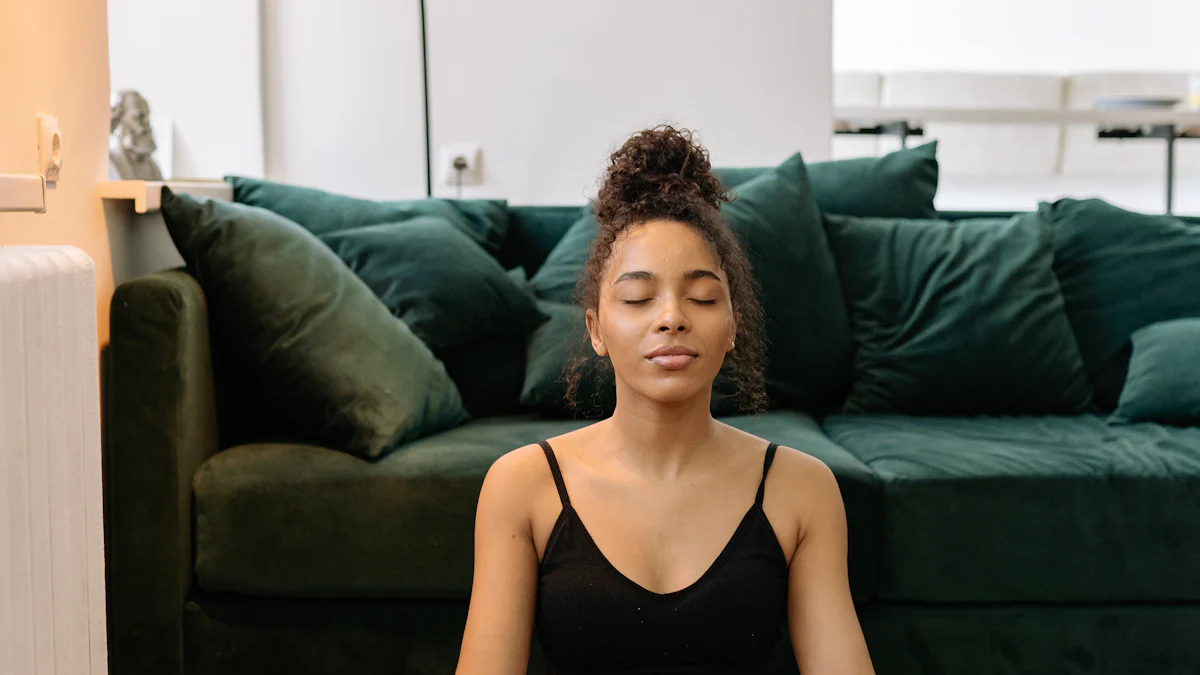
To practice Kundalini Yoga at home, you need a space that feels peaceful and inviting. Choose a spot where you won't be disturbed. It should be big enough to fit your yoga mat comfortably. You might want to decorate this area with items that inspire you, like a candle or a meaningful object. These can help create a sacred space that enhances your practice. Think about the atmosphere too. A quiet room with soft lighting can make a big difference in how you feel during your session.
Necessary Equipment
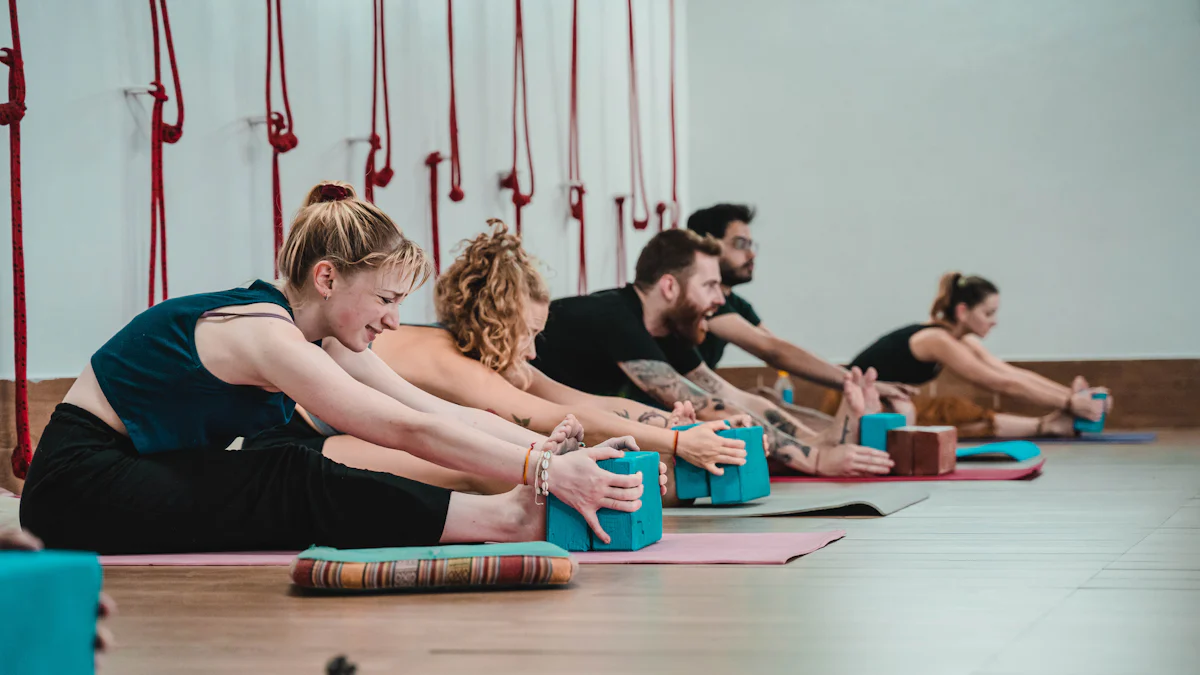
Having the right equipment can make your practice more enjoyable. A good yoga mat is essential. You might also find a blanket or carpeted room helpful for comfort during long poses. Consider using a pillow or meditation cushion for support. Yoga blocks or a rolled-up blanket can assist with challenging poses. These tools help you maintain proper alignment and prevent strain. Remember, the goal is to make your practice as comfortable and effective as possible.
Setting Intentions and Goals
Personal Objectives
Before you start your practice, take a moment to set your intentions. What do you hope to achieve with Kundalini Yoga? Maybe you want to reduce stress, improve flexibility, or connect with your inner self. Setting clear objectives gives your practice purpose and direction. It helps you stay focused and motivated. Write down your goals and revisit them regularly to see how you're progressing.
Tracking Progress
Keeping track of your progress is important. It shows you how far you've come and what areas need more attention. You can use a journal to note changes in your physical and mental state. Record how you feel before and after each session. This practice helps you understand the benefits of Kundalini Yoga over time. Celebrate your achievements, no matter how small. They are stepping stones on your journey to mastering Kundalini Yoga at home.
Step-by-Step Guide to Practice
Basic Techniques
Breathing Exercises (Pranayama)
Breathing exercises, or Pranayama, form the foundation of Kundalini Yoga. They help you control your breath and calm your mind. Start with Long Deep Breathing. Sit comfortably with your spine straight. Inhale slowly through your nose, filling your lungs completely. Hold your breath for a moment, then exhale slowly. Repeat this process for a few minutes. This technique increases oxygen flow and reduces stress.
Another effective exercise is Breath of Fire. Sit cross-legged with a straight spine. Inhale and exhale rapidly through your nose, keeping your breaths equal in length. Focus on your navel point, pulling it in as you exhale. This exercise energizes your body and clears your mind. Begin with one minute and gradually increase the duration as you become more comfortable.
Basic Poses (Asanas)
Kundalini Yoga includes several basic poses, or Asanas, that enhance flexibility and strength. Cat-Cow Pose is a great starting point. Begin on your hands and knees. Inhale as you arch your back, lifting your head and tailbone (Cow Pose). Exhale as you round your spine, tucking your chin to your chest (Cat Pose). This sequence warms up your spine and improves flexibility.
Try the Cobra Pose for strengthening your back. Lie face down with your palms under your shoulders. Inhale as you lift your chest off the ground, keeping your elbows close to your body. Hold for a few breaths, then lower back down. This pose opens your chest and strengthens your spine.
Advanced Techniques
Meditation Practices
Meditation is a key component of Kundalini Yoga. It helps you focus your mind and connect with your inner self. Start with Silent Meditation. Sit comfortably with your eyes closed. Focus on your breath or a specific mantra. Allow thoughts to pass without judgment. Begin with five minutes and gradually increase the time.
For a deeper experience, try Guided Visualization. Imagine a peaceful place, like a beach or forest. Visualize yourself there, feeling the sensations and emotions. This practice enhances relaxation and mental clarity. Use online resources or apps for guided sessions if needed.
Mantras and Chants
Mantras and chants are powerful tools in Kundalini Yoga. They help you focus and elevate your consciousness. Begin with the Sat Nam mantra. Sit comfortably and chant "Sat" on the inhale and "Nam" on the exhale. This mantra means "Truth is my identity" and helps you connect with your true self.
Explore the Wahe Guru mantra for a deeper spiritual connection. Chant "Wahe Guru" repeatedly, feeling the vibration in your body. This mantra expresses the indescribable joy of going from darkness to light. Practice these chants regularly to enhance your meditation and spiritual growth.
By incorporating these techniques into your practice, you can deepen your understanding of Kundalini Yoga. Start with the basics and gradually explore advanced methods. Remember, consistency is key to mastering this transformative practice at home.
Potential Risks and Safety Tips
Understanding Limitations
Physical Constraints
When you start practicing Kundalini Yoga, it's crucial to recognize your physical limits. Everyone's body is different, and what works for one person might not work for another. You might have tight muscles or previous injuries that require extra care. Listen to your body and avoid pushing yourself too hard. If a pose feels uncomfortable or painful, modify it or skip it altogether. Remember, the goal is to enhance your well-being, not to strain your body.
Mental Preparedness
Kundalini Yoga can also challenge your mental state. The practice involves deep meditation and introspection, which might bring up unexpected emotions. It's essential to approach these experiences with an open mind and patience. If you feel overwhelmed, take a break and return to your practice when you're ready. A personal journey with Kundalini Yoga over 40 years highlights the importance of mental readiness. The practitioner found that embracing the mental challenges led to a deeper understanding of themselves and their practice.
Safety Precautions
Listening to Your Body
Your body communicates with you during yoga practice. Pay attention to its signals. If you feel dizzy, lightheaded, or in pain, stop and rest. Hydrate and breathe deeply to regain your balance. Practicing yoga should leave you feeling refreshed and energized, not exhausted or in discomfort. Trust your instincts and adjust your practice to suit your needs.
Seeking Professional Guidance
While practicing Kundalini Yoga at home offers flexibility, seeking professional guidance can be beneficial. A qualified instructor can provide personalized advice and ensure you're performing poses correctly. They can help you avoid common mistakes and reduce the risk of injury. If you're new to Kundalini Yoga or have specific health concerns, consider attending a class or consulting with a yoga teacher. This support can enhance your practice and boost your confidence.
By understanding your limitations and taking necessary precautions, you can enjoy a safe and fulfilling Kundalini Yoga practice at home. Embrace the journey with patience and self-awareness, and you'll discover the transformative power of this ancient practice.
Utilizing Resources
Kundalini Yoga Manual PDF
Finding Reliable Sources
When you're diving into Kundalini Yoga, having a good manual can be a game-changer. But where do you find a reliable Kundalini Yoga manual PDF? Start by checking out well-known yoga websites and online communities. These platforms often have recommendations from experienced practitioners. You can also explore online bookstores that specialize in yoga and wellness. Look for manuals written by reputable authors or endorsed by established yoga schools. Reviews and ratings can also guide you in choosing a trustworthy source.
"A good manual is like a wise teacher guiding you through your practice," says a seasoned Kundalini Yoga instructor. So, take your time to find one that resonates with you.
How to Use Manuals Effectively
Once you've got your hands on a Kundalini Yoga manual PDF, it's time to make the most of it. Here are some tips to help you use it effectively:
Start with the Basics: Begin by reading the introductory sections. They often provide valuable insights into the philosophy and principles of Kundalini Yoga. Understanding these concepts will enrich your practice.
Follow the Instructions: Manuals usually include step-by-step guides for poses, breathing exercises, and meditations. Follow these instructions carefully. Pay attention to details like posture and breath control.
Set a Routine: Use the manual to create a consistent practice routine. Choose a few exercises or meditations to focus on each week. Consistency is key to experiencing the benefits of Kundalini Yoga.
Take Notes: As you practice, jot down any observations or questions. This habit helps you track your progress and identify areas for improvement.
Seek Clarification: If you encounter something unclear, don't hesitate to seek clarification. Online forums or local yoga classes can be great places to ask questions and get advice.
By using a Kundalini Yoga manual PDF effectively, you can deepen your understanding and enhance your practice. Remember, the manual is a tool to support your journey, so use it in a way that feels right for you.
You've explored the transformative world of Kundalini Yoga, from its rich history to its profound benefits. Practicing at home offers you a personal sanctuary for growth and healing. Remember, starting is the hardest part, but the journey is rewarding. Embrace each session with an open heart and mind.
"Kundalini Yoga acts as a balm on the heart, healing beautifully," as one practitioner shared after their transformative experience.
Begin your practice today and discover the powerful changes it can bring to your life. Your journey to mastering Kundalini Yoga at home awaits.

Hi my name is Lia and i am your host in this yoga journey in Portugal, Subscribe to our newsletter to receive every week the best of Yoga in Portugal.

We bring back the importance of initiation into womanhood by Roos-Veerle Krijnen & Ella-June Henrard
Welcome to the Women’s Initiation Retreat by Naked Truth Retreats, a transformative journey into the depths of your True Feminine Nature. This retreat invites you to remember the sacredness and wholeness of your being.
Roos-Veerle Krijnen & Ella-June Henrard