Mastering the Full Lotus Pose in Yoga

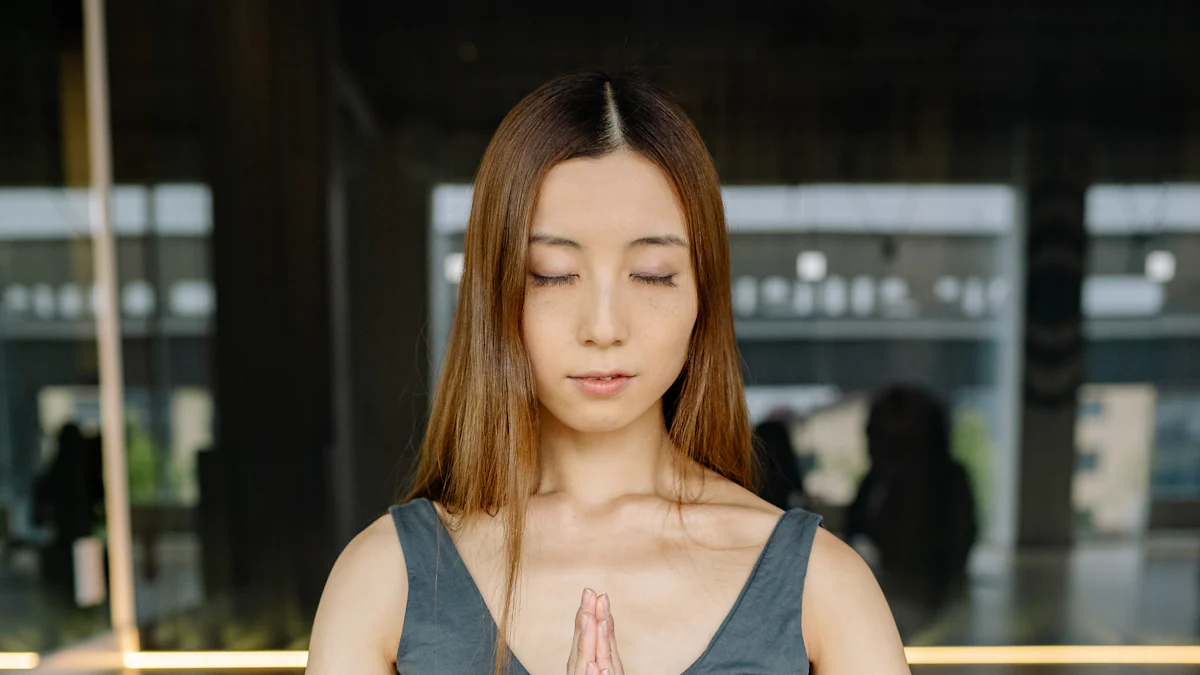
The yoga full lotus pose, or Padmasana, stands as a symbol of serenity and balance in yoga practice. This pose stretches your ankles and opens your hips, reducing muscular tension and preparing your mind for deep meditation. Mastering it enhances your flexibility and strengthens your spine, contributing to overall well-being. As you embark on this journey, approach it with patience and self-acceptance. Remember, every step forward is progress. Embrace the process, and allow yourself the grace to grow at your own pace.
Understanding the Yoga Full Lotus Pose
Definition and Origin
The yoga full lotus pose, or Padmasana, is more than just a physical posture. It holds a profound place in the history of yoga. This pose symbolises harmony and balance, reflecting the spiritual and philosophical traditions of ancient practices. Historically, yogis have used Padmasana as a means to achieve inner peace and tranquillity. The pose represents the blossoming of consciousness, much like a lotus flower rising above muddy waters to bloom in purity.
"Padmasana is not merely a pose; it is a journey towards self-discovery and enlightenment."
Physical and Mental Benefits
Practising the yoga full lotus pose offers numerous physical benefits. It enhances flexibility, particularly in the hips and ankles, and strengthens the core muscles. This improvement in flexibility and strength contributes to better posture and body alignment. As you sit in this pose, your blood circulation increases, promoting oxygenation throughout your body.
Mentally, the yoga full lotus pose aids in achieving clarity and focus. By calming the mind, it prepares you for deeper meditation. This mental clarity allows you to concentrate better, reducing stress and anxiety. As you engage in this practice, you cultivate a sense of inner peace and balance, which extends beyond your yoga mat into daily life.
Incorporating the yoga full lotus pose into your routine can transform both your physical and mental well-being. Embrace the journey, and let the pose guide you towards a more centred and harmonious existence.
Preparing the Body for Yoga Full Lotus Pose
Warm-up Exercises
Before attempting the full lotus pose, you must prepare your body with effective warm-up exercises. These exercises will help you avoid injury and improve your flexibility.
Hip-opening stretches
Butterfly Stretch: Sit on the floor with your feet together and knees bent out to the sides. Hold your feet with your hands and gently press your knees towards the ground. This stretch opens your hips and prepares them for the lotus pose.
Pigeon Pose: Begin in a downward-facing dog position. Bring your right knee forward and place it behind your right wrist. Extend your left leg back. Lower your torso over your right leg. This pose deeply stretches your hip muscles.
Lizard Pose: Start in a low lunge with your right foot forward. Place both hands inside your right foot. Lower your hips towards the ground. This stretch targets your hip flexors and groin.
Ankle and knee flexibility exercises
Ankle Circles: Sit comfortably and extend one leg. Rotate your ankle in circles, first clockwise and then anti-clockwise. This exercise increases ankle mobility.
Knee Bends: Stand with your feet hip-width apart. Slowly bend your knees and then straighten them. Repeat this movement to enhance knee flexibility.
Seated Forward Bend: Sit with your legs extended in front of you. Reach forward and try to touch your toes. This stretch not only benefits your knees but also your hamstrings.
Building Strength and Flexibility
To achieve the full lotus pose, you need to build strength and flexibility in your core and legs.
Core strengthening routines
Plank Pose: Lie face down and lift your body onto your forearms and toes. Keep your body straight and hold the position. This exercise strengthens your core muscles.
Boat Pose: Sit on the floor with your knees bent. Lean back slightly and lift your feet off the ground. Extend your arms forward. This pose engages your abdominal muscles.
Bridge Pose: Lie on your back with your knees bent and feet flat on the floor. Lift your hips towards the ceiling. This pose strengthens your lower back and core.
Progressive stretching techniques
Cat-Cow Stretch: Start on your hands and knees. Arch your back upwards like a cat, then lower it into a cow position. This movement increases spinal flexibility.
Standing Forward Bend: Stand with your feet together. Bend forward at the hips and reach for your toes. This stretch lengthens your hamstrings and spine.
Reclined Hand-to-Big-Toe Pose: Lie on your back and lift one leg. Hold your big toe with your hand. This pose stretches your hamstrings and calves.
By incorporating these exercises into your routine, you will gradually prepare your body for the full lotus pose. Consistent practice will lead to improved flexibility and strength, making the pose more accessible.
Step-by-Step Guide to Performing the Yoga Full Lotus Pose
Initial Positioning
Sitting posture and alignment
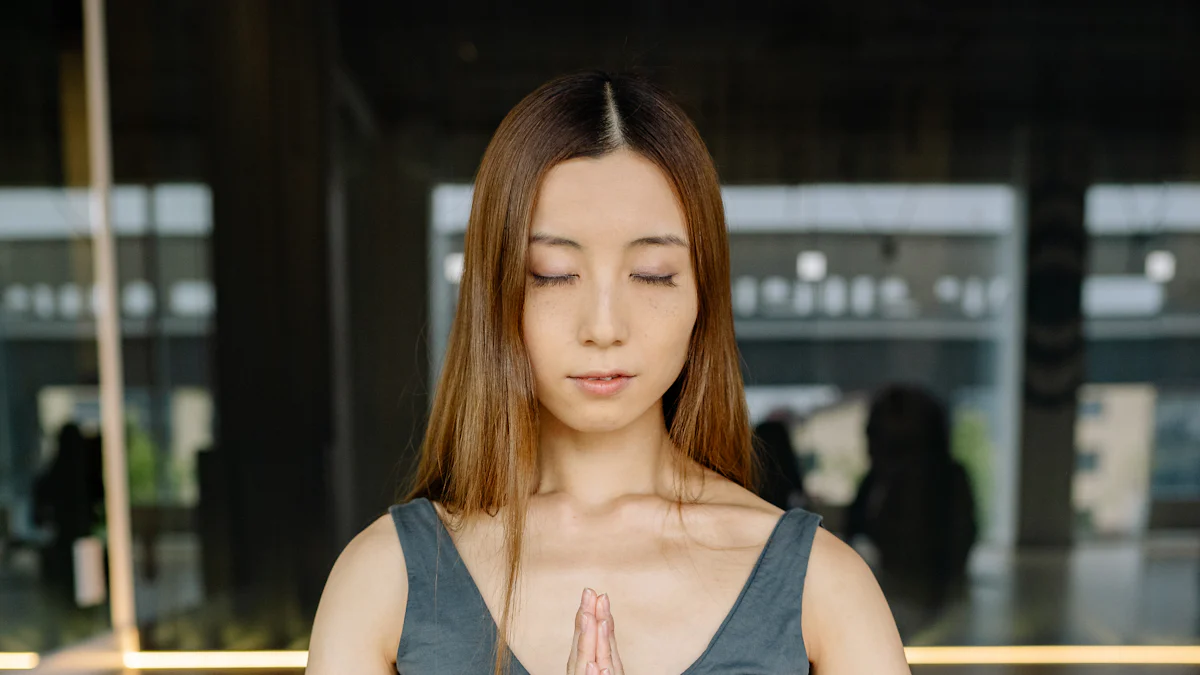
To begin your journey into the yoga full lotus pose, start by sitting on the floor with your legs extended in front of you. Ensure your spine remains straight and your shoulders relaxed. This posture sets the foundation for the pose, promoting proper alignment and balance. Keep your head aligned with your spine, and focus on maintaining a calm and steady breath. This initial positioning is crucial for achieving the full benefits of the yoga full lotus.
Positioning the legs correctly
Once you have established a stable sitting posture, gently bend your right knee and place your right foot on your left thigh. Ensure the sole of your foot faces upwards. Next, bend your left knee and bring your left foot onto your right thigh, mirroring the position of your right foot. Your legs should form a cross, with each foot resting comfortably on the opposite thigh. This positioning may take time to perfect, so be patient and listen to your body.
Achieving the Full Pose
Gradual progression into the pose
Achieving the yoga full lotus pose requires patience and gradual progression. Begin by practising the half lotus pose if you find the full pose challenging. This involves placing one foot on the opposite thigh while keeping the other leg bent with the foot on the ground. As your flexibility improves, gradually work towards the full pose. Consistent practice will help you achieve the desired flexibility and strength.
Maintaining balance and stability
Once you have positioned your legs correctly, focus on maintaining balance and stability. Engage your core muscles to support your spine and prevent any strain. Keep your hands resting on your knees, palms facing upwards, to encourage relaxation and openness. As you hold the pose, concentrate on your breath, allowing it to flow naturally. This focus will help you maintain stability and enhance the meditative aspect of the yoga full lotus pose.
"Another significant physical benefit of Padmasana is the increased blood circulation and oxygenation it provides." - International Journal of Novel Research and Development
The yoga full lotus pose not only enhances flexibility and strength but also promotes improved circulation. The compression created by the crossed legs stimulates blood flow, delivering more oxygen to your muscles and organs. This increased circulation contributes to overall vitality and well-being, making the yoga full lotus a valuable addition to your practice.
Variations and Modifications
Exploring variations and modifications of the yoga full lotus pose can enhance your practice, whether you're a beginner or an advanced practitioner. These alternatives allow you to adapt the pose to your current level of flexibility and strength, ensuring a safe and effective yoga experience.
Beginner-Friendly Alternatives
Half Lotus Pose
The Half Lotus Pose serves as an excellent starting point for those new to the yoga full lotus. In this variation, you place one foot on the opposite thigh while keeping the other leg bent with the foot resting on the ground. This position reduces strain on the knees and hips, making it more accessible. Practising the Half Lotus Pose regularly will gradually increase your flexibility and prepare you for the full version.
Supported Lotus Pose
For additional support, the Supported Lotus Pose offers a gentle introduction to the yoga full lotus. Use a cushion or yoga block under your hips to elevate your seating position. This elevation helps reduce pressure on your knees and ankles, allowing you to focus on maintaining proper alignment. The Supported Lotus Pose encourages relaxation and balance, making it ideal for beginners.
Advanced Variations
Bound Lotus Pose
The Bound Lotus Pose challenges your flexibility and strength further. In this advanced variation, you wrap your arms behind your back and clasp your toes. This pose requires a deep external rotation of the hips and shoulders, enhancing your overall flexibility. Approach the Bound Lotus Pose with caution and ensure your body is adequately warmed up before attempting it.
Lotus in Headstand
For seasoned practitioners, the Lotus in Headstand combines the yoga full lotus with an inversion. Begin in a headstand position and gradually move your legs into the full lotus configuration. This variation demands significant core strength and balance. It offers a unique perspective on the yoga full lotus, promoting increased blood circulation and mental focus.
"Several studies have investigated the effects of Padmasana on musculoskeletal health, flexibility, and posture. Research has also explored the psychological benefits of Padmasana, such as stress reduction."
Incorporating these variations and modifications into your practice can enrich your yoga journey. Whether you are easing into the yoga full lotus or seeking to deepen your experience, these options provide valuable pathways to explore. Remember to listen to your body and progress at your own pace, ensuring a safe and fulfilling practice.
Safety Precautions and Common Mistakes
When practising the yoga full lotus, prioritising safety is essential. Understanding how to avoid injury and correct common mistakes will enhance your experience and ensure a safe practice.
Avoiding Injury
Listening to your body
Your body communicates its limits. Pay attention to any discomfort or pain while attempting the yoga full lotus. If you feel sharp pain in your knees or hips, stop immediately. Pain signals that your body is not ready for the pose. Respect your body's boundaries and progress at your own pace. This approach prevents injuries and promotes a sustainable practice.
Recognising signs of strain
Strain often manifests as persistent soreness or discomfort. If you notice these signs after practising the yoga full lotus, reassess your technique. Ensure you warm up adequately before attempting the pose. Incorporate gentle stretches to prepare your muscles and joints. Recognising strain early allows you to adjust your practice and prevent further issues.
Correcting Common Errors
Misalignment issues
Misalignment can hinder your progress in the yoga full lotus. Ensure your spine remains straight and your shoulders relaxed. Your head should align with your spine. Misalignment often results from rushing into the pose. Take your time to position your legs correctly. Use a mirror or seek guidance from a yoga instructor to check your alignment. Proper alignment enhances the benefits of the pose and reduces the risk of injury.
Overstretching concerns
Overstretching poses a significant risk in the yoga full lotus. Avoid forcing your legs into position. Instead, focus on gradual progression. Begin with beginner-friendly alternatives like the half lotus pose. As your flexibility improves, work towards the full pose. Overstretching can lead to muscle tears and joint issues. Practise patience and allow your body to adapt naturally.
"The key to mastering the yoga full lotus lies in understanding your body's limits and respecting them."
By following these safety precautions and addressing common mistakes, you create a foundation for a rewarding yoga full lotus practice. Remember, the journey to mastering this pose involves patience and self-awareness. Embrace the process and enjoy the benefits of a safe and effective practice.
Mastering the Full Lotus Pose is a rewarding journey that enhances both your physical and mental well-being. As you progress, remember to practice regularly and safely. Consistency is key to unlocking the pose's full potential.
"Lotus Pose increases flexibility and builds character, but you have to stick with it to reap the benefits." - You Aligned
Incorporating this pose into your daily routine can transform your practice. The Hatha Yoga Pradipika describes it as the "destroyer of disease," highlighting its profound impact on your body's balance and energy. Embrace the journey, and let the Full Lotus Pose guide you towards harmony and health.
See Also
Perfecting the Lotus Position in Yoga
Mastery of the Pigeon Stance in Yoga
Achieving Balasana: An In-Depth Tutorial

Hi my name is Lia and i am your host in this yoga journey in Portugal, Subscribe to our newsletter to receive every week the best of Yoga in Portugal.

We bring back the importance of initiation into womanhood by Roos-Veerle Krijnen & Ella-June Henrard
Welcome to the Women’s Initiation Retreat by Naked Truth Retreats, a transformative journey into the depths of your True Feminine Nature. This retreat invites you to remember the sacredness and wholeness of your being.
Roos-Veerle Krijnen & Ella-June Henrard