Mastering Fish Pose Yoga: A Step-by-Step Guide

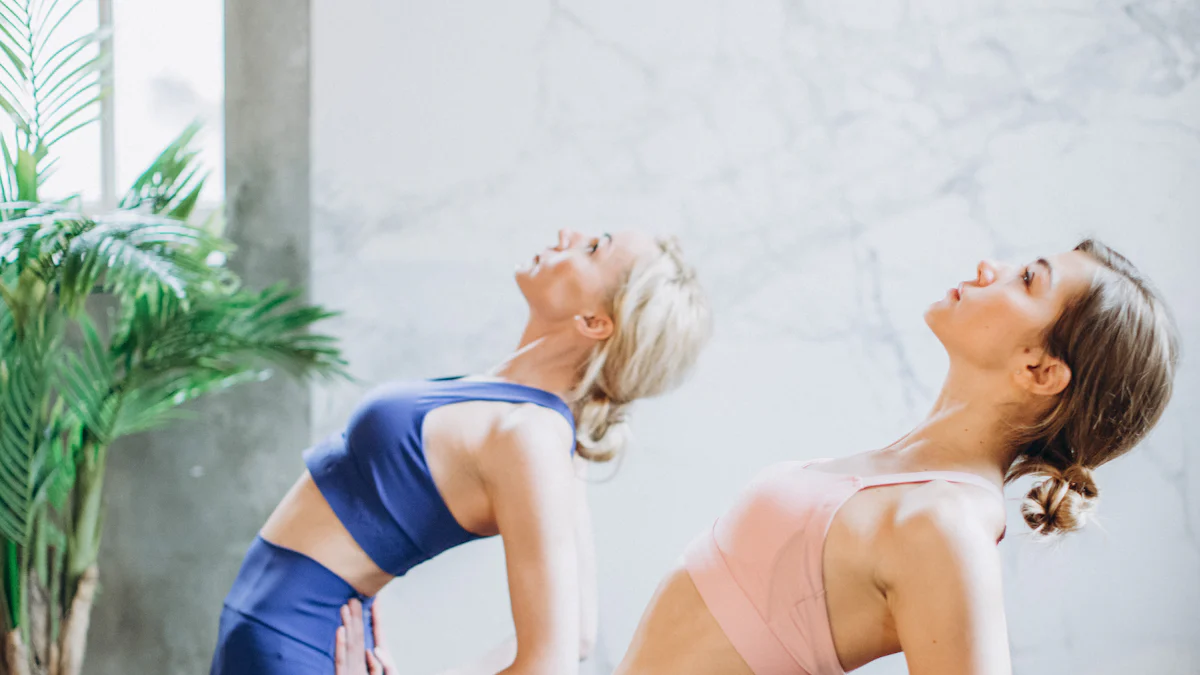
Fish Pose Yoga, also known as Matsyasana, offers a unique blend of relaxation and strength. You’ll find it stretches the front of your body while strengthening your upper back muscles. This pose improves spinal flexibility and posture, opening up your lungs to enhance breathing. Regular practice can energize your body, reduce fatigue, and even relieve anxiety. Mastering this pose not only boosts your physical health but also builds self-confidence, setting a solid foundation for more complex yoga practices.
Understanding Fish Pose Yoga
What is Fish Pose?
Fish Pose Yoga, or Matsyasana, is a classic yoga posture that offers numerous benefits. This pose involves lying on your back and arching your chest upward, creating a gentle backbend. It’s often used as a counterpose to shoulder stands, helping to balance the body.
Origin and significance
Fish Pose has its roots in ancient yoga practices. Traditionally, yogis believed that this pose could help them float like a fish in water, hence the name. The significance of Fish Pose lies in its ability to open the heart chakra, promoting emotional release and spiritual growth. By practicing this pose, you connect with a long lineage of yogic wisdom.
Physical and mental benefits
Fish Pose Yoga provides a wide range of physical and mental benefits. Physically, it stretches the front of your body, including the throat, chest, and abdomen. It strengthens the muscles in your upper back and neck, improving spinal flexibility and posture. This pose also stimulates the digestive organs, aiding in digestion and relieving constipation. Mentally, Fish Pose encourages deep breathing, which can help alleviate stress and anxiety. Regular practice can energize your body, lift your mood, and enhance mental clarity.
Preparations Before Practicing
Before diving into Fish Pose Yoga, it's essential to prepare your body and mind. Proper preparation ensures a safe and effective practice.
Necessary equipment
To practice Fish Pose Yoga, you'll need a few basic items:
Yoga mat: Provides cushioning and support for your body.
Yoga block or bolster: Offers additional support, especially for beginners.
Comfortable clothing: Allows for free movement and flexibility.
Having these items ready will make your practice more comfortable and enjoyable.
Warm-up exercises
Warming up is crucial before attempting Fish Pose Yoga. Here are some simple exercises to get you started:
Neck rolls: Gently roll your neck in circular motions to release tension.
Shoulder shrugs: Lift your shoulders towards your ears and then release them.
Cat-Cow stretch: Move between arching and rounding your back to warm up your spine.
Chest openers: Interlace your fingers behind your back and gently lift your arms to open your chest.
These exercises prepare your body for the stretch and strength required in Fish Pose Yoga, ensuring a safe and effective practice.
Step-by-Step Instructions for Fish Pose Yoga
Getting into the Pose
Initial positioning
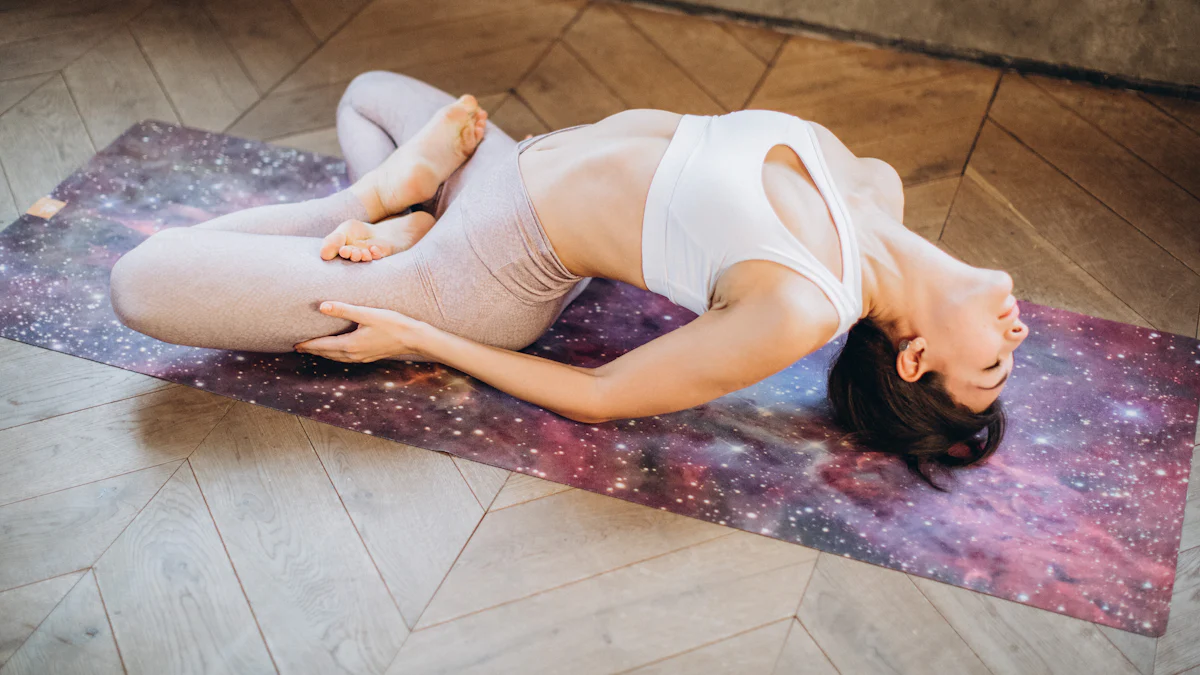
To start with fish pose yoga, lie flat on your back on a comfortable yoga mat. Bend your knees and place your feet flat on the floor. This initial position helps you stabilize your body. Slide your hands underneath your buttocks, palms facing down. This hand placement supports your lower back as you move into the pose.
Aligning the body
Next, straighten your legs and press your forearms and elbows firmly into the mat. As you inhale, lift your chest towards the ceiling, creating an arch in your upper back. Keep your shoulders pressed against the ground. Tilt your head back gently, allowing the crown of your head to rest lightly on the floor. This alignment opens up your chest and throat, enhancing the benefits of fish pose yoga.
Holding the Pose
Breathing techniques
Breathing plays a crucial role in maintaining fish pose yoga. Take deep, slow breaths, allowing your chest to expand with each inhale. This breathing technique not only helps you hold the pose but also promotes relaxation. As yoga experts suggest, "Let your breath and your thoughts remain soft and flowing, just like a fish gently drifting through the water."
Maintaining balance
Focus on distributing your weight evenly between your forearms and the crown of your head. This balance prevents strain on your neck and ensures a stable posture. If you feel discomfort, adjust your position slightly. Remember, the goal is to feel a gentle stretch, not pain.
Exiting the Pose
Safely releasing the posture
When you're ready to exit fish pose yoga, engage your core muscles. Gently lift your head off the floor and lower your chest back to the mat. Slide your hands out from under your buttocks and relax your arms by your sides. This careful release protects your neck and spine.
Post-pose relaxation
After completing fish pose yoga, take a moment to relax. Lie flat on your back with your arms and legs extended. Close your eyes and breathe deeply, allowing your body to absorb the benefits of the pose. This relaxation phase helps you transition smoothly from the active stretch to a state of calm.
By following these steps, you can master fish pose yoga and enjoy its numerous benefits. Whether you're a beginner or an experienced yogi, this pose offers a rewarding challenge that enhances both physical and mental well-being.
Benefits and Contraindications
Health Benefits
Physical benefits
Fish pose yoga, or Matsyasana, offers a wealth of physical benefits that can enhance your overall well-being. When you practice this pose regularly, you stretch the entire front of your body, including your chest, throat, and abdomen. This stretch helps improve your posture by opening up your chest and shoulders, which can counteract the effects of sitting for long periods. Additionally, fish pose yoga stimulates your respiratory system, promoting better lung function and deeper breathing. This can be particularly beneficial if you experience respiratory issues or simply want to enhance your breathing capacity.
Moreover, fish pose yoga aids in digestion by stimulating the abdominal organs. This can help alleviate digestive discomfort and improve your body's ability to process food efficiently. The gentle backbend involved in this pose also helps relieve tension in your neck and upper back, making it an excellent choice for those who suffer from back pain.
Mental and emotional benefits
Beyond the physical advantages, fish pose yoga provides significant mental and emotional benefits. By opening the heart and throat centers, this pose encourages emotional release and spiritual growth. Practicing fish pose yoga can help reduce stress and anxiety, promoting a sense of calm and relaxation. The deep breathing techniques associated with this pose enhance mental clarity and focus, allowing you to approach your day with a clear mind.
Regular practice of fish pose yoga can also boost your mood and energy levels. As you stretch and strengthen your body, you may find yourself feeling more invigorated and ready to tackle challenges with confidence. This pose serves as a powerful tool for enhancing your mental and emotional well-being.
Contraindications
Who should avoid this pose
While fish pose yoga offers numerous benefits, it's important to recognize that it may not be suitable for everyone. If you have a history of neck or back injuries, you should approach this pose with caution. The backbend involved in fish pose yoga can place strain on these areas, potentially exacerbating existing conditions. Additionally, individuals with high blood pressure or migraines should consult with a healthcare professional before attempting this pose, as it may not be advisable for them.
Precautions to consider
If you're new to fish pose yoga or have any health concerns, consider using props such as a yoga block or bolster to support your practice. These tools can help you achieve the correct alignment and reduce strain on your neck and back. Always listen to your body and avoid pushing yourself too hard. If you experience any discomfort or pain, gently exit the pose and rest.
Incorporating fish pose yoga into your routine can be a transformative experience, offering both physical and mental benefits. By understanding the contraindications and taking necessary precautions, you can safely enjoy the rewards of this powerful yoga pose.
Variations and Modifications
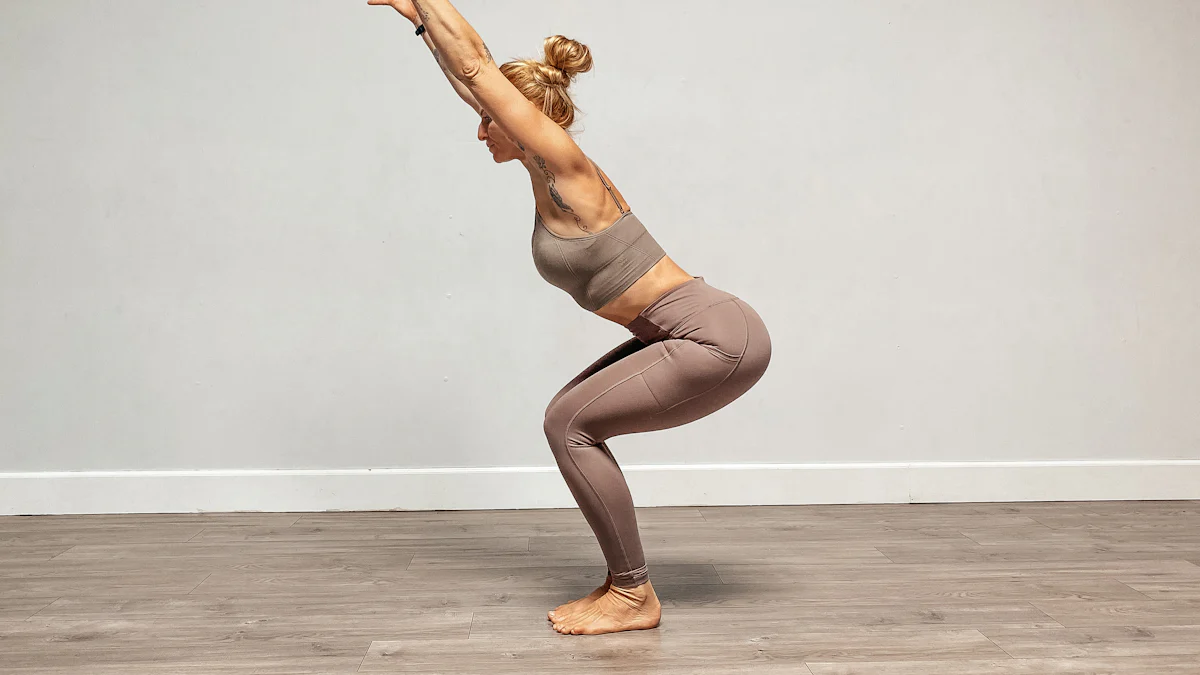
Fish pose yoga offers a variety of modifications and variations to suit practitioners of all levels. Whether you're just starting or looking to deepen your practice, these adjustments can help you find the perfect balance between challenge and comfort.
Beginner Modifications
For those new to fish pose yoga, modifications can make the posture more accessible and enjoyable. Here are some beginner-friendly adjustments:
Using props
Props can be incredibly helpful when you're starting with fish pose yoga. A yoga block or bolster can provide the support you need to ease into the pose. Place a block or bolster under your upper back to lift your chest gently. This support helps maintain the arch in your back without straining your neck or spine. By using props, you can focus on breathing and relaxation while still reaping the benefits of the pose.
Simplified versions
If you're finding the full fish pose challenging, try a simplified version. Begin by lying on your back with your knees bent and feet flat on the floor. Instead of lifting your chest high, keep a gentle arch in your upper back. You can also keep your head slightly elevated by resting it on a folded blanket. This version allows you to experience the stretch and opening of fish pose yoga without overexerting yourself.
Advanced Variations
Once you're comfortable with the basic fish pose yoga, you might want to explore more advanced variations. These options can enhance your practice and provide a deeper stretch.
Challenging modifications
For a more challenging experience, try lifting your legs off the ground while in fish pose yoga. Straighten your legs and engage your core to maintain balance. This modification intensifies the stretch in your chest and abdomen, providing a more dynamic workout. Remember to keep your breathing steady and controlled as you hold this advanced variation.
Enhancing the pose
To further enhance fish pose yoga, incorporate arm movements. Extend your arms overhead, reaching towards the back of your mat. This extension increases the stretch in your shoulders and chest, promoting greater flexibility. You can also experiment with different hand positions, such as clasping your hands together or holding opposite elbows. These enhancements add variety to your practice and help you explore the full potential of fish pose yoga.
By incorporating these variations and modifications, you can tailor fish pose yoga to your individual needs and goals. Whether you're seeking a gentle stretch or a more intense challenge, there's a version of fish pose yoga that can support your journey. Embrace these options and enjoy the transformative benefits of this versatile pose.
You've now explored the ins and outs of Fish Pose Yoga. This pose offers a wealth of benefits, from enhancing your posture to boosting your mental clarity. Regular practice can transform your yoga journey, bringing you closer to a state of balance and peace. As one anonymous practitioner shared,
"10 breaths in fish pose always leaves me with a feeling of compassion, joy, and contentment."
So, why not make Fish Pose a staple in your routine? Dive deeper into yoga and discover more poses that can enrich your life. Keep practicing, and enjoy the journey!
See Also
Perfecting the Half Moon Position in Yoga
Detailed Path to Becoming a Certified Yoga Teacher
Top 10 Difficult Yoga Poses for Couples

Hi my name is Lia and i am your host in this yoga journey in Portugal, Subscribe to our newsletter to receive every week the best of Yoga in Portugal.

We bring back the importance of initiation into womanhood by Roos-Veerle Krijnen & Ella-June Henrard
Welcome to the Women’s Initiation Retreat by Naked Truth Retreats, a transformative journey into the depths of your True Feminine Nature. This retreat invites you to remember the sacredness and wholeness of your being.
Roos-Veerle Krijnen & Ella-June Henrard