Mastering the Fallen Star Yoga Pose

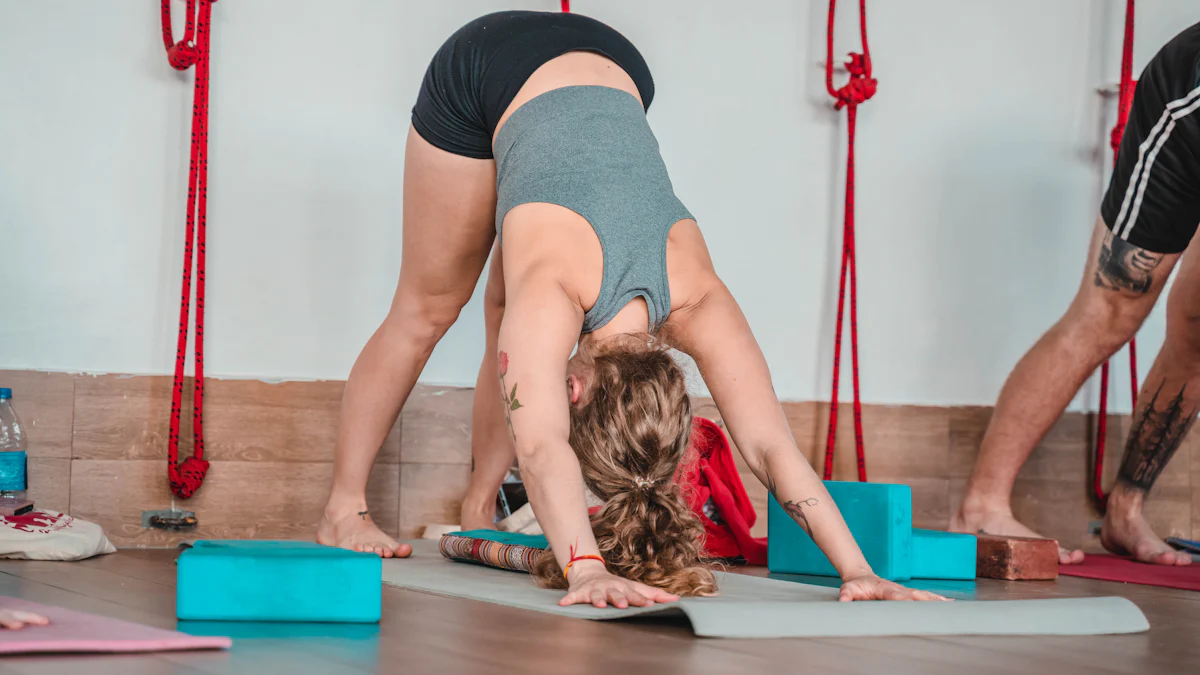
Have you ever tried the Fallen Star yoga pose? This unique pose, also known as Patita Tarasana, is a side plank variation that opens up your hips and chest. It plays a significant role in enhancing your balance, strength, and flexibility. By practicing this pose, you can improve your posture and breathing. Yoga, in general, has been shown to boost physical and mental well-being, with benefits like increased strength, flexibility, and reduced stress. The Fallen Star yoga pose is a perfect example of how yoga can help you achieve these benefits while also promoting relaxation and body awareness.
How to Perform the Fallen Star Yoga Pose

Mastering the fallen star yoga pose can be a rewarding journey. This pose challenges your balance and strength, making it a fantastic addition to your yoga practice. Let's break it down step-by-step so you can confidently incorporate it into your routine.
Step-by-Step Instructions
Starting Position
Begin in a Three-Legged Downward Facing Dog. Place your hands firmly on the mat, and lift your right leg high behind you. This position sets the foundation for transitioning smoothly into the fallen star yoga pose.
Transitioning into the Pose
Shift your weight onto your left hand and rotate your body to the side. Extend your right leg under your body, placing it on the floor outside your left hand. Keep your left leg straight and strong. Your right arm should reach towards the sky, creating a beautiful line from your grounded hand to your fingertips.
Holding the Pose
Once in position, focus on lifting your hips and chest. This action prevents them from sinking and helps maintain proper alignment. Keep your gaze either up towards your lifted hand or straight ahead. Holding the fallen star yoga pose requires concentration, which sharpens your focus and steadies your mind.
Returning to the Starting Position
To exit the pose, lower your right arm and rotate your body back to the starting position. Return to the Three-Legged Downward Facing Dog, and then gently lower your right leg to the mat. Take a moment to breathe and reset before switching sides.
Common Mistakes to Avoid
Practicing the fallen star yoga pose can be tricky, especially if you're new to it. Here are some common pitfalls to watch out for:
Incorrect Alignment
Ensure your body forms a straight line from your grounded hand to your lifted hand. Misalignment can lead to discomfort and reduce the effectiveness of the pose. Keep your neck long and neutral to avoid strain.
Overstretching
It's easy to push too hard, especially when you're eager to master the pose. Listen to your body and avoid overstretching. If you feel any pain, ease back into a more comfortable position. Remember, yoga is about progress, not perfection.
"Fallen Star Pose can be a bit challenging so you may want to encourage children to start with the back knee and shin down to the ground to create a little kickstand," suggests Yoremikids, a child yoga instructor. This modification helps build strength and confidence.
By following these steps and avoiding common mistakes, you'll find yourself mastering the fallen star yoga pose with grace and ease. Keep practicing, and enjoy the journey!
Benefits of the Fallen Star Yoga Pose
The fallen star yoga pose offers a wealth of benefits that extend beyond just physical improvements. By incorporating this pose into your routine, you can experience a holistic enhancement of both body and mind.
Physical Benefits
Enhances Core Strength
When you practice the fallen star yoga pose, you engage your core muscles intensely. This engagement helps build strength in your abdominal region, which is crucial for maintaining stability and balance in various yoga poses and daily activities. A strong core supports your spine and improves your posture, making you feel more confident and aligned.
Improves Balance and Coordination
The fallen star yoga pose challenges your balance by requiring you to stabilize your body on one hand and foot. This challenge enhances your coordination and proprioception, which is your body's ability to sense its position in space. Improved balance and coordination can translate into better performance in sports and other physical activities, reducing the risk of injuries.
Mental and Emotional Benefits
Increases Focus and Concentration
Holding the fallen star yoga pose demands concentration and mindfulness. As you focus on maintaining your alignment and balance, you train your mind to stay present and attentive. This practice can enhance your ability to concentrate on tasks outside of yoga, improving your productivity and mental clarity.
Promotes Relaxation and Stress Relief
Yoga, including the fallen star yoga pose, is renowned for its stress-relieving properties. By practicing this pose, you can lower cortisol levels, the stress hormone, in your body. This reduction in stress hormones can lead to a calmer mind and a more relaxed state of being. Regular practice of the fallen star yoga pose can help you manage stress more effectively, promoting overall well-being.
"Practicing yoga regularly can decrease the stress hormone cortisol and help with stress-related depression," notes Northwestern Medicine. This makes yoga a valuable tool for enhancing mental health and emotional resilience.
Incorporating the fallen star yoga pose into your routine can provide these physical and mental benefits, helping you achieve a balanced and healthy lifestyle. Keep practicing, and enjoy the journey towards a stronger, more focused, and relaxed you.
Modifications and Variations

Beginner Modifications
Starting with the Fallen Star yoga pose can be challenging, but don't worry. You can make it easier by using some beginner-friendly modifications.
Using Props for Support
Props can be your best friend when you're just starting out. Use a yoga block or a sturdy chair to support your hand. This support helps you maintain balance and reduces the strain on your wrist. Place the block under your grounded hand to elevate your body slightly. This elevation makes it easier to hold the pose without compromising your alignment.
Simplified Version of the Pose
If the full pose feels too intense, try a simplified version. Keep your back knee and shin on the ground. This modification creates a stable base, allowing you to focus on lifting your chest and hips. By practicing this version, you build strength and confidence gradually. As you become more comfortable, you can progress to the full pose.
Advanced Variations
Once you've mastered the basics, you might want to explore some advanced variations. These variations add complexity and challenge to your practice.
Adding a Twist
Incorporate a twist to deepen the stretch and engage your core even more. From the Fallen Star pose, rotate your torso towards the sky. Reach your top arm over your head, creating a twisting motion. This variation enhances flexibility and strengthens your oblique muscles. Remember to keep your movements controlled and steady.
Incorporating Arm Balances
For those seeking an extra challenge, try incorporating arm balances. Transition from the Fallen Star pose into a side plank with your top leg lifted. This variation demands significant strength and balance. Focus on engaging your core and maintaining a straight line from your head to your toes. Arm balances not only test your physical limits but also boost your mental focus and determination.
"Technology-driven solutions empower practitioners to refine their postures with precision," notes a group of researchers. Using tools like yoga apps or online classes can help you perfect these variations safely.
By exploring these modifications and variations, you can tailor the Fallen Star yoga pose to suit your level and goals. Whether you're a beginner or an advanced yogi, there's always room to grow and challenge yourself. Keep practicing, and enjoy the journey of discovering what your body can achieve!
Precautions and Contraindications
When practicing the Fallen Star yoga pose, it's crucial to be aware of certain precautions and contraindications. This ensures you enjoy the benefits of the pose while minimizing the risk of injury.
Who Should Avoid This Pose
Individuals with Wrist Injuries
If you have wrist injuries, you should avoid the Fallen Star pose. This pose places significant weight on your wrists, which can exacerbate existing injuries. Instead, focus on poses that don't strain your wrists. Always prioritize healing and consult a healthcare professional before attempting weight-bearing poses.
Those with Balance Issues
Balance plays a key role in the Fallen Star pose. If you struggle with balance, this pose might not be suitable for you. Practicing poses that improve balance gradually can help. Consider using props or practicing under the guidance of an experienced instructor to build confidence and stability.
Safety Tips
Warm-Up Exercises
Warming up is essential before diving into the Fallen Star pose. Engage in exercises that prepare your body, focusing on your wrists, shoulders, and core. A proper warm-up increases blood flow and flexibility, reducing the risk of injury. Simple stretches and joint rotations can make a big difference.
Listening to Your Body
Your body communicates its limits, so listen closely. If you feel discomfort or pain, ease out of the pose. Yoga is about progress, not perfection. Respect your body's signals and modify poses as needed. Over time, you'll build strength and flexibility, allowing you to explore more challenging poses safely.
"On average, 0.60 acute injuries per 1000 hours of practice were reported by study participants," highlighting the importance of safety in yoga practice. By taking precautions and listening to your body, you can enjoy the benefits of yoga while minimizing the risk of injury.
Mastering the Fallen Star yoga pose can transform your practice. This unique pose, a blend of Side Plank and Triangle Pose, offers a fun way to enhance your strength, balance, and flexibility. Regular practice helps you unlock these benefits, making you feel like a superstar on the mat. Keep practicing, and you'll find yourself more focused and relaxed.
"Yoga is not about touching your toes, it's about what you learn on the way down."
Explore other yoga poses to continue your journey towards holistic well-being.
See Also
Essential Techniques for Mastering Sudarshan Kriya Yoga
A Beginner's Guide to Mastering Kundalini Yoga Kriyas
Step-by-Step Approach to Master Kundalini Yoga at Home

Hi my name is Lia and i am your host in this yoga journey in Portugal, Subscribe to our newsletter to receive every week the best of Yoga in Portugal.

We bring back the importance of initiation into womanhood by Roos-Veerle Krijnen & Ella-June Henrard
Welcome to the Women’s Initiation Retreat by Naked Truth Retreats, a transformative journey into the depths of your True Feminine Nature. This retreat invites you to remember the sacredness and wholeness of your being.
Roos-Veerle Krijnen & Ella-June Henrard