Mastering Eagle Pose in Yoga: A Step-by-Step Guide

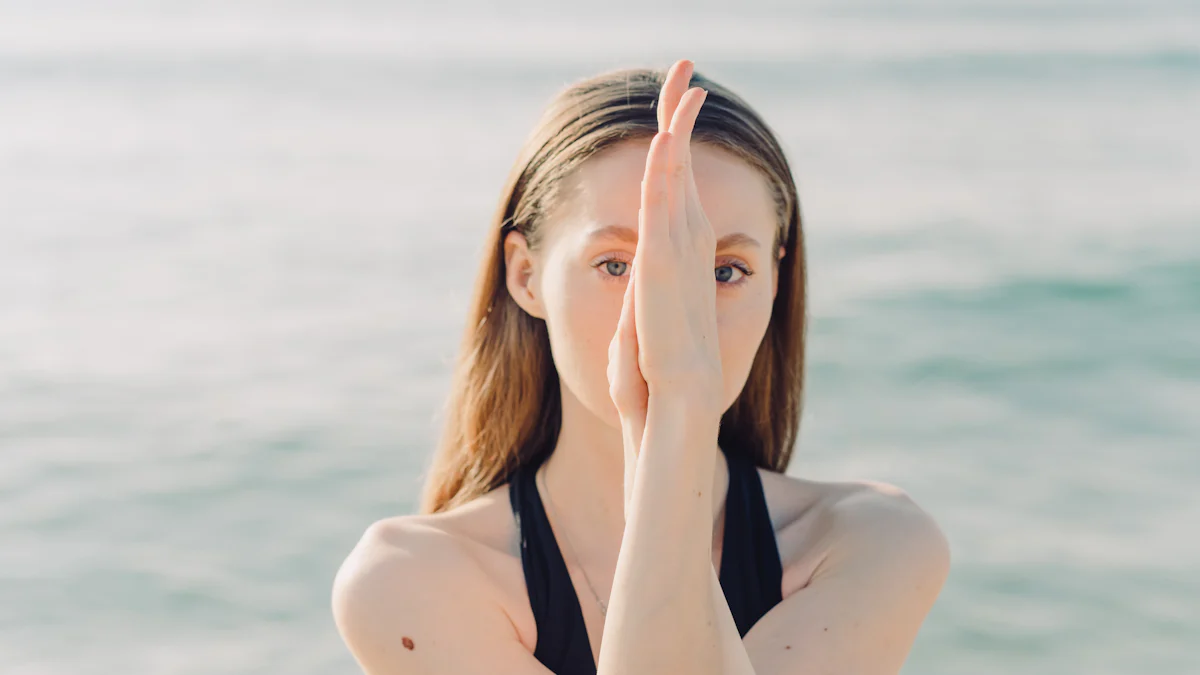
Eagle Pose Yoga, also known as Garudasana, is a unique and powerful posture that challenges your balance and flexibility. Mastering this pose can significantly enhance your yoga practice. It strengthens your core, legs, and ankles while improving your focus and body awareness. By incorporating Eagle Pose into your routine, you not only stretch your shoulders, upper back, and thighs but also increase your shoulder and hip mobility. This pose builds breath awareness, helping you connect more deeply with your practice. Embrace the challenge and enjoy the myriad benefits it brings to your mind and body.
Understanding Eagle Pose Yoga
Definition and Origin
Eagle Pose Yoga, or Garudasana, holds a special place in the world of yoga. The name "Garudasana" comes from the Sanskrit words "Garuda," meaning eagle, and "asana," meaning pose. This pose is named after Garuda, the mighty king of birds in Hindu mythology. Known for his strength and vigilance, Garuda symbolizes the essence of this pose. In Hindu tales, Garuda is a bird creature, half eagle and half human, representing birth and heaven. His association with the sun and fire highlights the transformative power of this pose.
Muscles Worked
When you practice Eagle Pose Yoga, you engage several key muscle groups.
Primary muscles engaged
The primary muscles worked include your thighs, hips, and shoulders. As you wrap your legs and arms, your thighs and hips bear the weight, building strength and stability. Your shoulders also get a good stretch, enhancing flexibility.
Secondary muscles involved
Secondary muscles like your calves, ankles, and upper back also play a role. Your calves and ankles help maintain balance, while your upper back supports the arm bind. This comprehensive engagement makes Eagle Pose a full-body workout.
Benefits of Eagle Pose Yoga
Eagle Pose Yoga offers a range of benefits that go beyond physical fitness.
Physical benefits
Physically, this pose improves balance and coordination. It strengthens your legs and core, enhancing overall stability. The deep stretch in your shoulders and upper back increases flexibility, which can help prevent injuries.
Mental and emotional benefits
Mentally, Eagle Pose encourages focus and concentration. As you balance, you must stay present, which can calm your mind and reduce stress. Emotionally, the pose fosters a sense of accomplishment and confidence as you master its complexities. By integrating Eagle Pose into your routine, you nurture both body and mind, creating a harmonious yoga practice.
Step-by-Step Instructions for Eagle Pose Yoga
Preparing for the Pose
Before diving into the intricacies of eagle pose yoga, it's crucial to prepare your body. A proper warm-up ensures your muscles are ready and reduces the risk of injury.
Warm-up exercises
Start with some gentle stretches. Focus on your shoulders, hips, and legs. You might try arm circles to loosen your shoulders or hip circles to increase mobility. Leg swings can also help activate your thighs and calves. These exercises will get your blood flowing and prepare your joints for the unique demands of eagle pose yoga.
Necessary equipment or props
While eagle pose yoga doesn't require much equipment, a yoga mat provides a stable surface. If you're new to this pose, consider using a yoga block or strap. These props can offer support and help you maintain balance as you learn the pose.
Executing the Pose
Now that you're warmed up, it's time to execute eagle pose yoga. This pose requires focus and concentration, so take your time and be patient with yourself.
Initial stance and alignment
Begin in Mountain Pose, standing tall with your feet together and arms at your sides. Engage your core and keep your spine straight. This alignment sets the foundation for a successful eagle pose yoga practice.
Detailed steps to achieve the pose
Shift your weight onto your right foot. Bend your knees slightly.
Cross your left thigh over your right thigh as high as possible. If you can, hook your left foot behind your right calf.
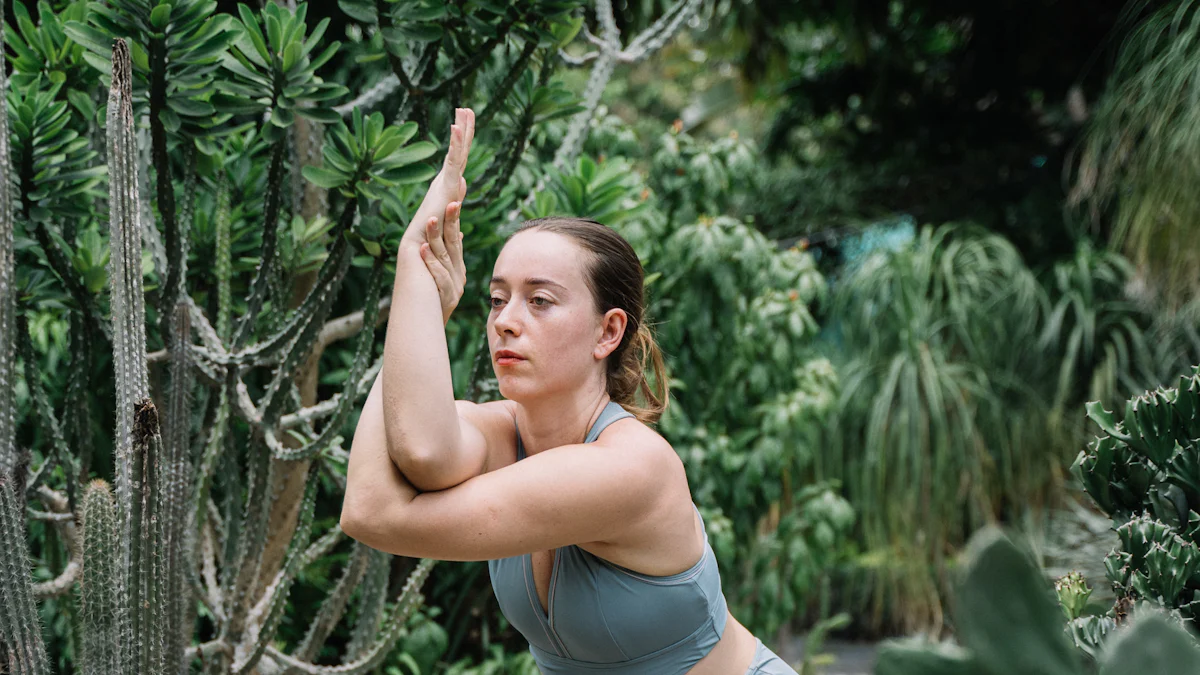
Extend your arms forward. Wrap your right arm under your left arm, pressing your forearms together. If possible, wrap your right hand around your left wrist.
Lift your elbows to shoulder height while keeping your shoulders relaxed and your chest lifted.
Mariana, a yoga expert, emphasizes, "It requires your joints, muscles, alignment, and breath to work together."
Breathing techniques during the pose
Breathing plays a vital role in maintaining balance and focus. Inhale deeply as you enter the pose. Hold your breath for a moment, then exhale slowly. This rhythm helps you stay grounded and enhances your concentration. As you hold the pose, focus on your breath to calm your mind and body.
Practicing eagle pose yoga regularly will improve your balance and mental clarity. Remember, it's not just about the physical challenge. It's about developing awareness and calmness, elevating your mental attention span. Embrace the journey and enjoy the transformation.
Variations and Modifications
Eagle pose yoga can be adapted to suit different skill levels and body types. Whether you're a beginner or an advanced practitioner, there are modifications and variations to help you get the most out of this pose.
Beginner Modifications
Starting with eagle pose yoga can feel challenging, but don't worry. There are simpler versions to ease you into it.
Simplified versions of the pose
Legs Only: Focus on just the leg position. Stand in Mountain Pose and cross one leg over the other without hooking your foot behind the calf. This helps you practice balance without the full bind.
Arms Only: If the leg bind feels too tricky, try just the arm position. Extend your arms forward, wrap one under the other, and press your palms together. This allows you to work on shoulder flexibility.
Use of props for support
Props can be your best friend when learning eagle pose yoga.
Yoga Blocks: Place a block under your foot for extra stability. This helps maintain balance as you work on the leg bind.
Straps: Use a yoga strap to connect your hands if they don't reach each other. This modification keeps your shoulders engaged without straining.
Advanced Variations
Once you've mastered the basics of eagle pose yoga, you might want to explore more challenging variations.
Challenging modifications for experienced practitioners
Full Bind with Forward Fold: After achieving the full eagle pose, hinge at your hips and fold forward. This deepens the stretch in your upper back and legs.
Eagle Pose with a Twist: From the full pose, gently twist your torso to one side. This adds a new dimension to the pose, engaging your core muscles even more.
Combining with other poses
Combining eagle pose yoga with other poses can create a dynamic flow.
Eagle to Warrior III: Transition from eagle pose directly into Warrior III. Unwrap your arms and extend them forward while lifting your back leg. This sequence challenges your balance and strengthens your core.
Eagle to Tree Pose: Move from eagle pose into Tree Pose by unwrapping your legs and placing one foot on the inner thigh of the opposite leg. This transition enhances focus and stability.
Remember, consistency is key to mastering eagle pose yoga. Regular practice will lead to improved strength, flexibility, and balance. Embrace these variations and modifications to keep your practice fresh and engaging.
Common Mistakes and Tips
When practicing eagle pose yoga, you might encounter some common pitfalls. Recognizing these mistakes can help you refine your practice and enjoy the full benefits of this powerful pose.
Mistakes to Avoid
Incorrect alignment issues
Alignment plays a crucial role in eagle pose yoga. You should keep your knees and elbows in line with each other. Ensure that your wrists align with your shoulders. This alignment not only prevents injury but also allows you to experience the full benefits of the pose. If you find your body twisting or leaning, take a moment to adjust. A straight spine and engaged core will help maintain proper form.
Overstretching and balance problems
Overstretching can lead to discomfort or even injury. Listen to your body and avoid pushing beyond your limits. Balance is another challenge in eagle pose yoga. If you feel wobbly, focus on a fixed point in front of you. This drishti, or gaze, can stabilize your posture. Remember, it's okay to wobble. With practice, your balance will improve.
Practice Tips
Tips for improving balance
Improving balance in eagle pose yoga requires patience and practice. Start by grounding your standing foot firmly into the mat. Engage your core muscles to support your body. You might find it helpful to practice near a wall for extra support. As you gain confidence, try holding the pose for longer periods. Consistent practice will enhance your stability.
Enhancing flexibility and strength
Flexibility and strength are key components of eagle pose yoga. To increase flexibility, incorporate regular stretching into your routine. Focus on your shoulders, hips, and legs. Strengthening exercises, like squats and lunges, can build the muscle tone needed for this pose. Over time, you'll notice improvements in both flexibility and strength, making eagle pose yoga more accessible and enjoyable.
By avoiding common mistakes and following these tips, you'll find eagle pose yoga becomes a rewarding part of your practice. Embrace the journey and celebrate your progress along the way.
You've explored the fascinating world of eagle pose yoga, from its origins to its physical and mental benefits. This pose not only strengthens your body but also enhances your focus and balance. By practicing eagle pose yoga regularly, you can stimulate prana flow and promote vitality and well-being. Remember, consistency is key. As you continue your yoga journey, consider exploring other poses that complement eagle pose yoga. Each pose offers unique benefits and challenges, helping you grow stronger and more centered. Embrace the journey and enjoy the transformation that eagle pose yoga brings to your practice.
See Also
Perfecting Eagle Pose Yoga: A Step-by-Step Tutorial
Perfecting Fish Pose Yoga: A Step-by-Step Tutorial
Perfecting the Half Moon Pose Yoga

Hi my name is Lia and i am your host in this yoga journey in Portugal, Subscribe to our newsletter to receive every week the best of Yoga in Portugal.

We bring back the importance of initiation into womanhood by Roos-Veerle Krijnen & Ella-June Henrard
Welcome to the Women’s Initiation Retreat by Naked Truth Retreats, a transformative journey into the depths of your True Feminine Nature. This retreat invites you to remember the sacredness and wholeness of your being.
Roos-Veerle Krijnen & Ella-June Henrard