Mastering Eagle Pose in Yoga: A Step-by-Step Guide

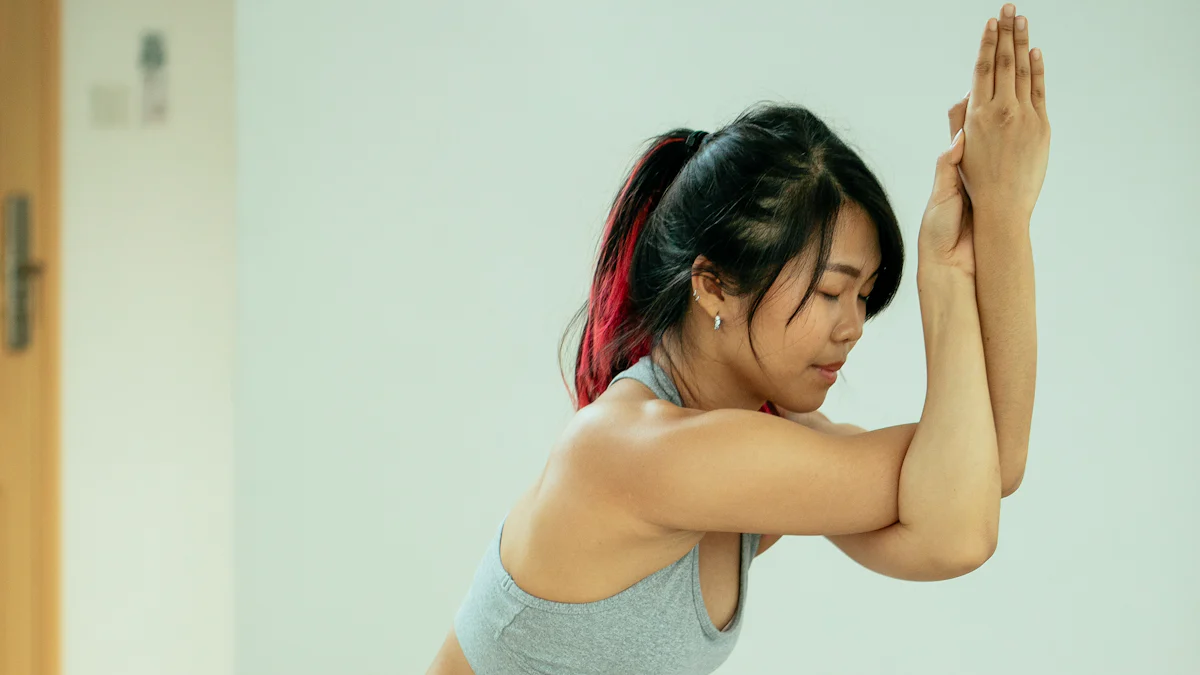
Eagle Pose Yoga, or Garudasana, is a unique and powerful posture that challenges your balance and flexibility. This pose involves wrapping your arms and legs around each other, resembling an eagle's wings and talons. Mastering Eagle Pose enhances your focus and concentration, making it an essential part of your yoga practice. As you work on this pose, you'll notice improvements in your strength and coordination. Embrace the challenge and enjoy the journey of mastering this intriguing pose.
Understanding Eagle Pose Yoga
Origins and Meaning
Historical context of Garudasana
Eagle Pose, or Garudasana, has deep roots in ancient yoga traditions. The name "Garuda" refers to a mythical bird in Hindu mythology, known as the king of birds. This majestic creature symbolizes power and strength. Practicing Garudasana allows you to embody these qualities, enhancing your yoga journey. Historically, yogis have used this pose to cultivate balance and focus, essential elements in any yoga practice.
Symbolism and significance in yoga
In yoga, Garudasana represents more than just a physical posture. It embodies the concept of sthira and sukha, which means steady alertness and comfort. When you perform this pose, you become like the eagle, vigilant yet at ease. This duality helps you find harmony between effort and relaxation. Additionally, Garudasana is said to protect the heart's temple, symbolizing the safeguarding of your inner peace and strength.
Anatomy of the Pose
Key muscle groups engaged
Eagle Pose Yoga engages several key muscle groups. As you wrap your arms and legs, you activate your shoulders, thighs, and calves. This engagement strengthens these areas, improving your overall stability. Your core muscles also play a crucial role in maintaining balance. By focusing on these muscles, you enhance your body's coordination and control.
Alignment and posture essentials
Proper alignment is vital in Eagle Pose Yoga. Start by standing tall, grounding your feet firmly on the mat. As you cross your legs and arms, ensure your spine remains straight. This alignment helps prevent strain and maximizes the pose's benefits. Keep your gaze steady on a fixed point to maintain balance. Remember, the goal is to feel both steady and comfortable, embodying the essence of sthira and sukha.
Step-by-Step Instructions for Eagle Pose Yoga
Preparatory Poses
Poses to warm up the body
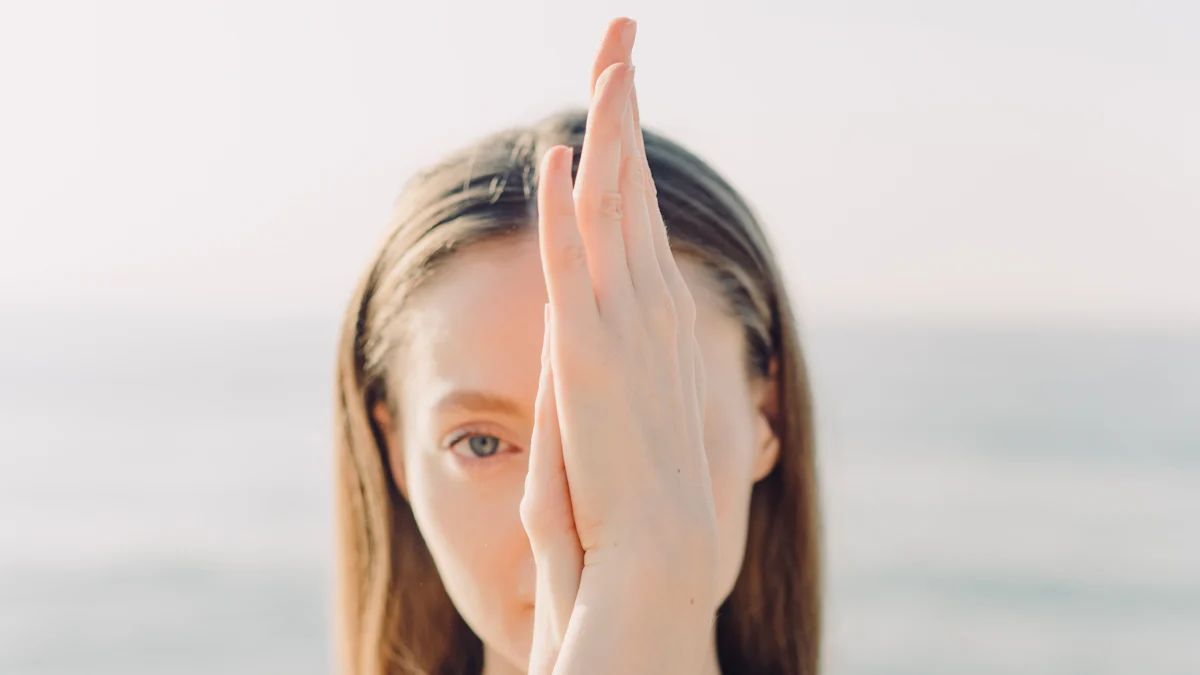
Before diving into eagle pose yoga, it's crucial to prepare your body. Warming up helps prevent injuries and enhances your flexibility. Start with a few rounds of Sun Salutations. This sequence gets your blood flowing and loosens up your muscles. Follow up with some gentle stretches like Cat-Cow Pose and Downward Dog. These poses target your shoulders, hips, and legs, which are essential for eagle pose yoga.
Importance of preparation
Preparation sets the stage for a successful practice. When you warm up, you increase your range of motion. This makes it easier to wrap your arms and legs in eagle pose yoga. Plus, a good warm-up helps you focus your mind. You become more aware of your body, which is key for maintaining balance. So, take your time with these preparatory poses. They lay the groundwork for mastering eagle pose yoga.
Performing the Eagle Pose
Step 1: Starting position
Begin in Mountain Pose. Stand tall with your feet together and arms at your sides. Ground yourself by pressing your feet firmly into the mat. Engage your core and keep your spine straight. This starting position is your foundation for eagle pose yoga.
Step 2: Arm and leg positioning
Bend your knees slightly and lift your right leg over your left. Cross your thighs as high as possible. Wrap your right foot behind your left calf if you can. Now, extend your arms forward. Bring your right arm under your left arm and wrap them around each other. Try to press your palms together. This intricate positioning is the hallmark of eagle pose yoga.
Step 3: Balancing and holding the pose
Focus your gaze on a fixed point in front of you. This helps you maintain balance. Breathe deeply and evenly. As you hold the pose, engage your core and keep your spine aligned. Feel the stretch in your shoulders and thighs. Holding eagle pose yoga requires concentration and stability. Embrace the challenge and stay present.
Step 4: Exiting the pose safely
To exit, unwind your arms and legs gently. Return to Mountain Pose. Take a moment to regain your balance. Then, repeat the steps on the opposite side. Practicing both sides ensures balanced muscle development. Remember, exiting safely is just as important as entering the pose. It completes your eagle pose yoga practice with grace.
Benefits and Cautions
Physical Benefits
Strengthening and stretching benefits
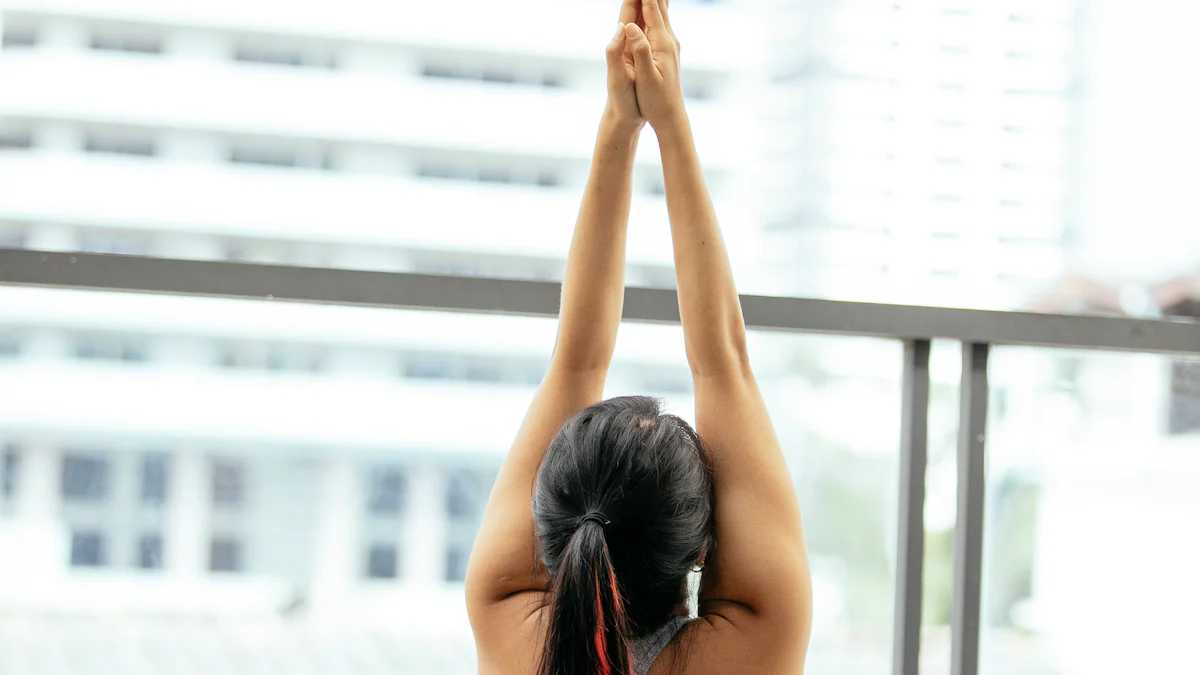
Eagle pose yoga offers a fantastic workout for your body. When you wrap your arms and legs, you engage muscles in your shoulders, thighs, and calves. This engagement strengthens these areas, making them more resilient. You also stretch your upper back and hips, which enhances flexibility. Over time, you'll notice increased muscle tone and improved posture. This pose is like a full-body workout, targeting multiple muscle groups at once.
Impact on balance and coordination
Practicing eagle pose yoga regularly boosts your balance and coordination. As you focus on maintaining the pose, you train your body to stabilize itself. This practice improves your proprioception, which is your body's ability to sense its position in space. Better balance means fewer falls and injuries in daily life. Plus, enhanced coordination helps you perform other yoga poses with greater ease.
Mental and Emotional Benefits
Stress relief and focus enhancement
Eagle pose yoga isn't just about physical benefits. It also calms your mind and reduces stress. As you concentrate on holding the pose, you shift your focus away from daily worries. This mental shift promotes relaxation and peace. Deep breathing during the pose further enhances this calming effect. You'll find that regular practice helps you manage stress more effectively.
Mind-body connection
Eagle pose yoga fosters a strong mind-body connection. By focusing on your breath and movements, you become more aware of your body. This awareness helps you tune into your physical sensations and emotions. Over time, you'll develop a deeper understanding of yourself. This connection enhances your overall well-being and enriches your yoga practice.
Cautions and Contraindications
Who should avoid this pose
While eagle pose yoga offers many benefits, it's not suitable for everyone. If you have knee, ankle, or shoulder injuries, you should avoid this pose. Pregnant individuals should also steer clear, as the twisting motion may not be safe. Always consult with a healthcare professional before trying new poses, especially if you have existing health conditions.
Safety tips and modifications
To practice eagle pose yoga safely, start with a warm-up. This prepares your body and reduces the risk of injury. If you're new to the pose, use a wall for support. This helps you maintain balance while you build strength. You can also modify the pose by keeping your toes on the ground instead of wrapping your foot around your calf. These adjustments make the pose more accessible and ensure a safe practice.
Expert Tips and Common Mistakes
Mastering eagle pose yoga can be a rewarding journey, but it often presents challenges, especially for beginners. Many yoga teachers have shared that eagle pose ranks as one of the most dreaded asanas. However, with the right approach, you can conquer this pose with confidence.
Tips for Beginners
Simplified Variations
Starting with simplified variations can make eagle pose yoga more approachable. Instead of wrapping your foot around your calf, keep your toes on the ground for added stability. This modification helps you focus on the arm positioning without worrying about balance. You can also use a wall for support. Stand close to the wall and use it to steady yourself as you practice the leg wrap. These adjustments allow you to build familiarity with the pose gradually.
Building Confidence and Strength
Building confidence in eagle pose yoga involves consistent practice. Begin with short holds and gradually increase the duration as you become more comfortable. Focus on engaging your core muscles, which play a crucial role in maintaining balance. Incorporate strength-building exercises into your routine, such as squats and lunges, to enhance your leg strength. As your strength grows, so will your confidence in executing the pose.
Avoiding Common Mistakes
Alignment Errors
Alignment is key in eagle pose yoga. One common mistake is letting your spine curve or your shoulders hunch. To avoid this, keep your spine straight and your shoulders relaxed. Imagine a string pulling you upward from the crown of your head. This visualization helps maintain proper posture. Also, ensure your knees stay aligned with your toes to prevent strain.
Overcoming Balance Challenges
Balance challenges are a natural part of learning eagle pose yoga. If you find yourself wobbling, focus your gaze on a fixed point in front of you. This technique, known as drishti, helps stabilize your body. Breathing deeply and evenly also aids in maintaining balance. If you lose your balance, don't get discouraged. Simply reset and try again. Remember, practice makes progress.
By incorporating these tips and being mindful of common mistakes, you'll find that eagle pose yoga becomes less daunting and more enjoyable. Embrace the process, and soon you'll soar through this pose with ease.
You've journeyed through the intricacies of eagle pose yoga, from its historical roots to its physical and mental benefits. This pose not only strengthens your body but also enhances your focus and balance. Regular practice of eagle pose yoga can relieve tension in your shoulders and upper back, while also invigorating your lower limbs and core. Embrace the modifications and variations, like using a chair or wall, to make eagle pose yoga accessible and enjoyable. Keep exploring other yoga poses to deepen your practice and discover new dimensions of strength and flexibility.
See Also
Achieving Fish Pose Mastery Through a Stepwise Approach
Perfecting the Half Moon Asana in Yoga Practice
Comprehensive Steps to Attain Yoga Instructor Certification

Hi my name is Lia and i am your host in this yoga journey in Portugal, Subscribe to our newsletter to receive every week the best of Yoga in Portugal.

We bring back the importance of initiation into womanhood by Roos-Veerle Krijnen & Ella-June Henrard
Welcome to the Women’s Initiation Retreat by Naked Truth Retreats, a transformative journey into the depths of your True Feminine Nature. This retreat invites you to remember the sacredness and wholeness of your being.
Roos-Veerle Krijnen & Ella-June Henrard