Mastering the Downward Facing Dog Pose in Yoga

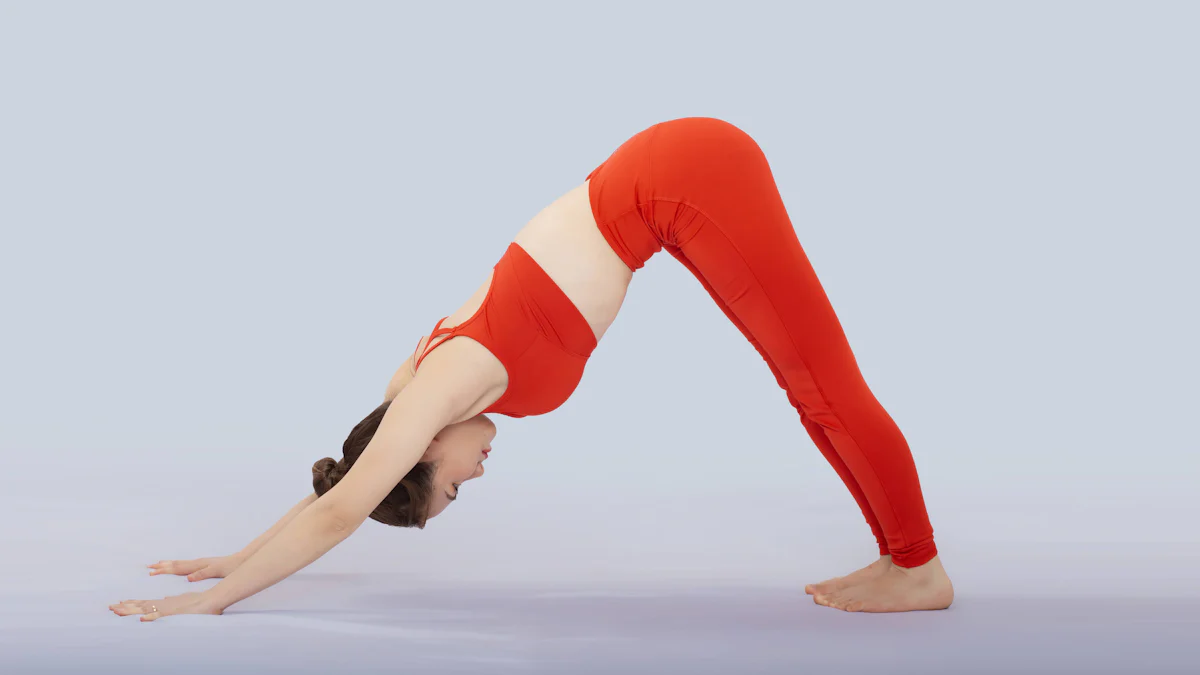
The Downward Facing Dog pose, or Adho Mukha Svanasana, holds a special place in yoga practice. This versatile pose aligns your body and stretches muscles like the spine, hips, and calves. It also strengthens your arms, shoulders, and core. Practicing downdog yoga regularly can relieve chronic low back pain and reduce reliance on pain medications. By engaging in this pose, you not only enhance your physical strength but also promote mental clarity and relaxation. Embrace the benefits of this foundational pose and discover how it can transform your yoga journey.
Understanding the Downward Facing Dog Pose
The Basics of the Pose
Historical Background
The Downward Facing Dog pose, or Adho Mukha Svanasana, has roots that stretch back to ancient yoga texts. This pose has evolved over centuries, adapting from its origins in traditional practices to become a staple in modern yoga. Ancient yogis recognized its potential for enhancing physical and mental well-being. Today, you can find this pose in almost every yoga class, reflecting its enduring significance.
Importance in Yoga Practice
In downdog yoga, the Downward Facing Dog pose serves as a cornerstone. It acts as a transitional pose, linking various sequences and helping you maintain flow. This pose not only stretches and strengthens your body but also provides a moment of rest and reflection during practice. By mastering this pose, you lay a strong foundation for your yoga journey, allowing you to explore more advanced poses with confidence.
Physical and Mental Benefits
Physical Benefits
Practicing downdog yoga regularly offers numerous physical benefits. This pose stretches your hamstrings, calves, and spine, promoting flexibility. It also strengthens your arms, shoulders, and core, building endurance and stability. By engaging in this pose, you can improve your posture and alleviate tension in your back and neck. The Downward Facing Dog is a full-body workout that enhances your overall physical health.
Mental and Emotional Benefits
Beyond the physical, downdog yoga nurtures your mental and emotional well-being. The Downward Facing Dog pose encourages you to focus on your breath, fostering mindfulness and reducing stress. As you hold the pose, you may experience a sense of calm and clarity. This mental shift can help you manage anxiety and enhance your mood. By incorporating this pose into your routine, you cultivate a balanced mind and body.
Step-by-Step Guide to Performing the Pose
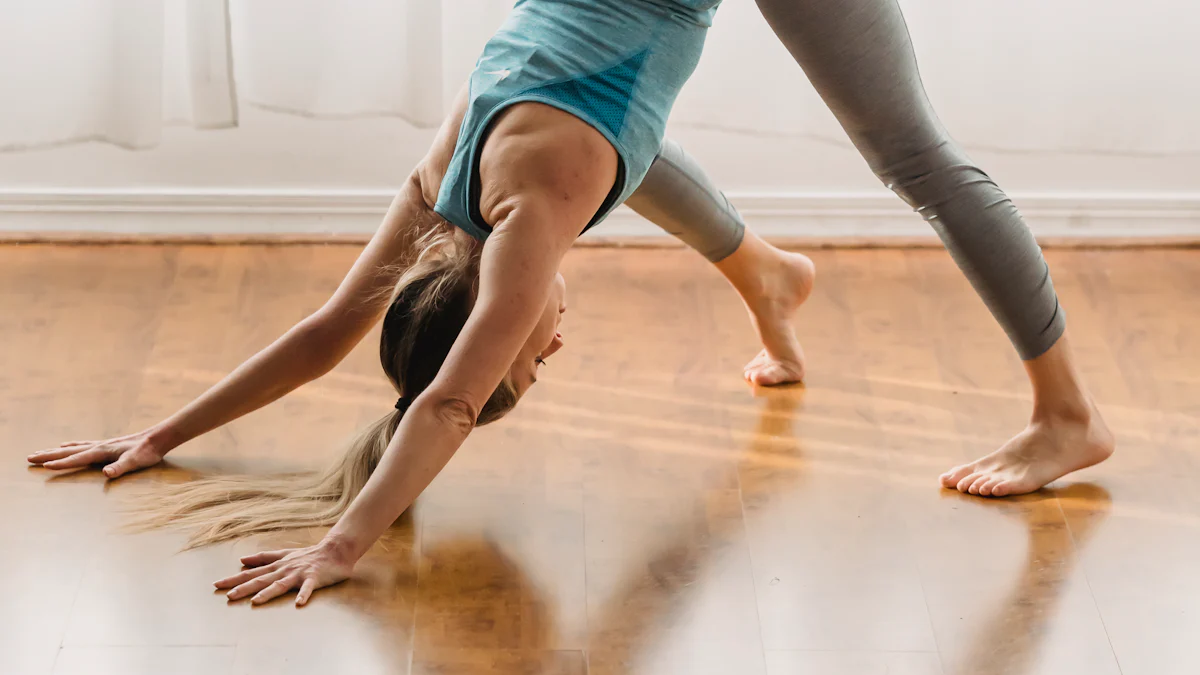
Preparing for the Pose
Before diving into the Downward Facing Dog, it's essential to prepare your body. This preparation ensures you get the most out of the pose and helps prevent injuries.
Warm-up Exercises
Start with some gentle warm-up exercises. These exercises will loosen up your muscles and get your blood flowing. Consider doing:
Cat-Cow Stretch: This stretch warms up your spine and prepares it for the inversion.
Shoulder Rolls: Roll your shoulders forward and backward to release tension.
Ankle Circles: Rotate your ankles to prepare them for the stretch.
These simple movements will make your transition into the pose smoother and more comfortable.
Necessary Equipment
You don't need much equipment for the Downward Facing Dog, but a few items can enhance your practice:
Yoga Mat: Provides cushioning and grip for your hands and feet.
Yoga Blocks: Useful if you need extra support or are working on flexibility.
Towel: Helps with grip if your hands tend to slip.
Having these items on hand can make your practice more enjoyable and effective.
Executing the Pose
Now that you're warmed up and equipped, it's time to execute the Downward Facing Dog. Follow these steps to ensure proper form and alignment.
Proper Alignment
Proper alignment is crucial for maximizing the benefits of the pose and avoiding strain:
Start on All Fours: Place your hands under your shoulders and knees under your hips.
Curl Your Toes Under: Push your hips up and back, forming an inverted 'V' shape.
Align Your Body: Keep your shoulders over your wrists and your feet hip-width apart.
Engage Your Core: This engagement supports your spine and maintains balance.
Relax Your Head: Let your head hang naturally between your arms.
This alignment ensures that you stretch and strengthen your body effectively.
Common Mistakes to Avoid
Avoiding common mistakes can help you get the most out of the pose:
Rounding the Back: Keep your spine straight to avoid unnecessary strain.
Locking the Knees: Maintain a slight bend in your knees to protect your joints.
Forgetting to Breathe: Focus on deep, steady breaths to enhance relaxation and focus.
By being mindful of these points, you can enjoy a safe and rewarding practice.
Modifications and Precautions
Modifications for Different Skill Levels
Beginner Modifications
If you're new to yoga, don't worry! The Downward Facing Dog pose can be adjusted to suit your level. Here are some beginner-friendly modifications:
Knee Bend: Keep a slight bend in your knees. This helps if your hamstrings feel tight.
Use a Wall: Place your hands on a wall instead of the floor. This reduces the intensity and helps you focus on alignment.
Shorten the Stance: Bring your feet closer to your hands. This makes the pose more accessible and less strenuous.
These adjustments make it easier for you to build strength and flexibility gradually.
Advanced Variations
For those who have mastered the basics, try these advanced variations to challenge yourself:
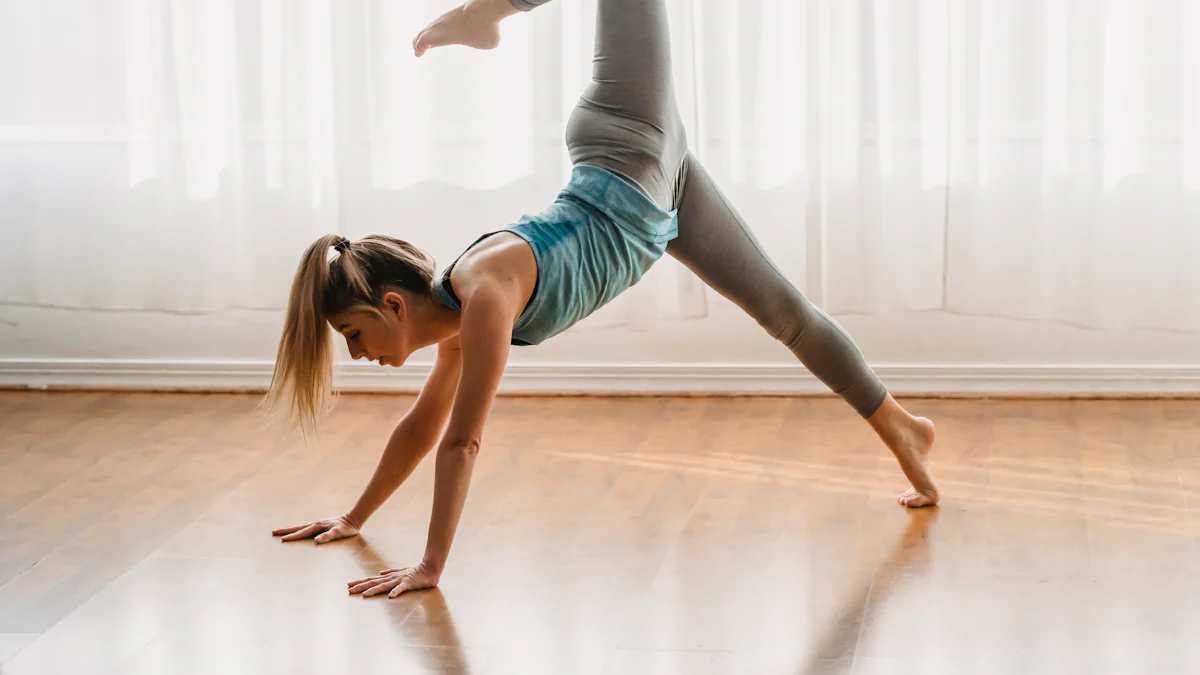
Three-Legged Dog: Lift one leg towards the ceiling while maintaining balance. This variation strengthens your core and improves stability.
Twisted Down Dog: Reach one hand towards the opposite ankle. This adds a twist to the pose, enhancing flexibility and balance.
Dolphin Pose: Lower your forearms to the mat. This variation intensifies the stretch and strengthens your shoulders.
These variations keep your practice dynamic and engaging.
Precautions for Practitioners with Injuries
Common Injuries to Consider
If you have injuries, it's crucial to approach the Downward Facing Dog with care. Common areas of concern include:
Wrists: If you have wrist pain, consider using yoga blocks or fists instead of flat palms.
Shoulders: Avoid overextending your shoulders. Keep them relaxed and away from your ears.
Lower Back: Engage your core to support your spine and prevent strain.
Listening to your body helps you practice safely and effectively.
Safe Practice Tips
To ensure a safe practice, keep these tips in mind:
Warm Up: Always start with gentle warm-up exercises. This prepares your body and reduces the risk of injury.
Listen to Your Body: If something feels uncomfortable, modify the pose or take a break.
Use Props: Incorporate props like yoga blocks or straps for additional support.
Inside Yoga suggests using Child’s Pose as a counterpose to relax your spine and limbs after practicing Downward Facing Dog. This helps release tension and promotes recovery.
By following these precautions, you can enjoy a fulfilling and injury-free yoga practice.
Incorporating the Pose into Your Yoga Practice
Integrating the Downward Facing Dog pose into your yoga routine can transform your practice. This pose, often referred to as the "aaahh" pose, offers a full-body stretch that aligns everything along the back side of your body. By regularly practicing downdog yoga, you can enhance your physical and mental well-being.
Integrating into Daily Routine
Frequency and Duration
To reap the benefits of downdog yoga, consider incorporating it into your daily routine. Practicing this pose for just a few minutes each day can make a significant difference. Start with holding the pose for 30 seconds and gradually increase the duration as you become more comfortable. Consistency is key, so aim to practice daily to build strength and flexibility over time.
Complementary Poses
Pairing the Downward Facing Dog with complementary poses can enhance your practice. Consider adding these poses to your routine:
Child's Pose: Use this as a counterpose to relax your spine and limbs after practicing Downward Facing Dog.
Standing Forward Fold: Transitioning from Downward Facing Dog to this pose can feel effortless and freeing, especially when you focus on the alignment of your hands and shoulders.
Plank Pose: Strengthen your core and arms by moving from Downward Facing Dog into Plank Pose.
These complementary poses create a balanced routine that targets different muscle groups and promotes overall well-being.
Role in Broader Yoga Sequences
Surya Namaskar
The Downward Facing Dog is a vital component of Surya Namaskar, or the Sun Salutation sequence. This sequence is a dynamic flow that warms up your body and prepares it for more challenging poses. By mastering downdog yoga, you can seamlessly transition between poses in the sequence, enhancing your practice's fluidity and grace.
Other Sequences
Beyond Surya Namaskar, you can incorporate the Downward Facing Dog into various other yoga sequences. It serves as a transitional pose that links different postures, allowing you to maintain a steady flow. Whether you're practicing a gentle flow or a more vigorous vinyasa, the Downward Facing Dog provides a moment of rest and reflection, helping you connect with your breath and body.
Incorporating downdog yoga into your practice can deepen your connection with your body. As one practitioner shared, yoga helps them tune into how their body feels, allowing them to identify issues more efficiently. By embracing this foundational pose, you can enhance your physical strength, mental clarity, and overall yoga journey.
Mastering the Downward Facing Dog pose in downdog yoga requires patience and practice. Here are some tips to help you along the way:
Focus on Alignment: Ensure your body forms a proper inverted 'V' shape.
Breathe Deeply: Use your breath to maintain balance and relaxation.
Practice Regularly: Consistency is key to improvement.
Incorporate this pose into your daily routine. It offers both physical and mental benefits. Remember, the journey of mastery is ongoing. Enjoy the process and celebrate your progress.
See Also
Perfecting the Half Moon Asana in Yoga
Achieving Eagle Pose in Yoga: A Detailed Tutorial
Perfecting Fish Pose Yoga: A Comprehensive Guide

Hi my name is Lia and i am your host in this yoga journey in Portugal, Subscribe to our newsletter to receive every week the best of Yoga in Portugal.

We bring back the importance of initiation into womanhood by Roos-Veerle Krijnen & Ella-June Henrard
Welcome to the Women’s Initiation Retreat by Naked Truth Retreats, a transformative journey into the depths of your True Feminine Nature. This retreat invites you to remember the sacredness and wholeness of your being.
Roos-Veerle Krijnen & Ella-June Henrard