Mastering Dhyan Yoga: A Step-by-Step Guide

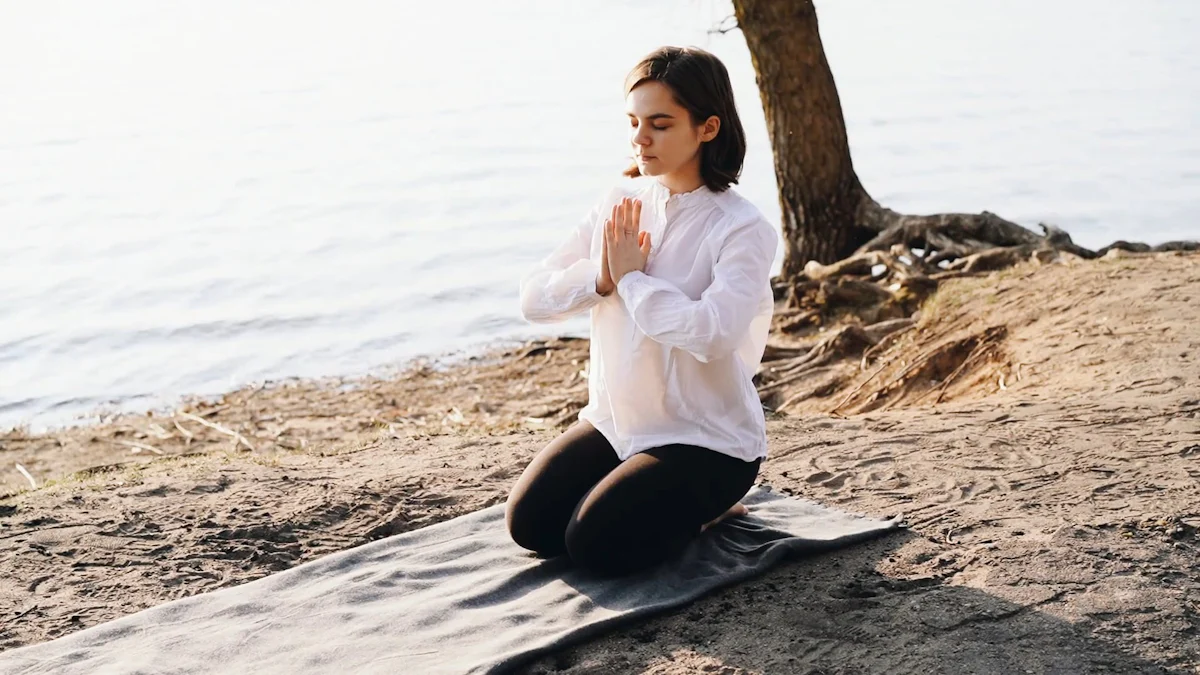
Your interest in mastering Dhyan Yoga opens the door to a world of profound transformation. This ancient practice not only enhances your concentration but also guides you toward achieving a superconscious state. Imagine experiencing a life where stress melts away, and your mental clarity sharpens. Studies show that yoga practitioners often enjoy a 20% more positive image of their physical and mental health compared to non-practitioners. As you embark on this journey, you will discover the power of meditation to uplift your spirit and enrich your life. Embrace this path and unlock the potential within you.
Understanding the Transition from Concentration to Meditation
The Role of Dharana (Concentration)
In your journey to mastering Dhyan Yoga, understanding the role of Dharana is crucial. Dharana, or concentration, serves as the foundation for meditation. It involves focusing your mind on a single point or object, such as your breath or a mantra. This practice helps you train your mind to remain steady and undistracted.
"Focused Attention Meditation Enhances Connectivity in the Brain," a study published in Trends Cogn. Sci., highlights how concentration can decrease habitual responding and enhance brain connectivity. By practicing Dharana, you cultivate the ability to direct your attention intentionally, which is essential for deeper meditation.
Moving into Dhyana (Meditation)
Once you have established a strong foundation in Dharana, you can transition into Dhyana, or meditation. This stage involves letting go of the effort to concentrate and allowing your mind to flow naturally. In Dhyana, you experience a state of awareness without judgment or attachment.
Regular meditation practice can lead to profound changes in your brain and overall well-being. Research shows that meditation can increase gray matter volume in areas related to attention, emotion regulation, and memory. Additionally, a 2019 study found that brief daily meditation enhances attention, memory, mood, and emotional regulation.
As you move into Dhyana, you may notice a reduction in stress and an improvement in concentration. Meditation not only lowers blood pressure and enhances immune function but also increases happiness and induces relaxation. By embracing this practice, you open yourself to a world of transformation and personal growth.
Preparing for Meditation
Physical Preparation
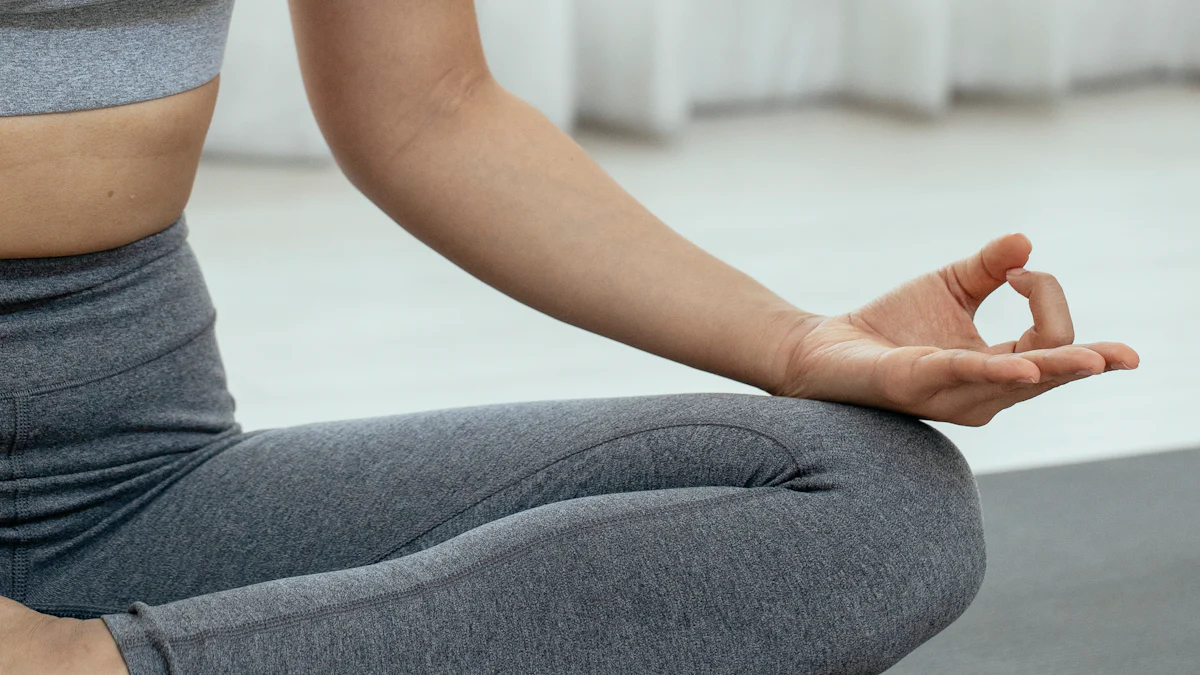
To prepare your body for meditation, you need to create a comfortable and supportive environment. Begin by selecting a quiet space where you can sit undisturbed. This dedicated area will help you associate the space with tranquility and focus. Choose a comfortable sitting position, such as Sukhasana (cross-legged) or Padmasana (lotus posture), to ensure your body remains relaxed yet alert.
Before you start meditating, engage in gentle yoga or stretching exercises. These movements will help release tension and calm your body. Think of it as warming up before a workout. Just as you wouldn't start lifting heavy weights without preparation, you shouldn't dive into meditation without easing your body into a state of relaxation.
"Identify the essential environmental, physical, mental, and intellectual preparations necessary to enter a focused and fruitful meditative state," suggests a comprehensive guide on Dhyana Yoga. By preparing physically, you pave the way for a deeper and more fulfilling meditation experience.
Mental Preparation
Mental preparation is equally important for effective meditation. Begin by setting aside a specific time each day for your practice. Consistency will help train your mind to enter a meditative state more easily. Consider using guided meditations or apps to support your journey, especially if you're new to meditation.
Before you sit down to meditate, take a moment to clear your mind of distractions. You might find it helpful to write down any pressing thoughts or tasks, allowing you to focus fully on your practice. Antar Mouna, a technique of observing thoughts and sensations, can be particularly beneficial. As one practitioner shared, "The intelligence in the progression of these stages is like working with a coach or trainer for the muscle of your mind."
"Setting aside a specific time each day for practice, creating a dedicated meditation space, and using guided meditations or apps can be helpful," advises a meditation expert. By preparing mentally, you create a fertile ground for meditation to flourish.
Incorporating these physical and mental preparations into your routine will enhance your meditation practice. You'll find yourself more grounded, focused, and ready to explore the depths of your consciousness.
Practicing Dhyan Yoga Effectively
Embarking on the journey of dhyan yoga requires dedication and practice. By honing specific techniques, you can deepen your meditation experience and unlock the full potential of this transformative practice.
Breathing Techniques
Breathing serves as the bridge between your body and mind in dhyan yoga. Mastering breathing techniques can significantly enhance your meditation practice. Begin with Dirgha Pranayama, or yogic breathing. This technique involves taking deep, slow breaths that fill your lungs completely. As you inhale, feel your abdomen rise, and as you exhale, let it fall. This rhythmic breathing calms your nervous system and prepares your mind for meditation.
Another powerful technique is Nadi Shodhan, or alternate nostril breathing. This practice balances the energy channels in your body, promoting mental clarity and focus. To perform Nadi Shodhan, close your right nostril with your thumb and inhale through your left nostril. Then, close your left nostril with your ring finger and exhale through your right nostril. Repeat this cycle several times, allowing your breath to guide you into a state of tranquility.
"In the realm of yoga and meditation, the symbiotic relationship between pranayama (breath control) and dhyana (meditation) is profound and purposeful," notes an expert in yoga and meditation. By incorporating pranayama before dhyana, you create a conducive inner environment, fostering a deeper state of meditation.
Concentration Points
In dhyan yoga, focusing on specific concentration points can help anchor your mind and deepen your meditation. One effective method is to concentrate on your breath. Pay attention to the sensation of air entering and leaving your nostrils. As you inhale and exhale, let your thoughts flow without resistance. Gradually, shift your awareness entirely to your breath until your mind becomes almost devoid of thoughts.
You can also use a mantra or a visual point as your concentration anchor. Choose a word or phrase that resonates with you, and repeat it silently during your meditation. Alternatively, visualize a calming image, such as a candle flame or a serene landscape. These concentration points serve as focal anchors, helping you maintain a steady mind and enter a deeper meditative state.
"Pay attention to your breath entering and then leaving your nostrils as you inhale and exhale. Stay detached as you witness your thoughts," advises a meditation expert. By focusing on your breath, you cultivate a sense of peace and presence, essential for effective dhyan yoga practice.
By integrating these breathing techniques and concentration points into your dhyan yoga routine, you pave the way for a more profound and fulfilling meditation experience. As you practice regularly, you'll find yourself more centered, calm, and connected to your inner self. Embrace this journey, and let dhyan yoga guide you toward personal growth and transformation.
Achieving a Superconscious State

Understanding the Superconscious State
In your journey through meditation, reaching a superconscious state represents a profound milestone. This state transcends the ordinary boundaries of the mind, allowing you to connect with a deeper sense of self and purpose. The superconscious mind guides you beyond the ego, offering insights into life's greater meaning. It aligns your conscious mind with a higher truth, fostering spiritual evolution.
"The superconscious mind provides instructions for contributing to the larger web of life and evolving spiritually," suggests a philosophical perspective. By tapping into this state, you gain clarity and direction, understanding your role in the universe.
The Yoga Sutras describe various stages of superconsciousness, each offering unique experiences of bliss and unity. As you progress, you move beyond questioning and discrimination, embracing a realization of oneness with the universe. This journey not only enhances your meditation practice but also enriches your life, bringing inner peace and fulfillment.
Tips for Progressing Towards Superconsciousness
Achieving a superconscious state requires dedication and consistent practice. Here are some tips to help you progress on this transformative path:
Commit to Regular Practice: Consistency is key. Set aside time each day for meditation and pranayama. These practices align your conscious mind with the superconscious, paving the way for deeper experiences.
Focus on Inner Truth: Direct your attention inward, seeking the truth within. Happiness and fulfillment lie inside you, independent of external desires. Meditation helps you connect with this inner source of joy.
Cultivate Mindfulness: Stay present in each moment. Mindfulness enhances your awareness, allowing you to observe thoughts and emotions without attachment. This practice prepares your mind for higher states of consciousness.
Embrace Patience and Perseverance: Progressing towards superconsciousness takes time. Be patient with yourself and trust the process. Each meditation session brings you closer to your goal.
Seek Guidance and Support: Consider joining a meditation group or seeking guidance from a teacher. Sharing experiences and learning from others can provide valuable insights and encouragement.
"Consistent effort and focus on inner truth lead to higher levels of consciousness," emphasizes a spiritual guide. By following these tips, you nurture your journey towards superconsciousness, unlocking the potential for personal growth and transformation.
As you embrace these practices, you open yourself to a world of possibilities. The path to superconsciousness offers profound rewards, enriching your life with peace, clarity, and a deeper connection to the universe. Let this journey inspire you, guiding you towards a more fulfilling and purposeful existence.
Patience and consistency are your allies on this journey of mastering Dhyan Yoga. Embrace each step, knowing that every moment spent in practice enriches your life. The benefits of Dhyan Yoga extend beyond the mat, offering you a renewed sense of identity and connection within yourself.
"Yoga is not just about fitness; it's a union of mind, body, and soul," as one practitioner discovered.
Incorporate these practices into your daily routine. Witness personal growth and transformation unfold. Let Dhyan Yoga inspire you to live a more fulfilling and purposeful life.
See Also
A Comprehensive Guide To Practicing Kundalini Yoga At Home
Essential Steps For Mastering Sudarshan Kriya Yoga
Beginner's Path To Mastering Kundalini Yoga Kriyas

Hi my name is Lia and i am your host in this yoga journey in Portugal, Subscribe to our newsletter to receive every week the best of Yoga in Portugal.

We bring back the importance of initiation into womanhood by Roos-Veerle Krijnen & Ella-June Henrard
Welcome to the Women’s Initiation Retreat by Naked Truth Retreats, a transformative journey into the depths of your True Feminine Nature. This retreat invites you to remember the sacredness and wholeness of your being.
Roos-Veerle Krijnen & Ella-June Henrard