Mastering Crow Pose: Step-by-Step Guide

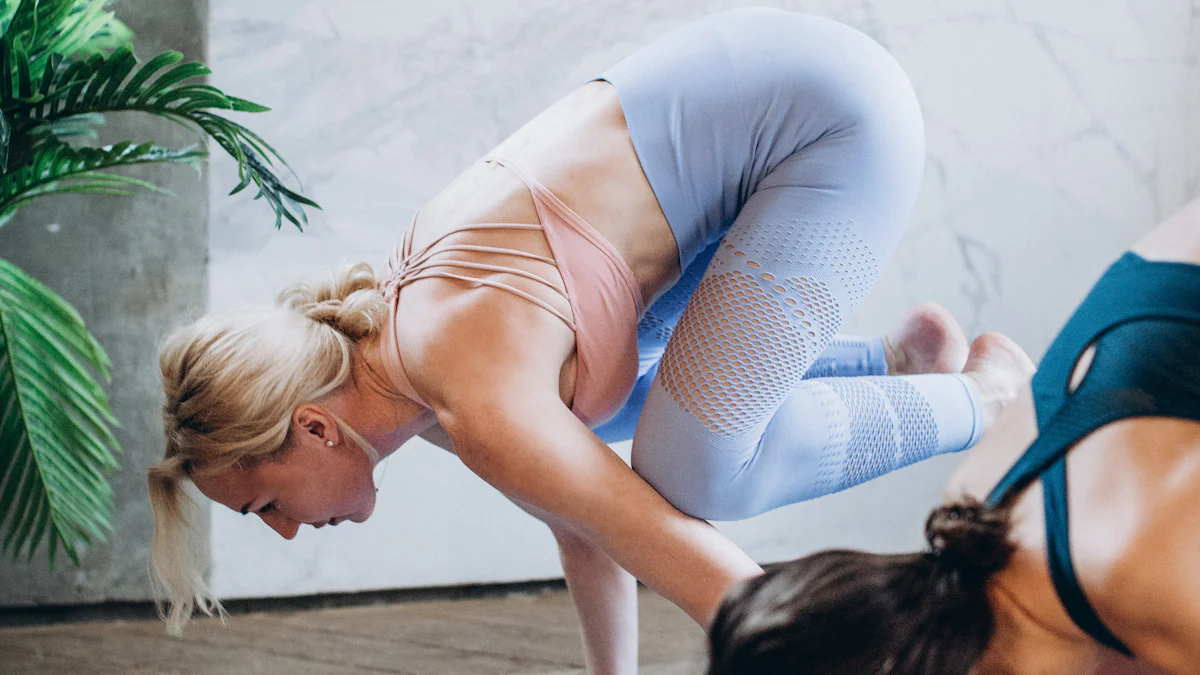
The crow yoga pose holds a special place in yoga practice. It challenges you to balance on your hands, boosting your confidence and enhancing your body awareness. Mastering this pose strengthens key areas like your arms and core, helping you achieve other training goals. As you practice, you'll notice improved balance and greater control over your body. This pose not only tests your physical strength but also your mental focus, making it a rewarding addition to your yoga journey.
Preparing for the Crow Yoga Pose
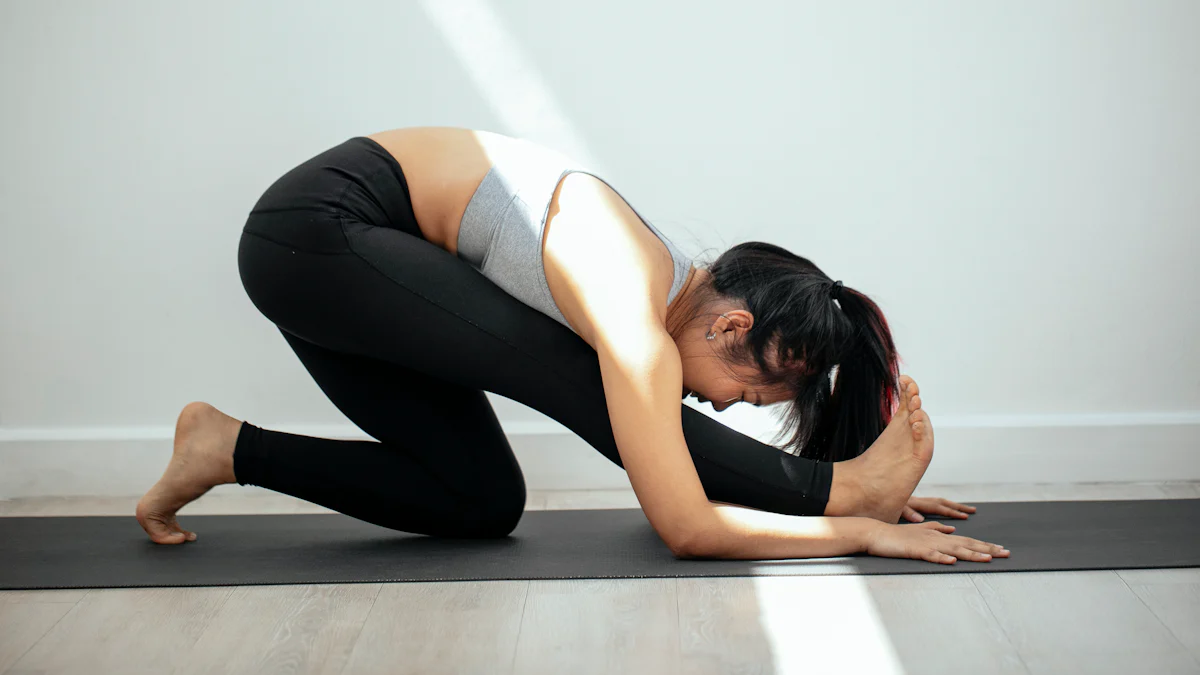
Understanding the Basics of Crow Yoga Pose
What is the Crow Pose?
The crow yoga pose, also known as Bakasana, is a foundational arm balance in yoga. You start in a squat position, placing your hands on the floor in front of you. As you lean forward, you lift your feet off the ground, balancing your knees on your upper arms. This pose challenges your balance and requires focus, making it a rewarding addition to your practice.
Key Muscles Involved
When you practice the crow yoga pose, you engage several key muscles. Your arms, shoulders, and back work hard to support your body weight. The core muscles, including the abdominals and obliques, play a crucial role in maintaining stability. By regularly practicing this pose, you can strengthen these muscles, leading to improved balance and increased upper body strength.
Warm-Up Exercises
Before attempting the crow yoga pose, it's essential to prepare your body with some warm-up exercises. These exercises will help you avoid injury and make the pose more accessible.
Wrist and Arm Stretches
Your wrists and arms bear much of the weight in the crow yoga pose. To prepare them, try some simple stretches:
Wrist Circles: Rotate your wrists in both directions to increase flexibility.
Forearm Stretch: Extend one arm in front of you, palm facing up, and gently pull back on your fingers with the opposite hand.
Arm Circles: Swing your arms in circles to loosen up your shoulders.
These stretches will help you build the necessary flexibility and strength for the pose.
Core Activation Techniques
A strong core is vital for balancing in the crow yoga pose. Here are some exercises to activate your core:
Plank Pose: Hold a plank position for 30 seconds to a minute, engaging your core muscles.
Boat Pose: Sit on the floor, lift your legs, and balance on your sit bones while keeping your core engaged.
Leg Raises: Lie on your back and lift your legs towards the ceiling, focusing on using your core muscles.
Incorporating these exercises into your routine will enhance your ability to maintain balance and control in the crow yoga pose.
Step-by-Step Instructions for Crow Yoga Pose
Getting into Position
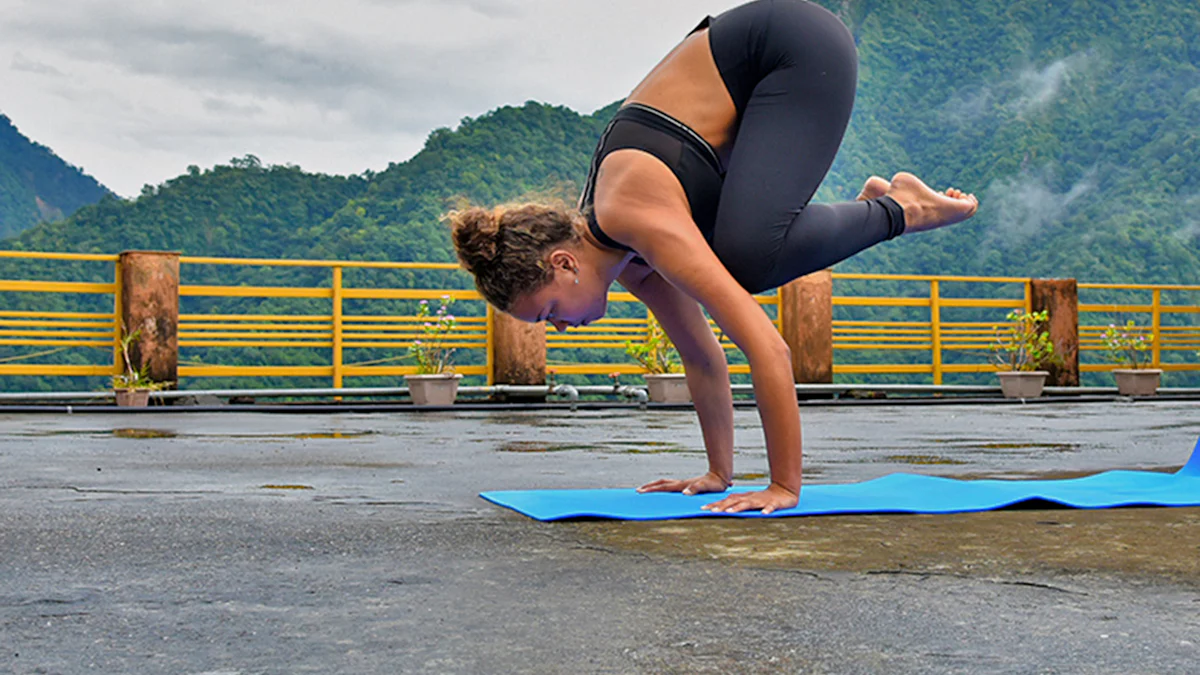
To start mastering the crow yoga pose, you need to get into the right position. This involves careful attention to hand placement and knee and elbow alignment.
Hand Placement
Start in a Squat: Begin by squatting down with your feet close together. Your knees should be wide apart, creating space for your torso.
Place Your Hands: Put your hands on the floor about 6 to 8 inches in front of your feet. Keep them shoulder-distance apart. Spread your fingers wide to create a stable base.
Grip the Floor: Imagine gripping the floor with your fingertips. This action helps engage the muscles in your hands and forearms, providing better support.
Knee and Elbow Alignment
Lift Your Hips: Raise your hips high while coming onto the balls of your feet. This movement helps shift your weight forward.
Position Your Knees: Place your knees on the back of your upper arms. Aim to position them as close to your armpits as possible. This placement provides better leverage and stability.
Align Your Elbows: Keep your elbows bent and stacked over your wrists. This alignment ensures that your arms can support your body weight effectively.
Balancing Techniques
Once you're in position, focus on balancing techniques to maintain the crow yoga pose. Engaging your core and finding your center of gravity are crucial steps.
Engaging the Core
Activate Your Core Muscles: Tighten your abdominal muscles to create a strong center. This engagement helps stabilize your body and prevents you from tipping forward.
Use Your Adductors: According to Leah Sugerman, a yoga instructor, the adductors play a critical role in stabilizing the crow yoga pose. These muscles run along your inner thighs and help draw your legs toward the midline of your body. Engage them to enhance your balance.
Breathe Steadily: Maintain a steady breath to keep your core engaged and your mind focused. Inhale deeply and exhale slowly to stay calm and centered.
Finding Your Center of Gravity
Lean Forward Gently: Shift your weight forward gradually. Feel the balance between your hands and your core. Avoid rushing this step to prevent falling.
Lift One Foot: Once you feel stable, try lifting one foot off the ground. Hold this position for a moment to test your balance.
Lift Both Feet: When you're ready, lift both feet off the ground. Keep your gaze forward, not down, to maintain your balance.
Counterbalance: Use your body weight to counterbalance. Adjust your position slightly if needed to find the sweet spot where you feel stable.
By following these steps, you can master the crow yoga pose with practice and patience. Remember, it's not just about strength; it's about finding balance and engaging the right muscles.
Advanced Tips and Variations
Enhancing Your Pose
Mastering the crow yoga pose opens up a world of possibilities. Once you feel comfortable with the basics, you can start enhancing your pose to make it more challenging and rewarding.
Increasing Hold Time
Build Endurance Gradually: Start by holding the crow yoga pose for a few seconds. As you gain confidence, increase the duration. Aim to add a few seconds each time you practice. This gradual approach helps build endurance without overwhelming your muscles.
Focus on Breathing: Steady breathing is key to maintaining the pose longer. Inhale deeply and exhale slowly. This rhythm keeps you calm and focused, allowing you to hold the pose with ease.
Engage Your Core: A strong core is essential for increasing hold time. Tighten your abdominal muscles and keep them engaged throughout the pose. This engagement provides stability and helps you maintain balance.
Practice Regularly: Consistency is crucial. Make the crow yoga pose a regular part of your practice. Over time, you'll notice significant improvements in your ability to hold the pose.
Transitioning to Other Poses
Explore Variations: Once you master the crow yoga pose, try transitioning to other poses. For example, move from crow pose to a headstand or a plank. These transitions challenge your balance and coordination, adding variety to your practice.
Use Props for Support: If you're new to transitions, use props like blocks or a wall for support. These tools provide extra stability as you explore new poses.
Focus on Alignment: Pay attention to your body's alignment during transitions. Proper alignment ensures smooth movement and reduces the risk of injury.
Seek Guidance: Consider taking a class or watching tutorials from experienced instructors. They can offer valuable tips and insights to help you master transitions safely.
Common Mistakes to Avoid
Even experienced practitioners can make mistakes in the crow yoga pose. Being aware of these common pitfalls can help you refine your practice.
Overcoming Fear of Falling
Start Low: Begin practicing the crow yoga pose close to the ground. This position reduces the fear of falling and allows you to focus on balance.
Use a Cushion: Place a cushion or folded blanket in front of you. This soft landing spot provides reassurance and encourages you to take risks without fear.
Visualize Success: Picture yourself successfully holding the pose. Visualization boosts confidence and helps overcome mental barriers.
Practice Mindfulness: Stay present and mindful during your practice. Focus on your breath and body sensations. This awareness reduces anxiety and enhances your ability to balance.
Correcting Alignment Issues
Check Hand Placement: Ensure your hands are shoulder-distance apart and fingers are spread wide. This placement creates a stable base for the crow yoga pose.
Align Knees and Elbows: Position your knees on the back of your upper arms, close to your armpits. Keep your elbows bent and stacked over your wrists for optimal support.
Engage the Right Muscles: Activate your core and adductors to maintain stability. These muscles play a crucial role in balancing the crow yoga pose.
Seek Feedback: Ask a friend or instructor to observe your pose. They can provide valuable feedback on your alignment and suggest adjustments.
By incorporating these advanced tips and variations, you can elevate your crow yoga pose practice. Remember, progress takes time and patience. Celebrate small victories and enjoy the journey of mastering this empowering pose.
Regular practice of the crow pose can transform your yoga journey. As you engage with this pose, you'll notice not just physical strength but also mental resilience. Remember to listen to your body and prioritize safety. If you feel discomfort, take a step back and adjust.
"Crow is one of my favorite arm balances. It reveals the hard truth about a fear I am clinging to in my personal life."
This testimonial highlights the introspective power of the pose. Embrace the challenge and let it guide you to explore further yoga adventures. Keep practicing, stay mindful, and enjoy the growth.
See Also
Perfecting Eagle Position in Yoga: An Easy-to-Follow Tutorial
Achieving Fish Posture Yoga: A Detailed Instruction
Mastery of the Crescent Pose in Yoga

Hi my name is Lia and i am your host in this yoga journey in Portugal, Subscribe to our newsletter to receive every week the best of Yoga in Portugal.

We bring back the importance of initiation into womanhood by Roos-Veerle Krijnen & Ella-June Henrard
Welcome to the Women’s Initiation Retreat by Naked Truth Retreats, a transformative journey into the depths of your True Feminine Nature. This retreat invites you to remember the sacredness and wholeness of your being.
Roos-Veerle Krijnen & Ella-June Henrard