Mastering Chin Mudra in Yoga Practice

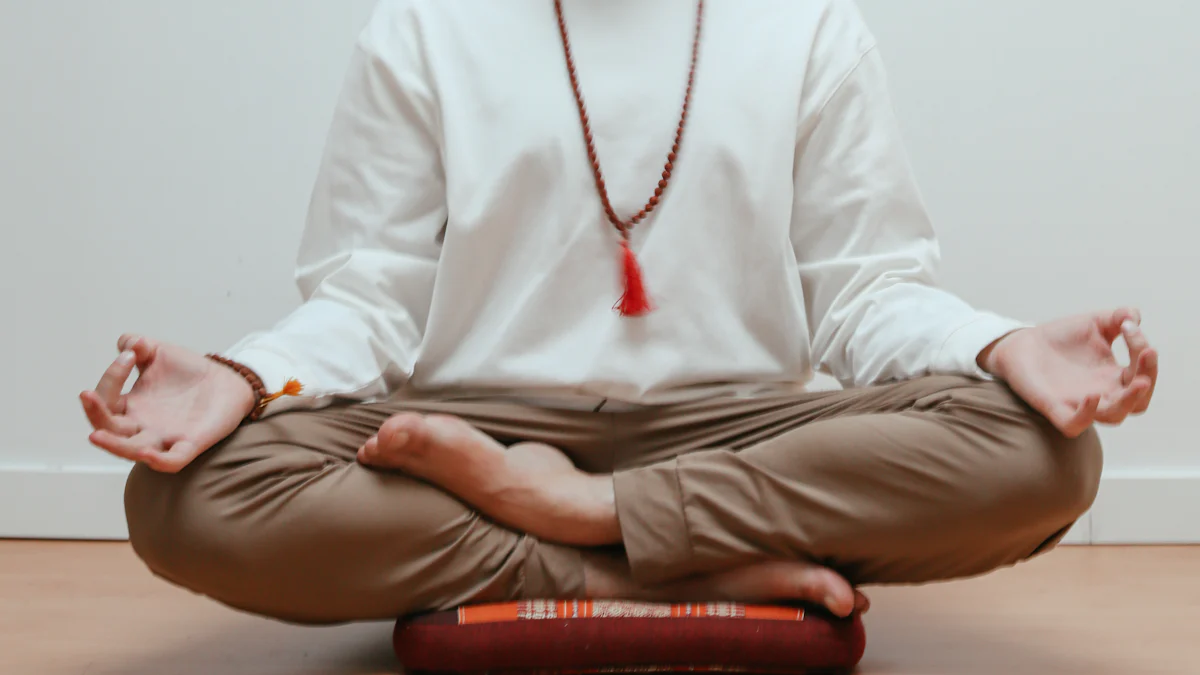
Chin Mudra yoga is a simple yet powerful gesture in yoga practice. To perform it, sit comfortably with your spine upright and jaw relaxed. Bring the tips of your thumb and index finger together, forming a circle, while extending the other fingers. Rest your hands on your knees and hold this position for at least twelve breaths. This mudra is more than just a hand gesture; it symbolizes the connection between individual and universal consciousness. Practicing Chin Mudra yoga regularly can enhance your energy levels, calm your mind, and improve your overall well-being.
What is Chin Mudra?
Definition and Origin
Chin Mudra, often referred to as the "gesture of consciousness," holds a special place in yoga practice. The term "chin" translates to consciousness, while "mudra" means gesture. This simple yet profound hand position symbolizes the union of individual and universal consciousness. Originating from ancient yogic traditions, Chin Mudra has been used for centuries to enhance meditation and spiritual practices. By connecting the thumb and index finger, you create a circuit of energy that promotes awareness and mindfulness.
Symbolism and Significance
The symbolism behind Chin Mudra is both deep and meaningful. When you form this gesture, it represents the connection between your inner self and the universe. The thumb symbolizes universal consciousness, while the index finger represents individual consciousness. By bringing these two fingers together, you acknowledge the unity between yourself and the cosmos. This mudra is more than just a physical gesture; it serves as a tool for harmonizing life energy and deepening your understanding of your role within the universe.
Practicing Chin Mudra can lead to numerous benefits. It enhances focus, clarity, and mindfulness, making it an essential tool for deepening meditation and pranayama practices. By incorporating Chin Mudra into your routine, you may experience improved concentration, reduced stress, and a greater sense of calmness. This gesture also helps in managing negative emotions and promoting inner awareness, ultimately leading to spiritual growth and enlightenment.
Steps to Perform Chin Mudra
Mastering Chin Mudra yoga involves a few simple steps that can enhance your meditation and yoga practice. Let's break it down into easy-to-follow stages.
Preparation
Before you begin, it's important to prepare your body and mind for the practice.
Find a Comfortable Seated Position
Start by finding a comfortable seated position. You can sit cross-legged on the floor or choose a chair if that's more comfortable for you. The key is to ensure your spine remains upright. This posture helps maintain energy flow and keeps you alert during your practice.
Relax Your Hands and Shoulders
Once seated, take a moment to relax your hands and shoulders. Let go of any tension you might be holding. This relaxation is crucial as it allows you to focus inward and prepare for the gesture. A relaxed body leads to a calm mind, setting the stage for a successful practice.
Performing the Gesture
Now that you're prepared, it's time to perform the Chin Mudra.
Touch the Tip of the Thumb to the Index Finger
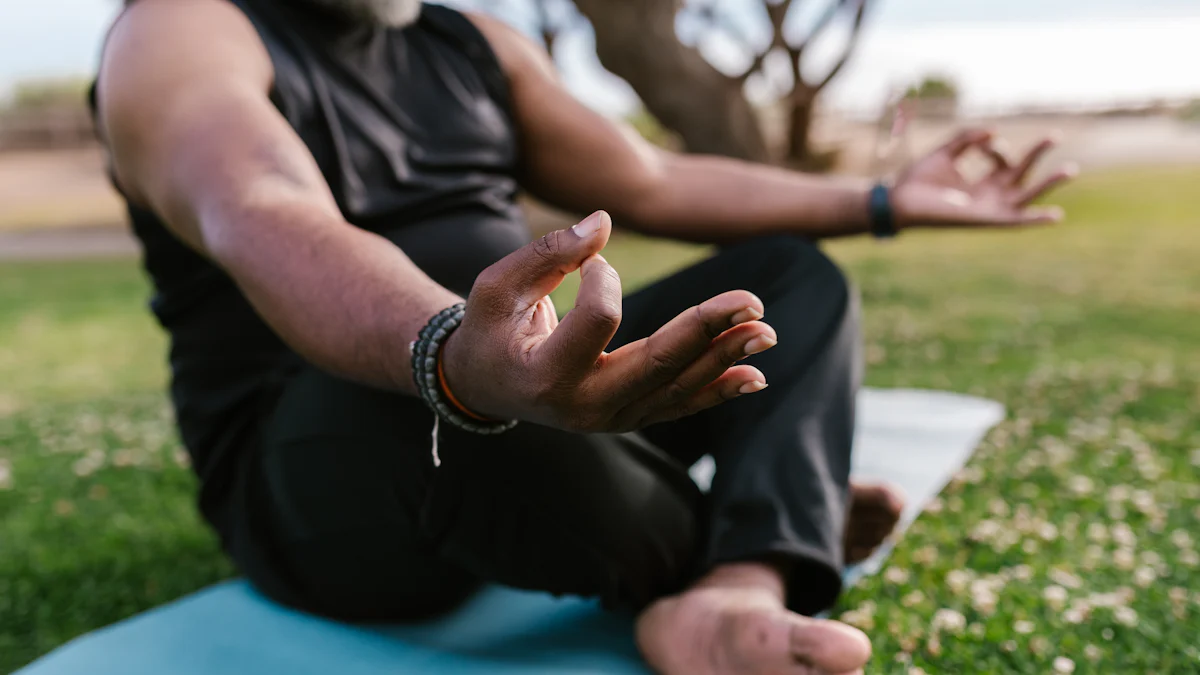
Gently bring the tip of your thumb to meet the tip of your index finger. This forms a circle, symbolizing the connection between individual and universal consciousness. This simple gesture is the essence of Chin Mudra yoga.
Extend the Other Fingers
Allow the other three fingers to extend naturally. They should remain relaxed and slightly apart. This extension helps in channeling energy and maintaining the integrity of the mudra.
Final Position
With the gesture in place, let's move to the final position.
Rest Hands on Knees
Place your hands on your knees with palms facing upward. This position not only supports the mudra but also encourages openness and receptivity. It’s a classic pose often used in meditation to enhance focus and clarity.
Maintain a Relaxed Posture
Finally, ensure your entire body remains relaxed. Keep your spine straight, shoulders down, and jaw relaxed. Breathe deeply and evenly. This relaxed posture allows you to hold the mudra for an extended period, maximizing its benefits.
By following these steps, you can effectively incorporate Chin Mudra into your yoga practice. This mudra is known for increasing energy flow and enhancing mindfulness, making it a valuable tool for anyone seeking deeper spiritual insight.
Benefits of Chin Mudra
Chin Mudra yoga offers a variety of benefits that can enhance your mental, emotional, and spiritual well-being. Let's explore how this simple gesture can make a significant impact on your life.
Mental Clarity
When you practice Chin Mudra, you may notice an improvement in your concentration and focus. This mudra helps direct energy towards the brain, which can enhance mental clarity. By forming the circle with your thumb and index finger, you create a circuit that promotes awareness and mindfulness. This increased focus can be particularly beneficial during meditation or when you need to concentrate on tasks in your daily life.
Relaxation and Stress Relief
Chin Mudra is a powerful tool for relaxation and stress relief. When you engage in this practice, you might find that it helps to calm your mind and ease tension in your body. Studies have shown that incorporating Chin Mudra into a yoga routine can reduce stress and manage negative emotions. By practicing this mudra regularly, you can create a sense of calmness and inner peace, which can be especially helpful in managing the challenges of everyday life.
Spiritual Growth and Awareness
Beyond its mental and emotional benefits, Chin Mudra yoga can also support your spiritual growth. This gesture symbolizes the connection between individual and universal consciousness, helping you to deepen your understanding of your place in the universe. As you practice Chin Mudra, you may experience a heightened sense of inner awareness and spiritual enlightenment. This mudra encourages you to connect with your higher self, promoting a journey of self-discovery and spiritual awakening.
By incorporating Chin Mudra into your yoga practice, you can unlock these benefits and enhance your overall well-being. Whether you're seeking mental clarity, stress relief, or spiritual growth, this simple gesture can be a valuable addition to your routine.
Potential Risks and Precautions
When practicing Chin Mudra, it's important to be aware of potential risks and take necessary precautions. While this gesture is generally safe, being mindful of your body's signals can help you avoid discomfort or injury.
Physical Discomfort
You might experience some physical discomfort when starting with Chin Mudra. This can happen if you hold the position for too long or if your fingers are not used to the stretch. To minimize discomfort, start with short sessions and gradually increase the duration as your body becomes accustomed to the gesture. If you feel any pain, stop immediately and give your hands a rest. Remember, yoga should feel good, not painful.
Overexertion
Overexertion is another risk to consider. You may feel tempted to push yourself too hard, especially if you're eager to master the mudra quickly. However, it's crucial to listen to your body and avoid overexerting yourself. Practicing Chin Mudra should be a gentle and relaxing experience. If you find yourself straining, take a break and return to the practice when you feel ready.
Mindfulness and Awareness
Mindfulness and awareness play a significant role in safely practicing Chin Mudra. Dr. Ankit Sankhe, an expert in Yoga and Alternative Medicine, advises that you should sit straight with your hands on your knees and palms facing upwards. This posture helps maintain balance and prevents unnecessary strain. Additionally, if you have pre-existing conditions like heart disease, or if you're pregnant or lactating, exercise extra caution. Practicing under professional guidance can ensure you're performing the mudra correctly and safely.
By being mindful of these potential risks and taking appropriate precautions, you can enjoy the benefits of Chin Mudra without compromising your well-being. Always prioritize your comfort and safety during your yoga practice.
Practical Tips for Incorporating Chin Mudra into Your Practice
Incorporating Chin Mudra into your yoga routine can be a transformative experience. This simple gesture, known as the "gesture of consciousness," can enhance your focus and mindfulness. Here are some practical tips to help you seamlessly integrate Chin Mudra into your practice.
Start with Short Sessions
When you're new to Chin Mudra yoga, it's best to start with short sessions. Begin by holding the mudra for just a few minutes. This approach allows your body to adjust to the gesture without causing discomfort. As you become more comfortable, gradually increase the duration. Short sessions help you build a strong foundation and prevent overexertion. Remember, consistency is key. Regular practice, even if brief, can lead to significant benefits over time.
Combine with Breathing Exercises
Pairing Chin Mudra with breathing exercises can deepen your practice. Try incorporating Ujjayi breathing, a technique that involves slow, deep breaths through the nose. This combination enhances the flow of energy and promotes relaxation. As you breathe, focus on the connection between your thumb and index finger. This focus can help calm your mind and increase your awareness. Breathing exercises, when combined with Chin Mudra, create a powerful tool for stress relief and mental clarity.
Use in Meditation
Chin Mudra is an excellent addition to your meditation practice. It helps you connect with your inner self and the universe. During meditation, rest your hands on your knees with palms facing upward. This position encourages openness and receptivity. As you meditate, visualize the energy flowing through your body. This visualization can enhance your spiritual growth and awareness. By using Chin Mudra in meditation, you may find it easier to achieve a state of calmness and enlightenment.
Incorporating these tips into your routine can make Chin Mudra a valuable part of your yoga practice. Whether you're seeking mental clarity, relaxation, or spiritual growth, this simple gesture can help you achieve your goals.
FAQ
Can Chin Mudra be practiced by beginners?
Absolutely! Chin Mudra is perfect for beginners. You don't need any prior experience to start. This gesture is simple and easy to learn. Just follow the steps outlined earlier. Remember to sit comfortably and relax your body. Beginners often find this mudra a great introduction to yoga and meditation. It helps you focus and calm your mind. So, give it a try and see how it feels.
How long should I hold Chin Mudra?
You can start by holding Chin Mudra for a few minutes. As you get more comfortable, gradually increase the time. Aim for at least twelve breaths to begin with. This duration allows you to experience the benefits without feeling strained. Over time, you might want to extend your practice. Listen to your body and adjust the duration as needed. Consistency is more important than duration. Regular practice will bring the best results.
Can Chin Mudra be practiced in any yoga pose?
Yes, you can practice Chin Mudra in various yoga poses. It's commonly used in seated positions like Sukhasana or Padmasana. These poses help you maintain an upright spine. However, you can also try it in other poses if you're comfortable. The key is to keep your hands relaxed and your posture steady. Experiment with different poses to find what works best for you. Chin Mudra is versatile and can enhance your yoga practice in many ways.
You've now explored the essence of Chin Mudra and its profound impact on your yoga practice. This simple gesture can enhance your focus, clarity, and mindfulness. By integrating Chin Mudra into your routine, you open the door to improved concentration and a deeper connection with yourself and the universe.
"Chin Mudra is more than just an embodiment of peace and calm."
Start incorporating this powerful tool into your daily life. Consistent practice will not only boost your mental clarity but also promote spiritual growth. Embrace the journey and discover the transformative benefits of Chin Mudra.
See Also
Essential Steps For Mastering Sudarshan Kriya Yoga
Achieving Proficiency In The Fallen Star Pose
A Comprehensive Guide To Master Dhyan Yoga

Hi my name is Lia and i am your host in this yoga journey in Portugal, Subscribe to our newsletter to receive every week the best of Yoga in Portugal.

We bring back the importance of initiation into womanhood by Roos-Veerle Krijnen & Ella-June Henrard
Welcome to the Women’s Initiation Retreat by Naked Truth Retreats, a transformative journey into the depths of your True Feminine Nature. This retreat invites you to remember the sacredness and wholeness of your being.
Roos-Veerle Krijnen & Ella-June Henrard