Mastering Camel Pose in Yoga for Beginners

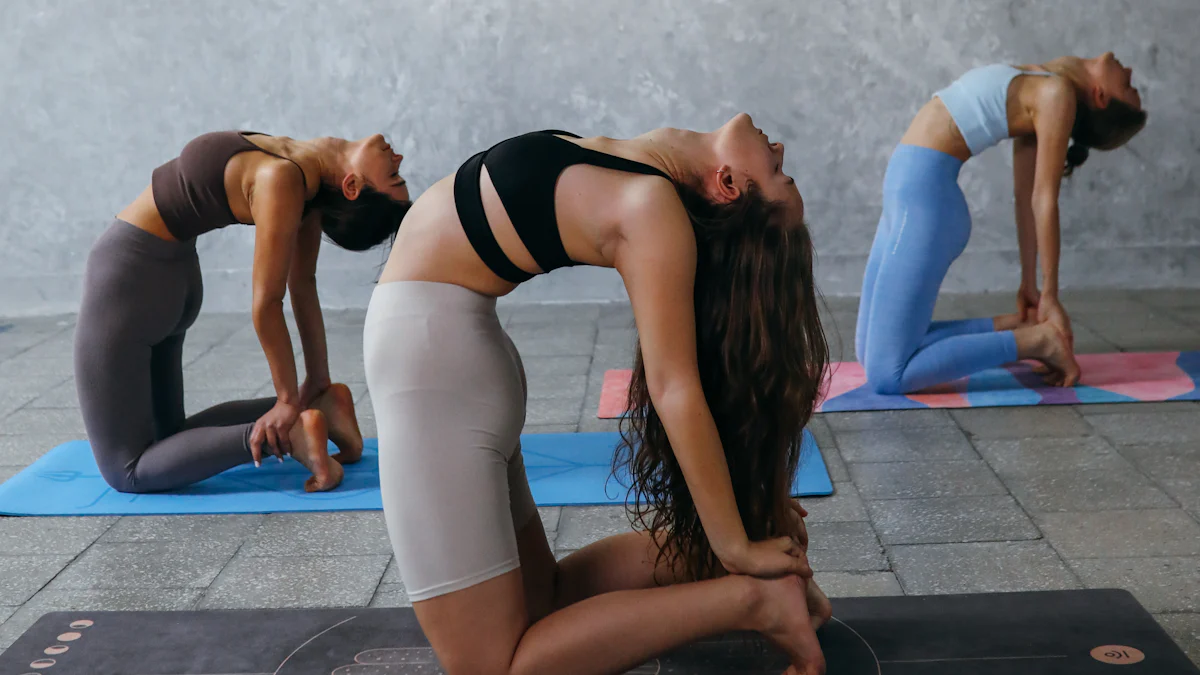
Camel Pose Yoga, or Ustrasana, offers a unique blend of physical and mental benefits. As a beginner, mastering this pose can significantly enhance your yoga journey. You will find that it not only improves flexibility and muscular strength but also boosts mental well-being. This pose opens up your chest and shoulders, promoting better posture and breathing. By incorporating Camel Pose into your routine, you can experience reduced anxiety and improved overall fitness. Embrace this pose as a stepping stone to a healthier, more balanced lifestyle.
Understanding Camel Pose Yoga
Definition and Origin
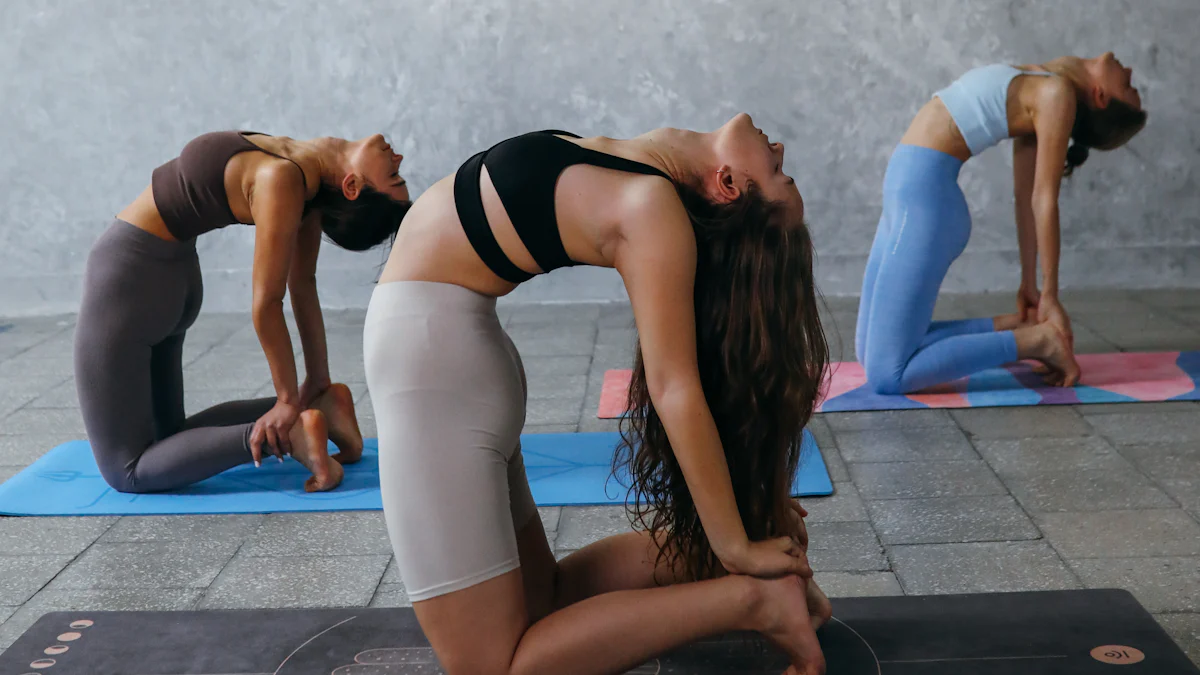
Camel Pose Yoga, or Ustrasana, is a kneeling backbend that has roots in ancient yoga traditions. This pose mimics the graceful arch of a camel's back, symbolizing strength and flexibility. Historically, yogis practiced this pose to enhance their spiritual and physical well-being. It holds a significant place in yoga practice today, offering a gateway to deeper backbends and a more profound connection with your body.
Benefits of Camel Pose
Practicing Camel Pose Yoga brings a multitude of benefits to both your body and mind.
Physical benefits
Improved Spinal Flexibility: Regular practice can enhance the flexibility of your spine. A study published in JAMA highlights how Camel Pose can counteract the effects of a sedentary lifestyle, which often leads to poor posture and related health issues.
Strengthened Back Muscles: This pose engages and strengthens your back muscles, providing better support for your spine.
Enhanced Lung Capacity: By opening up your chest, Camel Pose allows for deeper breathing, which can improve your lung capacity over time.
Better Digestion: The gentle stretch of your abdomen can stimulate digestive organs, promoting better digestion.
Mental and emotional benefits
Reduced Stress: The act of opening your chest and heart can help release pent-up emotions, leading to reduced stress levels.
Boosted Mental Clarity: As you focus on your breath and posture, you may find a sense of calm and clarity washing over you.
Cautions and Contraindications
While Camel Pose Yoga offers numerous benefits, it's essential to approach it with care.
Who should avoid this pose
Individuals with severe back or neck injuries should avoid this pose unless advised otherwise by a healthcare professional.
Pregnant women should also steer clear of deep backbends like Camel Pose.
Precautions to take
Always warm up your body before attempting Camel Pose. Gentle stretches for your neck, shoulders, and back can prepare you for the deeper stretch.
Listen to your body. If you feel any sharp pain, ease out of the pose immediately.
Consider using props like yoga blocks to support your hands if reaching your heels feels challenging.
By understanding the origins, benefits, and precautions of Camel Pose Yoga, you can safely incorporate this powerful pose into your practice. Embrace the journey of mastering this pose, and enjoy the physical and mental rewards it brings.
Step-by-Step Instructions
Mastering camel pose yoga requires a step-by-step approach. Let's break it down so you can practice safely and effectively.
Preparing for the Pose
Before diving into camel pose yoga, you need to prepare your body. This preparation helps prevent injuries and ensures a smoother experience.
Warm-up exercises
Start with some gentle warm-up exercises. Focus on your spine, shoulders, and hips. Try cat-cow stretches to loosen your back. Perform shoulder rolls to release tension. Engage in hip circles to increase mobility. These exercises will get your body ready for the deeper stretch of camel pose yoga.
Necessary equipment
You don't need much equipment for camel pose yoga. A yoga mat provides cushioning for your knees. If you're new to this pose, consider using yoga blocks. They offer support and help you maintain balance. Keep a towel nearby to wipe away sweat and stay comfortable.
Performing the Camel Pose Yoga
Now that you're warmed up, it's time to perform camel pose yoga. Follow these steps to ensure proper alignment and technique.
Initial positioning
Begin by kneeling on your mat. Keep your knees hip-width apart. Place the tops of your feet flat on the mat. Rest your hands on your lower back with fingers pointing down. This initial position sets the foundation for camel pose yoga.
Transitioning into the pose
Engage your core and slowly lean back. Lift your chest towards the ceiling. As you lean, reach for your heels with your hands. If you can't reach, use yoga blocks for support. Draw your shoulders back and keep your neck relaxed. This transition is crucial for achieving the full expression of camel pose yoga.
Holding and breathing techniques
Once in position, focus on your breath. Inhale deeply through your nose. Exhale slowly, allowing your body to relax into the pose. Hold camel pose yoga for 30 to 60 seconds. Maintain steady breathing throughout. This helps you stay calm and centered.
Exiting the Pose Safely
Exiting camel pose yoga safely is just as important as entering it. Follow these steps to return to a neutral position.
Returning to a neutral position
To exit, bring your chin to your chest. Use your hands to support your lower back. Slowly rise back to a kneeling position. This gradual movement protects your spine and prevents strain.
Post-pose relaxation
After exiting, take a moment to relax. Sit back on your heels and rest your hands on your thighs. Close your eyes and breathe deeply. This post-pose relaxation helps your body recover and integrates the benefits of camel pose yoga.
Expert Testimony: Weiss, a seasoned yoga instructor, emphasizes, "Learning the basics of safe backbending is extremely important before jumping into Camel Pose." This advice underscores the importance of preparation and mindful practice.
By following these step-by-step instructions, you can safely and effectively incorporate camel pose yoga into your routine. Enjoy the journey and the benefits it brings to your body and mind.
Modifications and Variations
Camel pose yoga can be adapted to suit your skill level, whether you're a beginner or looking to challenge yourself with advanced variations. Let's explore some modifications and variations that can help you progress safely and effectively.
Beginner Modifications
Starting with camel pose yoga can feel daunting, but using modifications makes it accessible and enjoyable.
Using props for support
Props like yoga blocks or a bolster can provide the support you need. Place a block on either side of your feet. As you lean back, rest your hands on the blocks instead of reaching for your heels. This modification helps maintain balance and reduces strain on your back. It allows you to focus on opening your chest and shoulders without overextending.
Adjusting the depth of the pose
You don't have to go deep into the pose right away. Start by leaning back slightly, keeping your hands on your lower back. Gradually increase the depth as you become more comfortable. This approach helps build confidence and flexibility over time. Remember, it's not about how far you can go, but how well you can maintain proper alignment and breath.
Advanced Variations
Once you feel confident with the basic camel pose yoga, you can explore advanced variations to deepen your practice.
Deepening the stretch
To deepen the stretch, try lifting your chest higher and pushing your hips forward. Engage your core and thighs to support the movement. This variation increases the intensity of the backbend and enhances spinal flexibility. Always listen to your body and avoid forcing the stretch beyond your comfort zone.
Incorporating arm movements
Adding arm movements can elevate the challenge. As you lean back, extend one arm overhead while keeping the other hand on your heel or block. This variation requires more balance and coordination, engaging your core and upper body muscles. Switch arms to ensure both sides receive equal attention.
Expert Insight: Yoga instructor Sarah advises, "Progressing in camel pose requires patience and openness to modifications. Each variation offers a unique experience, helping you connect with your body in new ways."
By incorporating these modifications and variations, you can tailor camel pose yoga to your needs and abilities. Whether you're just starting or seeking a deeper challenge, these options provide a pathway to growth and exploration in your yoga practice.
Common Mistakes and Tips
When practicing Camel Pose, you might encounter some common mistakes. Recognizing these errors and learning how to avoid them can enhance your practice and prevent injuries.
Avoiding Common Errors
Incorrect alignment
One of the most frequent mistakes in Camel Pose is incorrect alignment. You might find yourself leaning too far back or letting your knees splay out. To maintain proper alignment, keep your knees hip-width apart and ensure your hips stay over your knees. This alignment helps distribute your weight evenly and supports your spine.
Overarching the back
Overarching the back is another common error. You might feel tempted to push your back too far, thinking it will deepen the pose. However, this can strain your lower back. Instead, focus on lifting your chest and engaging your core. This action supports your spine and prevents unnecessary pressure on your lower back.
Testimonial: A yoga enthusiast shared, "Good point to bring up – I know I found this overwhelming when I first started practicing." This highlights the importance of being mindful of your body's limits and avoiding overextension.
Tips for Improvement
Improving your Camel Pose practice involves enhancing flexibility and building strength gradually. Here are some tips to help you progress safely.
Enhancing flexibility
To enhance flexibility, incorporate regular stretching into your routine. Focus on opening your chest and shoulders with poses like Cat-Cow and Cobra Pose. These stretches prepare your body for the deeper backbend of Camel Pose. Consistent practice will gradually increase your flexibility, making the pose more accessible.
Building strength gradually
Building strength is crucial for a stable Camel Pose. Engage in exercises that strengthen your core and back muscles. Planks and bridges are excellent choices. These exercises provide the support needed for a safe and effective backbend. Remember, progress takes time, so be patient with yourself as you build strength.
By addressing common mistakes and following these tips, you can improve your Camel Pose practice. Embrace the journey, and enjoy the benefits of a more aligned and confident pose.
Complementary Poses
Incorporating complementary poses into your yoga routine can enhance your experience with Camel Pose. These poses prepare your body and help you transition smoothly in and out of the backbend. Let's explore some preparatory and counter poses that can support your practice.
Preparatory Poses
Before diving into Camel Pose, it's essential to warm up your body and open your chest. These preparatory poses will help you get ready.
Poses to warm up the body
Cat-Cow Stretch: This gentle flow between two poses warms up your spine and increases flexibility. Start on your hands and knees. Inhale as you arch your back (Cow Pose) and exhale as you round it (Cat Pose). Repeat several times to loosen up your back.
Child's Pose: This resting pose stretches your hips, thighs, and ankles. Kneel on the floor, sit back on your heels, and stretch your arms forward. Relax your forehead on the mat and breathe deeply.
Downward-Facing Dog: This pose strengthens your arms and legs while stretching your shoulders and calves. Start on your hands and knees, lift your hips, and straighten your legs to form an inverted V-shape. Hold for a few breaths.
Poses to open the chest
Cobra Pose: This pose stretches your chest and shoulders, preparing them for the deeper backbend of Camel Pose. Lie on your stomach, place your hands under your shoulders, and lift your chest while keeping your elbows close to your body.
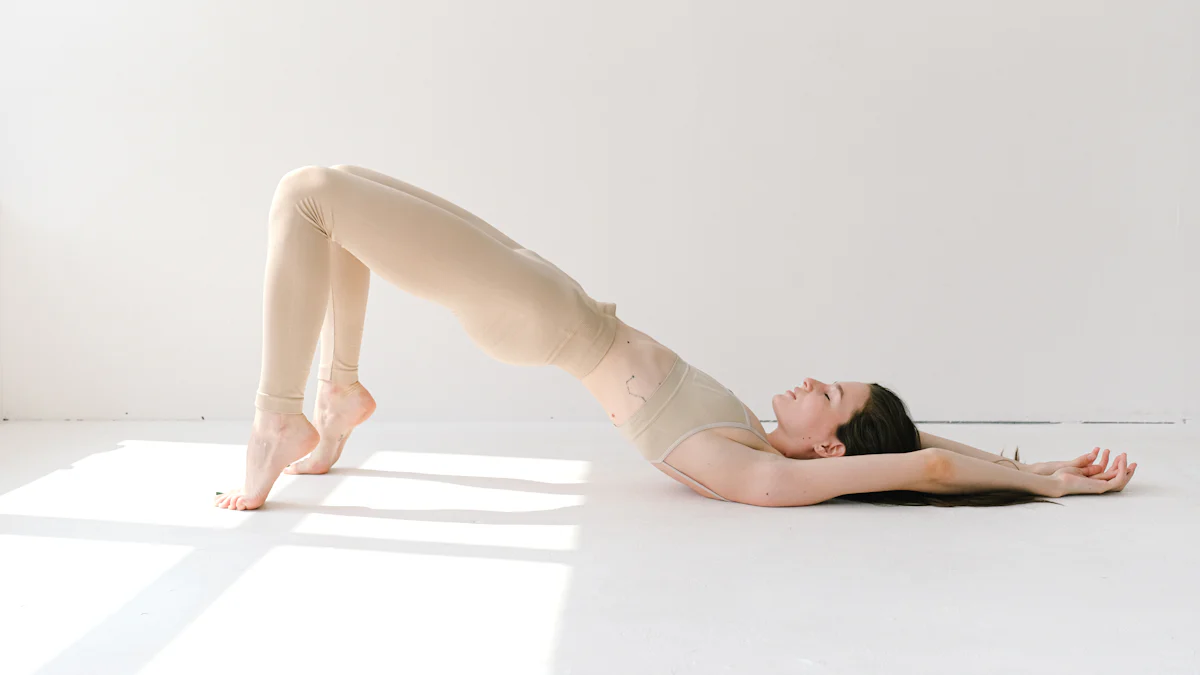
Bridge Pose: This pose opens your chest and strengthens your back. Lie on your back, bend your knees, and place your feet flat on the floor. Lift your hips and clasp your hands under your back.
Fish Pose: This pose stretches your chest and throat. Lie on your back, place your hands under your hips, and lift your chest while keeping your head on the floor.
Counter Poses
After practicing Camel Pose, it's important to release tension and balance your body with counter poses.
Poses to release tension
Child's Pose: Return to this gentle pose to relax your back and shoulders. It helps release any tension built up during Camel Pose.
Seated Forward Bend: This pose stretches your spine and hamstrings. Sit with your legs extended, reach forward, and hold your feet or shins. Breathe deeply and relax into the stretch.
Reclined Twist: This pose releases tension in your spine and hips. Lie on your back, bend your knees, and let them fall to one side while keeping your shoulders on the floor. Repeat on the other side.
Poses to balance the body
Mountain Pose: This standing pose helps you find balance and stability. Stand tall with your feet together, arms by your sides, and focus on grounding through your feet.
Tree Pose: This balancing pose strengthens your legs and improves focus. Stand on one leg, place the sole of your other foot on your inner thigh, and bring your hands to your heart.
Corpse Pose: This final relaxation pose allows your body to absorb the benefits of your practice. Lie on your back, close your eyes, and let your body relax completely.
By incorporating these complementary poses into your routine, you can enhance your Camel Pose practice and enjoy a well-rounded yoga experience.
You've explored the Camel Pose, understanding its origins, benefits, and techniques. This pose offers a unique blend of physical and mental rewards, enhancing your yoga journey. Regular practice can deepen your connection with your body and mind. Embrace the challenges and growth opportunities it presents.
"Through consistent practice, I learned to overcome my instinct to retreat and embrace challenging poses like the camel pose," shared an anonymous yoga practitioner.
Keep practicing and consider exploring other yoga poses to further enrich your experience. Your journey in yoga is just beginning, and there's so much more to discover!
See Also
Achieving the Half Moon Position in Yoga Practice
Perfecting Eagle Pose Yoga: Step-by-Step Instructions
Mastery of Fish Pose in Yoga: Step-by-Step Tutorial

Hi my name is Lia and i am your host in this yoga journey in Portugal, Subscribe to our newsletter to receive every week the best of Yoga in Portugal.

We bring back the importance of initiation into womanhood by Roos-Veerle Krijnen & Ella-June Henrard
Welcome to the Women’s Initiation Retreat by Naked Truth Retreats, a transformative journey into the depths of your True Feminine Nature. This retreat invites you to remember the sacredness and wholeness of your being.
Roos-Veerle Krijnen & Ella-June Henrard